

I’ll never forget the day I painted my front door for the first time. I grabbed a can of leftover interior paint, thought, “This will do just fine,” and went to town. Weeks later, I was greeted with an unexpected surprise—peeling paint, chipping away like old plaster. It was a rude awakening that made me question everything I knew about painting exterior surfaces.
Getting Real About Exterior Durability
From that moment on, I realized that not all paints are created equal—especially when it comes to your home’s front door. Your front door faces the elements daily—sun, rain, snow, and every gust of wind in between. Using the right type of paint isn’t just about aesthetics; it’s about preventing costly repairs and re-dos down the line. Today, I’ll share why interior paints are a no-go for your front door, based on my personal mishaps and a bit of solid research.
Are Cheap Paints Actually Worth the Risk?
Early in my DIY journey, I made the mistake of buying a cheap, low-quality interior paint for my exterior door. I convinced myself it would hold up. Spoiler: it didn’t. Within months, I was repainting because the paint had cracked and peeled. Experts warn that interior paint lacks the weather-resistant additives necessary for exterior exposure—leaving your door vulnerable to the elements. According to the Paint Quality Institute, using interior-grade paint outside leads to premature failure, costing you more time and money.
Have you ever faced this kind of disappointment with a paint project? If so, you’re not alone. Stay tuned as we dive into the specifics of choosing the right paint and the simple steps to ensure your front door stands the test of time — because you deserve a finish that lasts and looks great.
Prep the Surface Like a Pro
Before even thinking about dipping your brush, you must prepare the surface meticulously. Start by removing any peeling or chipping paint with a sturdy putty knife. For metal surfaces, ensure you sand down rust spots and clean the area thoroughly. When I painted my garage door, I used a wire brush to scrub off loose paint and then cleaned it with a degreaser. This step is crucial; neglecting it is like trying to paint a slick, oily skatepark—your paint won’t stick. Formetal surfaces, refer to this guide for detailed instructions.
Choose the Right Tools and Materials
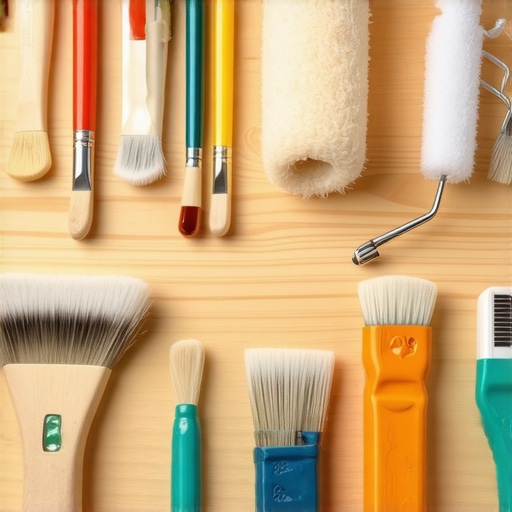
Using high-quality brushes and rollers tailored for exterior surfaces makes a world of difference. For large flat areas, a 9-inch roller covers more ground quickly, while precision brushes tackle edges and detailed trims. I once tried saving money with cheap brushes, only to spend double time cleaning dried paint from fibers. Opt for synthetic brushes when working with latex paints, as they provide smoother application and easier cleanup. Don’t forget to load your brush properly—load it enough to cover but avoid overloading to prevent drips. Regularly unload your brush to avoid dried paint buildup, which can cause streaks. Check out this article for techniques to keep your brushes in perfect shape throughout the project.
Apply Paint Correctly and Consistently
Start with a “cut-in” around edges and corners using a detailed brush. Then, proceed with a roller in smooth, overlapping strokes, maintaining a wet edge to prevent lap marks. I remember the first time I painted my porch, I didn’t keep a wet edge, which resulted in noticeable seams once dried. To avoid this, work in manageable sections, reloading your roller frequently. Use a light, even pressure; pressing too hard causes splatters and uneven coverage. For tricky areas like trim or textured surfaces, apply a second light coat to ensure uniform color and durability. Don’t forget to follow the manufacturer’s instructions on drying times before second coats or finishing touches. Also, be mindful of weather; avoid painting in direct sunlight as it causes faster drying and uneven finish—a mistake I learned the hard way. For detailed steps on achieving a smooth, professional look for your interior or exterior, consider reviewing this expert guide.
Finishing Touches to Boost Longevity
Once the final coat is applied and dried, inspect for any uneven spots or drips. Use a fine-grit sandpaper or a sanding block to smooth imperfections if needed. For added protection, consider applying a clear sealant or primer before repainting, especially if you are painting over dark or stained surfaces. Remember, a proper finish not only looks good but also extends the life of your paint job. Properly curing the paint involves avoiding rain or extreme temperatures for at least 24 hours, allowing the coating to set. When I painted my front door, I waited the recommended time before re-exposing it to the elements, which paid off—my paint adhered well and resisted peeling. Regular maintenance, like cleaning the surface annually, keeps your painted surfaces looking fresh and prevents buildup that can deteriorate the finish. Notably, for metal surfaces, look into this detailed advice for best results.While many believe that a fresh coat of paint is a simple, straightforward task, my experience has taught me that there are deeper nuances that can make or break your project’s success. One common myth is that any paint will do, but in reality, the type of finish, application technique, and preparation process significantly influence durability and appearance. Overlooking these details often results in premature peeling or uneven coverage, costing you time and money. A frequent mistake is underestimating the importance of proper surface prep—skipping sanding or cleaning can cause paint to adhere poorly, leading to issues like bubbling or cracking.
What Advanced Mistakes Do Even Seasoned DIYers Make?
For those with some painting experience, the trap lies in choosing low-quality tools or ignoring environmental factors such as humidity and temperature, which can inhibit proper drying and curing. Experts at this resource emphasize that using the wrong brushes or rollers can create streaks, while neglecting weather conditions can cause paint to dry too quickly or too slowly, affecting adhesion and finish. Additionally, many underestimate the layered approach—applying thin coats and allowing adequate drying time yields a smoother, longer-lasting finish. My own missteps have shown that rushing these steps only exacerbates problems and increases the need for repainting sooner than expected. To avoid these pitfalls, invest in high-quality tools and plan your project around optimal weather conditions. Have you ever fallen into this trap? Let me know in the comments.
Keeping Your Paint Job in Top Shape with the Right Tools
Investing in quality tools is essential for achieving durable, professional-looking paint finishes that stand the test of time. I personally swear by a high-grade synthetic brush like the Purdy XL Series because it delivers smooth application and is easy to clean, making it invaluable for detailed areas and touch-ups.
When rolling large surfaces, a 9-inch microfiber roller with a medium nap ensures even coverage and minimizes splattering. I prefer foam rollers for trim work since they leave a slick, lint-free surface. Using a premium extension pole allows me to reach high areas without risking safety or accuracy, especially during exterior projects.
Beyond brushes and rollers, proper surface preparation tools are vital. A mixing drill with a paddle attachment ensures your paint combines thoroughly, preventing streaks or inconsistency. Additionally, I recommend a dedicated paintbrush cleaner for maintaining tool longevity.
The Future of Painting Tools and Methods
Technological advancements suggest that airless sprayers and smart paint-monitoring devices will become more accessible, reducing manual labor and increasing accuracy. For now, mastering current high-quality tools—like a professional-grade sprayer—can significantly improve the longevity and appearance of your paint job.
Ever Wondered How to Maintain Your Painting Tools Over Time?
Proper maintenance involves thorough cleaning immediately after each use, using warm water and appropriate cleaners for latex paints. Store brushes upright or flat in a dust-free container, and keep rollers in airtight plastic bags if you’ll resume work the next day. Regularly inspecting and replacing worn-out brushes and rollers ensures your tools perform optimally, reducing the likelihood of uneven application or peeling down the line.
For example, neglecting to clean dried paint from brushes can lead to bristle stiffness and deterioration, which affects future application. I’ve seen many DIYers struggle with streaks because they didn’t invest in proper tool care. A small step like this can extend your tools’ lifespan and improve the quality of your work — ultimately saving you money and time in the long run.
Looking ahead, I predict a greater integration of automation and eco-friendly materials in painting. Technicians may soon employ AI-powered project planning or environmentally safe, fast-drying paints that require less maintenance. Staying current with these innovations will ensure your skills and tools remain effective for decades of beautiful surfaces.
Try incorporating a high-quality synthetic brush coupled with a dedicated cleaning routine today — your future self will thank you for the professional finish and enduring results. Remember, the right tools and proper maintenance are the backbone of any successful house painting effort!
Lessons I Wish I Learned Before My First Exterior Paint Job
- Never underestimate the power of thorough surface prep; skipping steps like sanding or cleaning can turn a simple paint job into a peeling disaster. I learned this the hard way when my paint started bubbling just months after application.
- High-quality tools aren’t optional—they’re essential. Using cheap brushes or rollers felt saving money initially but ultimately cost me more in touch-ups and redo’s.
- Understanding environmental conditions makes all the difference. Painting in direct sunlight or high humidity sabotages even the best paint, a mistake I made more than once before realizing the importance of timing.
- Choosing the right type of paint is crucial. DIY interior paint doesn’t have the weather-resistant qualities needed outside—lesson learned after peeling paint forced a full redo.
My Must-Have Resources for Mastering House Painting
- Elite Painter Pro’s surface preparation guides have been my go-to for metal and wood prep, ensuring my paint adheres perfectly and lasts longer. Check out their metal prep tips.
- Premium tools like Purdy XL brushes and microfiber rollers have transformed my workflow, giving me near-professional finishes every time. I rely on their brush care advice.
- Weather apps and local forecasts help me plan painting days to avoid harsh sunlight or rain. Being patient and waiting for optimal conditions prevents costly mistakes.
- Color selection resources have helped me choose shades that complement my home’s architecture and environment, avoiding the pitfalls of mismatched hues or colors that look different at night. For insights, see lighting influence on paint color.
Your Next Step in Creating a Lasting Finish
Embarking on your exterior painting journey is both rewarding and challenging—but with the right knowledge, tools, and patience, you can achieve results that truly stand the test of time. Remember, it’s not just about making things look good temporarily; it’s about building confidence and skill that will serve every home improvement project in the future. Don’t hesitate to try new techniques, experiment with high-quality materials, and take the time to learn from every mistake — because each stroke brings you closer to a perfect finish. What’s the one area of your home you’re most excited to transform next? Share your plans or questions below, and let’s keep the conversation going!