
I remember the first time I picked up a paintbrush for my living room. I had this grand vision, but halfway through, I realized I’d chosen the wrong shade—something that looked perfect on the swatch but fell flat on my walls. It was a lightbulb moment that taught me a lot about the nuances of color and the importance of expert guidance. If you’ve ever faced a similar struggle—feeling overwhelmed by choices and unsure about how to get that perfect finish—you’re not alone. Today, I want to share how to navigate the colorful maze of house painting in 2025 so your home can truly reflect your style and personality. We’ll talk about choosing the right hues, avoiding common pitfalls, and how to make your space pop with confidence.
Choose the Right Colors First
Think of selecting your paint colors as choosing an outfit for a special occasion; it sets the whole mood. I remember walking into my local paint store and feeling overwhelmed by the endless options. Instead of getting lost, I brought home a few sample swatches and painted small patches on my wall. That way, I saw how each hue looked in different lighting conditions. This simple step saved me from a costly mistake and helped me narrow down my choices efficiently. To get professional results, explore expert tips on color selection and testing before committing.
Prep Your Space Like a Pro
Proper preparation is the foundation of a flawless paint job. I once skipped sanding and taping, which resulted in uneven edges and drips. Next time, I took my time to sand rough patches, tape off trim and edges, and clean the surfaces thoroughly. Think of this step as laying a solid groundwork for a house—without it, everything else can crumble. Use painter’s tape for crisp lines and consider masking off areas you want to keep paint-free. For detailed techniques, check out local painting strategies.
Master the Brush and Roller Technique
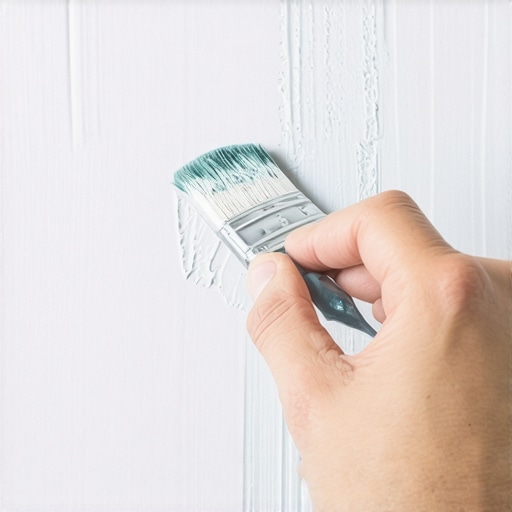
Applying paint smoothly is about more than just loading your brush or roller. I remember starting with a heavy hand, resulting in streaks and drips. Then I learned to load just enough paint and use long, even strokes, overlapping slightly to avoid lap marks. Using a high-quality brush for edges and a roller for broad areas streamlines the process. Think of your brush as a fine-tipped pen for details, and your roller as a wide brushstroke for coverage. Practice makes perfect—don’t rush this step. For a visual guide, see professional techniques.
Layer and Let Dry Properly
Thin, even coats are your best friend. I once tried to cover a bold color with one thick layer—it looked terrible and took forever to dry. Instead, I applied multiple thin coats, allowing each layer to dry fully before the next. This approach prevents drips and uneven textures. Patience is key here; rushing can ruin your hard work. If you want a flawless finish, consider the timing and climate conditions, as they affect drying times. For more insights, explore curb appeal tips.
Finish with Precision and Care
After the last coat, I carefully removed painter’s tape and inspected my work. Touch-ups are often necessary to perfect edges or cover missed spots. Using a small brush for detail work ensures precision. Remember, good lighting helps spot imperfections you might miss otherwise. This finishing touch elevates your project from good to professional-looking. For additional finishing strategies, look into local painting tips.
< >Many homeowners assume that choosing a trendy color palette guarantees a stunning result, but the real nuance lies in understanding how colors interact with your home’s unique lighting and architectural features. A common myth is that darker hues always make a room feel cozy; in reality, they can also make spaces look smaller and more oppressive if not used thoughtfully. Another frequent mistake is underestimating the importance of undertones—what appears to be a neutral gray or beige can shift dramatically under different lighting conditions, affecting the overall harmony of your space. For advanced painters, it’s crucial to recognize that the finish type, sheen, and application technique influence how color appears once dried, which many overlook. According to a study by the Sherwin-Williams Color Marketing & Design team, subtle differences in sheen can alter the perceived color temperature by up to 20%, impacting the mood and aesthetic of a room.Maintaining your paintwork requires the right tools and a bit of know-how. I swear by a high-quality cordless electric sander like the Makita BO5041, which I use for smoothing out rough patches before repainting. This tool saves me hours of manual sanding and ensures a clean surface, which is essential for long-lasting results. For cleaning brushes and rollers, a dedicated brush cleaner like the Wooster Brush Cleaner is invaluable—it extends the lifespan of my equipment and keeps paint flowing smoothly. When it comes to taping, I prefer painters’ tape with low adhesion, such as 3M ScotchBlue, because it prevents damage to delicate surfaces and comes off without peeling paint. Regularly inspecting and replacing worn tools is crucial; a dull roller or frayed brush can ruin a fresh coat of paint. As technology advances, I predict that smart paint sprayers with adjustable flow rates and built-in filters will become more accessible, making professional-quality finishes easier for DIY enthusiasts. To keep your tools in top shape, I recommend cleaning them immediately after use and storing them in a dry place. This simple habit prevents rust and build-up, ensuring your tools are ready for your next project. Want to elevate your painting game? Try using a paint sprayer for larger areas—it’s faster and provides a more even coat, especially for textured surfaces. For more expert strategies, explore Transform Your Home with Expert House Painting Tips for 2025 and local painting solutions. Remember, investing in good tools and proper maintenance not only enhances your current project but also saves you time and money on future ones. Keep your equipment well-maintained and stay ahead of the trend with innovative tools that make painting a breeze.
The Hardest Lesson I Learned About House Painting
One key insight I wish I had grasped earlier is the importance of lighting in color selection. I once chose a paint color based solely on its appearance in the store, but in my home’s unique lighting, it looked completely different—either dull or overly vibrant. Testing colors under your home’s actual lighting conditions can save you from costly mistakes and help your space truly shine.
3 Myths About House Painting That Held Me Back
For years, I believed that darker colors make a room look smaller and that all primer is optional. Both are misconceptions. Dark hues, if used thoughtfully, can add depth and coziness, and proper primer ensures better adhesion and finish quality. Debunking these myths opened up a new world of design possibilities for me.
What Experts Won’t Tell You About Painting Success
One piece of insider wisdom is that finishing touches matter just as much as the main paint job. Small details like carefully removing painter’s tape at the right time and inspecting for missed spots can elevate your work from amateur to professional. Attention to these nuances can be the difference between a good paint job and a stunning transformation.
My Essential Toolkit for House Painting
Having reliable tools makes all the difference. I swear by the Makita BO5041 sander for preparing surfaces—it’s a game-changer for smoothness and efficiency. For brushes and rollers, I trust Wooster Brush Cleaners to extend their lifespan and keep my paint flowing smoothly. Investing in quality equipment pays off in flawless results.
Where to Go from Here
If you’re eager to improve your house painting skills, I recommend exploring the comprehensive guide on Transform Your Home with Expert House Painting Tips for 2025 and checking out local painting solutions to fit your budget. These resources helped me achieve professional-looking results without breaking the bank.
Your Turn to Try
Now it’s your chance to apply what you’ve learned. Whether you’re choosing colors, prepping surfaces, or perfecting your finish, remember that patience and attention to detail are your best allies. Your home is your canvas—make it reflect your style and personality with confidence. What’s the first step you’re excited to tackle in your next painting project?