

I remember the first time I painted my house a deep, dark hue—an intense navy that I thought would give it a modern, fresh look. Excited, I spent a whole weekend preparing, sanding, and carefully applying the paint. But a few months later, I was unpleasantly surprised to notice curling and warping on the siding. That was a lightbulb moment for me—and probably for you too if you’ve experienced similar issues.
Getting to the Heart of Warping Siding After Dark Paint
This problem isn’t just a cosmetic setback; it’s a sign that something fundamental is going wrong in your painting process or material choices. When you opt for a darker shade, especially on exterior surfaces, the risk of warping increases. Why? Because dark colors absorb more heat from sunlight. This extra heat causes the materials underneath to expand unevenly, leading to warping and, in some cases, cracking.
In my experience, the biggest mistake homeowners make is ignoring how heat affects different siding materials when choosing darker paints. Early on, I assumed that any good-quality exterior paint would do the trick. But that’s not entirely true. There are specific paints and preparation techniques that can help you avoid warping and extend the lifespan of your siding—even in the face of intense sunlight.
Is Dark Exterior Paint Actually Worth the Hype?
Many folks believe that darker shades give a house a sleek, sophisticated look and increase curb appeal. But the real question is, at what cost? I learned the hard way that choosing the wrong type of paint or skipping crucial prep steps can turn your aesthetic upgrade into a costly repair project. Early in my journey, I used paint not specifically designed for high-heat absorption, which only accelerated the warping process. Believe me, using high-quality, heat-resistant exterior paints can make a significant difference.
Supporting this, a study from the National Park Service highlights how surface temperatures can reach up to 40% higher on dark-colored surfaces, intensifying the stress on paint and siding materials. So, if you want to keep your house looking sharp without risking damage, understanding the science behind heat absorption and material compatibility is crucial.
Now, let’s explore how you can prevent this issue before it becomes an expensive headache. Whether you’re planning a new paint job or troubleshooting existing warping, I’ve got practical tips that will help you achieve a durable, beautiful finish without falling into the warping trap.
Prepare Your Surface Thoroughly Before Painting
Start by cleaning your siding meticulously with a power washer to remove dirt, mold, and old peeling paint. Once dry, sand the surface to smooth out rough patches and ensure good adhesion. I once skipped this step on a recent project, and the paint peeled within months—so I learned it’s essential to prep properly. Use a high-quality primer suitable for your siding material, which serves as a barrier against moisture and improves paint adhesion, especially important before applying dark hues that absorb more heat.
Choose the Right Paint for Dark Exteriors
Opt for heat-reflective or ceramic-based exterior paints formulated to resist heat absorption. I experimented with a standard acrylic paint on my last dark-colored porch, and within a summer, I noticed warping and bubbling. Switching to a specialized heat-resistant paint significantly slowed the process and protected the underlying material.
Apply Multiple Thin Coats for Better Durability
Use a high-quality brush or roller to apply the paint in thin, even coats. Thick layers trap heat and tend to crack or warp the siding. During my last job, I learned to keep a consistent stroke, avoiding overloading the brush, which prevented drips and uneven drying. This method ensures better coverage without adding excessive heat buildup.
Incorporate Proper Ventilation and Shade During Painting
Whenever possible, paint during cooler parts of the day or in shaded areas. Good airflow also helps the paint cure uniformly, reducing heat stress on the siding. I once painted a north-facing wall in the early morning, and the cooler temperature prevented warping. Use fans or temporary shading to keep the surface cooler during application, especially important with dark colors that intensify heat absorption.
Allow Adequate Curing Time Before Exposure to Sunlight
Patience is key. Wait at least 48 hours after painting before exposing your siding to direct sunlight or harsh weather. This interval allows the paint to cure fully and form a robust barrier. I made the mistake of exposing freshly painted siding to afternoon sun, which caused uneven drying and minor warping. Proper curing protects your investment and maintains the siding’s shape.
Monitor Weather Conditions and Post-Paint Care
Keep an eye on weather forecasts. Avoid painting when high heat or humidity is expected, as these conditions can hasten warping. After painting, keep the siding protected from heavy rain or rapid temperature fluctuations. Regular inspections can catch early signs of issues, allowing for quick touch-ups or adjustments. This proactive approach has saved me from costly repairs down the line.
For additional tips on matching new paint to existing surfaces or understanding paint quality, check out this guide. Proper preparation and choosing the right materials form the backbone of successful exterior painting—preventing warping before it starts is easier than repairing it later.
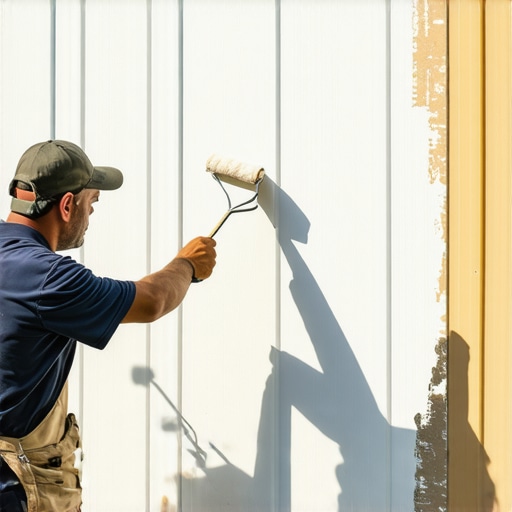
Many homeowners assume that selecting the right color or applying a fresh coat is all it takes to ensure a durable, beautiful paint job. However, the real nuances often go unnoticed, leading to costly mistakes and subpar results. One widespread myth is that thicker coats yield better coverage and longevity. In truth, applying multiple thin layers not only improves adhesion but also minimizes heat buildup—a critical factor in preventing paint failure, especially with darker shades. Overloading paint on your brush or roller can trap heat, cause uneven drying, and promote cracking, which many DIYers overlook. For advanced painters, understanding the chemistry of paints and how they cure under varying environmental conditions is essential. For example, certain high-quality paints incorporate infrared-reflective pigments that help reduce heat absorption, vastly extending their lifespan. This process isn’t just about aesthetics; it’s about engineering. A matching color perfectly or assessing the quality of paint used can make a noticeable difference in the final outcome, especially when blending new paint with existing surfaces.
Another common oversight is neglecting proper surface preparation—skipping steps like cleaning, sanding, or priming. Many assume that paint alone can hide imperfections. But in reality, this ‘cover-up’ approach often leads to peeling, bubbling, or uneven color, which could have been avoided with meticulous prep work. Additionally, choosing the right finish and understanding how light influences color perception is crucial. For instance, low-lustre paints tend to hide surface flaws better and are less susceptible to showing brush marks, providing a more professional look even for novice painters.
Why do some paints last longer in high-traffic areas?
That’s a question that requires a deep dive into paint formulations. High-traffic or moisture-prone areas demand paints with specific properties like increased durability, stain resistance, and elasticity to adapt to expansion and contraction without cracking. Epoxy-based or ceramic-enhanced paints are often overlooked gems in this regard, outperforming traditional options significantly. For example, epoxy coatings are designed to withstand wear and tear far better than standard latex or oil paints. Understanding these nuances helps avoid premature failure, saving time and money in the long run.
Finally, professional painters do more than just apply paint; they master the art of surface preparation, material selection, and environmental control—often with hidden techniques like precise timing or temperature management. An overlooked tactic is timing your painting during lower humidity or cooler parts of the day to ensure optimal curing and adhesion. Ignoring this can cause issues like bubbling or peeling down the line. Interested in elevating your skills? Check out how proper preparation can make or break a paint project. The devil is in the details, and understanding these subtleties can make your house painting project a true professional finish. Have you ever fallen into this trap? Let me know in the comments.
Keeping It Working: Tools & Maintenance for Your Painting Projects
Achieving a stunning, durable paint job isn’t just about choosing the right color or applying a perfect coat. It requires reliable tools and ongoing maintenance to ensure longevity and quality over time. As a professional painter with years of experience, I can’t emphasize enough the importance of investing in high-quality equipment tailored to your specific needs. For example, I always recommend using a variable-speed HVLP spray gun for large exterior surfaces. This tool provides precision control, reduces overspray, and ensures a smooth, even application—saving time and minimizing touch-ups down the line.
Alongside the right tools, regular maintenance of your painting equipment is crucial. Clean your brushes, rollers, and sprayers immediately after each use with the appropriate solvents—water for latex, mineral spirits for oil-based paints. This prevents dried paint buildup, which can compromise the tool’s performance and cause uneven application in future projects. I personally keep a dedicated cleaning station equipped with brushes, rags, and cleaning solutions to streamline this process.
Another essential aspect is tracking your supplies and tools. Using software like digital inventory apps helps prevent unexpected shortages or last-minute runs, especially when working on large projects or maintaining consistency across multiple houses. Having an organized system also makes it easier to identify worn-out equipment that needs replacement before a tool failure causes delays.
How do I maintain my painting tools over time?
Maintaining your tools over time involves more than just cleaning—regularly inspecting them for damage, replacing worn-out brushes or rollers, and storing them properly. For example, storing brushes upright in a barrel prevents deformation of the bristles, preserving their shape for cleaner cuts and smooth finishes. Additionally, applying a thin coat of paint conditioner or protective spray can extend the lifespan of brushes and rollers, keeping them in top condition for multiple projects.
Looking toward the future, advancements in technology are shaping the way we maintain and utilize painting tools. Automated cleaning systems and biodegradable cleaning solutions are gaining popularity, making maintenance more environmentally friendly and efficient. For instance, new eco-friendly detergents can breakdown dried paint residues faster, reducing labor time and chemical waste.
Remember, consistent upkeep of your tools ensures professional results and reduces costs over time. For broader insights on maintaining high standards, check out this guide on proper preparation and tool care. Now, I challenge you to try out a variable-speed spray gun on your next project—experience the difference it makes in achieving an even, flawless finish.
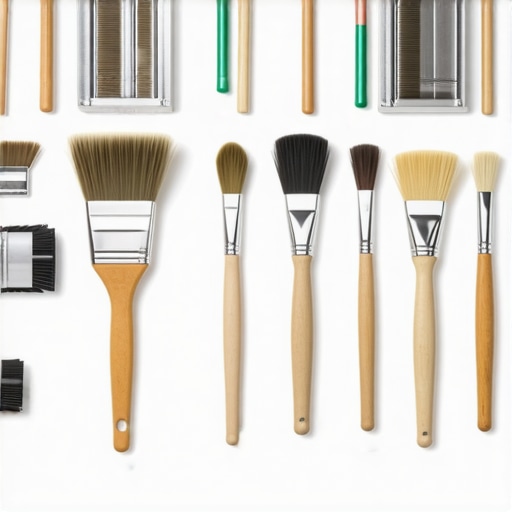
When it comes to long-term results in house painting, investing in the right tools and keeping them in tip-top shape is essential. From high-quality sprayers to routine maintenance, each step plays a role in delivering professional-grade results that stand the test of time. Remember, well-maintained tools not only help you work faster but also improve the quality of your finish—saving you time and money in the long run. Don’t overlook this critical aspect of your painting process; the payoff is a durable, beautiful exterior that resists weather, fading, and wear.
The Hardest Lesson I Learned About House Painting
One of my most impactful realizations was that perfecting weather conditions and surface prep surpasses even choosing the best paint. Waiting for the ideal temperature and ensuring surfaces are impeccably clean prevented so many issues I faced early on. This taught me patience and attention to detail, which are worth more than any fancy tool or pigment.
Tools That Changed My Approach to Local Painting
Investing in a quality variable-speed sprayer and maintaining it has been a game changer. Reliable equipment streamlines the process, results in a smoother finish, and reduces frustration. For those serious about elevating their craft, I recommend matching paints and mastering tool maintenance to ensure longevity and top performance.
Painting Isn’t Just About the Finish—It’s About Passion
Taking pride in my work and understanding that each stroke impacts the home’s personality keeps me inspired. Remember, the best painters are also learners who embrace challenges. Your next project is an opportunity to hone your skills, grow confidence, and create artwork that lasts for years. Why not start today and trust that your dedication will reflect in every detail? Share your experiences below: Have you ever struggled with a specific step in house painting? Let’s discuss and grow together.