
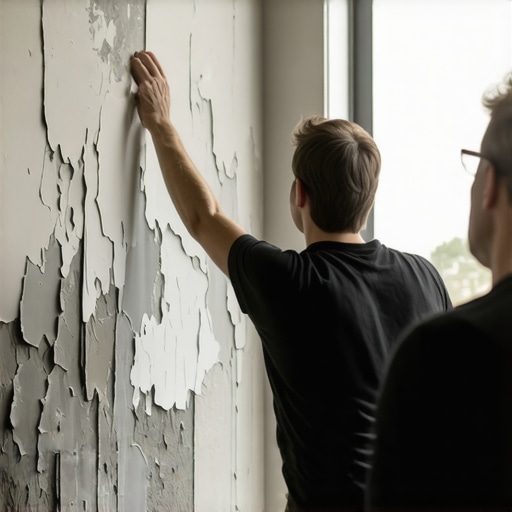
I still remember the moment I realized I had trusted the wrong painter—my walls were streaked, uneven, and weeks behind schedule. It was like watching my home turn into a DIY nightmare, and I felt a sinking doubt: had I overlooked the warning signs? That lightbulb moment changed everything. If you’re considering hiring a local painter, you’ll want to avoid that sinking feeling—and that’s exactly what we’re here to do today.
Why Spotting Red Flags Can Save You Time, Money, and Frustration
Often, homeowners don’t realize they’re running into trouble until the project is half-done, or worse, completely mismanaged. A shoddy job can cost hundreds, even thousands, to fix later, not to mention the emotional toll of a prolonged mess. Fortunately, knowing what to watch out for lets you act early—whether that’s addressing concerns directly or choosing a different contractor altogether. Trust me, the difference between a smooth, successful paint job and a disaster often comes down to recognizing red flags early on.
Is Falling for the Hype Actually Worth It?
One mistake I made was relying solely on a slick website and empty promises instead of digging deeper. I quickly learned that flashy ads don’t guarantee quality. According to a recent industry report, nearly 30% of painting projects face issues due to misleading quotes or contractors cutting corners—a surprising but stark reminder to vet thoroughly (source). So, if you’ve ever felt unsure about your contractor’s professionalism or suspected they might not be fully honest, you’re not alone. Recognizing these warning signs can help you avoid costly regrets and ensure your home gets the treatment it deserves.
Assess Their Preparation and Materials
Begin by asking the contractor about the quality of paints and supplies they plan to use. A reputable painter prioritizes high-quality materials for durability and finish. I learned this firsthand when I noticed a contractor using generic paint for my exterior, which led to peeling within a year. To avoid this, consult their product list and verify if they align with industry standards. For instance, check if they are familiar with effective exterior painting strategies that ensure lasting results.
Scrutinize Their Work Schedule
Next, inquire about their timeline and how they structure their workday. A professional sets clear, achievable deadlines and communicates daily progress. When I hired my painter, I requested a detailed schedule, which helped me spot potential delays early. Remember, a swift project doesn’t mean rushing; it means efficient planning. Use tactics from top local painting tips to gauge their efficiency.
Verify Their Experience and References
Always ask for references of past clients, especially those with similar projects. Call them to learn about their satisfaction level and any issues faced. During my own project, I contacted previous clients recommended by the painter and received insights that saved me from potential pitfalls. Don’t just rely on testimonials; ask specific questions about the quality, timing, and professionalism. For detailed questions, check out top questions to ask local painters.
Assess Their Communication and Transparency
The ability to communicate clearly and honestly is a hallmark of trustworthy contractors. During my initial consultations, I noted how promptly and transparently they responded to my queries. Avoid contractors who dodge questions or give vague answers. A transparent approach includes providing written estimates, explains the scope, and detailing the sequence of work. Explore techniques in tips for negotiating and communicating.
Inspect Their Licensing and Insurance
Finally, verify their credentials. Legitimate local painters should have valid licenses and insurance certificates. I personally requested copies and checked their validity through local regulatory websites, preventing potential liabilities. This step is crucial to ensure you’re protected from accidents or subpar work. Use guidance from spotting fake licenses for additional safety measures.
Many homeowners assume that choosing the cheapest paint or the first contractor they find guarantees a successful project. However, on a deeper level, there are nuanced factors that most overlook, which can significantly impact the longevity and appearance of your paint job. For instance, experts emphasize that environmental conditions, proper surface preparation, and understanding paint chemistry are crucial for durability. One common myth is that all paints are created equal—this couldn’t be further from the truth. High-quality paints contain specialized pigments and binders that resist peeling and fading, especially in harsh weather, a detail highlighted in industry studies. Moreover, a frequent mistake is underestimating the importance of surface preparation. Skipping steps like power washing or sanding can lead to premature failure, regardless of paint quality. Advanced homeowners know to ask their contractors about surface assessments and prep techniques, aligning with strategies discussed at top strategies for fast house results. Another overlooked nuance is understanding the layered nature of paint applications—multiple thin coats, dry times, and proper priming make a big difference in the final outcome. Many fall into the trap of rushing these steps, which leads to streaks or peeling within months. Additionally, there’s an advanced misconception that premium paints always mean higher costs; but selecting the right type for your specific environment and project scope often yields better value, as explained in effective exterior house painting strategies. Recognizing these subtleties ensures you’re investing wisely and securing enduring results. Have you ever fallen into this trap? Let me know in the comments.Achieving long-term results in house painting requires not just skill but also the right tools and maintenance routines. One of the most invaluable pieces of equipment I rely on is a high-quality **airless paint sprayer**. Unlike traditional brushes or rollers, an airless sprayer like the Wagner Control Pro allows for a smooth, even coat on large surfaces, significantly reducing application time and ensuring consistent texture. I personally prefer models with adjustable pressure settings, which help prevent overspray and paint buildup, and I always keep extra nozzles on hand for different surfaces. For surface preparation and cleanup, a **variable-speed cordless orbital sander** is my go-to. It makes sanding large areas effortless and minimizes dust, saving time and improving paint adhesion. Maintaining these tools with proper cleaning routines after each use prolongs their lifespan; for example, I use a biodegradable solvent to clear out residual paint and lubricate moving parts, ensuring optimal performance for future projects. Looking ahead, I predict that advancements in **smart painting tools**, such as app-controlled sprayers and sensors that monitor spray quality, will become standard. These innovations promise to make large-scale projects more predictable and efficient.
How do I maintain tools like a pro over the years?
Regular inspections are crucial—check for wear on spray nozzles, change filters routinely, and keep batteries charged and stored properly. Additionally, creating a cleaning schedule after each project prevents buildup that can affect performance. As I’ve learned from industry experts, consistent maintenance reduces long-term costs and preserves the quality of your work. I recommend scheduling quarterly checks, especially if you outsource parts of your projects or have multiple tools in rotation. Adopting these practices not only extends the lifespan of your equipment but also ensures that your finish remains flawless, no matter the scale. For more in-depth advice, exploring effective exterior house painting strategies can help you refine your process.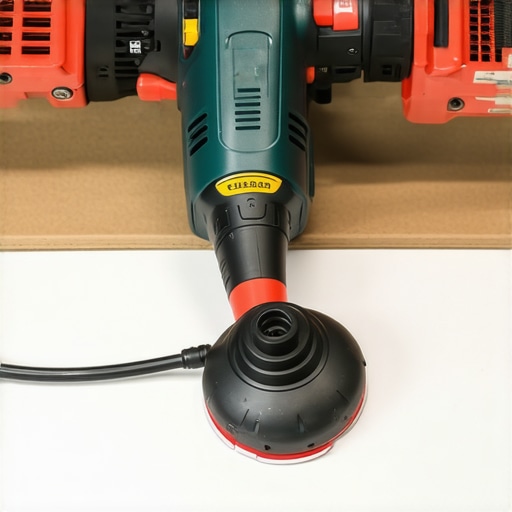
Investing in reliable, well-maintained tools is a cornerstone of scalable house painting. Whether you’re tackling a small touch-up or an entire exterior, the right equipment combined with diligent upkeep ensures your results last for years. Don’t forget—superior tools are only part of the equation; proper technique and consistent maintenance are what will truly keep your projects lasting and scalable over time. If you’re ready to elevate your toolkit, start by trying out a premium airless sprayer and establish a regular cleaning routine. Your future DIY self will thank you.
What I Wish I Knew Before Picking Up a Brush
One of the biggest lightbulb moments was realizing that surface preparation isn’t just a preliminary step—it’s the foundation of a lasting paint job. Skimping here costs much more in the long run. Trust me, proper sanding and cleaning are worth every minute.
Another lesson learned has been about paint quality. It’s tempting to save a few bucks on cheaper materials, but high-quality paints withstand weather and time far better, saving you frustration and money. Dive into effective exterior painting strategies to understand what makes premium paints worth the investment.
I’ve also discovered that clear communication and setting realistic deadlines are non-negotiables. Rushing a project leads to streaks, uneven coverage, and unhappy results. Use tools like top local painting tips to streamline workflows and keep everyone on the same page.
Lastly, never underestimate the power of diligent tool maintenance. Regular cleaning, inspection, and proper storage extend your tools’ lifespan and ensure flawless finishes each time. Check out house painting speed tips for more expert advice on keeping your equipment in top shape.