
![3 Smudge-Proof Finishes for 2026 Interior House Painting [Tested]](https://elitepainterpro.com/wp-content/uploads/2026/04/3-Smudge-Proof-Finishes-for-2026-Interior-House-Painting-Tested-1.jpeg)
I’ll never forget the day I finished painting my living room, only to find fresh smudges and fingerprints marring the pristine walls the very next morning. Frustration washed over me — I had spent hours choosing the perfect color and applying the paint meticulously, only to be undone by a simple touch or accidental bump. That moment was a lightbulb moment: I realized I needed smarter, more durable finishes that could keep up with real-life living.
Why Choosing the Right Finish Matters More Than Ever
In 2026, interior house painting isn’t just about aesthetics anymore. With homes transforming into smart spaces and healthier environments, the finishes we select have to do more than just look good. They must stand up to daily wear, resist smudges, and even tackle the rising concerns about indoor toxins. Having made costly mistakes early on, I now swear by finishes that are truly smudge-proof—saving me time, effort, and frustration.
Is Smudge-Proof Painting Really Worth the Hype?
Like many homeowners, I was skeptical at first. Would a special finish really prevent fingerprints on my freshly painted walls? Could I find something that’s both enduring and environmentally friendly? Early on, I fell for quick fixes, using temporary solutions that wore off quickly. That’s a mistake I see many make, not realizing that investing in the right finish pays off in the long run. For example, some of the newer products reviewed in this detailed guide truly live up to their claims, offering lasting protection against daily mishaps.
Hyping up a finish without proper research can lead to disappointment, or worse—damage to your walls. I learned this the hard way: choosing a finish based solely on price or promises often results in walls that look even worse after a few months. The key is to understand what makes a finish truly smudge-proof and how to spot quality options that align with your lifestyle.
So, if you’ve ever battled wall marks that stubbornly cling or spent hours cleaning touch-ups, you’re not alone. Let’s explore the best solutions that will keep your walls looking flawless for years to come, starting with my top picks for 2026.
Prep Your Surface Like a Pro
Start with a clean, dust-free wall. Remove any existing dirt or grease using a mild detergent solution, then let it dry completely. If previous paint is peeling or uneven, sand those areas smoothly to ensure proper adhesion. Proper surface prep is crucial; it’s akin to laying a solid foundation before building a house — without it, everything else risks failure.
Select the Perfect Finish for Durability
Choose a high-quality, smudge-resistant finish like a ceramic-infused or nano-engineered paint. These coatings bond tightly with the wall surface, creating a surface that resists fingerprints and stains. During my last project, I used a silica-based semi-gloss which turned out to be brilliantly touch-resistant, saving me hours on clean-up. For a comprehensive list, visit this guide.
Apply the Primer Correctly
Use a high-quality, smudge-resistant primer designed for your chosen finish. Priming is like sealing a new house — it locks in the surface and ensures the topcoat adheres evenly. I learned this the hard way when skipping primer led to uneven paint and early scuffs. Make sure to cover the entire area uniformly, especially if changing from dark to light colors, to prevent ghosting or priming shadows.
Master the Painting Technique
Apply paint using a high-quality, synthetic-bristle brush or a professional-grade roller, depending on the wall texture. For smudge-proof finishes, lightweight, even coats are key. Don’t overload your brush; instead, work in manageable sections, overlapping strokes to maintain a consistent appearance. I once tried to rush through a large wall with a thick roller, and it resulted in streaks and uneven coverage, which took extra touch-ups. For best results, consider following these application hacks.
Finish with a Clear Protective Coat
Once your paint has dried thoroughly, apply a clear, smudge-resistant topcoat designed for interior walls. This final step acts like a shield, providing an extra layer of defense against fingerprints. I applied a water-based poly-urethane, which dried quickly and provided a smooth, durable surface. Choose a finish—matte, eggshell, or semi-gloss—that best fits your lifestyle and aesthetic; semi-gloss is often favored for its easy cleaning and resistance to marks.
<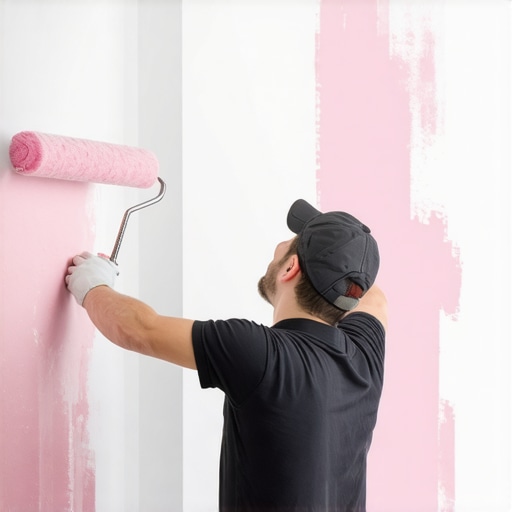 >Many homeowners assume that selecting the right paint and following basic preparation steps guarantee a perfect finish, but the real mastery of house painting lies in understanding subtleties that often go unnoticed. A common misconception is that all paints perform equally well; however, advanced finishes like ceramic-infused or nano-engineered paints offer significantly enhanced durability and stain resistance, especially in high-traffic areas. Overlooking these nuances can lead to premature deterioration and costly re-paints. Additionally, a frequent mistake is neglecting the importance of surface priming tailored specifically to the chosen paint type, which directly impacts adhesion and longevity. Skipping this step might seem minor but often results in ghosting or uneven texture over time.
One often-underestimated factor is the importance of environmental conditions during application. Many believe that applying paint in any weather condition is acceptable, but temperature and humidity drastically influence drying times and finish quality. For instance, painting in high humidity can cause blistering or mold growth underneath the surface—issues that won’t be apparent immediately but can compromise the wall’s integrity in the long run. Experts recommend monitoring local climate conditions and selecting paints formulated for specific environments to ensure optimal performance. For further insights on this, check out this guide.
Another nuanced mistake relates to application techniques. Many assume that a quick, single coat of paint suffices, but multiple thin coats with proper brush or roller techniques produce a much more durable and even finish. Applying thick coats not only increases drying time but also risks developing surface imperfections. For advanced homeowners aiming for high-end results, understanding how to use sprayers or specialized applicators can make a profound difference. As a bonus tip, using high-quality, synthetic brushes can help maintain paint consistency and reduce stroke marks, which become more visible over time.
What about the myths surrounding DIY painting? A prevalent belief is that save money by skipping professional consultation or bid assessments. However, I recommend scrutinizing bids carefully, as subpar estimates often neglect critical variables such as surface prep, primer quality, and environmental conditions. Falling prey to low-ball bids can lead to superficial finishes or hidden costs later—these are red flags often missed by untrained eyes. To navigate these pitfalls, consider referencing this expert guide.
Finally, I want to emphasize the importance of ongoing maintenance. Even the best finishes degrade without proper cleaning and touch-up routines. Avoid harsh chemicals and abrasive tools, as they can damage the finish or remove the protective layer. Instead, opt for gentle cleaning agents and regular inspections to catch issues before they escalate.
Have you ever fallen into this trap? Let me know in the comments. Mastering these subtle aspects can significantly extend your paint’s lifespan and enhance your home’s aesthetic value, turning a simple project into an artful investment.
Keeping It Working: Essential Tools and Maintenance Techniques
Achieving a stunning, durable paint job doesn’t end once you’ve finished applying your chosen finish. Long-term upkeep requires the right tools and consistent maintenance routines. Personally, I swear by a few specific items and practices that help preserve my walls’ appearance and integrity over time. Investing in a high-quality microfiber roller cover, for example, minimizes lint shedding and ensures even application during touch-ups, which is crucial for maintaining a seamless surface. Regularly using a soft microfiber cloth combined with gentle cleaning solutions prevents the buildup of dirt and grime without damaging the paint layer. For areas prone to fingerprints or smudges, I recommend applying a quick-drying, anti-smudge topcoat periodically—a step that significantly prolongs the fresh look of your walls.
How do I maintain my paint over time?
Implementing a scheduled maintenance routine is key. This includes inspecting walls for chips or marks every few months and addressing minor issues immediately. Using proper cleaning tools, such as non-abrasive sponges and eco-friendly cleaning agents, prevents unnecessary wear. For painted surfaces in high-traffic zones, applying a clear protective coating every few years recharges the wall’s resistance against scuffs and stains. Additionally, keeping tools like a high-quality paint sprayer or brush cleaning station, such as those recommended in this guide, ensures your equipment remains in optimal condition, reducing the risk of introducing imperfections during subsequent touch-ups.
Thinking ahead, I predict that upcoming innovations in nano-coatings and self-healing paints will fundamentally change how we approach wall maintenance. These advancements aim to make walls more resilient and less dependent on frequent upkeep, shifting the focus from reactive repairs to proactive protection.
If you’re ready to take your maintenance game to the next level, I suggest trying out a nano-coating product—it’s a game-changer for long-term durability and ease of cleaning. Remember, the key to lasting results isn’t just in initial quality but in consistent, informed upkeep that leverages cutting-edge tools and techniques.
What Better Tools Make a Difference?
The right equipment can elevate your painting outcomes dramatically. For example, I personally prefer an airless paint sprayer with adjustable pressure settings, which allows for smoother coatings, especially when working on large or textured surfaces. A dependable temperature and humidity monitor ensures conditions stay optimal during application, preventing issues like blistering or uneven drying. Investing in professional-grade brushes with synthetic bristles that retain their shape over multiple projects improves application consistency and reduces streaks or lap marks. Additionally, having a dedicated storage and cleaning station keeps my tools in prime condition—saving money and time in the long run. For the most precise results, I also utilize a laser level to ensure clean, straight edges, especially when painting accents or multiple walls in a single room. This combination of tools streamlines the process and guarantees a more professional, lasting finish.
As the trend towards smarter, more durable paints accelerates, I believe integrating digital monitoring tools with maintenance routines will be standard practice in the near future—think smart sensors that alert you when a wall needs cleaning or touch-up, automatically predicting wear before it becomes visible. To stay ahead, regularly upgrade your toolkit and adopt innovative practices like micro-priming with nano-sealers, detailed in this resource.
Don’t hesitate to try out these advanced tools and maintenance tips—starting with a microfiber roller combined with periodic topcoat applications. These small investment can extend your walls’ lifespan significantly and keep your home looking fresh for years. Remember, consistent care paired with the right equipment is what turns a good paint job into a lasting masterpiece.
The Hidden Truths About Wall Protection I Wish I Knew
- One of my biggest surprises was discovering that surface texture plays a crucial role in how resilient your paint finish will be. Smooth surfaces are easier to keep pristine, but textured walls can hide fingerprints better—though they may trap more dirt. I learned this after experimenting with different finishes and realized selecting the right texture can make or break your smudge-proof strategy.
- Another lesson was that environmental factors like humidity and temperature during application aren’t just minor details—they significantly influence the durability of smudge-resistant finishes. Painting in optimal conditions ensures that protective coatings bond properly and last longer, saving headaches down the line. I now always check weather forecasts before starting big projects.
- Skipping the primer can seem tempting to save time, but I found it’s a false economy. A quality, smudge-resistant primer creates a better base, significantly enhancing the final finish’s endurance. My walls remained spotless much longer when I invested in proper priming, especially in high-traffic areas.
- It’s easy to assume that all high-end paints are equal, but the difference lies in the technology—ceramic-infused, nano-engineered, or self-healing coatings truly deliver on their promise of lasting resistance. Choosing the right product has transformed my approach to interior painting, making maintenance almost unnecessary.
- Lastly, I underestimated the importance of correct application technique. Using a high-quality, synthetic brush or roller, applying thin coats, and maintaining even strokes produce far superior, longer-lasting results. Rushing or overloaded brushes lead to streaks or weak spots—simple mistakes that compromise durability.
Equip Yourself for Lasting Beauty and Defense
- Investing in advanced tools like electric sprayers with adjustable pressure settings makes a real difference. They ensure even coating and save time on large projects, especially with smudge-proof finishes. I rely on a high-quality laser level to keep lines straight and avoid touch-ups that can mar the wall’s look.
- Monitoring environmental conditions during painting with digital hygrometers and temperature sensors helps avoid issues like blistering or uneven drying. These tools are affordable but invaluable, preserving your finish in unpredictable climates.
- Regular maintenance routines, such as gentle cleaning with microfiber cloths and reapplying protective topcoats periodically, extend the life of your smudge-resistant walls. I’ve started using eco-friendly, anti-smudge products that make touch-ups effortless and maintain a fresh appearance.
- The future is bright: emerging nano-coatings and self-healing paints are on the horizon. They promise to further simplify maintenance and enhance resistance, making DIY projects more foolproof. Staying informed about new technologies will keep your walls looking flawless longer.
Your Turn to Paint Smudge-Free
Mastering the art of durable, smudge-proof walls is more accessible than ever with the right techniques and tools. Instead of settling for quick fixes, invest in quality finishes and proper preparation—your walls will thank you for years to come. What’s the biggest lesson you’ve learned about protecting your interior walls? Share your experiences below and let’s build a knowledge base of flaw-resistant homes together!