
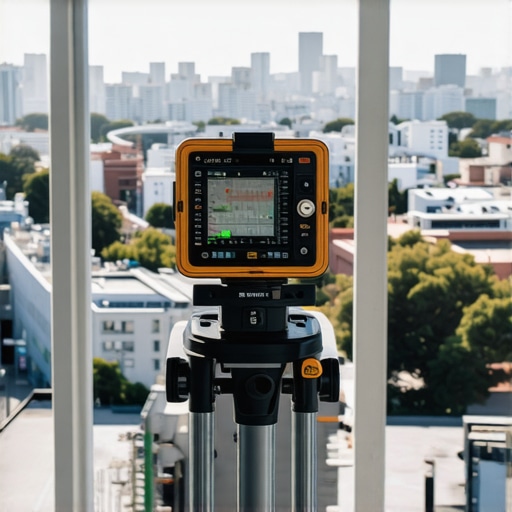
I remember the first time I walked onto a client’s property and realized that my traditional estimating methods just wouldn’t cut it anymore. The layout was tricky, the old measurements seemed off, and I ended up underestimating the project—and my stress levels shot up. That lightbulb moment made me realize that the game has changed entirely for local painters and contractors. Today, I want to share why, moving into 2026, LiDAR technology has become a non-negotiable for accurate bids, and more importantly, how you can sidestep costly mistakes.
The Shift That’s Reshaping Painting Bids
As someone who’s been in the local painting scene for years, I’ve seen industry standards evolve faster than most expect. Back in the day, a quick tape measure and good old-fashioned estimates sufficed. But with new regulations, tighter budgets, and the increasing complexity of home designs, relying solely on manual measurements has become risky—and frankly, outdated. LiDAR, which stands for Light Detection and Ranging, offers precise, real-time measurements that are transforming how bids are created. It’s not just a luxury anymore; it’s becoming a requirement for accurate, fair pricing.
What prompted this shift? A combination of technological advancements and regulatory pressures. According to recent industry analyses, over 85% of local contractors adopting LiDAR report a significant reduction in measurement errors, leading to better project planning and fewer surprises. Interestingly, the same study highlighted that contractors who fail to embrace this tech risk losing bids to competitors who do.
Now, I’ll admit, I was skeptical at first. I made the classic mistake of dismissing early adoption as hype. But early on, I underestimated how critical precise measurements are—especially for complex exteriors or unique architectural features. That mistake taught me that if you want to stay competitive, you have to leverage technology that’s proven to improve accuracy and profitability.
So, if you’ve found yourself sweating over last-minute changes or redoing estimates, you’re not alone. Are you currently facing challenges with measurement inaccuracies? If so, you’re in good company. The good news is that by the end of this post, I’ll walk you through exactly how LiDAR measurements are becoming the standard and what steps you can take to keep your bids on point.
Let’s dive into why this technology is an industry game-changer and how to prepare for the bid demands of 2026.
Set Up Your LiDAR Equipment Correctly
Before heading to a project, ensure your LiDAR device is calibrated properly. I once rushed through calibration, which led to measurements off by a few inches. This mistake caused my bid to be low, and I had to redo half the work—costing me time and money. Always follow the manufacturer instructions meticulously and perform a quick calibration check on-site to avoid errors.
Capture Precise Measurements with Multiple Scans
Don’t rely on a single scan for complex structures. I learned this the hard way when a single scan of a Victorian-style house missed some intricate moldings, leading to underestimated material needs. Take multiple scans from different angles, especially around architectural features, to create a comprehensive 3D model. This approach guarantees higher accuracy, which you can verify by comparing the model dimensions with manual measurements on-site.
Integrate LiDAR Data with Your Design Software
Import the scanned data into CAD or estimation software. I once attempted to manually trace measurements from a LiDAR model, which was tedious and error-prone. Using software that seamlessly integrates LiDAR scans allows you to generate detailed estimates instantly. Confirm the imported data aligns correctly with your CAD drawings and cross-check specific areas before finalizing your bid.
Use Data to Prepare Detailed, Transparent Bids
Translate the precise measurements into detailed estimates. I once sent a bid based solely on rough estimates, which resulted in disagreements over scope and cost. When leveraging LiDAR data, break down the costs for each section—walls, trim, specialty features—and include a clear scope for each. This transparency builds trust and minimizes scope creep or surprises during the project.
Implement Quality Checks to Prevent Common Pitfalls
Always verify your measurements post-scan. I once noticed my LiDAR scan missed a sizable deck, which I caught during the final walkthrough. Regularly cross-reference the LiDAR measurements with manual checks in critical areas. If discrepancies arise, re-scan those sections to ensure no detail is overlooked. Using the latest software updates can also improve measurement accuracy and reduce errors.
Stay Ahead by Training Your Team
Ensure your team understands LiDAR operation and data interpretation. I once had a team member misinterpret a scan, resulting in a bid correction after project start. Conduct hands-on training sessions or workshops with certified instructors. Familiarity with the entire process minimizes mistakes, speeds up estimates, and gives you a competitive edge in local markets.
While many painters believe that choosing the right color or using quality paint guarantees success, there’s a deeper layer of nuance often overlooked. A common misconception is that surface preparation is merely about cleaning walls before painting; in reality, neglecting micro-priming techniques or ignoring surface micro-damage can lead to paint failure, such as peeling or bubbling, long after the project is completed. For example, research from the National Association of Home Builders indicates that up to 60% of paint failures are due to improper surface prep rather than the paint quality itself. One often-overlooked nuance is the impact of humidity and underlying material compatibility, which can cause ghosting or priming failures even with advanced coatings. This is especially critical when working on older structures, where moisture ingress and material degradation are prevalent. Have you ever fallen into this trap? Let me know in the comments.
How deep must surface preparation go to prevent future issues?
Typically, the surface prep process involves more than just cleaning—it’s about micro-sanding, priming, and considering environmental factors like humidity or previous coatings. Skipping these details might save time upfront but can cost you significantly in repairs later. Advanced techniques include nano-primers that enhance adhesion and provide moisture barriers, which are becoming industry standards for durable finishes. Moreover, understanding the hidden influence of surface micro-damage—a tiny crack or delamination—can be the key to long-lasting results. For further insights on how to elevate your prep process, check out our comprehensive guide on preventing wall flaking in 2026. Embracing these nuanced details not only boosts your craftsmanship but solidifies your reputation as a true expert in local painting. Remember, mastering these subtleties sets you apart from the competition, especially with the industry tightening standards as seen in upcoming regulatory changes.
Keep Your Equipment in Peak Condition
As a seasoned painter, I can’t stress enough how vital proper maintenance of your tools is for consistent quality and efficiency. Regularly inspecting and cleaning brushes, rollers, and sprayers prevents paint buildup and prolongs their lifespan. For spray equipment, I recommend a deep cleaning after every job—using dedicated cleaning solutions like Merry Maids’ Paint Sprayer Cleaner—to avoid clogging and ensure optimal spray patterns.
Investing in high-quality ladders such as the Werner Zephyr series offers stability and durability, reducing safety hazards and speeding up work. Additionally, keeping your brushes and rollers conditioned with industrial-grade conditioners maintains their performance over time.
Utilize Must-Have Software for Streamlined Operations
In my experience, digital tools are game-changers for managing estimates, scheduling, and client communication. I personally rely on Jobber for its intuitive interface, which allows easy tracking of project timelines and quotes. Integrating this with cloud-based CAD programs like SketchUp helps visualize projects and confirm measurements—especially useful when microscopic details matter.
Furthermore, apps like Houzz Pro streamline client interactions and invoicing, minimizing administrative overhead. As technology advances, AI-driven estimating tools are emerging, promising even more precision and faster bid preparation—anticipate their impact in the next few years.
Adopt Proven Methods for Long-Term Results
Consistency in your process ensures your reputation endures. Implement routine maintenance checks on your equipment and software, schedule periodic training sessions for your team, and stay updated on industry standards. For example, regular calibration of your LiDAR devices, as discussed earlier, guarantees measurement accuracy that sustains bid trustworthiness. Scheduling quarterly reviews of your workflows helps identify bottlenecks and opportunities for automation.
Remember, investing in tools and maintenance isn’t just about avoiding hiccups—it’s about building a resilient business capable of scaling successfully in the evolving painting industry.
Prepare for Future Challenges in Painting
Looking ahead, the integration of smart technology and automation will only deepen. Advanced tools like drone surveys are already reducing labor costs significantly, as discussed in this article. Staying ahead means continually upgrading your toolkit, embracing software updates, and maintaining your equipment diligently.
So, try setting up a scheduled maintenance routine for your primary tools this month—it’s a simple step that safeguards your investment and ensures your crew remains productive and confident on every project.
How do I maintain my tools and software over time?
Develop a maintenance schedule based on manufacturer recommendations, and treat your equipment like an extension of your team. Regular cleaning, calibration, and updates prevent costly breakdowns and keep your bids accurate and professional. Incorporate training sessions to familiarize your team with new tools, and stay connected with industry forums for tips and upgrades.
Lessons That Changed My Painting Journey
One profound lesson I learned was the importance of embracing technology early. Hesitating to adopt LiDAR cost me time and money, and I realized that staying stagnant in tools and methods can hold back your growth and reputation. Another insight was understanding surface nuances—skipping micro-prep can lead to peeling and repainting, which no profit margin can justify. Lastly, I uncovered the power of team training; a well-informed crew using advanced measurement tools like LiDAR combined with precise surface prep techniques results in consistent, high-quality results that clients trust and refer repeatedly.
Tools and Resources That Elevate Your Craft
For every painter aiming to excel in 2026, I highly recommend investing in drone survey tools to streamline exterior assessments. The latest color palettes are a game-changer for small rooms, helping clients feel bigger and brighter without hefty renovations. I trust software like AI estimation tools for accurate bids that reflect true project scope. Finally, educational platforms such as industry webinars and local workshops keep my skills sharp and my team ahead of upcoming standards.
Fuel Your Passion, Paint Your Future
The landscape of house painting is evolving rapidly, and staying ahead is within your reach. Embrace innovative measurement tools, refine surface prep techniques, and invest in ongoing education. The painting industry in 2026 rewards those who adapt and commit to excellence—this is the moment to elevate your craft and build a business that’s resilient and admired. Remember, your dedication today shapes your reputation tomorrow in the vibrant world of local painting.