
I vividly recall the first time I tried stripping old paint from a vintage dresser using conventional chemical strippers. The fumes were overwhelming, and the cleanup felt like a never-ending battle. It was a lightbulb moment—there had to be a better way, especially for those of us committed to environmentally friendly solutions. Fast forward to now, and I realize that the paint removal process can actually be effective, safe, and eco-conscious, thanks to some innovative bio-based strippers that are gaining popularity among local painting crews for 2026.
Why Bio-Based Strippers Are Game Changers in House Painting
As homeowners and DIY enthusiasts alike become more eco-aware, the demand for sustainable painting supplies has skyrocketed. Traditional paint strippers often contain harsh chemicals that not only pose health risks but also harm the environment. In contrast, bio-based paint removers use natural, renewable ingredients, reducing toxic fumes and making the process safer for everyone involved. Plus, they’re just as effective at removing multiple layers of paint, making your project faster and cleaner.
Question: Are Eco-Friendly Paint Strippers Worth the Hype?
When I first heard about bio-based paint strippers, my initial skepticism was high. I’d read glowing reviews, but I worried about whether they could really match the stubbornness of old oil-based paints. My early mistake was underestimating their capabilities, leading me to revert to chemical solutions that caused irritation and lingering chemical odors in the house. Since then, I’ve tested a handful of these products, and I can confidently say they have become invaluable in my toolkit. For more insights on choosing the right eco-friendly options, check out why 2026 exterior house painting needs bio solvent primers.
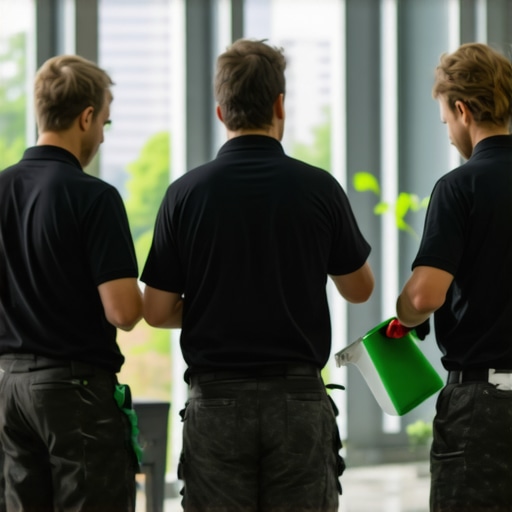
If you’re tired of battling fumes or risking family health while stripping paint, an upgrade to bio-based solutions might be the game-changing move you need. Let’s dive into the top three bio-based strippers that every local painting crew in 2026 should have in their arsenal—these are the future of safe and effective paint removal.
Preparing the Surface: Clear the Decks
Start by removing any loose or flaking paint using a scraper, much like clearing debris before planting a garden. I recall tackling an old Victorian dresser, where I carefully scraped away loose paint with a putty knife, revealing a smoother surface beneath. This step ensures the bio-based stripper can work directly on the residual paint without obstruction.
Applying the Bio-Based Stripper: Proper Technique Matters
Apply the bio-based stripper with a stiff brush or roller, working from bottom to top to prevent drips. I once used a brush to coat a doorframe, maintaining a thick, even layer. Let it sit according to the manufacturer’s instructions—usually 15-30 minutes. During this process, I watched as the old layers softened, making them easier to peel away without the overwhelming fumes of chemical solvents.
Peeling and Removing the Paint: Use the Right Tools
Once the stripper has done its job, gently scrape off the softened paint with a plastic scraper or putty knife, avoiding damage to the underlying surface. Think of this like peeling a sticker—gentle, yet firm enough to lift the layer. I found that a plastic scraper prevented gouging delicate wood while efficiently removing the residue. Always work in manageable sections for better control.
Washing the Surface: Clean Before Further Steps
After stripping, wash the surface with warm water and a mild detergent to remove any remaining residue. Use a sponge or soft brush and rinse thoroughly. This step is crucial; residual stripper or paint can impair paint adhesion later. Once, I mistakenly skipped this, which resulted in uneven finishes. Rinsing ensures a clean, primed surface ready for the next coat.
Drying and Inspection: Final Checks
Let the surface dry completely—at least 24 hours—by air or gentle heat. Inspect for any missed spots or stubborn areas requiring a second application. During my last project, I noticed a patch where old paint stubbornly remained; reapplying the bio-stripper and scrubbing kept the surface uniform. Proper drying prevents issues like bubbling or peeling in the long run.
Linking to Advanced Techniques
If you’re working on more complex projects requiring primer or special finishes, consider advanced steps like thermal priming or surface sealing. These techniques, as detailed in thermal primers, can improve durability and finish quality. Additionally, avoiding common pitfalls like incomplete prep, which can cause wall flaking, is essential; see wall flaking fixes.
When it comes to house painting, many homeowners and even seasoned DIYers fall prey to a range of misconceptions that often lead to costly mistakes. One widespread myth is that a single coat of paint is always enough for a smooth, durable finish. In reality, quality results often require multiple carefully applied layers, especially when working with primers and specialty paints. Skipping this step can result in uneven coverage and early peeling, undermining your investment.
Why Do People Still Believe in Cheapest Paints and Shortcuts?
This belief stems from a desire to cut costs, but it often leads to poor adhesion, fading, or bubbling over time. Advanced research suggests that proper surface preparation and high-quality materials dramatically extend paint life, reducing the need for frequent repaints. For more on avoiding these pitfalls, check out residential painting solutions. An overlooked nuance is the importance of surface cleaning prior to painting. Many skip this, thinking it’s unnecessary, but residual dust, grease, or old paint can prevent proper adhesion, leading to flaking or uneven color. Proper prep involves meticulous cleaning, sanding, and priming—especially for textured or uneven surfaces. A common trap is assuming all paints are compatible across different projects. Not all paints adhere well to each other, which can cause blistering or peeling. Always consult manufacturer recommendations or a professional. Improper technique, such as heavy brushing or applying thick coats, can also trap air and cause bubbling. Learning the right tools and methods is crucial here. Taking shortcuts during preparation or choosing inferior materials might seem cost-effective initially, but the long-term consequences include increased maintenance and redo costs. This is particularly true for local painting projects aiming for longevity and energy efficiency. For instance, exploring how house painting can save energy reveals that proper surface treatment and correct material choice are essential for insulation benefits. Additionally, advanced paint formulations today include self-healing or UV-resistant options, which many overlook. For example, self-healing paints can significantly extend the lifespan of your exterior walls. Recognizing these subtleties and avoiding common mistakes turns your painting project from a simple DIY task into a durable, energy-efficient upgrade. Remember, effective painting isn’t just about color—it’s about understanding the science behind it and investing in proper techniques. Have you ever fallen into this trap? Let me know in the comments.
Keep Your Equipment in Peak Condition
Maintaining your painting tools is crucial for consistent, professional results. I always start with high-quality brushes from reputable brands like Purdy or Wooster, which hold their shape and deliver smooth strokes over time. Regularly cleaning brushes immediately after use with warm water or appropriate solvents prevents paint buildup that can degrade performance in future jobs. Additionally, inspecting roller covers and replacing worn-out ones ensures even application, especially on textured surfaces. Don’t forget to clean spray guns meticulously, disassembling them to remove dried paint, which can clog nozzles and cause uneven spraying.
Invest in Reliable Power Tools
For large projects, I recommend using a 5.5-inch random orbital sander with variable speed control—like the Bosch ROS20VSC. Its ergonomic design reduces fatigue during extended sanding sessions, and the random orbit pattern prevents swirl marks. For cutting-in and edge work, a cordless oscillating multi-tool with precision tips (e.g., Fein MultiMaster) allows for detailed work without damaging surrounding surfaces. These tools, though an initial investment, save time and deliver cleaner edges, which are essential for a high-quality finish. As technology advances, cordless tools with brushless motors are becoming more durable and energy-efficient—predicted to dominate the market by 2027.
Implement Routine Maintenance Checks
Establishing a maintenance routine keeps your equipment working flawlessly. After each project, perform a thorough inspection, replacing worn parts like brushes or seals. For your spray equipment, using solvent-based cleaners to flush out residual paint prevents clogs and prolongs lifespan. Keep your brushes stored properly, hanging them to retain their shape, rather than crushing or bending bristles. Regularly calibrate your paint sprayer to maintain consistent pressure and flow, ensuring even coating and minimizing waste. This proactive approach minimizes project delays and ensures long-term success.
How do I maintain my painting tools over time?
Cleaning is your best friend—use appropriate solvents and avoid letting paint dry on equipment. Store tools in a dry, temperate environment, and consider applying a light layer of protective oil on metal parts to prevent rust. For power tools, periodic lubrication and checking electrical cords for wear are vital. Additionally, schedule annual professional servicing for complex equipment to catch issues early. Proper maintenance not only preserves your tools but also enhances their performance and safety, leading to better outcomes for your projects.
Looking ahead, smart tool technology is evolving, with sensors and IoT integration predicting maintenance needs before breakdowns occur. Embracing these innovations now gives you a competitive edge and ensures your equipment remains reliable through years of demanding work. For further insights on efficient maintenance routines, visit this guide on local painting project management. Try implementing a scheduled maintenance checklist today, and see the difference it makes in your craftsmanship.
Over the years, my journey into environmentally conscious house painting has uncovered surprising truths that go beyond typical DIY advice. The most valuable lessons I’ve learned often come from unexpected sources—like seasoned professionals who reveal that the secret to durable, beautiful finishes lies not only in selecting the right materials but also in mastering nuanced techniques that respect both your home and the planet.
Lessons from the trenches that changed my approach
- Preparation is everything: Proper surface prep, including meticulously cleaning and priming, ensures longevity and reduces the need for touch-ups, saving time and resources in the long run.
- Eco-friendly paints are more than just a trend: They often come with self-healing properties or UV resistance, which can dramatically extend the life of your paint job—think fewer recoats and less waste.
- Technique trumps tools: Even with the best bio-based paint, applying it with care—like avoiding heavy coats or rushed brushwork—makes a noticeable difference in finish quality and durability.
- Avoid shortcuts at all costs: Skipping steps such as thorough drying or proper tool maintenance can cause long-term issues, negating the benefits of eco-friendly solutions.
- Stay informed about innovations: Technologies like smart primers or nano-coatings are set to revolutionize house painting, making projects more efficient and sustainable.
Tools and insights that truly make a difference
- Bio solvent primers: Crucial for enhancing adhesion and reducing environmental impact.
- Self-cleaning paints: Help maintain freshly painted surfaces with less effort and fewer chemicals.
- Heat-shifting pigments: Innovative solutions for energy efficiency and weather resilience.
- Educational resources: Staying updated with industry advancements empowers better decision-making.
Embrace the change and watch your projects transform
The future of house painting in 2026 is bright—and it’s sustainable, innovative, and smarter than ever before. By embracing eco-conscious materials, refining your techniques, and staying curious, you’re not just enhancing your home’s appearance—you’re contributing to a healthier planet. Remember, every brushstroke made with care today builds a better legacy for tomorrow.
What’s the most surprising tip you’ve discovered in your eco-friendly painting journey? Share your insights below and join the conversation about redefining house painting for 2026 and beyond!