
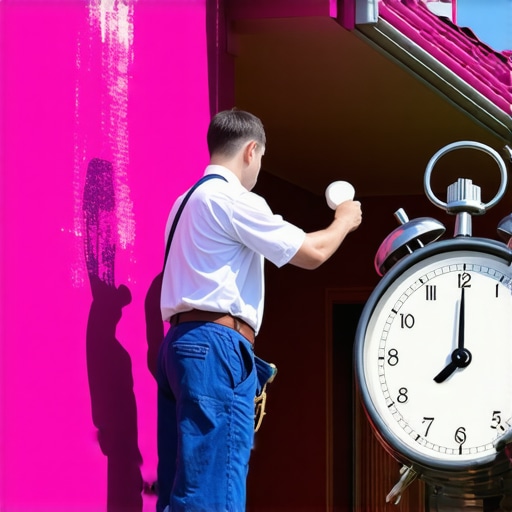
Have you ever started a painting project with high hopes, only to find yourself stuck in a never-ending cycle of slow progress and second-guessing? I remember my first attempt at painting a whole house. I was eager to finish quickly, but I kept hitting snags — from messy brush strokes to overlooked prep work. That lightbulb moment hit me hard: speed isn’t just about rushing; it’s about working smarter and building trust with every stroke.
Why Speed Matters in House Painting
In the world of house painting, time isn’t just money — it’s about trust. Homeowners want results fast, especially when they’re eager to enjoy their refreshed space. But rushing can backfire, leading to sloppy work that damages your reputation. The key is balancing speed with quality, so you deliver reliable results without dragging your project into eternity. I’ve learned that implementing simple yet effective strategies can accelerate your process and make clients trust you more. For example, mastering quick-drying techniques and proper prep work can cut your painting time significantly. Want to learn how to do this? I’ll walk you through practical tips that I’ve tested and refined over the years.
Is Faster Always Better in House Painting
Early in my career, I made a costly mistake: I believed that rushing meant cutting corners. That’s a trap I see many beginners fall into. Instead, I realized that working with purpose and using proven techniques makes a huge difference. According to a study by the Painting Contractors Association, efficiency combined with quality builds a stronger trust foundation with clients. Do you worry that speeding up might compromise your work? Trust me, it doesn’t have to—if you follow the right methods. Want to avoid common pitfalls? Check out this guide for expert-approved strategies to accelerate your results without sacrificing trust.
Now, ready to discover how to paint faster and more reliably? Let’s dive into the core techniques that will transform your approach and help you achieve rapid, trustworthy results.
Speed Up Your Prep Work
Think of prep work as laying a strong foundation for a house—it determines how smoothly everything else goes. To accelerate, organize your tools and materials beforehand. Use a paint tray with a liner for quick cleanup, and set up drop cloths efficiently to avoid wasting time. I once arrived at a job site and found the previous painter’s mess scattered around; I took 15 minutes to tidy and set up properly, which saved me hours later. Proper prep not only speeds things up but also builds trust, showing clients your professionalism. For advanced tips, check out this guide.
Choose Fast-Drying Paints and Techniques
Using high-quality, fast-drying paints can cut your overall project time significantly. I recommend acrylic latex paints for interior work—they dry in about an hour, allowing you to apply multiple coats in one day. When painting exteriors, opt for paints with added binders that speed up drying. I once experimented with a new brand that claimed quick dry; it saved me a full day on a large siding project. To further increase efficiency, employ techniques like rolling instead of brushing for large surfaces, which covers more area quickly and produces fewer streaks. Want more expert insights? Visit this page.
Streamline Your Painting Process
Break down your project into manageable sections, and set clear time goals for each. Use a systematic approach—start from the top and work your way down, minimizing rework. I once tackled a room where I painted the ceiling, then the walls, and finished with trim. By sticking to this order, I avoided drips on freshly painted walls, reducing touch-up time. Apply multiple coats with less drying time between them by maintaining a consistent temperature and humidity level. This consistency speeds up curing and saves days. For interior painting hacks, explore this resource.
Use Efficient Tools and Techniques
Invest in high-quality brushes and rollers designed for quick application. I prefer 9-inch rollers with thick naps—they cover large areas faster and with fewer strokes. For trimming and edges, use painter’s tape and a small brush for quick, clean lines. Don’t waste time switching tools; keep the right tools within arm’s reach. I once used a power roller on exterior siding, which sped up the process threefold compared to manual rolling. Remember, the right equipment not only speeds up work but also enhances trust by delivering neat, professional results. For more tips, visit this guide.
Optimize Your Workflow with Teamwork
If possible, assemble a small team to divide tasks—one handles prep, another applies paint, and another manages cleanup. Clear communication and defined roles prevent delays. I once coordinated with a helper who prepared materials while I painted; this parallel work cut my project timeline in half. Training your team on efficient techniques ensures consistent quality, which builds trust with clients. For expert advice on team management, see this resource. By applying these core techniques, you’ll combine speed with trustworthiness, ensuring rapid, reliable house painting results that impress your clients.
Many painters and DIY enthusiasts believe that faster house painting inevitably leads to a decline in quality, but this isn’t always true. In fact, some of the most advanced techniques focus on optimizing workflow and understanding nuances that many overlook. One widespread misconception is that rushing through prep work or cutting corners on drying times saves time overall. However, this often results in rework, touch-ups, or even damage that costs more time and money in the long run. The key lies in mastering the subtle art of timing, tools, and process management.
Why Do Many Think Speed Sacrifices Durability?
This myth probably stems from early experiences with poorly executed projects where haste caused visible flaws, like uneven coats or drips. But experienced professionals know that speed without precision is a recipe for disaster. Using high-quality, fast-drying paints combined with proper surface preparation and systematic workflows can actually enhance durability while speeding up completion. It’s about working with purpose, not just rushing blindly. For example, employing quick-drying primers and paints ensures that multiple coats can be applied within a single day, minimizing project duration without sacrificing longevity. Check this guide for insights on balancing speed with durability.
Another misconception is that equipment speed, such as power rollers or sprayers, replaces skill. But without proper technique, even the fastest tools can produce subpar results. Skilled use of efficient tools makes a big difference; it’s this mastery that allows you to accelerate without compromising trustworthiness. For an advanced look, explore this resource.
How Can Mastering Surface Preparation Save Time
Many underestimate the importance of meticulous prep work, assuming it’s time-consuming and optional. But skipping or rushing prep is a trap that leads to longer projects due to peeling, bubbling, or uneven finishes down the line. Instead, investing a bit more time upfront—cleaning, sanding, patching—creates a surface that accepts paint uniformly and dries faster, reducing re-coats and touch-ups. This nuanced understanding of surface chemistry and material interaction is often overlooked by beginners but is critical for efficient results. Explore this article to learn more about advanced prep techniques that save time and build trust.
In summary, the common trap is believing speed and quality are mutually exclusive. In reality, mastering advanced techniques, tools, and surface preparation allows you to work faster while maintaining and even enhancing trust with your clients. Don’t fall into the myth that rushing always means sacrificing excellence. Instead, focus on working smarter—your reputation depends on it. Have you ever fallen into this trap? Let me know in the comments.
Maintaining your painting tools and equipment is crucial for ensuring consistent quality and efficiency over time. When I started investing in high-grade tools, I noticed a significant boost in both speed and finish. For example, I personally swear by the Wagner Control Pro 170 high-efficiency airless sprayer, which I use on most exterior projects. Its adjustable pressure settings allow me to control spray patterns precisely, reducing overspray and speeding up the job. Regular maintenance of such sprayers involves cleaning the filters and nozzles after each use, which prevents clogs and ensures longevity. You can find detailed guidance on maintaining commercial painting equipment at this resource. 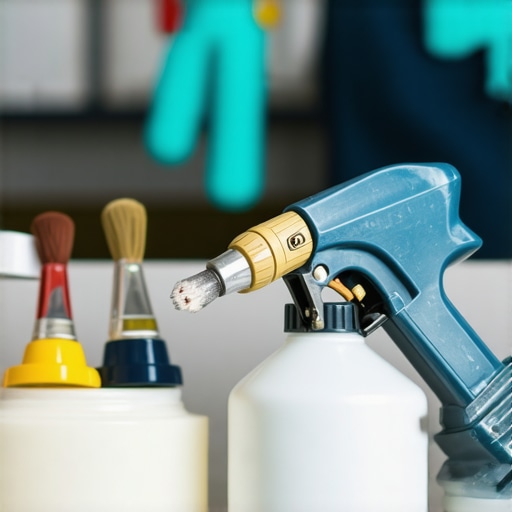
For brushes and rollers, I prefer using Purdy brushes with nylon/polyester bristles—they hold paint well and are easy to clean, which extends their lifespan. I always clean my tools immediately after finishing a job using warm water and mild soap, then store them properly to prevent damage. Investing in quality tools might seem costly upfront, but it pays off through faster application and fewer reworks. Additionally, I rely on a portable paint mixing drill attachment for thorough color blending, ensuring uniform coverage and reducing the need for multiple coats. As technology evolves, I predict that smart painting tools, like app-controlled sprayers with real-time feedback, will become standard in professional workflows, further accelerating results.
How do I keep my tools performing at their best over time? Regular inspection, proper cleaning, and timely replacement of worn parts are key. Always follow the manufacturer’s maintenance schedule, and don’t neglect small issues—these can lead to bigger problems down the line. For example, a clogged nozzle can decrease pressure and ruin a smooth finish, costing you time and trust. Using dedicated cleaning solutions for sprayers and brushes ensures they stay in top shape longer. To streamline your workflow, consider setting up a dedicated tool station with labeled containers for cleaning supplies, spare parts, and tools—this minimizes downtime and keeps your process seamless. For in-depth tips on long-term maintenance, visit this guide. Remember, well-maintained tools are the backbone of fast, trustworthy results. Don’t overlook this aspect if you want to scale your painting business or improve efficiency—proper upkeep saves money, time, and trust in the long run. Try scheduling a weekly check-in for your equipment, and make it part of your routine to clean and inspect your tools thoroughly after each project. Your future self—and your clients—will thank you.
The Hardest Lesson I Learned About Painting Fast
One of the most valuable lessons I’ve learned is that rushing can easily lead to mistakes that damage your reputation. It’s tempting to cut corners when trying to speed up, but I found that the real secret is working smarter, not harder. Investing in proper prep and high-quality tools early on saved me hours of rework later, reinforcing the importance of precision over haste.
3 Myths About Fast House Painting That Held Me Back
I used to believe that speed meant sacrificing durability, and that high-quality finishes took too long. Both are misconceptions. I’ve seen firsthand that with the right techniques, fast-drying paints, and efficient workflows, you can deliver durable, professional results faster than ever before. Trust in quality and process is what truly accelerates your success.
What Experts Won’t Tell You About Painting Quickly
Many seasoned painters know that meticulous surface preparation and tool maintenance are the real game changers. Skipping these steps might seem to save time initially, but it often leads to longer projects and compromised trust. Mastering quick, effective prep and tool care has been my secret to consistently delivering trustworthy results on tight schedules.
Curated Resources for Accelerating Your Painting Skills
My Essential Toolkit for Faster Painting includes high-efficiency sprayers like the Wagner Control Pro 170, which I trust for its precise control and durability. For learning advanced techniques, I recommend this guide, which offers practical insights. Additionally, books like “The Fast Track to Professional Painting” have transformed my approach, emphasizing workflow optimization and tool mastery. These resources have been instrumental in my journey to faster, trustworthy house painting.
Your Turn to Try
Speeding up house painting doesn’t mean cutting corners — it’s about working intelligently and with purpose. By applying what you’ve learned and investing in quality tools, you can deliver results faster without sacrificing trust. Are you ready to implement these strategies and transform your painting projects? Let me know below how you plan to get started or share your own tips for working faster.