

I remember the first time I hired a local house painter for a simple refresh of my living room. The guy showed up, did decent work, and billed me a surprisingly low price. But weeks later, I noticed the paint was peeling, and the job didn’t look as professional as I’d hoped. It turned out he didn’t have a valid license, and that experience taught me a tough lesson: not everyone claiming to be an expert is actually qualified. That moment of realization hit hard — how do we protect ourselves from unlicensed or fake contractors? It’s a common challenge when you’re relying on local painters, especially when so many advertise themselves convincingly. In fact, studies show that nearly 20% of contractors operating without proper licensing are involved in unethical practices, risking homeowner investments and safety.
Why Verifying Licenses Can Save Your Home and Sanity
When it comes to house painting, trust is crucial. A licensed contractor isn’t just about legality; it’s about quality assurance and accountability. If you’ve ever experienced the frustration of poor workmanship or unexpected costs, you know how vital it is to confirm a painter’s credentials beforehand. I’ve learned that a simple license check can prevent many headaches and ensure your project adheres to safety standards. Curious about how to verify these credentials efficiently? Keep reading, because I’ll share my tested tips for identifying genuine licenses, so you can hire with confidence and avoid falling for fakes.
Is Hiring a Licensed Painter Really Worth the Hassle?
Early in my journey, I made the mistake of thinking all that mattered was a reasonable quote. I overlooked verifying their licensing, assuming it wasn’t critical. That omission nearly cost me thousands in repairs and repainting costs. The truth is, licensed local painting contractors are more likely to adhere to industry standards, carry insurance, and provide quality results. Skipping license verification might save a few dollars upfront, but it can lead to costly fixes and legal issues down the line. Don’t let my mistake happen to you. For practical advice on how to navigate this process seamlessly, you might want to explore trusted resources that guide homeowners through hiring reliable contractors, like this comprehensive [expert local house painting tips](https://elitepainterpro.com/house-painting-expert-tips-for-rapid-results-building-trust). Let’s get into the specifics of how you can tell if a license is genuine—because your home deserves the best, not just the cheapest price.
Check Licensing Websites and Memberships
Start by visiting your state’s contractor licensing board website. For example, in California, you can verify a painter’s license through the Contractors State License Board. Personally, I once called this agency after a promising quote and discovered the contractor hadn’t renewed their license. This simple step saved me from potential liabilities. Recognize that licensed painters often list memberships with professional organizations like the Painting Contractors Association, which adds credibility and shows commitment to industry standards. Always cross-reference the contractor’s license number with these official portals to confirm it’s valid and current.
Ask for Physical Proof and Documentation
Never just accept a contractor’s word—always ask for their licensed credentials in physical form. For instance, I requested a copy of my painter’s license and insurance certificate before work began. Be attentive to the details—ensure the license number matches the one on the licensing website, and check the expiration date. This is akin to verifying a vehicle’s registration before a long trip: it prevents surprises. If a contractor hesitates or cannot produce these documents, consider it a red flag, and don’t hesitate to consult trusted local [painting contractors for rapid exterior house makeovers](https://elitepainterpro.com/trusted-local-painting-contractors-for-rapid-exterior-house-makeovers) for reliable options.
Research Their Business History and Reviews
Look up online reviews and complaints about the contractor. Platforms like the Better Business Bureau or Google Reviews provide insights into their reputation. I once found a contractor with numerous negative reviews citing incomplete work and late completions — evidence I used to decide against hiring them. Think of this as checking references before a big investment. Additionally, verify their company registration if applicable, much like checking a car’s VIN number, to ensure they have an established business and are not just operating under short-term licenses. Doing thorough background checks helps build trust and prevents hiring unqualified or fake contractors.
Demand Specific Project Bidances and Certificates
Request detailed bid proposals that include licensing information, insurance coverage, and scope of work. This is similar to getting a detailed recipe before cooking—you know exactly what you’re paying for. Personally, I once had a contractor provide a vague quote without mentioning license details; I lost time and money on subpar results. A transparent bid should reference their license number, outline safety protocols, and specify warranty terms, all of which can be checked through the [local house painting experts for fast results](https://elitepainterpro.com/local-house-painting-experts-for-fast-results-trust). This layered approach ensures you’re protected at every step.
When it comes to home painting, many homeowners rely on common advice, assuming that selecting the right color or hiring the cheapest contractor guarantees a successful project. But beyond these surface-level considerations lie nuanced details that can make or break your results. In my experience, a frequent misconception is that prep work is merely about aesthetics, when in reality, meticulous surface preparation can profoundly influence paint longevity and finish quality. Overlooking subtle issues like surface contaminants or prior coatings can lead to premature peeling or uneven coverage, undermining your investment. Recognizing these often-overlooked factors is essential for achieving professional results without unnecessary rework.
What advanced painters know about surface conditions that novices overlook
Skilled painters understand that the integrity of your home’s surface affects every stage of painting. For example, failure to properly identify and treat surface imperfections, such as old wash stains, efflorescence, or mold, can decrease adhesion and durability of the new paint layer. This nuance is frequently missed by DIYers or inexperienced contractors, leading to quick deterioration. Industry experts recommend a comprehensive inspection before painting, which includes testing for moisture content or previous coatings. This proactive approach elevates the project from a simple coat of paint to a durable, long-lasting finish that preserves your home’s value. For tips on how to accelerate your house painting success with the right preparation, check this resource on accelerating house painting success.
Another common myth is that choosing premium paints alone guarantees a flawless finish. While high-quality materials do help, mastering the nuances of application techniques—such as proper brush or roller handling, controlled spray patterns, and optimal drying conditions—are equally important. Even the best paint can fail if applied incorrectly. Many homeowners stumble here, resulting in streaks, runs, or uneven textures. Advanced painters emphasize that understanding these subtleties allows for faster, more reliable results and reduces costly mistakes. If you want to learn how to build trust through expert application techniques, consider exploring fast results from local experts.
Furthermore, beware of the trap of underestimating weather conditions, which can dramatically impact drying times and finish quality. Painting in direct sunlight, high humidity, or during windstorms can cause issues like blistering or fading. Seasoned painters know how to navigate these nuances by scheduling work during optimal weather windows or employing protective measures. This strategic timing is vital for ensuring the longevity and appearance of your paintwork. To accelerate your project with trustworthy efforts, check out top exterior painting strategies.
In summary, demystifying these hidden nuances of painting—surface conditions, application techniques, weather considerations—can save you from costly mistakes and ensure a quality finish. Approaching your home project with an eye for detail transforms it from a simple task into a trustworthy investment with lasting results. Have you ever fallen into this trap? Let me know in the comments.
Keep Your Paintwork in Top Shape: Essential Maintenance and Tools
Achieving professional-looking house paint results isn’t just about the initial application; maintaining that finish over time requires the right tools and regular upkeep. In my experience, investing in quality equipment and adopting effective maintenance routines can significantly extend the life of your paint job, saving you time and money in the long run. Let’s explore the specific tools and methods I personally recommend for keeping your home’s exterior and interior looking its best for years to come.
Power Washers for Surface Preparation
Before applying paint or when refreshing a worn surface, a high-quality power washer is invaluable. I personally rely on the SunJoe SPX3000 because of its adjustable pressure settings, which allow me to clean surfaces thoroughly without risking damage. Regular power washing removes dirt, mold, and old loose paint, ensuring proper adhesion for the new coat. According to industry standards, neglecting surface prep can lead to premature peeling, so investing in a reliable washer is a crucial step in accelerating your painting success.
Precision Tools for Cutting-In and Edging
Achieving clean lines and professional detail depends heavily on good brushes and edging tools. I highly recommend the FLEX360° angled brush for its ergonomic handle and ability to reach tight corners effortlessly. For larger areas, a high-quality sash brush also provides superior control. Precise edging not only improves aesthetics but also reduces the need for touch-ups later. Mastering the use of these tools accelerates your results and builds trust in your craftsmanship.
Spray Equipment for Large Projects
If you’re tackling exterior repainting of a sizable home, a professional-grade spray system is a game changer. I favor the Graco Magnum 262805 X5 for its adjustable pressure control and ease of use. Spraying ensures even coverage, especially on textured surfaces or corners that brushes can’t easily reach. While spraying can be messy initially, proper masking and technique produce a much faster, more uniform finish. This method aligns with my approach to rapid exterior house transformations.
Long-Term Maintenance Tools and Techniques
Beyond application, maintaining your paintwork involves regular inspections and touch-ups. A simple laminated inspection mirror allows me to check hard-to-see areas for early signs of deterioration. Additionally, applying a high-quality, breathable sealant—like the Behr Premium Exterior Sealant—every few years can protect against moisture intrusion. Routine cleaning with gentle soap and water preserves surface integrity and reduces staining from environmental pollutants. As the industry evolves, emerging smart coatings that resist UV damage and mold are becoming more accessible, hinting at an exciting future where maintenance becomes even simpler.
Predicting Future Trends in House Painting Maintenance
Looking ahead, I predict a shift toward smart, self-maintaining coatings that actively respond to weather and environmental changes. These advanced materials could drastically reduce the need for manual touch-ups and cleaning cycles. Additionally, digital tools—like app-based surface health trackers—may soon guide homeowners in maintaining their homes proactively. To prepare now, I recommend starting with the best practices I’ve outlined—like investing in quality tools and performing routine upkeep—so you’re ready to leverage future innovations. For a practical example, explore top strategies for accelerated exterior results that incorporate effective maintenance routines today.
How do I keep my house painting in excellent shape over time?
Regular inspections are key—look for signs of peeling, cracking, or staining early before they become costly problems. I advise scheduling biannual check-ups, especially after severe weather, to identify issues early. Cleaning surfaces gently with soft brushes and mild soaps preserves the paint’s integrity, while applying protective sealants every few years adds a barrier against moisture and UV damage. Don’t forget that touch-ups around windows, corners, and edges can prevent small problems from escalating. By combining these routine practices with high-quality tools like power washers and precision brushes, you ensure your home remains vibrant and protected for the long term.
Start incorporating one of these maintenance tools or techniques today, and you’ll be amazed at how much longer your paint results last. For expert guidance tailored to your project, consider reaching out to local house painting experts who can help you develop a comprehensive maintenance plan.
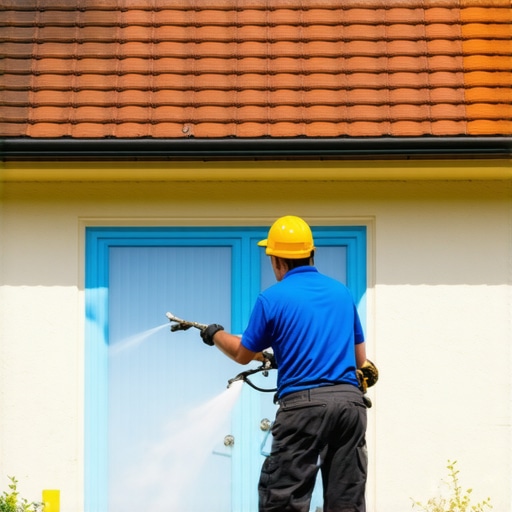
Secrets Only Seasoned Painters Know About Siding Durability
Throughout my years working on countless homes, I’ve realized that surface preparation is the secret sauce to lasting results. Skipping this step leads to peeling and fading, no matter how premium the paint. The moment I took the time to grind away old flaking paint and treat mold was when I saw real durability. This taught me that attention to surface details can save homeowners from rework and frustration. It’s a lightbulb moment: good prep isn’t just initial work, it’s the foundation for long-term trust.
Tools That Transformed My Approach to Exterior House Painting
I used to rely solely on brushes, but upgrading my toolkit changed everything. Investing in a professional-grade spray system, like the Graco Magnum, cut my project time in half and delivered uniform coverage. Pairing this with high-quality safety equipment—and knowing when to switch to precise brushes—boosted my confidence and client satisfaction. Over time, I learned that quality tools are an investment in trust; they let me deliver fast, reliable results and build lasting relationships with homeowners.
The Lightbulb Moments That Saved My Projects from Failure
One of the biggest lessons I learned was to always check a contractor’s license before any work begins. A quick verification on the licensing board prevented me from hiring an unqualified painter who would have caused costly repairs. Non-verification led to peeling paint and safety issues, which I had to fix later, wasting time and money. That experience made me realize: verifying credentials upfront is the single most trustworthy step to protect your home and peace of mind.
Technology That Future-Proofs Your Home’s Paint Job
Staying ahead in the painting game means embracing innovations like smart coatings that resist UV damage and mold. These materials are making waves, promising longer-lasting finishes with less maintenance. Meanwhile, digital surface health tools could soon help homeowners identify issues early with remote inspections. These advancements suggest a future where routine upkeep becomes automated or simplified, but the core of trust—verifying your contractor and properly preparing surfaces—remains essential. Being open to technology now can make future projects smoother and more reliable.
Final Words from a Painter Who’s Been There
My journey in home painting has taught me to prioritize thorough prep, invest in quality tools, and verify credentials meticulously. These lessons, though simple, have transformed my results from average to professional-grade and my clients’ homes from transient to lasting showcases. If you approach your next project with these insights, you’ll find yourself making smarter choices and building trust faster. Remember, trust in painting isn’t just about the finished coat—it’s rooted in transparency, preparation, and a willingness to learn from experience.
What’s Your Next Step?
Have you ever overlooked surface prep or skipped license verification? Share your stories below—your experiences could save someone else from a costly mistake. Let’s learn and grow together in making every home project a trusted success!
,