

One summer, I remember standing in my backyard, staring at my newly painted metal siding, only to realize that the paint was already starting to peel—that sinking feeling of wasted effort hit hard. I had followed all the common advice, yet something wasn’t right. After countless afternoons of scraping, sanding, and repainting, I discovered that not all painting methods are created equal, especially when it comes to metal siding.
The Lightbulb Moment
It finally clicked for me when I learned that many standard paints and techniques simply aren’t designed to withstand the harsh elements that exterior metal surfaces endure. The paint begins to peel, crack, and fade within just a few years, leaving homeowners frustrated and money spent on a job well done that doesn’t last. The key, I realized, lies in understanding the unique requirements of metal siding and adapting my approach accordingly.
Today, I want to share with you the proven methods I’ve collected over years of trial, error, and research. Whether you’re tackling a new paint job or trying to salvage a previous one, these tips will help your paint stick for years to come—no more peeling, no more frustration.
Why Proper Preparation Is Non-Negotiable
Before you even crack open that paint can, you need to prepare your surface thoroughly. Metal siding requires a clean, dry, and properly primed foundation to achieve lasting results. Ignoring this step is like building a house on a shaky foundation—eventually, everything will come apart. I used to skip some of these preliminary steps, convinced that paint alone could solve everything. Spoiler: it can’t.
Start by cleaning the surface meticulously. Dirt, grease, and oxidized rust can prevent paint from adhering properly. I recommend a thorough wash with a deck brush and a degreasing solution, just like the interior paint bubbling issue caused by poor surface prep. Once clean, let it dry completely—timing is crucial here.
Next, address any rust spots with a wire brush or sandpaper, ensuring smoothness. Applying a high-quality primer designed for metal surfaces is the secret to a durable finish. A good primer creates a barrier that prevents rust from seeping through and improves paint adhesion. Skipping this step can result in rapid peeling, a mistake I made early on that cost me dearly. For details on priming techniques, check out this primer application guide.
Remember, preparation is where the real magic begins. If your surface isn’t ready, even the best paint won’t last. So, take your time—it’s worth it.
Is It Really Worth the Effort?
At this point, you might be wondering: “Is all this prep really necessary?” Well, let me tell you, skipping steps saves time upfront but costs you much more down the road. Proper surface prep and using the right products can extend the life of your paint job to over a decade, avoiding peeling and costly re-paints every few years. I learned this the hard way when I painted my siding with cheap paint and a quick spray, only to have it peel within three years. Trust me, investing in quality prep makes all the difference.
If you’ve ever faced the frustration of peeling paint on your metal siding, you’re not alone. But with the right approach, you can finally achieve a lasting finish. Ready to get into the step-by-step process? Stay tuned as I walk you through everything you need to know to make your paint stick for years.
Apply a High-Quality Metal Primer
Start by choosing a primer specifically designed for metal surfaces, like an oil-based or rust-inhibiting primer. I once skipped this step, thinking a good paint would suffice, but the primer created a vital bond that prevented rust bleed-through and peeling. Use a roller or sprayer for even coverage, making sure to reach all crevices. Allow the primer to dry thoroughly, following the manufacturer’s recommended curing time, typically 24 hours. This step creates a uniform base, akin to laying a fresh foundation before building—crucial for longevity.
Use the Right Paint Type and Technique
Select a high-quality, exterior-grade paint formulated for metal siding. I recommend a product with UV resistance and flexibility to withstand temperature changes. When painting, opt for a sprayer for a smooth, professional finish—especially on large surfaces. If brushing or rolling, use synthetic brushes or rollers with nap suitable for smooth surfaces. I once tried a cheap brush, which left bristle marks and led to uneven coating; investing in good tools pays off in the final look and durability. Remember, applying multiple thin coats is better than one thick coat, similar to layering a veneer for added strength and adhesion.
Maintain Consistent Strokes for Even Coverage
Keep a wet edge to prevent lap marks, overlapping each stroke slightly. For corners and edges, use a brush to get detailed control, ensuring no spots are missed. In a past project, I missed a small section near a corner because I rushed—resulting in a visible line. This taught me the importance of careful, deliberate work that maintains moisture levels across the surface. For best results, work in sections and maintain a steady pace, like an artist carefully filling in a detailed painting.
Final Checks and Curing
After painting, inspect the surface for missed spots or uneven coverage. Touch up as needed before the paint fully cures. Avoid washing or exposing the siding to harsh weather for at least 48 hours; curing times vary depending on the paint used. I once painted a section late in the afternoon, hurried to finish, but then faced rain within hours—shaving years off my project’s lifespan. Proper curing allows the paint to form a resilient, flexible film that adheres firmly for years. Patience here is key, much like letting a freshly baked loaf cool before slicing—results depend on it.
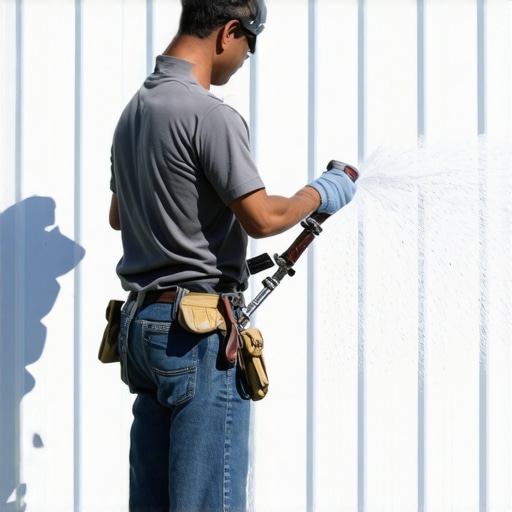 Many homeowners assume that applying more paint will result in a better, longer-lasting finish, but in reality, this approach often leads to drips, runs, and poor adhesion. Experts emphasize that multiple thin coats outperform a single thick one, ensuring durability and a smooth appearance. Overloading your brush or roller can trap air bubbles and cause cracking over time, a mistake that can be avoided with proper technique.
Another widespread myth is that all paints are equally suitable for every exterior surface. However, choosing the wrong type of paint—for example, using interior wall paint on metal siding—can drastically reduce the lifespan of your paint job. Exterior paints formulated specifically for the surface and climate conditions will provide superior adhesion and weather resistance, as highlighted in various industry guidelines.
One nuanced error often overlooked is neglecting to maintain proper surface preparation in advanced projects. For instance, many skip the crucial step of etching or applying a bonding primer on tricky surfaces like glossy or slick substrates. This oversight can result in early peeling or bubbling, even if the paint itself is high quality. The secret lies in understanding the substrate’s unique requirements and adapting your prep process accordingly.
Why Do Many DIYers Fail to Prepare Properly and How Can You Avoid This?
Inexperienced painters often underestimate how much surface preparation impacts the final outcome. Skipping cleaning, sanding, or priming might save time initially, but it compromises adhesion and longevity. For example, a study published in the *Journal of Coatings Technology* confirms that thorough cleaning and priming can extend a paint’s life by up to 50%. Always invest time in detailed surface prep—it’s the foundation for a flawless, lasting finish. Proper surface preparation truly makes or breaks your project. Have you ever fallen into this trap? Let me know in the comments.
Achieving a professional finish that stands the test of time requires more than just skill; the right tools can make all the difference. Investing in quality equipment ensures consistent application, simplifies your workflow, and extends the lifespan of your paint job.
Get the Details Right with Precision Tools
For precise edge work and clean lines, I rely heavily on high-quality painter’s tape, but not just any tape will do. I recommend using painter’s tape designed for delicate surfaces; it minimizes bleed-through and tearage, saving you time during touch-ups. A common mistake is using general masking tape, which often damages surfaces or leaves residue. Check out tips on properly removing painter’s tape post-painting, like the hairdryer trick that prevents tearing.
Choosing the Right Application Equipment
When it comes to applying paint, I always prefer a high-quality sprayer over brushes or rollers for large exterior surfaces. Modern turbine sprayers or airless models deliver a smooth, even coat that’s difficult to match manually. I personally use a professional-grade sprayer, even on small projects, because it reduces application time and ensures uniform coverage. Cheaper models often clog or unevenly distribute paint, resulting in a less durable finish.
Maintenance Matters for Longevity
Keeping your tools in top shape is crucial. Rinse brushes, rollers, and sprayers thoroughly immediately after use to prevent dried paint clogs and bristle damage. For brushes, I use specialized brush cleaners—not just water or solvent—as recommended by industry experts. Regular maintenance extends their lifespan and ensures consistent results in future projects.
Future-Proof Your Painting Setup
The trend is moving toward more sustainable and efficient tools. Eco-friendly sprayers with low air consumption and reusable filters are gaining popularity, reducing waste and improving air quality. Investing in these technologies now prepares you for long-term needs while minimizing environmental impact.
How do I keep my painting tools performing over time?
Develop a routine of thorough cleaning immediately after each project, using appropriate solvents and brushes cleaners, and store tools in a dry, protected space. Replacing worn parts like spray nozzles or filters periodically keeps equipment functioning like new. Regularly calibrate sprayers to maintain spray pattern consistency. Remember, well-maintained tools deliver the best results and extend the life of your investments.
Don’t forget to try the bucket method for keeping brushes moist overnight—they’re a simple upgrade that ensures your brushes stay ready for the next session. As the trend in painting technology advances, staying current with tools and maintenance practices will become even more crucial for achieving long-lasting finishes. Ready to upgrade your toolkit? Incorporate these recommendations and see the difference!
Throughout my years of painting exterior metal siding, I’ve stumbled upon pitfalls that can set back even the most dedicated DIYers. The most valuable lessons often come from mistakes—like rushing through surface prep or ignoring proper drying times—but they also include insights that transform your approach entirely. Here are some of the hardest-hitting insider wisdoms I’ve gathered that can save you time, money, and frustration.
The Toughest Lessons That Changed My Painting Game
- Always prioritize surface cleanliness— I once skipped a thorough wash because I thought a quick rinse would suffice. Within a year, peeling, bubbling, and a need for repainting became my reality. Proper cleaning—and understanding that dirt and oxidation are the enemies of adhesion—literally saved my projects.
- Invest in quality primers— Using cheap or generic primers seemed like a money-saver until rust bleed-through and peeling forced me to redo everything. A high-quality, rust-inhibiting primer for metal siding creates the necessary bond and acts as a barrier, making your paint last much longer.
- Thin coats over thick ones— I learned this the hard way when a single thick coat created drips, uneven texture, and cracking. Multiple thin coats not only look better but also cure more uniformly, providing superior durability.
- Patience is your best friend— Rushing the drying process or the curing time might seem tempting to finish faster, but it compromises the finish. Waiting the recommended times ensures a resilient, long-lasting paint job that can stand up to harsh weather.
Incorporating these insights has transformed the way I approach exterior metal siding projects. If you’re ready to elevate your painting skills beyond common tips, remember that understanding your surfaces and respecting the process are key. For more in-depth strategies, check out the importance of proper surface prep and the right application techniques.
My Arsenal of Trusted Tools and Resources
- High-quality primers and paints— Brands like Sherwin-Williams and Benjamin Moore consistently deliver products designed specifically for metal surfaces, ensuring longevity and weather resistance. I trust them because of their proven track record and extensive research backing their formulations.
- Professional-grade sprayers— The cost-effective sprayers I use significantly improve coverage and finish, even on large surfaces. They’re a game-changer compared to brushes or rollers for exterior projects.
- Online tutorials and industry blogs— Resources like expert blogs keep me updated on the latest techniques, tools, and materials, helping me avoid common pitfalls and stay efficient.
- Maintenance supplies— Regularly cleaning and replacing parts on my sprayer extends its life, maintaining consistent results over years. A well-maintained tool is worth its weight in saved time and effort.
Keep Moving Forward and Your Skills Grow
Don’t let fear of trying new methods hold you back. Each project on your house is an opportunity to learn something valuable, a chance to get closer to professional results. Better techniques, quality materials, and patience are your best allies in creating a durable, beautiful finish that will stand the test of time. If you’re ever in doubt, revisit the tips for using the right equipment and never underestimate the power of proper prep.
Remember, your house is an investment—trust the process, stay informed, and enjoy watching your siding transform under your care. What’s the one lesson about metal siding painting that changed your approach? Drop your thoughts below—I’d love to hear your experiences!
,