

Have you ever stepped into a room after a heavy rain and noticed unsightly bubbles forming on your painted walls? That frustrating, almost defiant sign that something’s gone wrong beneath the surface. I remember the first time I saw my new interior paint blistering right after a fierce downpour—my stomach sank. It was both puzzling and a little embarrassing, especially since I thought I’d done everything correctly. Turns out, I wasn’t alone in this experience; many homeowners face this sneaky problem that often catches them off guard, especially with unpredictable weather patterns becoming more intense.
The Hidden Culprit Behind Bubbling Paint
This isn’t just about a cosmetic nuisance. When interior paint bubbles after a storm, it signals a deeper issue—moisture intrusion. Rain can seep through tiny cracks or unsealed areas, leading to water accumulating beneath your paint layer. As the moisture trapped under the surface heats up or fluctuates, it creates pressure—resulting in those telltale bubbles. According to experts, moisture is one of the main enemies of a long-lasting paint job, especially if proper prep wasn’t taken beforehand. Did you know that improper surface preparation or using low-quality paint can amplify these issues? I’ve learned from personal experience that sealing those weak spots and choosing the right coating can significantly reduce future bubbling. Ready to discover how to put an end to this pesky problem? Keep reading, because I’m about to share practical steps that transformed my approach to interior painting—and saved my walls from damage.
Prepare Your Walls Before Painting
Inspect and Repair Surface Flaws
Start by examining your walls meticulously. Look for cracks, holes, or peeling paint that can let moisture seep in. Use a putty knife to fill small cracks with high-quality filler, ensuring a smooth surface. For larger damage, apply primer and patch those areas, much like patching a leaky boat before a voyage. I recall patching a particularly problematic wall in my living room; after some sanding and sealing, the smooth finish helped my new paint stay intact longer.
Clean and Degrease the Surface
Next, clean your walls thoroughly to remove dust, grease, and any soap residue. Use a mixture of mild detergent and water, scrubbing gently with a sponge. For stubborn stains, a solution of denatured alcohol can be effective—test it first with the denatured alcohol test. Clean walls dry completely before priming. This step creates a reliable bond between the primer and wall, preventing future adhesion issues.
Seal and Prime to Block Moisture
Apply a Suitable Primer Carefully
Using a high-quality, moisture-blocking primer is essential. When I painted my basement with a zinc-rich primer, I noticed how much less moisture caused future bubbling. Primers act as a barrier, sealing minor imperfections and preventing water from penetrating. Focus on sealing seams, corners, and crack-prone areas thoroughly. This step is your best defense against those storm-induced bubbles.
Target High-Risk Areas
Pay special attention to areas near windows, doors, and exterior walls, which are more susceptible to moisture intrusion. Applying extra primer in these zones creates a moisture-resistant shield. Don’t forget to check your insulation and vapor barriers—upgrading or replacing them can further reduce moisture infiltration down the line.
Choose the Right Paint and Finish
Select Moisture-Resistant Coatings
Opt for paints formulated to resist humidity and water vapor. Modern products often contain additives that prevent bubbling. For areas prone to moisture, consider [specialized coatings](https://elitepainterpro.com/3-new-zinc-rich-coatings-for-2026-exterior-house-painting-2), known for their durability. Also, choosing a satin or semi-gloss finish can help shed water more effectively than flat paints, reducing bubbling risks.
Follow Application Best Practices
Apply paint in thin, even coats. Thick layers tend to trap solvents and moisture, leading to blistering as they escape. Use high-quality brushes and rollers to ensure even coverage. When painting in high-humidity conditions, consider using a fan or dehumidifier to speed drying. I once painted a bathroom during a humid summer; I used a dehumidifier and saw how it reduced drying time, ultimately preventing bubbles from forming.
Maintain Clear Expectations and Preventative Measures
Finally, monitor weather forecasts before starting your project. Avoid painting before heavy rain or high humidity, which can compromise your work. Regularly inspect your walls and address leaks or condensation issues promptly. Proper maintenance prolongs your paint’s lifespan and keeps it smooth. Remember, a little prep goes a long way—just like tuning up a car before a long trip, it ensures smooth sailing.
Many homeowners believe they know everything about painting, but in my experience, some widely accepted tips can actually lead you astray. One pervasive myth is that a single coat of high-quality paint is sufficient for a flawless finish. In reality, applying multiple thin coats—following the 60-30-10 color rule)—ensures better coverage and durability, especially in areas with complex surfaces. Rushing the process often traps solvents beneath the surface, increasing the risk of bubbling or peeling, which only becomes evident after a storm or a season change.
Beware the One-Coat Wonder Trap
Another common misconception is that all paints are created equal and that investing in cheap, low-quality products saves money in the long run. This is a trap because low-end paints often lack the adhesion and moisture resistance necessary for long-lasting results. According to industry experts, using premium, specially formulated coatings—such as zinc-rich primers and advanced exterior paints)—can prevent issues like peeling or bubbling, especially in high-humidity environments. knowingly choosing cheap alternatives even for small projects can lead to repetitive costs and disappointment over time.
Advanced Insight: How Moisture Gets Trapped
Many overlook the nuanced ways moisture invades walls. For instance, even well-intentioned DIYers sometimes neglect to seal tiny cracks or properly prepare surfaces, leading to trapped water that causes blistering. An often missed point is that humidity from inside the house—like from bathrooms or kitchens—can also migrate into wall cavities, especially if vapor barriers are inadequate. Applying a moisture-resistant primer is crucial; it’s a common mistake to skip this step, which can lead to interior paint bubbling unexpectedly, especially after storms or heating cycles. For detailed tips, referring to how moisture affects paint longevity) can help you anticipate and prevent such issues.
Furthermore, advanced painting techniques such as proper sanding, cleaning, and the use of specific primers tailored to your environment can significantly enhance adhesion and durability. Remember, the devil is in the details—skipping these can accelerate paint failure, especially in challenging weather conditions. Have you ever fallen into this trap? Let me know in the comments and share your experiences so others can learn from them!
Keep Your Painting Game Strong with the Right Tools and Maintenance
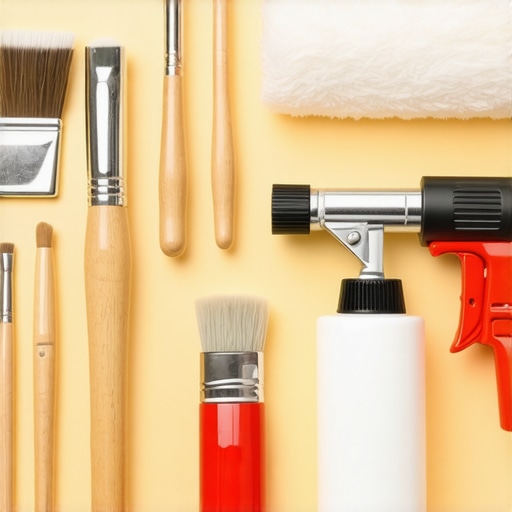
To ensure your house painting stands the test of time, investing in high-quality tools and establishing a routine maintenance regimen are essential. Personally, I’ve found that using a professional-grade extendable paint roller and a high-precision brush significantly improves the finish, especially when reaching tricky areas like ceilings and corners. These tools are designed to distribute paint evenly, reduce drips, and allow for greater control, which minimizes mistakes and touch-ups later on. For large projects, I recommend a professional sprayer like the Wagner Control Pro 150 or a similar model, which offers consistent coverage and faster application without sacrificing quality.
In addition to hardware, maintaining your tools properly prolongs their usability and effectiveness. After each use, thoroughly clean brushes and rollers with the appropriate solvents—water for latex paints and mineral spirits for oil-based paints. Store brushes hanging or laid flat to prevent warping, and keep rollers covered with a lint-free bag to avoid dust accumulation. Investing a few minutes into this routine prevents paint buildup and extends your tools’ lifespan, ultimately saving you money and time during future projects.
Predicting Where Painting Tools are Going in the Future
Looking ahead, advancements in spray technology and smart tools are likely to become more mainstream. For instance, airless sprayers are becoming increasingly efficient, reducing overspray and paint waste. Additionally, integration with digital apps to monitor paint thickness and coverage could revolutionize application methods, leading to more consistent results. Embracing these innovations will help homeowners and professionals alike achieve superior finishes more efficiently, making house painting both more precise and less cumbersome.
How do I keep my painting equipment in top shape over time?
Regular maintenance is the key to longevity. After completing a project, clean your brushes and rollers thoroughly with warm soapy water or the appropriate solvent, depending on your paint type. Store them properly—brushes with the bristles facing up or hanging, rollers in airtight containers—to prevent deformation. Inspect your spray equipment regularly for clogs or signs of wear; replacing worn nozzles or seals prevents uneven spray patterns. Additionally, keep your spray gun filters clean to maintain spraying efficiency. For detailed advice on maintaining and troubleshooting spray systems, check out this comprehensive guide presented by industry experts.
Implementing routine checks and proper storage will ensure your tools perform optimally in every project. As technology continues to evolve, consider testing smarter equipment that can sync with mobile apps to provide real-time feedback on application quality. Experimenting with such innovations now can give you a competitive edge, improving both efficiency and results in the long run. Don’t hesitate to try out a high-grade sprayer or a new cleaning technique—these small upgrades can make a noticeable difference in your house painting journey.
Overcoming paint bubbles after a storm is less about the paint itself and more about understanding the subtle dance of moisture, surface preparation, and application techniques. From personal experience, I realized that the real game-changer was learning how to anticipate moisture infiltration and taking proactive steps to seal my walls properly. Small details—like inspecting for hairline cracks or choosing the right primer—made a dramatic difference in the longevity of my indoor paint jobs. Embracing this insider wisdom transformed my approach, so I no longer dread the next heavy rain but instead see it as a cue to reinforce my walls against moisture sneak attacks.