

It was a typical Monday morning when I stepped into a retail store I had just painted the week before. The floors, once sleek and inviting, now bore the relentless scars of heavy foot traffic — scuffs, stains, and dull patches. I realized then that I had overlooked a crucial detail: the importance of durable coatings designed for high-traffic environments. That lightbulb moment was a game-changer for my approach to commercial painting.
Protect Your Investment with the Right Coatings
Many business owners underestimate the wear and tear their spaces endure daily. Without the proper industrial-grade coatings, your retail space’s appearance can quickly decline, leading to increased maintenance costs and diminished customer impressions. The solution? High-traffic industrial coatings specially formulated to withstand continuous use, keeping your space looking fresh and professional longer.
Is the Hype About Industrial Coatings Actually Worth It?
Early in my career, I made the mistake of choosing cheaper, standard paints for a busy warehouse project. The result? Within months, walkways were already showing signs of chipping and staining. It was a costly lesson that emphasized the importance of investing in quality. According to industry experts, high-performance coatings can extend the lifespan of your paint job by years, saving you money in the long run. Want to learn more about selecting the best options? Check out [this comprehensive guide](https://elitepainterpro.com/why-industrial-warehouses-require-specialized-high-traffic-coatings).
Prepare the Surface Like a Pro
Start by removing loose paint, dirt, and grease from the area. Use a scraper for peeling paint and a degreaser or mild soap solution to clean surfaces thoroughly. I once worked on a commercial storefront where neglecting deep cleaning before painting led to peeling within months; thorough preparation is key.
Sand and Smooth Rough Areas
Lightly sand rough patches and edges to ensure the new coating adheres properly. For high-traffic zones, focus on creating a uniform surface. I remember sanding a warehouse floor’s server rack base; I used a coarse grit and finished with fine sanding to ensure a smooth base for the coating, resulting in a durable finish that lasted years.
Prime to Seal the Deal
Apply a primer suitable for your surface and paint type. Primer acts like a bonding bridge, especially crucial on stained or repaired areas. In a renovation project, I primed a stained drywall patch with a stain-blocking primer, preventing any bleed-through and ensuring an even topcoat.
Select the Correct Primer
For wood, use oil-based primers; for drywall or plaster, water-based primers work well. When painting a high-traffic lobby, I used a bonding primer to stick to the previous glossy surface, avoiding peeling and ensuring longevity.
Choose the Right Products
Opt for industrial-grade, high-traffic coatings with excellent abrasion resistance. Think of coatings like sturdy armor protecting your walls. I once used a commercial epoxy on a busy workshop floor; its resilience held up against forklift traffic and lasted years without chips.
Understand Additives and Specialties
Add slip-resistant agents to coatings for floors or steps. For industrial spaces, incorporate anti-slip additives into the paint. I applied a textured additive to a warehouse’s walkway, significantly reducing slips and falls.
Strategic Application Techniques
Use high-quality brushes or rollers suited for your coating type. Apply in thin, even coats to prevent drips and uneven layers. During a retail repaint, I learned that multiple thin coats produced a smoother finish than a single thick one, which prevented running and ensured durability.
Follow Proper Drying Times
Allow each coat to dry fully as per manufacturer instructions before applying the next. Rushing this step can cause peeling or tracking. I once hurried through a job, and the topcoat never cured properly, leading to defects within a year.
Final Care and Maintenance
Once finished, cure the surface as recommended, and avoid heavy traffic for the designated period. Regular cleaning with appropriate products preserves the coating’s integrity. A careful cleaning regimen, including gentle mopping and avoiding abrasive tools, keeps your painting looking fresh for years.
For more in-depth techniques, consider exploring mastering professional painting skills or top tips for transforming your space.
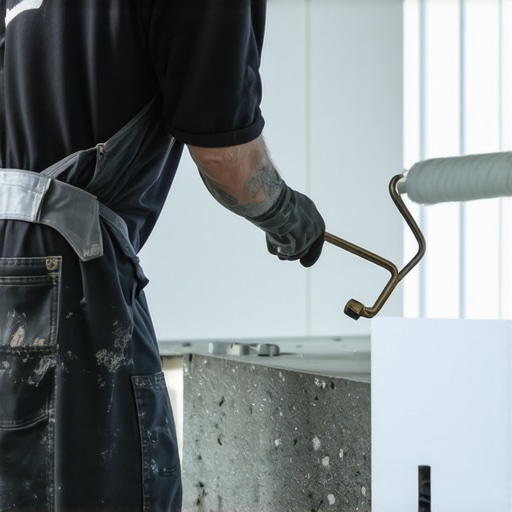 Many homeowners believe that painting is as simple as picking a color and slapping some paint on the walls, but this oversimplification often leads to costly mistakes. A common myth is that all paints are created equal, when in reality, the quality and formulation can dramatically affect durability and finish. For example, high-quality paints contain advanced binders that improve adhesion and resistance to peeling, which are crucial factors in maintaining a flawless appearance over time.
Another misconception is that preparation is optional or can be rushed. Skipping thorough surface cleaning, sanding, and priming can trap dirt and grease beneath the paint, causing bubbling and chipping later. I’ve seen projects where homeowners ignored these steps, only to face repainting within a year. Industry experts stress that meticulous surface prep boosts longevity and saves money in the long run.
Advanced painters know that humidity, temperature, and lighting conditions during application can influence the final outcome. Painting in high humidity, for example, can slow drying times and cause uneven textures. Moreover, certain paints are more susceptible to environmental factors—using the wrong type for your climate is a mistake I’ve encountered repeatedly.
Why do many DIY painters struggle to achieve professional results despite following basic instructions?
Mastering the Art of Maintenance with Top Tools
Staying on top of your house or local painting ventures hinges on having the right equipment and methods. I personally swear by a few essential tools that streamline the process and ensure long-lasting results. For instance, a high-powered cordless airless sprayer—like the Graco Magnum 257—allows me to achieve even coats quickly, especially over large surfaces or textured walls. Its adjustable pressure controls are vital for preventing drips and uneven finishes, making my workflow more efficient. Additionally, quality LED work lights, such as the Neewar LED Floodlights, help me spot imperfections and ensure consistent coverage, even in dimly lit spaces.
Beyond hardware, using professional-grade brushes and rollers is non-negotiable. I prefer synthetic brushes for water-based paints because they hold paint better and produce smoother coats. My go-to roller is a 9-inch Nap of 3/8 inch—perfect for both walls and ceilings, balancing coverage and control. To keep my equipment in top shape, I rely on a solvent like mineral spirits to clean brushes thoroughly, which prolongs their lifespan and maintains their performance. Regular maintenance, like inspecting spray tips and replacing worn-out rollers, prevents minor issues from escalating and saving you money over time.
Anticipating Future Trends in Painting Tools
Looking ahead, I see smart painting technologies gaining momentum. IoT-enabled sprayers that monitor paint flow and report maintenance needs could soon become standard, reducing waste and ensuring precision. Integrated apps might guide novices through complex techniques, bridging the gap between professional and DIY work. Staying updated with these innovations will help you maintain high standards and scale your painting efforts effectively.
How do I keep my tools in prime condition over time?
Developing a routine cleaning schedule is essential. After each use, I immediately rinse spray tips with the appropriate solvent, and store brushes upright to prevent deformation. Periodic inspection for wear or damage prevents equipment failure during critical jobs. For larger tools, a simple teardown, with parts cleaned and lubricated, greatly extends their lifespan. Investing in proper storage, like durable containers and wall mounts, keeps your tools organized and ready for the next project. Remember, well-maintained tools produce better results and save you from costly replacements. Consider consulting industry-leading experts and literature when selecting equipment, such as technical documentation on spray gun maintenance from [Graco](https://www.graco.com).
Incorporating these practices will help ensure your painting projects remain smooth-running and produce professional, durable finishes every time. Don’t hesitate to try out some of these high-quality tools and see how they can elevate your work—your future self will thank you. If you want tailored advice on tools suited for your specific projects, reach out through this contact page.
Lessons I Wish I Learned the Hard Way About House Painting
- Never underestimate surface preparation; skipping this step cost me time and money on multiple projects, emphasizing that thorough cleaning, sanding, and priming are the backbone of a durable finish.
- Choosing quality paints and coatings can seem pricey upfront, but their longevity and resistance to wear in high-traffic areas saved me from frequent touch-ups and repainting.
- Environmental factors like humidity and temperature dramatically impact drying times and finish quality. I learned to plan painting schedules around ideal weather conditions to avoid costly mistakes.
- Proper tool maintenance, especially cleaning brushes and spray equipment immediately after use, extends their lifespan and ensures consistent application, significantly improving final results.
- Patience during drying and curing stages is crucial. Rushing these steps often leads to imperfections that are hard to correct later, reminding me that good things take time in house painting.
My Trusted Arsenal for Expert House Painting
- Graco Magnum 257 Airless Sprayer: Its adjustable pressure and reliability make it my go-to for even coats over large high-traffic surfaces, saving time and effort.
- Miniwax Synthetic Brushes: They provide smooth finishes on trim and edges, and their durability makes them an economical choice for professional results.
- Neewar LED Floodlights: Bright, adjustable, and portable, these lights help me spot imperfections in poorly lit areas, ensuring flawless application.
- Linseed Oil Soap: A favorite for cleaning brushes and tools, it keeps my equipment in top condition without harsh chemicals.
Crafting a Future in House Painting
Embracing quality tools, continuous learning, and patience has transformed my approach to local painting. The innovations on the horizon, like IoT-enabled sprayers and eco-friendly paints, promise even greater efficiency and sustainability. Staying updated through industry blogs and trade shows keeps my skills sharp and my work fresh.
If you’re ready to elevate your house painting skills or tackle high-traffic areas with confidence, don’t hesitate to reach out via this contact page. Remember, every successful project begins with a decision to do it right the first time. What’s the biggest lesson you’ve learned from your own painting adventures? Share below—I’d love to hear your stories!
,