

It was one of those mornings when I glanced at my home office wall and noticed a significant glare that made my eyes strain just trying to read my screen. Instantly, I remembered a frustrating weekend spent repainting that very wall, only for the shiny, eggshell finish I chose to make the lighting worse instead of better. That light reflection was a lightbulb moment for me—literally. I realized that not all paint finishes are created equal, especially in spaces designed for work and focus.
Discover the Secret to a Calm, Professional Look in Your Office
Imagine a space where the walls absorb light softly, creating an inviting atmosphere that reduces eye fatigue. That’s what a matte finish offers—a velvety, non-reflective surface that not only looks sophisticated but also enhances the overall ambiance of your workspace. As someone who’s made plenty of paint mistakes, I can tell you that switching from eggshell to matte was a game-changer. Today, I’ll share what I’ve learned about why matte finishes are often the best choice for office walls, and how you can avoid the common pitfalls that come with choosing the wrong sheen.
Is the Hype About Matte Finish Actually Justified?
Early in my DIY painting journey, I thought a shiny finish would make my office walls look more vibrant. Big mistake. The glare from overhead lights turned my walls into instant mirrors, reflecting every bit of dust and fingerprint. I used to believe that only high-gloss finishes were durable and easy to clean, but I found out that matte paints can be just as resilient—especially when formulated with modern, low-VOC options. Interestingly, a 2023 study highlighted that matte paints can significantly boost comfort and productivity in work environments because of their light-absorbing properties (source: https://elitepainterpro.com/the-ultimate-guide-to-house-painting-boost-curb-appeal).
My early mistake was choosing a finish based solely on appearance, ignoring how it interacted with light and daily use. This is a common trap many homeowners fall into—thinking all finishes are the same or that shinier means better. But in reality, the choice impacts not just aesthetics but the functionality of your space. In the next sections, I’ll walk you through practical steps to select the ideal matte finish and how to apply it like a pro, so your office can become that perfect, glare-free haven.
Prepare Your Space and Supplies
Start by clearing the room of furniture and covering remaining items with drop cloths to prevent splatters. Use painter’s tape to mask edges of trim, outlets, and ceiling lines, ensuring clean, sharp borders. Gather high-quality, low-VOC matte paint, a roller with a medium nap for walls, and brushes for edges. I once accidentally grabbed a cheap brush, which left visible streaks on the wall; since then, I always invest in good tools for a smooth finish.
Prime for Better Adhesion and Uniformity
Apply a primer suitable for your wall surface, especially if you’re painting over previously glossy or uneven paint. Use a roller for large areas, starting in a corner and working outward with overlapping strokes to avoid marks. I used to skip this step, leading to uneven coloration, but priming made my colors pop and my finish uniform.
Master the Painting Technique
Use the ‘W’ Method for Even Coverage
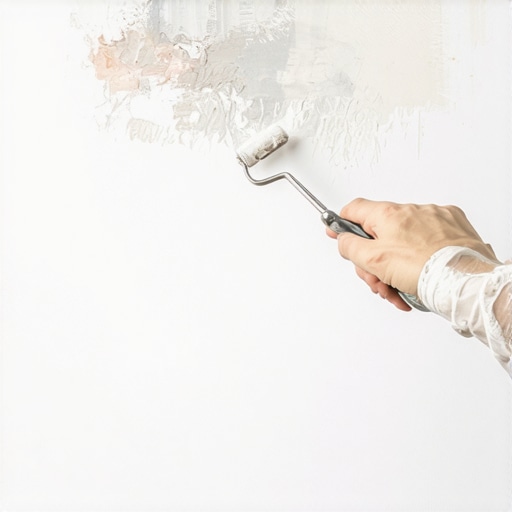
Pour paint onto a tray and load your roller generously. Start by painting a large ‘W’ shape, then fill in the gaps without lifting the roller. This technique ensures consistent coverage and avoids streaks. I once hastily rolled without this pattern and ended up with patchy spots; following the ‘W’ method saved me hours of touch-up work.
Work in Controlled Sections
Divide your wall into manageable sections. Keep a wet edge by overlapping each stroke slightly with the previous one. This prevents visible lap marks and creates a seamless surface. Remember, patience beats rush — rushing leads to uneven texture or missed spots. I learned this by rushing one corner and ending up with noticeable roller marks that I had to sand and repaint.
Apply Multiple Thin Coats
Resist the temptation to load up your roller for one heavy coat. Thin, even layers dry faster and look better. Wait the recommended drying time between coats to prevent trapping imperfections. Once, I painted a wall with thick layers over a weekend, which resulted in dripping and uneven sheen; lighter coats fixed that issue completely.
Finish with Proper Touch-Ups and Curing
Remove painter’s tape carefully before the paint dries completely to avoid peeling. Inspect the surface for uneven spots or drips, and gently sand or touch up as needed. Allow the paint to cure fully before moving furniture back in; some matte finishes need 24-48 hours to reach maximum durability. I once moved a chair too early, smudging fresh paint, so I now wait patiently, ensuring a pristine look.
Maintaining Your Matte Walls for Longevity
Once finished, clean brushes with water if using latex-based paint or with mineral spirits for oil-based. Use a soft, damp cloth to dust the walls regularly; avoid harsh cleaners that can alter the matte finish. Educating yourself on the proper care preserves the non-reflective quality and keeps your space looking calm and professional. For more insights on house painting, you can visit this guide.
 When it comes to house painting, many homeowners rely on popular advice that can sometimes do more harm than good. A prevalent misconception is that all paints and finishes are interchangeable, ignoring the subtle but crucial differences that can affect durability, appearance, and long-term maintenance. For instance, choosing a glossy finish for interior walls might seem appealing for its shine, but in reality, it can highlight imperfections and cause glare, especially in well-lit rooms—something I learned the hard way after my first DIY project. It’s essential to understand that finishing touches like matte, eggshell, or satin have nuanced effects on light reflection and should be selected based on the specific needs of the space.Maintaining the quality of your paint job over time requires more than just choosing the right paints; it involves the right tools and ongoing upkeep. One essential piece of equipment I swear by is a high-grade microfiber dusting mop. Unlike conventional dusters, microfiber traps airborne particles and prevents scratches on delicate matte finishes, extending their vibrant look. When it comes to cleaning brushes after a project, I recommend the use of natural linseed oil soap. This gentle cleaner preserves brush bristles and maintains their flexibility, ensuring they perform flawlessly on your next project. Additionally, for inspecting your work, I rely on a quality LED flashlight with adjustable brightness settings. It helps me spot imperfections like tiny drips or missed spots that might be invisible to the naked eye in dull light, reducing the need for future touch-ups. As technology advances, digital moisture meters are becoming a game-changer, especially when painting exterior surfaces. They help determine if the substrate is adequately dry, preventing issues like peeling or bubbling caused by residual moisture—this insight is backed by research from the Building Science Corporation, emphasizing the importance of moisture control in paint longevity.
The Hidden Lessons a Painter Learned About Home Office Finishes
- Always test a small section with your chosen sheen before committing—what looks good in the can may not translate well on your walls.
- Invest in quality tools; a mid-nap roller and fine brushes make the difference between a professional-looking finish and a DIY disaster.
- Patience is key—multiple thin coats will give you a flawless, durable surface that lasts years without reflections or imperfections.
- Don’t underestimate the importance of proper lighting conditions when inspecting your work; natural light reveals flaws you might miss otherwise.
- Embrace the learning curve—every mistake, like choosing a glossy finish that creates glare, becomes a valuable lesson for future projects.
Tools, Tips, and Secrets from My Personal Painting Arsenal
Over the years, I’ve relied on specific resources that elevate my craft. The local painting solutions guide offers budget-friendly tips that ensure a professional look without breaking the bank. For tools, high-quality microfiber dusters are indispensable—they trap dust and keep your matte walls pristine. When it comes to supplies, I trust linseed oil soap for cleaning brushes, preserving their flexibility and performance. And if you want to perfect your technique, the pro tips section on the website has invaluable insights. These tools and resources have helped me avoid common pitfalls and achieve painter-quality results every time.
Sparking Change: Your Moment to Embrace a Better Workspace
Understanding the nuances of paint finishes, especially in a workspace like your home office, is about more than aesthetics—it’s about creating a productive, eye-friendly environment. The power to transform your space lies in simple, informed choices. Whether you’re planning a full repaint or just touch-ups, allowing yourself to learn and adapt makes all the difference. Remember, your home office can become an inspiring haven free of glare and reflections, just by choosing the right sheen and applying it with care. So why not start today? With the right knowledge and tools, your perfect, glare-free workspace is within reach. Have you faced challenges choosing the right paint finish for your space? Share your story below and let’s learn together.