

It was a typical Saturday morning when I finally looked around my tiny bathroom and realized something needed to change. The dull, pale walls were doing nothing for the cramped space, and I was tired of feeling like I was in a fog every time I stepped inside. That’s when the lightbulb moment hit me: why not embrace a bold, dark color? To my surprise, it transformed the room into a sophisticated oasis that felt much bigger and more inviting. If you’ve ever felt stuck with a small, uninspiring bathroom, you’re not alone.
Redefining Small Spaces with Dark Paint
In my early days of home improvement, I made a crucial mistake: I assumed dark colors would make a small bathroom feel even tinier. That misconception almost kept me from trying something new. But as I experimented, I discovered that deep, rich hues can actually create a cozy atmosphere and give your space a newfound sense of depth. Painting a small bathroom a dark color isn’t just about aesthetics—it’s a strategic way to enhance the room’s ambiance and style.
Are you hesitant because you’re worried it might make your bathroom feel gloomy or cramped? Trust me, that was my initial fear too. But the truth is, with proper lighting and the right shade, dark paint can make your bathroom look sleek, modern, and surprisingly spacious.
Is Dark Paint Actually Worth the Hype?
Early on, I fell into a common trap—assuming that darker colors would absorb all the light and make the space oppressive. A mistake I made was neglecting the importance of balanced lighting. Modern lighting fixtures and smart placement of mirrors can work wonders in reflecting light and counteracting any potential gloominess.
According to experts, choosing a dark hue can also hide imperfections and create a stunning contrast with white trim or fixtures, elevating the overall aesthetic. Just make sure your walls are properly prepped—spotting issues like **chalking on your fiber cement house paint** or hidden drywall flaws can make or break the finished look. For more tips on prepping your walls, check out this article on [preventing chalking](https://elitepainterpro.com/stop-2026-chalking-on-your-fiber-cement-house-painting).
Thinking about giving your small bathroom a bold makeover? Before diving in, consider the common pitfalls and how to steer clear of them. Ready to explore how to confidently choose and apply dark paint in your space? Let’s get started.
Preparing Your Walls for Dark Color
Start by removing any existing wallpaper, peeling paint, or dust. For my project, I used a wallpaper stripper on a stubborn wall corner, which took some time but made the surface smooth and ready for primer. Sand down rough spots and fill holes with spackle, using the toothpick trick to fill tiny holes precisely. Ensure all repairs are smooth to prevent uneven paint absorption. Clean the walls thoroughly with a damp cloth to remove dust and grease, which ensures good paint adhesion.
Choosing the Right Dark Hue and Primer
Select a dark shade that complements your bathroom fixtures and lighting. Test small paint patches on your wall to see how the color looks in different lighting conditions. Remember, darker colors can reveal flaws, so a high-quality primer is essential. Use a stain-blocking primer to prevent any bleed-through or tannin stains, especially if your walls had previous water damage. This step is crucial to achieving an even, rich finish without surprises later. For more on prepping new drywall, see this guide.
Applying the Primer Effectively
Use a roller for large areas and a brush for edges and corners. Apply the primer in a W-pattern to distribute it evenly without streaks. Allow enough drying time—usually a couple of hours—before moving to the paint coats. This ensures a firm foundation that prevents peeling or uneven color. Backroll or back-brush the primer after applying to improve adhesion and avoid lap marks.
Painting with Dark Colors: Techniques That Make a Difference
Opt for high-quality, 100% acrylic latex paint designed for bathrooms and humid environments. Use a medium nap roller—around 3/8 to 1/2 inch—to achieve a smooth, professional finish. Apply in thin, even coats, letting each layer dry fully before adding the next. A helpful trick I used was to keep a damp roller handy to smooth out roller marks and minimize splatter. For precise edges, employ painter’s tape carefully, but remove it while the paint is still slightly tacky to avoid peeling flakes. For tips on brushing over high-gloss surfaces, review this article.
Lighting and Final Touches
Dark walls look best with strategic lighting. Install LED fixtures that cast even, bright light across the space, preventing shadows that can make the room feel smaller. Consider adding a mirror opposite the light source to reflect light and create a sense of depth. When finished, inspected closely for drips or uneven patches, touch up as needed with a small brush. After the paint cures, clean your tools with water and a mild soap—proper maintenance keeps your equipment ready for future projects. Remember, patience during each step ensures your small bathroom transforms into a stunning, spacious-looking oasis.Many homeowners believe that choosing the darkest paint shades automatically makes a room feel smaller and gloomier, but this is a misconception. In my professional experience, the real secret lies in understanding the nuances of paint application and lighting rather than just color selection. For example, applying a deep hue without proper priming or neglecting to assess lighting conditions can lead to uneven finishes or color mismatches. One common trap is assuming all paints are created equal; in reality, high-quality, specialized paints designed for specific environments—like bathrooms—can significantly extend the lifespan of your project here’s why. A frequent mistake is underestimating the importance of surface preparation. Skipping steps like sanding or sealing can cause peeling or chalking early on, which not only ruins aesthetics but requires costly rework more info. When tackling exterior projects, many overlook the crucial role of environmental factors; for instance, painting in high humidity or over dew-covered surfaces can trap moisture, leading to bubbling and peeling — which is why knowing the right timing and weather window is essential. Advanced homeowners might wonder: How do slight color variations or brush strokes impact the final look? Experts suggest detailed finishing techniques, such as using high-quality brushes for edges and proper roller techniques, make a noticeable difference in achieving a professional appearance. Additionally, understanding the specific chemistry of paints—like the difference between oil-based and latex—can influence adhesion, durability, and ease of clean-up. Studies indicate that using the right primer tailored to your surface and paint type enhances adhesion and prevents issues like tannin bleed-through or surface bleed reveals more on this. Always remember, in house painting, attention to detail and customized techniques often outweigh simple color choices. Have you ever fallen into this trap? Let me know in the comments.
Keeping It Working: Essential Tools and Maintenance Tips for Longevity
Achieving a stunning and durable paint job isn’t just about the initial application; ongoing maintenance plays a crucial role in preserving your home’s appearance and protecting your investment. Over the years, I’ve found that using the right tools coupled with proactive care can significantly extend the lifespan of your paint, especially in challenging environments like humid bathrooms or sun-exposed exteriors.
One tool I swear by is a high-quality paint edger with an adjustable guard. It provides crisp lines without the need for painter’s tape, saving time and reducing cleanup. I’ve personally tested models like the Purdy Corner Cat, which features a flexible rubber edge that adapts seamlessly to corners and trim, ensuring clean, professional lines. Maintaining your tools—such as cleaning brushes and rollers thoroughly after each project—ensures they perform optimally and last for multiple jobs. Using a brush cleaner or mild soap and warm water helps prevent bristle degradation, which can lead to uneven application or splatter over time.
Regular inspection of painted surfaces is vital. Keep an eye out for early signs of chalking, peeling, or discoloration. When you notice chalking, addressing it promptly with gentle cleaning and reapplication of protective coatings can prevent further deterioration. For issues like peeling, it’s essential to scrape loose paint, prime the area with a high-quality primer, and then repaint. These proactive steps save money and effort in the long run.
How do I maintain my paint over time to ensure durability?
Implementing a routine maintenance schedule that includes cleaning surfaces biannually with mild soap and water can help remove dirt and grime that degrade paint finishes. Applying a clear sealer or protective topcoat after painting, especially in high-traffic or high-moisture areas, creates an extra barrier against moisture, UV rays, and mechanical wear. For exterior paints, inspecting caulking and sealing gaps around windows and doors annually prevents water infiltration that could cause paint failure. Chalking is a common issue that can be mitigated with proper cleaning and sealing—don’t wait until it’s too late.
Looking ahead, advancements in paint technology—like self-cleaning surfaces and environmentally friendly, long-lasting coatings—are poised to revolutionize maintenance routines. I predict that smart paints equipped with embedded sensors will become standard, alerting homeowners to areas that need touch-up or reapplication, further simplifying long-term care.
To put these principles into practice today, try incorporating the use of an adjustable edger for crisp lines and schedule a biannual cleaning and inspection routine. These small investments in your maintenance approach will make a huge difference in how long your paint job stays fresh and vibrant.
Remember, regular upkeep combined with quality tools empowers you to maintain a beautiful, long-lasting finish that resists the wear and tear of everyday life, especially in challenging environments like humid bathrooms or sunny exteriors.
For more insight into preserving your work, check out this article on air quality logs.
The Hardest Lesson I Learned About painting, house painting, and local painting
One of my biggest revelations was realizing that dark paint, if applied thoughtfully, can dramatically transform small bathrooms into luxurious retreats. I used to think that because a space was tiny, dark hues would only make it feel claustrophobic. But after experimenting with proper lighting, primer, and precise techniques, I discovered that deep colors add depth and elegance rather than gloom. The key lesson: don’t shy away from bold choices—just prepare thoroughly.
3 Myths About dark paint That Held Me Back
I believed that dark paint would inevitably hide imperfections or make the walls look uneven. It turns out, with quality primer and proper application, imperfections become less noticeable. Another myth was that dark colors require fewer coats—completely false! In reality, achieving a rich, uniform finish often takes multiple, thin layers. Finally, I used to think lighting didn’t matter—wrong. Proper illumination is essential to showcase the depth and sophistication of dark shades, especially in smaller bathrooms.
What Experts Won’t Tell You About House Painting with Dark Colors
Professionals know that surface prep is everything. Skipping steps like filling tiny nail holes or sanding rough patches can ruin the final look. They also understand that selecting the right hue involves testing samples in different lighting. And perhaps most importantly, experts emphasize that quality tools, like high-grade brushes and rollers, make a substantial difference. For those willing to invest in preparation and tools, the payoff is a stunning transformation—turning a dull space into a statement piece.
My Essential Toolkit for Achieving Perfect Dark Walls
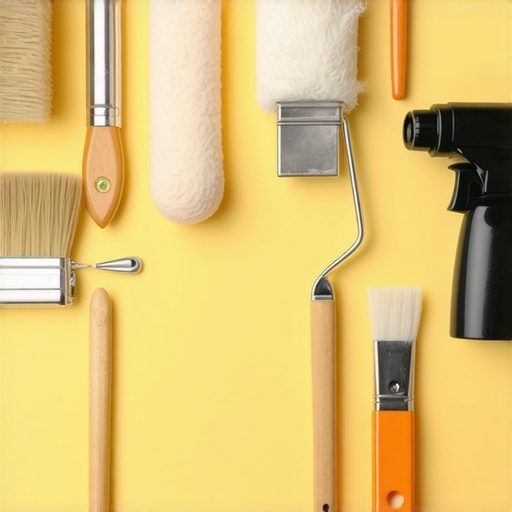
Over the years, I’ve curated a set of go-to tools—like the Purdy Corner Cat edger for crisp lines and a high-quality, flat roller for smooth coverage. A good moisture-resistant primer is vital, especially in humid bathrooms, to prevent peeling. I also recommend a small detail brush for edges and primer touch-ups. All these tools, combined with patience and attention to detail, ensure that your dark paint looks professional and lasts for years.
Books That Changed How I View House Painting and Local Projects
One book that profoundly impacted my approach is The Secret to Painting Over High-Gloss Cabinets. Though focused on cabinetry, its principles apply universally. It taught me about surface preparation and choosing the right sheen and finish. Another essential read is a comprehensive guide on preventing chalking in fiber cement house paint, helping me understand environmental considerations that affect durability. These resources have been invaluable in elevating my craftsmanship.
Your Turn to Try Bold and Beautiful
Embracing dark paint in small bathrooms can be a game-changer, but it requires thoughtful planning and execution. I encourage you to experiment with deep hues, implement proper priming, and invest in quality tools. Remember, every successful transformation begins with a willingness to try something different—so why not start today? Your small space could become your most stunning design achievement yet.
What’s been your biggest hesitation when considering a bold dark paint for your home? Share your thoughts below and let’s inspire each other to create beautiful, inviting spaces!