

I’ll never forget the first time I painted a busy commercial lobby. Within just a few weeks, scuff marks and scratches had already started to mar the freshly painted walls. It was a wake-up call that many property managers overlook—wear and tear happen faster than you’d think, especially in high-traffic areas like lobbies. That realization led me down a rabbit hole, discovering that choosing the right paint isn’t just about color and finish; it’s about durability, especially in spaces that see constant foot traffic. If you’ve ever faced the nightmare of repainting unnecessarily or dealing with deteriorating walls soon after your project wraps up, you’re not alone—and there’s a smarter way forward.
Why Skimping on Durability Costs More Over Time
Is a Fancy Finish Always the Best Choice?
Early in my career, I once opted for a cheaper, standard paint for a client’s lobby, thinking it would save money. Fast forward a few months, and I was back, patching up scuffed walls that looked shabby. That mistake taught me the importance of investing in scuff-resistant paints, especially in areas where shoes, carts, or everyday objects inevitably leave their mark. According to industry experts, choosing durable paint coatings can extend a property’s aesthetic appeal and reduce ongoing maintenance costs—sometimes by hundreds or thousands of dollars over the years (source).
Prepare Your Surface Properly
Clean Thoroughly to Ensure Bonding
Start by removing dirt, grease, or residue that can compromise paint adhesion. Use a mild detergent solution or a specialized cleaner, and scrub with a sponge or brush. For example, I once neglected to clean a lobby wall before painting, leading to poor adhesion and quick deterioration. Proper cleaning ensures the paint sticks and lasts longer.
Address Imperfections Before Painting
Fill small holes, cracks, or chips using a high-quality filler. Sand smooth once dry to create an even surface. Skipping this step often results in visible flaws that wear faster, especially in busy areas.
Select the Right Paint for Durability
Use Scuff-Resistant and High-Gloss Finishes
Opt for paints formulated for high-traffic environments, like epoxy or urethane-based coatings. Flat paints hide imperfections but are more prone to marks, while gloss finishes reflect light and resist scuffs. During a project, I chose a semi-gloss with added durability, and the walls maintained their finish for years, even after frequent cleaning.
Check for Quality and Composition
Inspect the paint’s pigment quality and additive composition. Avoid cheap brands that cut corners—industry experts warn that low-quality paints often contain inferior pigments that fade or peel faster (see more on choosing quality). A good rule is to perform the ‘chalk test’ on exterior walls to assess porosity and coating integrity.
Implement Proper Painting Techniques
Apply Multiple Thin Coats
Rather than one thick layer, use several thin coats for even coverage. This minimizes runs and ensures better adhesion. I learned this the hard way when rushing a project—thick layers dried unevenly, leading to peeling. Patience here pays off.
Maintain a Consistent Pace to Avoid Laps
Work smoothly in sections, blending edges to prevent visible lap marks. Overlap each stroke slightly while the paint is wet. This technique is especially important when painting high-traffic areas, as imperfections show quickly.
Protect and Maintain Post-Painting
Allow Proper Curing Time
Follow manufacturer recommendations for drying times before heavy use or cleaning. Rushing this step can cause the finish to mar or peel. Once, I waited a full week before exposing a lobby wall to traffic, and the result was a resilient surface that stayed pristine.
Implement Regular Cleaning with Care
Use gentle cleaning agents and avoid abrasive scrubbers. Regular maintenance keeps walls looking fresh and prevents dirt buildup that can degrade paint finish over time. For stubborn stains, gentle solutions like vinegar can help—check out this trick on cleaning brushes for more tips.
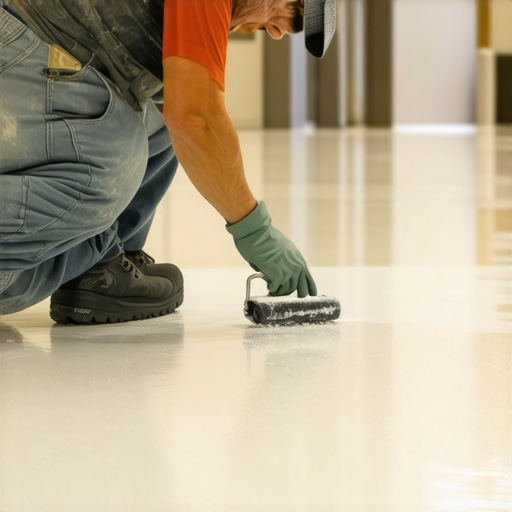 While many homeowners believe that painting is as simple as choosing a color and applying it, the reality is much more complex, especially if you aim for professional results. One of the most pervasive myths is that all paints are created equal, leading many to opt for cheaper options that look fine initially but fail prematurely. As I often warn clients, investing in high-quality, durable paints—like epoxy or urethane-based coatings—can significantly extend the life of your paint job and save money in the long run. Remember, the old adage “you get what you pay for” applies strongly in house painting.
Another misconception is that prepping is optional or can be rushed. In truth, surface preparation—cleaning thoroughly, filling cracks, and sanding—is the foundation of a lasting finish. Skipping these steps or rushing through them often results in peeling, bubbling, or uneven color. For example, neglecting surface cleaning can cause dirt and grease to prevent proper adhesion, leading to early deterioration. To see why meticulous prep matters, check out our guide on the chalk test for checking exterior wall porosity, which underscores the importance of assessing surface readiness.
homeowners frequently fall into the trap of thinking that painting only affects aesthetics. However, the choice of primer and paint type can influence not just looks but also durability and environmental factors. Using a shellac-based primer on knotty pine or stained surfaces prevents bleed-through and ensures a uniform finish. Likewise, selecting paints with appropriate VOC levels affects indoor air quality. For nuanced insight into pre-painting considerations, consider the benefits of accounting for high-durability epoxy needs in commercial projects.
Many assume that the biggest issue in painting is the visible finish. However, advanced mistakes like improper technique—applying too thick a coat or working in unsuitable conditions—can sabotage even top-quality materials. Applying multiple thin coats instead of thick, uneven layers enhances adhesion and finish quality. Furthermore, understanding environmental factors, such as humidity levels during application (the humidity rule for outdoor painting), is crucial. An overlooked aspect is the curing process; rushing curing time can cause peeling or sticky surfaces that attract dirt. As I advocate, patience and adherence to manufacturer instructions are vital.
Have you ever fallen into this trap? Let me know in the comments. Remember, avoiding these common pitfalls requires an understanding that great house painting hinges on nuance—beyond just selecting colors and slapping paint on the wall.
Keep Your Paint Job in Top Shape
Achieving a professional-looking, durable finish is only part of the equation; maintaining it over time requires the right tools and habits. In my experience, investing in quality equipment not only streamlines the process but also extends the lifespan of your paint job, saving you money and headaches in the long run.
Choose Your Brushes and Rollers Wisely
I personally swear by high-grade synthetic brushes for water-based paints, especially when working on drywall or smooth surfaces. They hold more paint, distribute it evenly, and minimize brush marks. For exterior surfaces, durable nylon or polyester rollers with replaceable covers are essential. I recommend choosing roller covers with a thick nap for rough textures and a smoother cover for finished wood or siding. Using inferior tools may seem like a cost-saving move initially, but poor application techniques lead to uneven coats and premature wear, negating any savings.
Master Proper Tool Cleaning
Keeping your brushes and rollers clean is crucial for their longevity and for maintaining pristine finish quality. I always start by rinsing brushes thoroughly with warm water or the appropriate solvent, then using a cleaning trick detailed here: how to prevent brushes from drying out. Additionally, storing brushes upright or in sealable bags prevents air-drying, which can ruin them quickly. Clean tools not only perform better but also help you detect issues like dried paint or bristles shedding that can mess up your work later.
Utilize Cutting-Edge Equipment
For those tackling larger or more detailed projects, a quality paint sprayer can drastically reduce application time and provide an even coat. While traditional brushes and rollers are still invaluable, modern HVLP (High Volume, Low Pressure) sprayers have become my go-to for projects like fencing or exterior walls. They produce a fine finish and require less overspray. Learning how to operate these devices properly is vital—over-spraying or uneven passes can lead to drips or uneven coverage. A detailed guide on maintaining these sprayers can be found here. I recommend practicing on scrap surfaces before starting on your actual project.
Plan for Long-Term Results
Most trends in house painting emphasize quick results, but durability depends on consistent maintenance. Scheduling regular inspections, cleaning, and touch-ups ensures that your investment lasts for years. When doing touch-ups, always match the existing paint formula precisely. Using the same brand and batch number, if possible, prevents mismatched color or sheen issues. For exterior projects, I advise checking the chalkiness or fading periodically by performing a simple chalk test.
Scaling Your Painting Efforts
If you’re managing larger projects or multiple homes, consider upgrading your toolkit with durable extension poles for brushes and rollers, ergonomic sprayer suits, and weather-resistant tarps. Investing in these tools reduces fatigue and improves safety, making it easier to sustain quality over the long term. As the industry evolves, more eco-friendly, high-performance coatings are entering the market, promising even greater longevity and environmental benefits. Staying updated with latest products via trade publications or industry forums can give you an edge.
Future Trends in Painting Maintenance
Looking ahead, I predict that smart paints embedded with microcapsules releasing biocides or self-healing properties will become commonplace. These innovations aim to reduce maintenance frequency further, especially in harsh climates or high-traffic areas. Experimenting with these advanced coatings could revolutionize how we approach house painting.
How do I keep my house paint looking fresh over time?
Regular cleaning using gentle methods, inspecting for early signs of wear, and employing quality tools are vital. Try incorporating the vinegar trick for rescuing crusty brushes (see how here) and upgrade your equipment to improve application consistency. The key is proactive maintenance paired with utilizing the best tools—it’s the secret to long-lasting, beautiful results.
Lessons That Changed My Approach to House Painting
One of the hardest lessons I learned was that even the most beautiful paint job can fail if you neglect simple yet crucial steps like surface preparation. I once rushed through cleaning, thinking it was unnecessary, only to see peeling paint within months. This taught me that patience and thorough prep are the real foundation of durability.
Another insight I gained was the importance of understanding the environment. Painting in high humidity without proper precautions led to sticky finishes and early peeling. Now, I always check the humidity levels (learn the humidity rule) to save myself headaches later.
Lastly, selecting the right tools isn’t just about convenience; it impacts the longevity of your work. Upgrading to quality brushes and rollers has significantly improved my results and customer satisfaction, proving that investing in good equipment pays off.
Gear Up for Lasting Results with Tools & Tricks
For preserving your brushes and rollers, I recommend the vinegar trick (see how to rescue brushes)—it saves money and extends tool life. When it comes to spray equipment, maintaining your sprayer with regular cleaning ensures smooth operation, which is critical for even coats and a professional finish. Use high-quality sprayers like HVLP models, and practice on scrap surfaces before tackling your main project (tips on sprayer care).
Choosing the right paint is another game-changer; opt for high-durability, scuff-resistant options for high-traffic areas. Sometimes, paying a little more upfront prevents costly repairs down the line, reinforcing the principle that quality paint is an investment.
Ignite Your Passion for Perfect Paintwork
This journey isn’t just about applying color—it’s about embracing a craft that combines science, art, and patience. Every brush stroke, every prep step, and tool choice contributes to the final masterpiece. So, take these lessons, gear up smartly, and turn your next painting project into a lasting success. With dedication and the right knowledge, you’ll transform spaces and create results that truly stand the test of time.
What’s the one painting mistake you’ve struggled with? Share below—I love hearing your stories and helping you improve your craft!
,