

Have you ever spent hours carefully painting a textured ceiling only to step back and notice uneven, jagged lines that make the whole room look sloppy? I remember my first kitchen ceiling disaster—bright sunlight streaming in just revealed the uneven edges I swore I’d hide. It was frustrating, frustrating enough to make me question every tip I’d read online about painting perfection.
Then I had a lightbulb moment: the secret isn’t just in the brushes or the paint, but in the simple trick that’s been hiding in plain sight—a basic tape hack that guarantees perfect, crisp lines on even the most challenging textured surfaces. And trust me, if I can do it, so can you.
This is how I finally tamed textured ceilings with just a bit of tape and patience
In today’s post, I’m going to walk you through the straightforward method I swear by for achieving those professional-looking lines—no more wobbly edges or bleeding paint. We’ll cover everything from the materials you need to the actual technique, so you can confidently tackle your next ceiling project.
Will this tape hack really work on textured surfaces?
That was my biggest concern early on. I’d tried before with lots of failure, leaving me with a mess. The key mistake I made was choosing the wrong type of painter’s tape—most bargain-brand tapes don’t adhere well to textured surfaces, leading to paint bleed and a jagged finish. Once I switched to a high-quality, painter’s tape designed for textured paint jobs, the results transformed entirely. Learn from my mistakes and get the right tape for the job.
It’s worth noting that proper masking isn’t just about aesthetics; it saves time and material in the long run. Properly sealed edges prevent paint from seeping into corners or wiping onto unwanted surfaces, making your work look cleaner and more professional. For additional tips on surface prep and paint selection, check out why flat paint is your friend for hiding imperfections.
Now, are you ready to learn the step-by-step method that will give you those perfect, clean lines every time? Let’s dive in and make your ceiling the masterpiece it deserves to be!
Prepare Your Tape and Surface Carefully
Start by selecting a high-quality painter’s tape designed for textured surfaces. I recall the time I used a cheap tape that failed to adhere, leading to bleed and jagged lines. To prevent this, press down firmly on the tape to ensure it bonds well, especially along uneven textures. Clean the ceiling surface with a damp cloth to remove dust and grease, which can compromise tape adhesion. This step is like preparing a canvas before painting—clean and primed for best results.
Apply the Tape Strategically
Stretch the tape taut and press it down along the desired edge, following the natural flow of the ceiling. When taping around fixtures or corners, use a putty knife or a plastic scraper to smooth the tape and eliminate any air bubbles. I once tried to freehand a line near a ceiling fan, resulting in uneven paint and frustration. Remember, the goal is to create a tight seal—think of it as sealing a bag of chips to keep the contents fresh, preventing paint from seeping underneath.
Use a Masking Technique for Sharp Edges
Once the tape is applied, lightly dab the edge with a small brush dipped in the ceiling paint color. This seals the tape and reduces bleeding. I once missed this step and had to do touch-ups afterward—an unnecessary hassle. The secret is to ‘charge’ the edge with the same paint to create a barrier, much like laying down a primer line before the topcoat. This ensures crisp, clean lines every time, even on highly textured surfaces.
Paint with Controlled Strokes
Apply the ceiling paint using a roller with a short nap, rolling from the unmasked area toward the tape edge but avoiding overloading the roller. Work in small sections to maintain a wet edge—when the paint still glistens, and you can blend easily. I vividly remember a project where rushing caused the paint to dry before I could smooth the line, creating a wobbly finish. To avoid this, keep a consistent pressure and work systematically, as if tracing a line with a marker—steady and confident.
Remove the Tape Carefully for Crisp Results
Once the paint is dry to the touch, peel back the tape slowly at a 45-degree angle. I once pulled the tape too quickly and tore some paint, which added more work. Patience is key—pull slowly, pulling against the paint edge to prevent lifting. Think of the tape as a band-aid you’re removing; gentle, deliberate movements preserve the clean line you’ve worked hard to achieve. This method guarantees the sharp, professional finish you desire on even the most challenging textured ceilings.
By following these precise steps—selecting the right tape, sealing edges, controlled painting, and careful tape removal—you’ll master crisp lines that elevate your entire painting project. Remember, the little details make all the difference in transforming a messy ceiling into a design feature that impresses.
While mastering the basics of local and house painting is essential, many seasoned DIY enthusiasts and professionals alike overlook subtle but impactful nuances that can make or break a project. Contrary to popular belief, rushing surface preparation or choosing the wrong paint type can result in costly mistakes, especially on complex surfaces like textured walls or exterior siding.
One prevalent myth is that more expensive paints automatically guarantee better results. However, studies show that application technique and surface prep often outweigh paint quality in determining finish longevity and appearance. For instance, a common mistake is neglecting to back-roll or properly prime surfaces, leading to prematurely peeling or uneven color.
How does surface porosity influence paint adhesion?
Advanced painters know that subtle surface porosity variations can cause lap marks or uneven drying, especially on exterior brick or stucco. The chalking phenomenon, where paint surface degrades into a powder, can be mistaken for dirt but actually indicates poor adhesion and an inadequate primer. A simple test can help determine if your surface needs additional sealing before applying a fresh coat.
Moreover, many overlook the importance of temperature and humidity during application. Painting in conditions outside the optimal range can lead to lap marks, bubbling, or coatings that dry too quickly, trapping solvents or air pockets. Recognizing these nuances is crucial for achieving professional results—more so than just selecting the right color.
Beware of the trap of over-reliance on DIY tutorials. While these are useful, they often omit the finer details like proper paint mixing, edge feathering, or the timing between coats. For example, a common pitfall is applying a second coat too soon, which can cause color inconsistency or adhesion issues. For a more comprehensive approach, consider consulting detailed guides or professional advice, especially on challenging surfaces.
Expanding your knowledge with insights from industry experts can significantly improve your proficiency. Like how research reveals that reflective coatings can reduce heating costs, understanding advanced techniques can add value beyond aesthetics.
Are you aware of the subtle mistakes that can sabotage your painting efforts? Have you ever fallen into this trap? Let me know in the comments. Remember, mastering the hidden nuances elevates your craftsmanship from amateur to artisan, ensuring durable, stunning finishes every time.
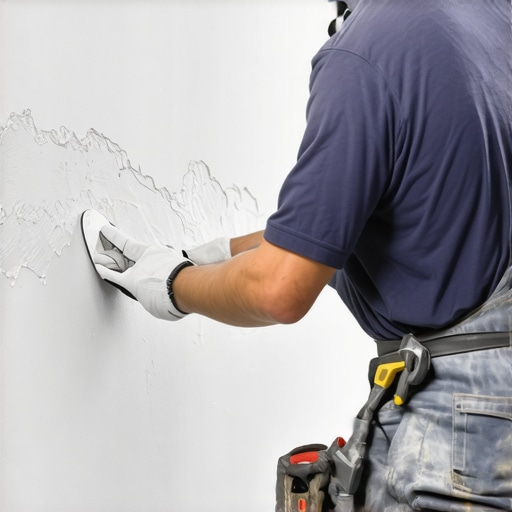
Keeping Your Painting Tools in Top Shape
Investing in quality tools is just the first step; maintaining them ensures longevity and optimal performance. I personally swear by using high-grade synthetic brushes for water-based paints, as they resist shedding and maintain flexibility over time, which helps achieve a smooth finish without brush marks. After each session, cleaning brushes with warm, soapy water and thoroughly rinsing is crucial—never store them wet, as trapped moisture leads to bristle deterioration and mold growth. For sprayers, I use the coffeé filter trick to strain leftover paint, preventing clogs and ensuring a consistent application. Regular maintenance of your spray tips with dedicated tools minimizes wear and tear, saving you money and frustration.
Tools I Recommend for Consistent Results
Aside from brushes and sprayers, I rely heavily on a high-quality laser level to achieve perfectly straight lines, especially when tackling expansive wall or ceiling projects. This tool becomes indispensable when working on multiple rooms or large exterior surfaces, maintaining consistency and reducing errors. For paint mixing, I use a drill-mounted paint stirrer which ensures uniform pigment distribution without introducing air bubbles that can ruin a finish. Modern advancements in tools, like cordless LED work lights, help inspect surfaces in various lighting conditions, revealing imperfections hidden in shadows. Combining these tools with disciplined techniques guarantees professional-looking results every time.
Future Trends in Painting Tools and Maintenance
Looking ahead, automation and smart technology will likely revolutionize maintenance routines. Predictive analytics embedded in new equipment could warn you of wear or clogging before issues arise, much like how roof coatings now incorporate intelligent sensors to monitor integrity. Embracing these innovations now positions you at the forefront of efficient, durable painting practices. For your next project, try upgrading to an advanced sprayer with built-in clog detection; it saves time and extends equipment lifespan—an investment that pays off by reducing downtime and material waste.
Maintaining Long-Term Results
Consistent maintenance not only prolongs the life of your tools but also ensures the longevity of your painted surfaces. Regular inspection for peeling, cracking, or chalking, and timely touch-ups can prevent costly full repaints down the line. For exterior surfaces, conducting a chalk test helps determine if repainting is necessary, safeguarding your home against weather damage. Establishing a routine, such as annual cleaning and equipment servicing, keeps your projects looking fresh and professional for years to come.
How do I maintain my painting tools over time?
The key lies in dedicated cleaning routines and proper storage. Clean tools immediately after use—never let paint dry on brushes or rollers—using appropriate solvents or water based on the paint type. Store brushes upright or hung to prevent bristle deformation, and keep spray tips and filters in sealed containers—this prevents dust accumulation and corrosion. Additionally, replacing worn-out parts like rollers or spray nozzles prevents subpar application quality. A well-maintained toolkit not only makes your work easier but also enhances your reputation as a meticulous DIYer or professional painter.
For further deep-dives into advanced painting techniques and maintenance strategies, I recommend exploring topics like repairing minor surface imperfections efficiently and staying updated with industry innovations. Remember, embracing proactive maintenance today will keep your results spectacular tomorrow—so go ahead, give your tools that extra care they deserve, and enjoy flawless finishes for years to come.
The Hidden Lessons Behind Those Flawless Lines
During my early painting days, I underestimated the importance of patience and surface prep. I learned the hard way that rushing the tape application or neglecting to clean the ceiling could sabotage even the best techniques. One of my biggest revelations was realizing that high-quality painter’s tape isn’t just a luxury but a necessity for textured surfaces. It’s a lesson in respecting the subtleties—sometimes, the simplest tools and patience create the most professional results.
Another lightbulb moment came when I discovered the value of sealing the tape edges with a bit of paint before the final coat. This step drastically reduces bleeding and ensures crisp lines. It’s these nuances—attention to detail and slow, deliberate movements—that separate a good job from a professional-looking finish. Trust me, mastering these insider tips elevates your painting game and saves you from tedious touch-ups later.
My Favorite Tools for a Flawless Finish
Over the years, I’ve curated a set of tools that are game-changers in achieving crisp, clean lines. A laser level becomes indispensable for laying out perfect masking lines across large ceilings or walls, ensuring consistency. I also swear by a drill-mounted paint stirrer to maintain uniform pigment, especially when working with darker or custom colors. For trimming edges, a quality angled brush paired with painter’s tape and the coffee filter trick for strain-filtered paint yields amazing results. These tools might seem simple, but their impact on the final look is profound, making your work look like it was done by a pro.
Taking Action to Elevate Your Painting Skills
The future of your painting projects depends on the steps you take tonight. Embrace the detail work—using the right tape, proper sealing, and controlled strokes—and watch your ceilings transform from cluttered to captivating. Remember, every successful project builds on your commitment to learning and refining your technique. Whether you’re painting textured ceilings or delicate trim, these insider lessons will serve you well in creating spaces that linger in admiration.
What has been your biggest challenge when aiming for crisp lines? Have you found a tip or tool that really made a difference? Share your experience below, and let’s learn together in this journey towards mastery.