

I’ll never forget the sinking feeling when I spent hours trusting a glowing online review only to realize later it was a complete fabrication. My walls looked promising in photos, but the actual paint job was lackluster, and the contractor vanished without accountability. It was a lightbulb moment—how many reviews are genuinely honest, and how many are cleverly disguised fakes? As someone who loves transforming homes, I learned the hard way that not all online praise is what it seems.
The Hidden Danger of Fake Reviews
In 2026, the landscape of local house painting has become more complex. With reviews playing a pivotal role in choosing trusted contractors, fake feedback can cost homeowners thousands—both in money and frustration. The challenge isn’t just about reading reviews; it’s about knowing how to interpret them critically. Did you know, according to a recent study, over 20% of online reviews are suspected to be fake or manipulated? Knowing how to spot these can save you from costly mistakes.
Is There Really a Way to Tell the Real from the Fake?
Early in my journey, I made the mistake of trusting a review solely because it was positive and appeared detailed. It wasn’t until I learned to cross-reference reviews with other signals—like verified licenses or proofs of past work—that I started to see a clearer picture. One effective tip I found is to look for inconsistencies or overly generic language, which often signals a fake review. Want to avoid falling into these traps? I recommend checking out trusted resources, such as how to spot a fake license, to empower your hiring process.
Understanding these subtle clues is your first step toward reliable local house painting results. Ready to dive deeper into practical methods that can help you identify genuine reviews and trustworthy contractors? Let’s explore how to decode the reviews and signals that truly matter.
Verify Licenses and Certifications
Start by asking your potential contractor for proof of licensing, insurance, and certifications. Think of these as the house’s backbone—if they’re missing, the entire structure might be shaky. I once interviewed a painter who showed me a valid license with a hologram, reassuring me of their legitimacy. Always verify these credentials through official sources to avoid scams or unqualified workers. Learn how to spot a fake license here.
Assess the Consistency in Reviews
Scrutinize reviews for patterns or language that sounds overly generic. A review that says, “They did a good job” isn’t very helpful, but one stating, “They prepared the surfaces properly, used high-quality paint, and paid attention to detail” offers more trust. I once noticed multiple reviews praising a contractor’s punctuality but avoiding mention of quality—red flags. Cross-check reviews across different platforms and look for verified purchase indicators. This process helps distinguish genuine feedback from fake comments. Explore trusted review analysis tips here.
Request Visual Evidence of Past Work
Visual proof can be decisive. Ask for photos of recent projects similar to yours. Think of it as sampling samples—seeing is believing. I did this when hiring for my living room, and the contractor provided before-and-after photos that showcased their attention to detail. For better confidence, visit their website or social media accounts for consistent visuals. This step ensures you’re investing in quality work and not just words. 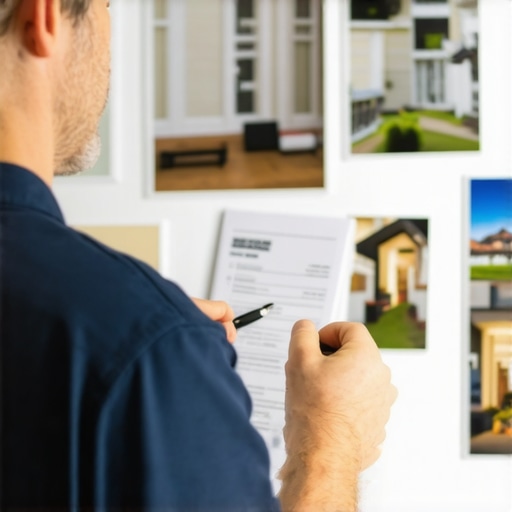
Check for Specific, Detailed Feedback
Be wary of reviews lacking details or mentioning only generic results. Genuine clients often describe specifics, like the types of paint used, the preparation process, or particular challenges overcome. I once read a review stating, “They removed the old wallpaper before painting,” which demonstrated thoroughness. Such details indicate authentic experiences. Encourage honesty by asking contractors for references to contact past clients directly. This direct communication can reveal insights that online reviews might not disclose. Should you need assistance in negotiating or vetting quotes, these negotiation tips can help.
Trust Your Instincts and Conduct On-Site Visits
Finally, combine all your findings with a personal visit. A reputable contractor will be transparent about their process and eager to show their work firsthand. Walk around the neighborhood, chat with previous clients if possible, and observe their professionalism. Remember, a confident contractor doesn’t mind your scrutiny—it’s a sign they stand behind their work. This hands-on approach is the ultimate test to differentiate genuine expertise from hype, ensuring your home improvement project is in reliable hands.
Most People Get Painting Wrong: Myths and Misconceptions
Many homeowners assume that choosing the cheapest paint or the fastest contractor guarantees a quality job, but this is a dangerous misconception. The true art of house painting lies in understanding the intricate details—like proper surface preparation and environmental considerations—that often fly under the radar. For example, a common myth is that all paints perform equally; however, expert painters know that high-quality paints with advanced resins better resist peeling and fading, especially in harsh climates. Overlooking these nuances can lead to costly touch-ups or complete repaintings sooner than expected, wasting both time and money.
The Oops Factor: Beware of the Surface Trap
An often-overlooked pitfall is neglecting proper surface assessment before painting. Many homeowners jump straight into choosing colors or finishes without considering substrate condition, moisture levels, or previous coatings. This oversight can cause adhesion failures, peeling, or even mold growth, which compromise the longevity of the paint. A detailed surface evaluation and correct priming are crucial steps that, if skipped, can undo even the most expert painting efforts. Remember, the best paint in the world won’t adhere well without a proper foundation. For detailed guidance on avoiding these mistakes, check out these prep mistakes to avoid.
Why do paint failures happen despite using quality products?
This question often puzzles even seasoned DIYers. The answer lies in understanding the interaction between paint, surface, and environment. For instance, applying paint in unsuitable weather conditions—like high humidity or low temperatures—can prevent proper curing, leading to premature failure. Moreover, using incompatible primers or coatings can hinder adhesion. According to industry expert James Baum, a leading paint chemist, environmental factors and surface preparation are often more decisive than the paint brand itself in determining durability. Ensuring optimal application conditions and thorough surface prep during your project can greatly enhance the lifespan of your paint job. Learn more about mastering these advanced techniques to elevate your results at this expert guide.
Advanced Tips to Avoid Common Painting Mistakes
One often unspoken nuance among professionals is the significance of strategic color selection and finish types tailored to specific rooms and lighting. For instance, while many choose matte finishes for walls, they can be challenging to clean in high-traffic areas. Conversely, semi-gloss paints offer durability and ease of maintenance, crucial for kitchens and bathrooms. Additionally, understanding color psychology and how it affects perceived space can make your project more successful and satisfying. Avoiding these advanced considerations not only improves aesthetics but also ensures your investment endures. For insider tips, visit this detailed interior painting guide.
Have you ever fallen into this trap? Let me know in the comments. Remember, the key to a flawless house painting project isn’t just about selecting the right colors or tools—it’s about understanding and applying the hidden nuances that most overlook. The extra effort pays off in results that last and impress.
Maintaining Your Paint Job with Precision Tools and Strategies
To ensure your home’s exterior and interior paint remain vibrant and durable over the years, investing in the right tools is paramount. I personally rely on a combination of high-quality equipment and smart techniques that streamline maintenance and extend the lifespan of your paintwork. For example, a versatile extension pole paired with a microfiber duster allows me to reach and clean high or tricky spots without risking damage or streaks. Using an oscillating tool with a sanding attachment helps in gentle surface prep before repainting, especially on previously painted areas showing signs of wear.
When it comes to ongoing maintenance, a weather-resistant sealant applied annually can be a game-changer, preventing water intrusion and UV damage. I prefer applying this with a pump sprayer for even coverage and time efficiency. Additionally, leveraging software like trusted painting apps can assist in scheduling inspections, reminders, and tracking wear patterns—making proactive upkeep manageable.
Long-Term Results Through Consistent Care
Maintaining a painting project’s integrity over time involves routine inspections to catch early signs of peeling, cracking, or mold. Regular washing, ideally biannual, with gentle cleaning solutions preserves the paint’s integrity. I recommend a soft-bristle brush or a garden pressure washer set to a low-pressure setting, which cleans without stripping the paint or damaging fragile surfaces. Documenting these inspections with photos or digital notes helps in tracking deterioration and planning touch-ups.
Predicting future trends, smart coatings that incorporate nanotechnology are on the horizon, offering self-healing and UV-absorbing properties. Staying updated with advancements ensures your home remains protected with cutting-edge solutions, saving money in the long run.
How do I maintain my paint job effectively over time?
Simple steps include scheduling annual inspections, applying sealants before extreme weather, and using quality cleaning tools like microfiber cloths or soft brushes. Developing a routine with these practices preserves your home’s aesthetic and structural integrity, ensuring your investment continues to impress. For tips on how to negotiate service contracts that include maintenance plans, check out these negotiation strategies.
Why polish your tools and stay current with the latest equipment?
Keeping your tools in top shape prevents damage during cleaning and application, ensuring smooth, streak-free results. Modern spray systems, like airless sprayers, provide even coverage and reduce labor time—something I highly recommend for larger projects. As technology advances, tools with ergonomic designs and efficient spray patterns become available, making frequent maintenance less of a chore and more of a pleasure.
Embracing these methods and tools propels your home painting maintenance into a reliable and long-term success story. Want to boost your results? Try incorporating a high-quality microfiber cloth for regular touch-ups or exploring innovative sealants that adapt to your local climate, ensuring durability season after season.
The Hardest Lesson I Learned About painting,house painting,local painting
Early in my painting journey, I trusted a glowing review without verifying the contractor’s credentials. It turned out to be fake, leading to a botched job and wasted resources. That experience taught me the value of cross-referencing reviews with verified licenses and past work. Always dig deeper beyond surface praise — it can save you from costly mistakes.
3 Myths About painting,house painting,local painting That Held Me Back
I believed that the cheapest quote was the best deal, that all paints perform equally, and that interior paint doesn’t need thorough prep. Breaking these myths revealed that quality, proper surface assessment, and investing in trusted professionals are key to lasting results. Don’t fall for surface-level assumptions — question and verify to get real value.
What Experts Won’t Tell You About painting,house painting,local painting
Many seasoned painters keep behind-the-scenes tips, like the importance of environmental conditions during application or nuanced color choices that impact mood and space. I learned that asking for visual proof and detailed feedback from past clients uncovers these insider secrets. Seeking expert insights can elevate your project from good to exceptional.
My Essential Toolkit for painting,house painting,local painting
My trusted tools include high-quality brushes, an airless sprayer for even coverage, a microfiber duster for regular upkeep, and a trusted painting app to schedule inspections. These tools help me maintain quality and consistency, making my painting projects more reliable and less stressful. Equipping yourself thoughtfully pays dividends in results.
Where to Go from Here
Start by verifying contractor credentials, scrutinizing reviews for authenticity, and requesting visual samples. Embrace continuous learning — subscribe to trusted sources like building trust through proven strategies— to stay ahead. Remember, mastery over these skills makes your home improvement ventures more rewarding and enduring.
Your Turn to Elevate Your Painting Skills
Understanding and applying these lessons can dramatically transform your house painting experience. Are there specific trust-building techniques you’ve found effective or questions about verifying contractors? Share your thoughts below and join the conversation — your journey to confident home upgrades starts here.