

Ever had the unsettling feeling after a home project that something just didn’t sit right? I vividly remember a time when I was preparing a new coat of paint on my living room walls, eager to see the flawless finish. But despite meticulous sanding and priming, something looked off. It was only weeks later I realized I missed a sneaky culprit—hidden sanding dust. That tiny, invisible grit had managed to cling onto the surface, causing long-term adhesion issues. That moment was a lightbulb for me: how could I have overlooked such a critical detail?
Discovering the Wet Rag Test for Spotting Sanding Dust
As a seasoned DIYer and painter, I’ve learned through many trial and error that recognizing invisible sanding residues can be tricky. One method that changed the game for me is the simple, yet effective, Wet Rag Test. When done correctly, it reveals hidden sanding dust that might otherwise ruin your painting project. It’s an honest, straightforward technique that I wish I had known when I started. And trust me, neglecting to check can cost you time, effort, and even the durability of your paint job.
Before diving into the specifics, consider this: Did you know that improper surface preparation is a leading cause of early paint failure? According to recent studies, adhesion failures are often linked to residual dust or oily residues that went unnoticed before painting (source). This makes mastering the Wet Rag Test not just a tip, but a necessity for anyone serious about quality results.
Now, imagine finishing a job with a smooth, clean surface only to see it peel or develop flaws within months. I’ve been there. That’s why I am committed to sharing reliable techniques to ensure your preparation is spot-on every time. Next, we’ll explore exactly how to perform the Wet Rag Test and interpret its results, so your paint can truly adhere and last.
If you’ve ever wondered why your perfectly prepped surface didn’t hold, or if you’re just tired of surprises after painting, you’re in the right place. Let’s get into the practical steps that will save you from future headaches and give your home the professional finish it deserves.
Prep the Surface with Precision
Start by cleaning your wall thoroughly. Use a damp cloth to remove any loose dust, dirt, or grease, ensuring no residue hampers adhesion. A clean surface is the foundation of a quality paint job and sets the stage for effective dust detection.
Perform the Wet Rag Test Step-by-Step
1. Gather Your Materials
Choose a clean, lint-free cloth or sponge dipped in plain water. Make sure the cloth isn’t overly saturated—wring out excess moisture to prevent drips or pooling on the wall.
2. Lightly Wipe the Surface
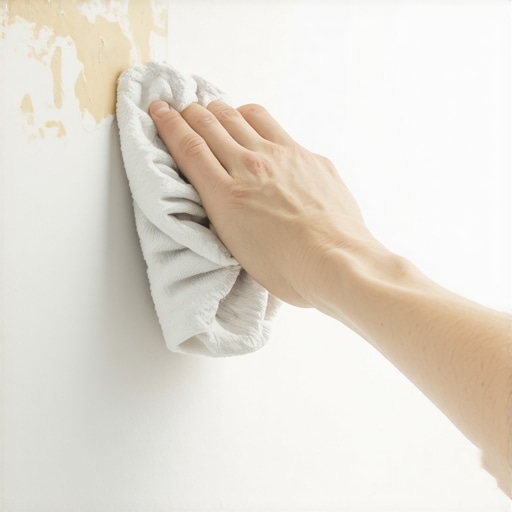
Gently wipe a small section of the wall with the damp cloth in a consistent, circular motion. Focus on areas you suspect may harbor dust or debris from sanding. Think of this step like polishing a mirror—gentle and thorough.
3. Observe the Transfer
As you wipe, watch for signs of dust or grit. If you see the cloth picking up dark, powdery spots or dust particles, it indicates residual sanding dust that needs removal. Even if the surface looks clean, microscopic dust can still be present, which is why this test is crucial.
Interpreting the Results
If the cloth remains clean and shows no dust particles, you’re likely ready for priming and painting. However, if you notice dirt or dust transfer, repeat the process on another section. For stubborn residues, consider vacuuming or wiping with a tack cloth before proceeding.
During one project, I used this simple test on a client’s textured wall. After wiping, I noticed a faint gray dust smudge on the cloth, which I hadn’t seen with the naked eye. Cleaning the surface again and re-testing prevented the paint from peeling prematurely, saving time and resources. It’s like taking a vital safety check before crossing a busy street—small steps that prevent big problems later.
Enhance Your Technique with Additional Tips
For tricky surfaces, using denatured alcohol can help remove oily residues that might interfere with adhesion, especially on kitchen or bathroom walls.
Remember, achieving a perfect finish isn’t just about application but meticulous preparation. The Wet Rag Test is your secret weapon to detect hidden dust and ensure a long-lasting, professional-looking paint job.
< }Many homeowners and DIY enthusiasts believe that prepping surfaces thoroughly and choosing the right paint are enough to guarantee a lasting finish. However, even seasoned painters often fall into nuanced traps that compromise their results. One common misconception is assuming that a single coat of good-quality paint will hide imperfections or cover dark walls adequately. In reality, multiple thin coats and proper surface preparation are crucial for durability and appearance. Skipping this step can lead to uneven coverage, peeling, or faster fading, especially if the underlying surface isn’t properly primed or if previous paint layers aren’t correctly identified.
Let’s bust a myth: many believe that using one-coat paints saves time and money. While this sounds appealing, studies and expert experience show that stubborn areas—like deep, dark hues or textured surfaces—actually require multiple coats for an even, professional finish. Rushing this step often results in uneven color or an overly glossy appearance, which becomes apparent once dried. For insights on choosing the appropriate finishing options, check out the best washable paints for 2026.
Beware the trap of neglecting ambient conditions during painting. Many overlook how temperature, humidity, and even air circulation affect drying and curing times. Painting in high humidity, for instance, can trap moisture within the coating, leading to issues like blushing or peeling later on. Using a fingerprint test can help you verify if the previous layer has properly cured before proceeding.
Advanced painters consider the surface’s history—has it been properly primed, patched, or sanded? A common mistake is applying paint directly over glossy or oily surfaces without de-glossing or using a bonding primer. This leads to adhesion failures and premature peeling, especially on kitchen or bathroom walls where grease and moisture are prevalent. For detail on preparing tricky surfaces, review this guide to bathroom ceiling prep.
A nuanced issue often ignored involves the substrate material itself. For example, cedar siding can bleed tannins, causing stains under the new coat. Many skip the step of applying a zinc-rich primer or sealing the wood first, which ultimately results in staining and discoloration over time. Being aware of the underlying material and selecting compatible coatings is essential for lasting results.
Have you ever fallen into this trap? Let me know in the comments. Mastering these nuances not only elevates your painting skills but also extends the lifespan of your work, saving you money and frustration in the long run. Remember, attention to detail and awareness of these common pitfalls can make the difference between a mediocre paint job and a truly professional finish.
Maintaining your paint job’s integrity over time requires more than just initial precision; it hinges on using the right tools, adopting effective methods, and knowing how to troubleshoot issues as they arise. As a professional painter, I rely heavily on specific equipment and techniques to ensure durability and quality that endures the test of time.
Invest in a High-Quality Spray Gun for Precision and Efficiency
Personally, I prefer using a Graco airless spray gun, such as the Graco Magnum 257025 Project Painter Plus. Unlike brush or roller applications, spray guns provide a seamless, even coat that minimizes brush strokes and overlaps, which can trap air or create uneven finishes. This equipment simplifies large projects and ensures thorough coverage, reducing the need for re-coating and touching up, ultimately prolonging the lifespan of your paintwork.
Utilize Modern Surface Preparation Tools
Proper surface prep is critical, and the right tools make all the difference. I swear by orbital sanders with variable speed settings—they allow me to remove old paint, smooth rough patches, and prepare surfaces swiftly. Pairing this with a tack cloth or a compressed air blower leaves the surface spotless, which is essential for adhesion. Don’t overlook the value of a moisture meter to assess wood or drywall conditions—moisture content can undermine your work if neglected.
Apply Advanced Protective Coatings
Long-term results are heavily influenced by the coatings you choose. I recommend using zinc-rich primers for exterior projects, especially on metal or fiber cement siding, to combat chalking and corrosion. Chalking can drastically reduce paint durability. Similarly, for high-traffic areas or kitchens, I opt for scuff-proof, washable finishes—these not only withstand wear but also make maintenance straightforward and cost-effective over the years.
Monitor and Maintain Your Tools Regularly
Consistency in results depends on proper tool maintenance. I dedicate time every few projects to cleaning spray tips, replacing worn brushes, and calibrating sprayers. This proactive approach prevents equipment failure or subpar application. Remember, clogged nozzles or uneven spray patterns can cause thin spots or drips, ultimately affecting the paint’s long-term adhesion and appearance.
The Future of Home Painting Tools and Methods
Looking ahead, advancements like AI-powered surface scanners and nano-coatings promise to revolutionize how we approach house painting, offering predictive maintenance and ultra-durable finishes. Staying current with these innovations will be crucial for contractors and DIY enthusiasts aiming for longevity and quality.
To maximize your results, I encourage you to try using a professional-grade spray gun combined with zinc-rich primers on your next exterior project. This combo will significantly extend the life of your paint, reducing the frequency of repainting and touch-ups. Remember, the right tools paired with strategic protective measures make a tangible difference in the long run. If you want a detailed breakdown of long-lasting paint systems, check out this article for insights on durability essentials.
What I Wish I Knew When I Started Painting
One of the most valuable lessons I learned is the importance of surface preparation beyond just cleaning. Recognizing subtle residues like sanding dust can save you from premature peeling or uneven finish. This insight came after countless hours of redoing projects that could have been flawless if I had paid closer attention to the details, such as performing the wet rag test diligently. Small, seemingly insignificant steps can make a massive difference in the longevity and beauty of your paintwork.
Tools and Tips That Changed My Approach
Switching to a high-quality spray gun like the Graco Magnum transformed the way I applied paint, offering even coverage and reducing labor time. Pairing this with modern surface prep tools, such as orbital sanders and moisture meters, amplified my results. I now understand that investing in the right equipment not only improves efficiency but also ensures a professional finish that lasts years longer.
Honest Advice from Real Experience
One misconception I’ve shed light on is the myth that one-coat paints are sufficient for all projects. In reality, multiple thin coats provide better adhesion and color depth, especially over dark walls. Additionally, knowing how environmental factors like humidity affect drying times has helped me plan better, avoiding issues like blistering or peeling. These lessons weren’t academic—they came from hands-on experience and a desire to do better with each project.
Curated Resources That Elevated My Craft
For anyone eager to refine their house painting skills, I highly recommend tools like zinc-rich primers for exterior durability and washable interior paints for high-traffic areas. These resources are trusted because they’ve consistently delivered superior results for me and many others in the trade. Moreover, staying updated through industry blogs and tutorials ensures you’re aware of the latest innovations, like nano-coatings and smart surface preparations that make your work stand out.
Your Next Step: Embrace the Details
Painting is more than a surface task—it’s a craft that rewards patience, attention, and continual learning. Whether you’re tackling a small room or a full exterior, applying these lessons will elevate your work from decent to truly professional. Remember, every brushstroke and prep step is an investment in your home’s beauty and durability. So go ahead, pick up that brush with confidence, and turn every project into a masterpiece.