
I remember the exact moment I noticed it—the ceiling above my bathtub suddenly looked like a peeling map, long sheets curling and flapping with every hot shower. It was one of those frustrating homeowner moments where you feel helpless, wondering what went wrong and how to fix it. That lightbulb realization hit me hard: moisture, poor ventilation, and subpar paint combined into a perfect storm, causing my ceiling to deteriorate faster than I ever expected.
Discovering the Real Culprit Behind Peeling Ceilings
Few things are more unsettling than watching your bathroom ceiling peel in long, unsightly sheets. It’s a problem many homeowners face, especially in bathrooms where humidity levels soar after each shower. The peeling isn’t just inconvenient; it indicates underlying issues that, if left unaddressed, can lead to mold growth, structural damage, and costly repairs. Today, I’ll share my journey from frustration to understanding, so you don’t have to go through the same guesswork.
But why does this happen so often? The primary culprit is moisture—hot, humid air meeting cold surfaces, creating the perfect environment for paint to lose adhesion. Often, inadequate ventilation or old, ineffective paint exacerbates the problem. Believe me, I made the mistake early on of rushing to repaint without fixing these core issues. I thought applying a fresh coat would solve it, only to find the peeling returned within months. If you want to avoid that cycle, understanding the root causes is essential.
Before diving into solutions, let me ask you: Have you noticed peeling or flaking in your bathroom ceiling after a hot shower? If so, you’re not alone, and there’s a way to fix it for good.
The One Mistake I Made That Made Things Worse
In my early attempts, I ignored the importance of proper surface prep. I thought that just cleaning the surface and applying more paint would do the trick. Turns out, I was wrong. Skipping thorough cleaning and not addressing underlying moisture issues meant my paint job never truly bonded. This is a common error that can sabotage even the best paint. For reliable results, excellent surface preparation and controlling moisture levels are critical.
If you want to learn how to avoid such pitfalls and choose the right materials, check out [this guide on local painting bids](https://elitepainterpro.com/7-ways-to-audit-your-2026-local-painting-bid-for-quality), which can help you vet contractors and ensure quality work from the start. With the right understanding, you can transform your bathroom and prevent future peeling.
Prepare Your Surface Thoroughly for lasting adhesion
Begin with a clean, dry surface—use a scraper to remove peeling paint and a vacuum or damp cloth to eliminate dust and grime. I learned this the hard way when I skipped proper cleaning and ended up redoing the job within months. Think of it like sanding a rough piece of wood before painting; the smoother the surface, the better the paint sticks.
Address Moisture Sources Immediately
Identify and fix the root moisture issues—install or upgrade ventilation fans, seal leaks around plumbing, and consider using a dehumidifier if necessary. I installed a high-quality exhaust fan that vented outside, which drastically reduced humidity levels after every shower. This step is crucial because moisture trapped behind paint causes peeling.
Upgrade to Moisture-Resistant Primer
Apply a high-quality, mold-resistant primer designed for bathrooms. This acts as a barrier, preventing moisture from penetrating the paint layer. I recommend opting for primers that are specifically formulated for damp areas—these are more effective at bonding and resisting mold growth.
Choose the Right Paint for Bathroom Environments
Use a waterproof, mold-resistant paint suitable for high-humidity zones. Before applying, test a small area to ensure proper adhesion. During my renovation, I selected a paint with antimicrobial properties, which kept the room looking fresh longer and prevented mold from forming.
Follow Proper Application Techniques
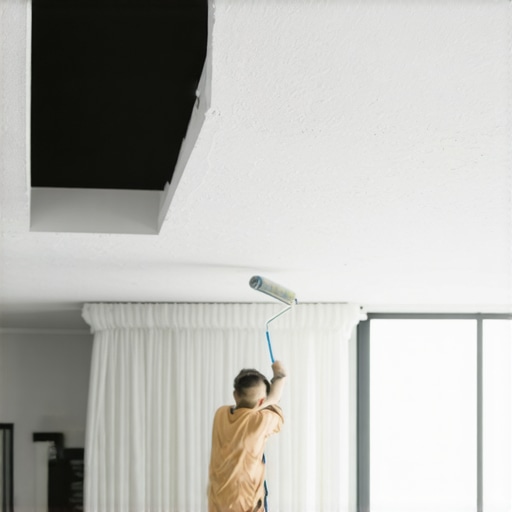
Apply paint in thin, even coats, and allow each coat to dry completely—usually 24 hours—before adding another. Use a high-quality roller with a nap appropriate for smooth ceilings, like a 3/8-inch nap, to avoid streaks. I always start from the center and work outward to maintain a uniform finish, which helps prevent drips and uneven coverage.
Maintain Ventilation and Humidity Levels
After repainting, keep the bathroom well-ventilated, especially during and after showers. Consider installing humidity sensors linked to exhaust fans that turn on automatically when humidity rises above a set point. During my project, I added a smart humidity monitor connected to my ventilation system, which kept moisture levels consistently low, preserving my paint job.
Monitor and Reapply as Needed
Regularly check your ceiling for signs of moisture or peeling. Promptly reapply paint or primer if you notice early damage. Think of it like maintaining your car—small tweaks prevent bigger, costly repairs later. My routine checks allowed me to catch minor issues before they worsened, saving time and money in the long run.
Secure Additional Tips for a Lasting Finish
To further improve your results, consider using a paint that contains anti-fade or stain-resistant properties. Moreover, always read and follow the manufacturer’s instructions for each product to maximize durability. For expert tactics, explore this audit guide on local painting quality.
 When it comes to house painting, many homeowners and even seasoned DIYers fall into common traps, believing they understand the essentials but missing the nuanced truths that can make or break a project. A widespread misconception is that selecting the thickest or most opaque paint guarantees durability. However, experts emphasize that formulation matters more than just coverage—especially in high-traffic or moisture-prone areas like kitchens or bathrooms. Choosing paints with advanced binders and resins, such as acrylic or elastomeric coatings, can provide superior adhesion and longevity. Moreover, ignoring surface prep—like proper sanding and cleaning—often leads to peeling or uneven finishes, regardless of paint quality. The ‘Oops’ many make is rushing this step; a clean, well-primed surface is critical for lasting results.
Another overlooked aspect is the impact of environmental conditions during application. Painting in high humidity or extreme temperatures can compromise the drying process, leading to problems like blistering or mold growth. Advanced painters recommend checking local weather forecasts and understanding how factors like dew point influence drying times. Interestingly, some contractors might omit discussing these conditions or rush through the prep, which can cause *pre-mature failure* of the paint job. It’s essential to recognize that environmental control isn’t just a minor detail—it’s a core component of quality work.
### Why do so many professional painters still make this advanced mistake?
Despite the wealth of information available, many contractors fail to prioritize moisture testing and environmental assessments before painting. This oversight can be traced back to cost-cutting motives or a misunderstanding of the long-term benefits of proper prep and timing. According to a study published in the Journal of Coatings Technology, moisture-related failure accounts for over 35% of interior and exterior paint failures, highlighting a critical area often neglected in local bidding processes. Notably, tools like moisture meters and humidity sensors are affordable and provide significant insight, yet many bids exclude them—see [this resource on red-flag tools](https://elitepainterpro.com/4-red-flag-tools-your-2026-local-painting-bid-is-missing) to learn more about what your contractor may be skipping.
Finally, many underestimate the importance of understanding the underlying surface condition. Failing to identify issues like wood rot, efflorescence, or previous coatings’ failure mode can result in subpar adhesion and rapid deterioration. Skilled painters conduct thorough inspections and apply surfaces tailored to the specific substrate, which is an advanced technique many amateurs overlook. For example, using a bonding primer on glossy surfaces ensures better adhesion and reduces peeling risks, especially if the existing paint is affected by moisture or age.
In essence, the real expertise in house painting hinges on attention to these subtle but vital details—beyond just choosing the right color or the cheapest bid. Investing in surface preparation, environmental assessment, and advanced coating selection enhances durability and aesthetic appeal.
Have you ever fallen into this trap? Let me know in the comments. Remember, your next project can benefit from these insights to achieve professional-grade results.
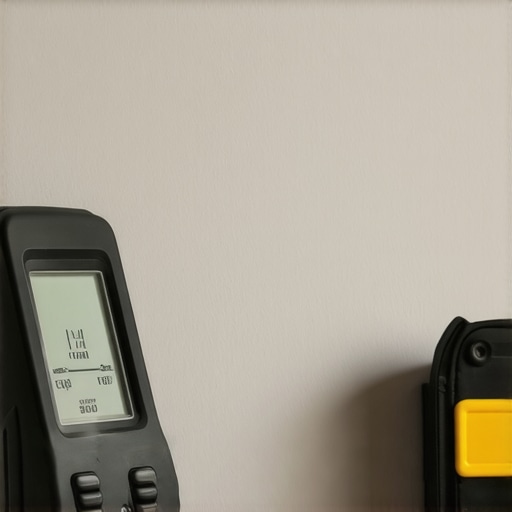
Maintaining your painted surfaces over time requires more than just applying high-quality paint; it involves using the right tools and adopting effective routines that ensure longevity. One of my top recommendations is investing in a professional-grade moisture meter. This device allows you to regularly assess moisture levels in walls and ceilings, especially in bathrooms or kitchens where humidity fluctuates frequently. Using a moisture meter helps prevent premature peeling by catching lurking moisture issues early, aligning with the insights from the Paint Quality Technical Specifications.
Another essential tool is a high-quality, multi-purpose paint sprayer. Unlike standard brushes or rollers, sprayers provide an even application, reducing the risk of uneven coats that can lead to peeling or chipping over time. Personally, I prefer models with adjustable pressure controls and fine atomization settings, which give me precise control and minimal overspray—crucial for detailed work or tricky corners.
When it comes to cleaning brushes and tools, I rely on eco-friendly, biodegradable cleaning solutions that efficiently break down paint residues without damaging the environment. Regular maintenance of your tools not only prolongs their lifespan but also ensures consistent results in future projects.
Beyond equipment, routines like inspecting painted surfaces every six months can greatly improve long-term results. Look for signs of wear, scratches, or moisture intrusion, and address issues promptly—be it reapplying a fresh coat of primer or sealant. Incorporating these maintenance habits can save you from costly repairs down the line.
How do I keep my paintwork looking fresh over the years?
One forward-thinking approach is exploring advanced coating options, such as self-healing paints. These innovative products can automatically repair minor scratches and chips, significantly extending the lifespan of your paint. As this technology becomes more accessible, I expect it will revolutionize long-term house maintenance, reducing the need for frequent repainting.
Finally, always stay updated with the latest tools and techniques. For example, consider implementing smart humidity sensors connected to your home’s ventilation system. Automated systems can activate exhaust fans the moment moisture exceeds safe levels, providing real-time protection against peeling and mold growth. To learn more about smart tools that integrate environmental control, visit this guide on quality audits.
Take this opportunity to upgrade your maintenance routine by trying out a high-precision moisture meter. Early detection of humidity issues can save you considerable time and money, and ensure your paint remains flawless longer. Regular tool care and monitoring set the foundation for a durable, beautiful finish that withstands the tests of time.