

I remember the first time I spent hours meticulously painting a room, only to step back and see the dreaded bleeding—those fuzzy, uneven edges creeping under the baseboard. It was frustrating, especially after all that careful work. I had assumed that crisp, clean lines were just a matter of steady hands or good tape, but I learned the hard way that there’s more to it. That lightbulb moment made me realize: subpar preparation and overlooked details can turn crisp lines into a nightmare of bleed-through.
The Secret to Sharp, Clean Lines That Actually Stick
Today, I’ll share the proven techniques I’ve gathered over years of perfecting my paint edges. If you’ve ever faced the annoying issue of bleeding paint under your baseboards, you know how discouraging it can be. But don’t worry—there’s hope. We’ll go beyond basic taping and show you the insider tricks to get those perfectly sharp lines that stay crisp through drying and even after years.
Is Making Sharp Lines Worth the Extra Effort?
In my early days, I thought rushing through the prep was enough—after all, paint is paint, right? Wrong. I made a simple mistake: I skipped the crucial step of properly sealing edges with a high-quality primer designed for cutting in. That oversight caused the paint to seep and bleed, ruining the sharp look I was after. Trust me, skimping on prep costs you in the end. Want to avoid my rookie mistakes? Check out some expert-approved tactics that actually work, like proper masking techniques and using the right kind of painter’s tape. For more detailed guidance, have a look at this resource.
One thing’s clear: rushing the prep work can sabotage your efforts before you even start. So, let’s dive into why these details matter and how you can master the art of clean lines that hold up over time.
Prime and Seal Edges First
Before you even think about taping, ensure the surface is clean, dust-free, and lightly sanded. Apply a high-quality primer designed for edge sealing—this binder creates a barrier that prevents bleed-through. I once skipped primer on a bedroom ceiling, thinking tape alone would suffice, but paint seeped underneath, ruining the lines. The fix? I learned to always prime edges, especially on porous surfaces, for a crisp finish.
Choose the Right Tape and Prepare It
Invest in painter’s tape that’s specifically formulated for sharp lines. Before use, press the edges with a cloth or your finger to activate the adhesive and eliminate air gaps. When I tackled my living room, I cut strips of tape long enough to run seamlessly along the baseboards. Ensuring the tape sticks firmly prevents paint from sneaking underneath, giving you that professional edge.
Apply a Thin, Even Layer of Paint
Use a quality angled brush for detailed work—think of it as your precision tool. Load just enough paint to slightly cover the bristles, avoiding drips or pooling. I once loaded my brush generously, leading to uneven lines and splatters. Dabbing off excess paint and applying in smooth, controlled strokes results in a clean, sharp edge. Work slowly and steadily for best results.
Use the ‘Pull-Back’ Technique
After painting up to the tape line, gently pull the brush away while the paint is still wet. This minimizes the chance of paint running or feathering beyond the edge. I found that pulling back slowly creates a crisp boundary. If you notice a tiny smear, wait for the paint to cure slightly, then lightly sand and touch up for perfection.
Remove Tape at the Right Moment
Peel the tape off when the paint is just set but not completely cured—usually within 30 minutes to an hour after painting. This prevents tearing or pulling up fresh paint. I once waited too long, and removal caused paint to crack and peel, ruining my hard work. For best results, remove the tape at a consistent angle, pulling away gently.
Final Touches and Corrections
If minor imperfections appear, use a small artist’s brush dipped in fresh paint to touch up. A steady hand here makes the difference between amateur and professional-looking lines. Remember, patience at this stage ensures the sharpness of your edges endures over time. Don’t rush—your meticulous effort pays off in a clean, crisp finish that lasts.
Many people assume that selecting the right paint color or brush is all it takes to achieve stellar results in house painting. However, the real craftsmanship lies in understanding the intricate nuances that often go unnoticed. For instance, a widespread myth is that more expensive paints automatically mean better durability. In reality, premium paints can falter if applied without proper surface prep or in unsuitable conditions. This misconception can lead to costly peeling or fading within a short period.
Another common mistake involves neglecting environmental factors like humidity and temperature during painting. While beginners might overlook these aspects, experienced painters recognize that painting in high humidity can cause faster drying times, leading to uneven finishes and adhesion issues. In fact, studies have shown that moisture levels significantly influence paint performance and long-term appearance, emphasizing the importance of using humidity-proof prep tactics for professional results.
**Are you aware of the advanced tricks that can maximize your paint’s lifespan and aesthetic appeal?** Dive deeper into techniques such as micro-priming and the latest nanotechnology coatings that create longer-lasting, chalk-resistant surfaces. These innovations are discussed extensively in expert resources—like this guide on preventing chalking on fiber cement siding—that reveal how subtle adjustments in prep and materials make a substantial difference.
Beware the trap of underestimating surface preparation. Rushing through cleaning, sanding, or priming can drastically reduce adhesion quality. A common mistake is applying paint over dusty or glossy surfaces, which compromises the finish and accelerates deterioration. To avoid this, adopt scrub-safe tactics to ensure your surfaces are impeccably prepared, a crucial step frequently overlooked by DIY enthusiasts.
Furthermore, many underestimate the impact of proper edge finishing in achieving crisp lines. Applying painter’s tape without activating adhesives or failing to use micro-prep techniques can result in feathered edges that bleed over time. Mastering these advanced edging methods is key to a flawless, professional look that endures.
In summary, to elevate your painting projects from amateurish to expert-level, investigate beyond basic tutorials. Incorporate advanced surface prep, understand environmental influences, and leverage cutting-edge coatings to prevent common pitfalls. For practical insights, check this resource on scraping safe tactics for interior projects, or see how micro-priming can transform your exterior durability.
Have you ever fallen into these traps? Let me know in the comments! Remember, paying attention to these hidden nuances can save you time and money, while ensuring your paint job truly stands the test of time.
Achieving stunning, long-lasting results in house painting goes beyond the initial brush strokes. The secret to maintaining your paintwork’s integrity over time lies in investing in the right tools and adopting disciplined maintenance routines. As an experienced painter, I’ve refined my toolkit and strategies to ensure each project stands the test of time, saving me money and frustration in the long run.
Invest in High-Quality Brushes and Rollers
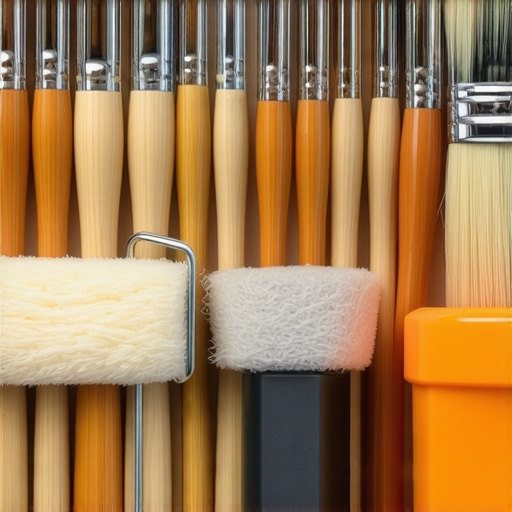
Having the right brushes and rollers is non-negotiable. I personally swear by Angled Premium Paintbrushes with synthetic bristles because they provide precision at edges and corners, minimizing the need for touch-ups. For large surfaces, a high-grade microfiber roller reduces splatters and provides even coverage. Cheap tools tend to shed bristles or leave streaks, compromising the durability and appearance of your paint.
Use Advanced Cleaning Equipment for Maintenance
Keeping your tools in pristine condition is vital. I recommend investing in a dedicated paint brush comb and lint-free cloths for cleaning brushes thoroughly after each use. Additionally, a portable ultrasonic cleaner can swiftly remove dried paint from brushes and rollers, especially when dealing with stubborn spatter. Proper cleaning ensures your tools last longer and perform consistently, which directly impacts the longevity of your paint jobs.
Implement Routine Inspection and Touch-Ups
Over the years, I’ve learned that periodic inspections are key to long-term maintenance. Schedule a visual walk-through every 6-12 months to identify any signs of wear, chipping, or fading. Quick touch-ups with matching paint—preferably kept in sealed, labeled containers—can prevent small issues from escalating. This proactive approach preserves your project’s original quality without needing complete repaints prematurely.
Stay Updated with New Technologies and Methods
The painting industry is rapidly evolving, with innovations like nano-bonding and moisture-resistant coatings redefining durability standards. I highly recommend exploring options such as nano-bonding or micro-priming techniques to extend the life of your paint. These advanced methods require specialized equipment, but they dramatically improve long-term results, especially in high-moisture or high-traffic areas.
Predicting Future Trends in House Painting Tools
Looking ahead, I believe automation and smart technology will play an increasing role. Drone-assisted inspections, AI-based color matching, and IoT-enabled maintenance schedules could become standard practices. Staying ahead involves embracing these changes and continuously updating your toolkit and knowledge base.
How do I keep my paintwork maintained over time?
Start by establishing a regular maintenance schedule that includes thorough inspections, timely touch-ups, and the use of durable, innovative coatings. Using high-quality brushes and cleaners ensures tools perform optimally, preventing unnecessary wear and tear. Remember, proactive care saves money and keeps your project looking fresh for years. Don’t forget to explore advanced techniques like micro-priming to further extend your paint’s lifespan. Try integrating ultrasonic cleaning into your routine—your tools will thank you, and so will your walls.
What I Wish I Knew Before Painting Edges
One of the toughest lessons I learned was the importance of patience and meticulous preparation. Rushing through priming or ignoring surface cleanliness often led to bleeding paint and jagged edges that taunted me long after I finished. Now, I realize that embracing detail—like ensuring the surface is dust-free and primed properly—can make a world of difference in achieving crisp lines that endure. This lightbulb moment taught me that even the smallest step can elevate the entire project.
My Top Tools for Flawless Finishes
Over the years, I’ve grown to trust certain tools that consistently deliver professional results. For me, high-quality angled brushes provide precision, especially when working near trim or corners. Micro-primers and painter’s tapes that activate with pressure create a seal that prevents bleed-through. I’ve also discovered ultrasonic brush cleaners, which keep my tools in pristine condition, ensuring smooth application every time. These trusted tools save time and enhance the longevity of my paintwork.
Your Journey Starts with a Mindset Shift
The most profound realization I made is that achieving durable, sharp lines isn’t just about technique—it’s about mindset. Becoming patient, refusing shortcuts, and paying attention to details like surface prep and tool quality transformed my results. I encourage you to view each project as an opportunity to learn and refine your process. Remember, the mastery of crisp, lasting paint lines is within your reach with the right attitude and attention to detail.