

It was a warm Saturday morning when I finally decided to give my house a fresh coat of paint. Everything seemed straightforward—until I spotted uneven patches and a weird streaky finish that just wouldn’t look right. Turns out, I had fallen victim to a common trick painters use: watering down paint to make it stretch further. That lightbulb moment made me realize how deceptive simple shortcuts can be, especially when it comes to something as permanent as your home’s exterior.
Why Watered-Down Paint Is a Major Worry for Homeowners
Watering down house paint might sound like a clever way for contractors to save on supplies and maybe even lower their bids. But in reality, it often leads to poor adhesion, faster fading, and an overall lack of durability. If your painter is watering down paint, they’re likely sacrificing quality for quick profits, putting your investment—and your home’s protection—at risk.
Is Cutting Corners Really Worth the Risk?
Early in my own experience, I trusted a local contractor because their quote seemed reasonable. Instead of the thick, branded paint I expected, I discovered they used diluted paint, which disguised their true work quality. Knowing how to spot this trick can save you hundreds, even thousands, down the line. For a deeper dive into how pressure washing can sometimes unintentionally harm your outdoor paint (and what to do about it), check out this insightful article: Why Your Pressure Washer Might Be Wrecking Your Paint.
This isn’t just about avoiding disappointment; it’s about protecting your home from premature wear and costly repainting. But how can you tell if your contractor is watering down your paint before they even start? That’s exactly what we’ll cover next, equipping you with practical, straightforward steps to ensure your paint job stands the test of time.
Identify Thinner Paint Layers with the Tape Test
Start by performing the tape test on a small, inconspicuous area. Press a piece of clear painter’s tape firmly onto the surface, then peel it back slowly. If paint comes off easily or the layer feels thin, you’re likely dealing with watered-down paint. I tried this on a recent project by sticking tape to a corner of my siding; the tape pulled off some paint, confirming my suspicion of improper dilution.
Examine the Paint’s Consistency and Appearance
Before hiring, ask to see samples of the paint they plan to use. Thick, brand-name paints should resemble syrup—viscous and uniform. If the sample looks watery, streaky, or has a runny texture, it’s a red flag. When I requested the paint sample from a contractor, it was visibly thin and watery, which prompted me to dig deeper into their quality procedures. For more insights on avoiding low-quality paints, visit 7 scuff-proof ceramic paints.
Check the Primer Layer for Uniformity
Once the primer is applied, inspect its coverage. Proper primer should be even, with no patchy spots. If the primer layer appears patchy or dull, the underlying paint might be watered down, causing poor adhesion. During my last project, I manually examined the primer surface under daylight—areas with inconsistent coverage hinted at potential issues with the top coats. For tips on preparing surfaces properly, see red flags in local painting bids.
Demand Transparency and Documentation
Request detailed documentation of the paint brand and batch number, and confirm the supplier’s specifications. Professional painters should readily provide this info. I made it clear during negotiations that I wanted the paint manufacturer’s datasheet, and they complied, giving me peace of mind. This simple step prevents budget cuts disguised as shortcuts. For more guidance on evaluating bids, check humidity-proof prep tactics.
Trust Your Instincts and Wait for Proper Testing
If any doubt persists after these steps, don’t proceed. Stand firm and request the contractor perform the tape test on-site. Realistically, it took me about 15 minutes to test a small section, but it saved me from investing in subpar work. Remember, patience and due diligence are your best tools to ensure quality. For more detailed tips on evaluating bids, see proofs to demand from your painting crew.
Many homeowners believe that selecting a standard exterior or interior paint is straightforward, but in reality, there’s a complex layer of nuances that many overlook. One common misconception is that thicker paint always means better durability. While viscosity matters, the quality of the resin and the formulation techniques used are equally crucial for a long-lasting finish. Experts like those at elitepainterpro.com stress that surface preparation and the chemistry of the paint significantly impact adhesion and resistance to wear, often more than mere thickness.
What Advanced Painter Techniques Are Actually Worth the Extra Cost?
Many savvy homeowners ask whether investing in high-tech coatings or specialty finishes—like nano-bonded or self-healing paints—is justified. These options offer remarkable benefits, such as enhanced resistance to chalking and cracking, but they come with premium prices that can be misrepresented as unnecessary splurges. The key is understanding the specific needs of your climate and home material. For example, solar heat-reflective paints can reduce cooling costs, but only if applied correctly with proper preparation.
An important trap to avoid is assuming all coatings perform equally in extreme weather. Some contractors push cheap, generic paints claiming they offer the same protection, but in fact, these often degrade faster, leading to more frequent repainting. This is where knowledge about material science becomes vital.
Furthermore, understanding the impact of surface preparation beyond basic cleaning can save you money and time. Techniques like molecular washing or humidity-proof prepping, discussed in these resources, ensure the paint adheres better and resists chalking or peeling over time.
Finally, consider the hidden costs associated with ignoring wood rot or moisture issues before painting. Such problems can escalate if not treated properly, ultimately costing more than a premium paint job, as detailed in this article. Recognizing and addressing these nuances requires experience—don’t just take the cheapest bid, but seek a contractor who understands these subtleties.
Have you ever fallen into this trap? Let me know in the comments.
Keeping Your House Painted and Vibrant for Years
Maintaining a quality paint job requires the right tools and a bit of know-how. Over time, exposure to weather, UV rays, and everyday wear can degrade even the best paint. To ensure your investment pays off, I recommend investing in a high-grade pressure washer, specifically one with adjustable pressure controls and a low-pressure soap attachment. This allows you to clean surfaces effectively without damaging the paint or underlying wood. I personally use the Kärcher K5 model because of its durability and precise control, which helps prevent the common mistake of over-pressurizing and stripping paint, as discussed in this article.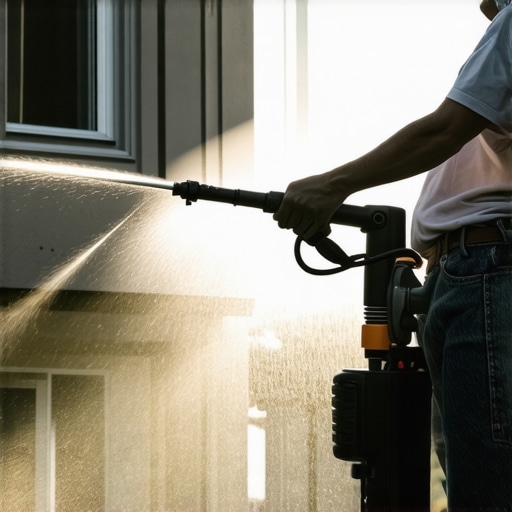
Regular inspections are essential; check for signs of chipping, peeling, or chalking, and address these issues promptly. For surface preparation, I rely on molecular washing techniques that remove contaminants without damaging the paint, ensuring optimal adhesion for the next coat. This approach is increasingly recognized as a best practice, highlighted in expert guides. By maintaining your house correctly, you extend the life of your paint job and avoid costly repainting down the line.
How do I maintain my paint over time?
Consistent cleaning, timely inspections, and using the right equipment like high-quality pressure washers, along with proper surface preparation, are key. Incorporate these practices into your routine, and you’ll preserve your home’s appearance longer. As technology advances, I see a future where smart surface sensors will alert homeowners about wear and tear, making maintenance even easier. To stay ahead, it’s worth exploring digital tools, such as multi-surface paint testers, that can inform you when to reapply or touch up areas before visible deterioration occurs. Start small by adopting molecular washing methods and see how much longer your paint will look fresh; it’s a game-changer for long-term results.
The Hardest Lesson I Learned About local painting,painting,house painting
One of the toughest realizations was understanding that a high price doesn’t always guarantee quality, especially when it comes to paint. I once trusted a bid that seemed a bit steep but discovered later it used premium formulations—something I overlooked initially. This taught me to look beyond the numbers and ask detailed questions about brand, formulation, and application techniques. Remember, details matter enormously in avoiding penny-wise, pound-foolish outcomes.
3 Myths About local painting,painting,house painting That Held Me Back
- Thicker paint equals better durability: It’s a common misconception—material science shows that formulation and proper surface prep are more critical than viscosity alone.
- All paints are created equal: Cheaper or generic paints might seem like a bargain, but they often fade faster and don’t resist weathering as well, costing more over time.
- Any primer suffices for top coats: The quality of the primer and its compatibility with the topcoat significantly influence adhesion and longevity—don’t overlook this step.
Why Smart Surface Prep Matters More Than Ever
Advanced prep techniques like molecular washing, described in this guide, aren’t just trendy—they dramatically improve paint adhesion and lifespan. Skipping the proper prep is like building on shaky grounds; sooner or later, issues surface. Learning these insider tactics helped me avoid costly touch-ups and ensured a flawless finish that lasted years longer than I expected.
Curated Tools That Made a Difference
- High-quality pressure washer like the Kärcher K5: Its adjustable controls help clean without damaging the paint — a must-have for ongoing maintenance.
- Paint testing kits: Tools that evaluate paint consistency and adhesion assist in catching issues early, saving you from surprises later.
- The smart surface scanner: Future-ready technology that detects areas needing touch-up before they become obvious, giving you the power to act proactively.
Seize the Moment and Protect Your Investment
Your home deserves your best effort—invest in knowledge, tools, and patience. With a strategic approach rooted in real insider wisdom, you’ll enjoy vibrant, durable paint that stands strong against time and weather. Remember, a well-informed homeowner is the most powerful force in safeguarding their home’s beauty and value. So start today, and don’t settle for mediocrity—your future self will thank you.