

I vividly remember the day I decided to paint my storefront just as the rainy season was creeping in. The skies looked ominous, yet I convinced myself that a fresh coat of paint would rejuvenate the shop’s appearance and attract more customers. Midway through, dark clouds rolled in, and before I knew it, raindrops splattered onto my still-wet paint. The result? A mess of drips, uneven coverage, and a mountain of repair work I hadn’t anticipated. That moment was a real lightbulb for me—realizing how much I underestimated the hidden costs of painting during the rainy season.
The Rainy Season: More Than Just a Cloudy Concern
When it comes to maintaining or upgrading your storefront’s appearance, timing is everything. But many entrepreneurs fall into the trap of thinking that a weekend or two of bad weather isn’t a big deal. What I’ve learned from my own missteps—and what I want to share with you—is that painting during the rainy season can silently erode your budget, delay your project, and even compromise the quality of your finish.
The problem lies in moisture seeping into freshly applied paint, causing it to bubble, peel, or develop unsightly streaks. According to industry experts, moisture intrusion is one of the primary culprits behind premature paint failure, especially when the conditions aren’t ideal for drying and curing. A study by the CoatingsPro magazine emphasizes that improper timing combined with rainy weather can significantly reduce the lifespan of your paint job, costing you more in repairs and repainting down the road.[1]
So, how can you avoid this sneaky trap? That’s exactly what I’ll help you figure out today, armed with real-world examples, expert advice, and practical tips. But before we jump into solutions, let me address the most common skepticism I hear from folks like you—”Is it really worth delaying if the weather forecast looks cloudy?”
Is Waiting for Perfect Weather Really Worth the Hassle?
Early on, I made the mistake of rushing because I thought a slight drizzle wouldn’t ruin the job. I ignored the warning signs—like damp surfaces and persistent humidity—thinking I could finish quickly before the rain fully arrived. That misjudgment cost me a ton of time fixing drips, sanding uneven patches, and reapplying paint. The truth is, waiting for clear, dry days isn’t just about aesthetics—it’s about protecting your investment and ensuring durability. In fact, postponing your project can save money and headaches, especially if you consider professional techniques like using proper moisture barriers or protective coatings (you can learn more about avoiding lap marks with this detailed guide on the wet edge technique).
Have you ever faced this dilemma—wanting to finish your shop quickly but risking costly mistakes? Staying patient and scheduling your painting during ideal weather conditions might be the best move you make this season. Now, let’s explore how to spot the signs that your project is doomed to fail without proper preparation, so you can avoid those pitfalls altogether.
Choose Optimal Weather Windows
Begin by monitoring detailed weather forecasts to identify stretches of three or more consecutive dry days. I learned this the hard way when rushing to finish a job between rain showers, resulting in uneven coverage and having to redo sections. Use reliable apps or local weather stations to get precise humidity and wind data. Schedule your painting projects during these windows to ensure proper drying and curing—skipping this step leads to costly rework and a subpar finish.
Prepare Your Surfaces Properly
Inspect and Clean Thoroughly
Before any paint touches the wall, inspect for moisture, mold, or dirt. I once skipped a thorough cleaning, leading to peeling paint months later. Use a damp sponge and a mild soap solution to remove dust and grime, then perform the wet sponge test to ensure dust levels are minimal. Proper surface prep is crucial to adhesion, especially in high-humidity conditions.
Handle Moisture Accurately
Check the moisture level of walls with a moisture meter—aim for less than 12%. If walls are damp, delay painting or use a dehumidifier. I once painted over damp drywall, which resulted in bubbling within weeks. Remember, painting over moisture-rich surfaces is like sealing a wet sponge—you’ll regret it eventually.
Choose the Right Materials for Weather Challenges
Invest in high-quality, moisture-resistant primers and paints designed for humid conditions. For example, elastomeric paints stretch over surfaces and resist cracks caused by moisture fluctuations. Avoid cheap paints that lack durability in wet weather, which might seem economical but cost more over time. Check for products labeled suitable for exterior or high-humidity interior use.
Employ Expert Application Techniques
Apply in Thin Coats
During humid days, always opt for thin coats to facilitate quicker drying. Thick layers trap moisture, leading to uneven finishes and peeling. I used the wet edge technique to maintain consistent application, which prevented lap marks and streaks even in humid air. Always keep a wet edge to blend each stroke seamlessly.
Manage Humidity During Painting
Use fans or dehumidifiers to maintain low humidity in enclosed spaces. If working outdoors, choose calm, less humid mornings or late afternoons. I once attempted to paint a storefront during a humid afternoon; the paint dried unevenly with visible streaks. Maintaining optimal humidity levels accelerates curing and improves finish quality.
Protect Your Work Against Unexpected Rain
Cover your freshly painted surfaces with waterproof tarps or painter’s plastic if rain suddenly threatens. Secure the covering tightly to prevent wind from displacing it. I learned this when a sudden downpour soaked a section of my work; I had to sand and repaint a large area. Quick, protective measures can save your hours of work and money.
Understand and Use Proper Edge and Detail Techniques
Use specialized tools like the wet edge technique to blend paint seamlessly and prevent lap marks common in humid conditions. This involves maintaining a damp, smooth paint surface, avoiding over-brushing. Carefully angle brush strokes around intricate areas to avoid pooling or uneven coverage, especially crucial near windows, trims, or radiators.
Stop Small Mistakes Before They Set
Keep damp cloths or sponges handy to quickly fix drips or splatters before they dry. For example, I used a damp sponge to smooth out an accidental drip on a window frame, preventing a costly redo. Regular inspections during the process allow early corrections, resulting in a flawless final look.
Final Curing and Maintenance Advice
Allow sufficient curing time, typically 30 days for exterior paints, before washing or heavy use. Store tools and leftover paint properly to prevent spoilage, which is especially important during unpredictable weather. Proper curing secures durability and ensures your investment in quality shows its full potential.
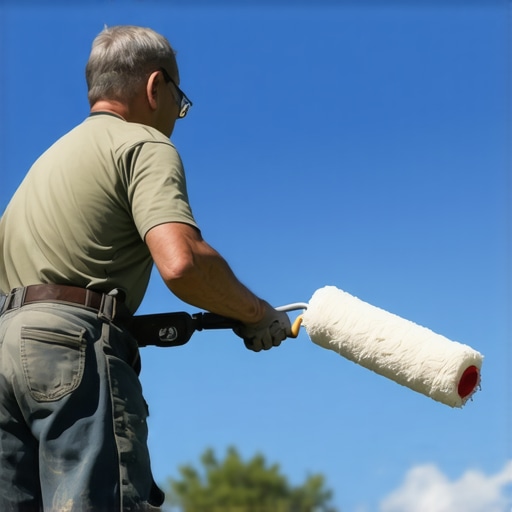 While many believe that choosing cheap paint or rushing the job saves money, the reality is far more nuanced. One widespread misconception is that all paints are created equal; however, premium-quality paints often offer better coverage, durability, and color retention, saving you money in the long run. Another myth is that surface preparation is optional—skipping proper cleaning and priming can lead to peeling or uneven coloration, which becomes costly to fix later. Let’s not forget the idea that DIY painting is always faster and cheaper; inexperienced work tends to result in visible streaks or lap marks, especially if the wet edge technique isn’t employed correctly. Make sure to familiarize yourself with advanced application methods, such as maintaining a consistent wet edge, which is critical for professional-looking results. Curious about how some painters make their work flawless while others struggle? One secret lies in correctly managing moisture levels, choice of tools, and timing—details often overlooked by amateurs. For instance, a study published in the Journal of Coatings Technology highlights that improper timing and surface moisture are leading causes of premature paint failure, emphasizing the importance of expert knowledge and technique. Be cautious of common traps—like using cheap masking tape, which can peel paint and cost you more over time—check out how to avoid these pitfalls in this detailed article. Have you ever fallen into this trap? Let me know in the comments.
Achieving professional-quality results in house and local painting requires more than just a good brush and paint; it demands precision tools that elevate your craftsmanship and ensure long-lasting finishes. One of my personal favorites is the high-quality paint sprayer. I personally use the HVLP (High Volume Low Pressure) sprayer because it allows me to achieve smooth, even coats quickly, especially on large surfaces or intricate details. Ditching roller marks and streaks has never been easier, and cleanup is a breeze compared to traditional methods.
Complementing a sprayer, I always keep a digital moisture meter handy to accurately measure the dampness of surfaces—critical when working during humid days or in wet climates. A reading under 12% indicates safe conditions for painting, preventing issues like peeling or blistering down the line. I’ve found that investing in a reliable moisture meter saves me from costly rework and ensures optimal adhesion, especially on exterior projects.
One often overlooked tool is the precision edging brush. I swear by a angled, synthetic brush designed for wet edge techniques. It allows me to maintain clean, sharp lines around window frames and trim without drips or overlaps, making the difference between amateurish and professional results. Mastering the wet edge with this brush minimizes lap marks and streaks, particularly in humid conditions where quick blending is essential.
For keeping tools and equipment in top shape, I rely on the tool cleaning station. Simple yet effective, this setup involves a dedicated bucket with water and a mild decoction of cleaning solution tailored for brushes and spray tips. Regular cleaning prevents paint buildup that can cause uneven spray patterns or bristle shedding. Reminding yourself to clean tools immediately after use prolongs their lifespan and maintains consistent application quality over many projects.
Looking ahead, I predict that the trend towards smart paint application devices will grow, using sensors and automation to optimize coating thickness and drying conditions. Already, some advanced sprayers incorporate real-time feedback systems to adjust spray pressure automatically, ensuring flawless results with less manual effort. Embracing these innovations can give you a competitive edge and streamline your workflow.
How do I maintain my tools over time?
Proper maintenance starts with thorough cleaning immediately after each project. Use warm water and a gentle brush for brushes and rollers, and specific cleaning solutions for spray tips. Store tools in a dry, dust-free environment to prevent corrosion or paint drying in unwanted places. Regularly inspect equipment for wear or damage, replacing parts as needed. Keeping your tools in prime condition ensures consistent application and prolongs their usability, saving you money in the long run. For instance, regularly cleaning spray tips prevents clogging, which can notoriously cause uneven spray patterns, as highlighted in this guide.
Don’t forget to experiment with advanced techniques like the wet edge method—a game-changer for maintaining seamless finishes, especially when working in humid or challenging conditions. Implementing this tip has dramatically improved my results, and I encourage you to give it a try on your next project. Mastering the right tools and maintenance routines will make your painting efforts more efficient, durable, and visually stunning.
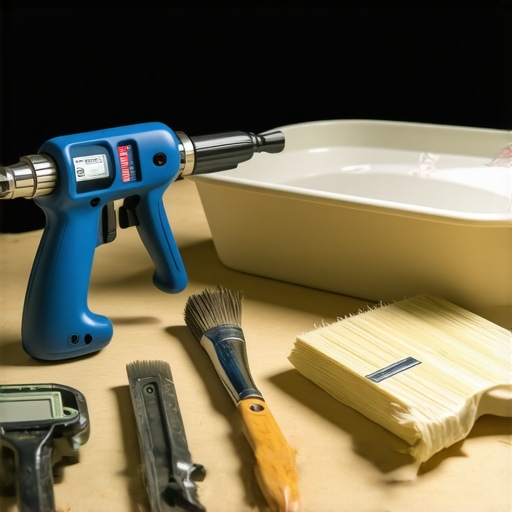
Throughout my years of painting homes and storefronts, I’ve learned that the most overlooked factor is often the most critical—timing. One seemingly minor mistake, like painting during a rainy spell, can ripple into costly repairs, uneven finishes, and frustration that lingers long after the last brushstroke. But these lessons don’t have to be yours to learn the hard way. With a keen eye on weather patterns, precise surface prep, and the right tools, you can elevate your painting projects and ensure they stand the test of time.
Less Is Sometimes More: The Art of Pacing Yourself
My biggest wake-up call was realizing that hurrying to beat the forecast often results in revisiting the same spot multiple times. Rushing can trap moisture, cause streaks, and create a finish that looks unprofessional. Instead, I learned to wait for optimal weather windows—those stretches of clear, low-humidity days—by using reliable weather apps and local forecasts. Patience, though tough, ultimately makes your work more durable and your effort more satisfying. This approach saves both time and money, especially when combined with advanced moisture mitigation techniques.
Secrets That Even Pros Don’t Share Lightly
One of my most valuable insights came from mastering the wet edge technique, which ensures seamless blending and prevents lap marks. It’s a simple trick—keep your paint wet and your strokes uniform—but it requires patience and the right tools, like the wet edge method. I also discovered that investing in high-quality, moisture-resistant primers and paints can dramatically extend the life of your work, especially in damp climates. Remember, choosing the right materials isn’t an expense; it’s an insurance policy against future headaches.
Tools That Make or Break Your Painting Experience
Having the proper equipment has transformed my work from patchy to polished. A paint bucket with a lid keeps your mixes consistent, while a wet sponge test helps assess wall cleanliness. The angled, synthetic brush offers sharp lines around windows and trims, minimizing touch-ups later. Keeping your tools clean and well-maintained notably improves application consistency and extends their lifespan. Embracing innovations, like spray technology with real-time feedback, is the way forward, reducing effort and boosting quality.
Don’t Let Sudden Rain Ruin Your Day (or Your Work)
Quick thinking and strategic coverage can prevent a minor shower from turning into a catastrophe. Covering surfaces securely with waterproof tarps, especially in unpredictable weather, shields your hard work from unnecessary damage. I learned the value of this when a surprise downpour soaked a freshly painted section—an incident that could have been avoided with just a little foresight. Remember, preparations during the early phases of your project save time, money, and a lot of headaches later on.
Learn from My Slip-Ups and Wins
One of the hardest lessons I’ve absorbed is that surface prep is everything. Skipping steps like cleaning, priming, or checking moisture levels often costs double in corrections. For instance, the watered-down paint used by unprofessional contractors resulted in peeling within months—a costly oversight I avoid now. Making mistakes helped me develop a sharp eye for detail and a deeper respect for the craft. You don’t have to learn these lessons the hard way; embracing meticulous prep and quality materials is your best safeguard for a perfect finish that endures.