

Ever scrubbed your freshly painted wall, only to find the stubborn stain staring back at you, refusing to budge? I remember the frustrating moment in my own home, palms sweaty, thinking I must have missed some secret cleaning trick. Turns out, that “secret” is less about cleaning techniques and more about the quality of the paint itself.
Hooked on the Myth of Easy-Clean Walls
When I first moved into my new build, I eagerly decorated and painted each room, confident in my choice of builder grade paint—after all, it was an inexpensive option. But that excitement quickly faded each time I tried to wipe away everyday smudges or accidental splatters. The paint seemed to cling to stains like glue, only to smear and leave marks. It was like trying to wash a stain off a stubborn rubber surface.
That experience was my lightbulb moment. I realized that not all paints are created equal, especially the ones used in builder grade options. The cheap quality, while budget-friendly upfront, often leads to surfaces that are resistant to cleaning—making household chores feel like battles. After countless trial-and-error attempts, I uncovered the reasons behind this frustrating trait and, more importantly, how to address it.
Today’s Promise: No More Stubborn Stains
In this post, I’ll share my personal journey and practical tips to make your walls easier to clean without sacrificing style. Whether you’re dealing with smudges, fingerprints, or accidental splashes, I’ll guide you through understanding the differences in paint formulations and provide simple, effective strategies to improve your walls’ durability. Believe me, quality can be an affordable upgrade, and the peace of mind knowing your walls will stand up to daily life is priceless.
Skeptical About the Fix? Think It’s Just Paint Quality?
I used to think that repainting was the only solution for tough stains—until I realized I was making a common mistake early on: choosing the cheapest paint without considering its properties. For more insights on how to identify quality paint and avoid common pitfalls, check this article. Trust me, recognizing what goes onto your walls sets the foundation for making them easy to maintain.
So, if you’ve faced the frustration of walls that resist cleaning, keep reading. We’re about to turn your paint problems into solutions, with actionable advice that’s both practical and budget-conscious.
Choose the Right Paint for Durability and Cleanability
Select high-quality paint formulated to be washable and resistant to stains. Look for options labeled as “scrubbable” or “washable,” especially for high-traffic areas like hallways or kitchens. When I painted my kitchen backsplash, I opted for a semi-gloss finish because it handles water splashes and cleaning better, preventing stubborn stains from setting in.
Prepare Surfaces Properly to Ensure Lasting Results
Thoroughly clean your walls to remove dust, grease, and grime. Use a solution of mild soap and water, then rinse and let dry completely. If old wallpaper or peeling paint exists, remove or repair it before applying fresh paint. Remember, a clean surface acts like a smooth canvas—any dirt or residue will compromise adhesion and longevity. I once missed this step on a bathroom wall, and the paint started peeling within months, causing unnecessary rework.
Use Painter’s Tape for Crisp Lines and Protect Surfaces
Apply painter’s tape carefully along edges, trim, and nearby surfaces. For delicate surfaces like hardwood floors, avoid blue tape directly on them—check out this guide to prevent damage. When I painted around my window frames, I used painter’s tape for sharp lines, which saved me hours of touch-up work later. Press the tape firmly to prevent bleed-through.
Prime Surfaces to Improve Adhesion and Coverage
Apply a suitable primer, especially over stained or dark-colored walls. Primer acts like a bonding agent, sealing imperfections and providing a uniform base for the topcoat. When I primed my wood paneling, it prevented the stain bleed-through and resulted in a more even finish. If old paint is glossy or peeling, sanding or a de-glosser may be needed before priming for better adhesion.
Apply Paint Correctly for Long-Lasting Finish
Use quality rollers and brushes suited for your paint type. For smooth walls, a roller with a ¾-inch nap works well; for textured surfaces, go for a thicker nap. Apply paint in even, overlapping strokes, starting from the top and working downward. I remember a DIY project where I applied too much paint in one coat, causing runs and uneven texture; the fix was to let it dry and apply a second, thin coat for a durable finish.
Finish with a Protective Clear Coat if Needed
For areas prone to moisture or wear, a clear sealer or topcoat adds extra protection. For example, a water-based polyurethane over bathroom walls can prevent mold and stains. When I sealed my mudroom walls, the added layer made cleaning much easier and prolonged the paint’s life.
Maintain and Clean Walls Properly to Extend Their Lifespan
Use soft, damp cloths or sponges for routine cleaning. Avoid harsh abrasives or excessive scrubbing that can damage the paint’s surface. If you notice marks or stains, try gentle cleaning before re-painting. For stubborn spots, consult this resource for specific techniques. I once used rubbing alcohol to remove a wine stain from my wall, successfully avoiding repainting.
Many assume that house painting is simply about applying layers of color, but there’s a wealth of nuance that even seasoned DIYers often miss. For example, the misconception that all paints are created equal can lead to costly mistakes down the line. While many think that buying the cheapest paint saves money, in reality, it can cause durability issues, especially in high-traffic or moisture-prone areas. An expert opinion from renowned painters emphasizes choosing formulations designed for specific conditions, like semi-gloss for kitchens or bathrooms to resist stains and humidity.
A common trap is neglecting the preparation phase; skipping thorough cleaning or sanding can undermine paint adhesion, leading to peeling and uneven surfaces over time. For instance, old paint or grease coatings act as barriers, which can cause future flaking. Proper surface prep isn’t just about aesthetics—it’s about ensuring longevity. Pay attention to subtle surface conditions, such as existing cracks or tiny peeling areas, and address them before painting to prevent costly repairs later.
Have you ever fallen into this trap? Let me know in the comments.
The importance of choosing an appropriate primer cannot be overstated. Many overlook this step, believing it’s unnecessary or a waste of time. However, primer acts as a bond between the old surface and new paint, especially over stained or dark walls, resulting in a smoother and more uniform finish. Skipping primer on problematic surfaces is a common advanced mistake that leads to uneven color and reduced durability.
Furthermore, the use of painter’s tape isn’t always straightforward. While blue tape is popular, professional painters rarely use it on hardwood floors, as it can cause damage or leave residue. Instead, articles suggest the use of specialized tape or techniques like the ‘blue tape trick for textured walls’ to achieve razor-sharp lines without harm. Being aware of such nuance ensures better results and saves money.
When it comes to finishing touches, some homeowners fail to consider protective topcoats for high-moisture or high-traffic zones. A clear coat not only enhances durability but also makes cleaning easier. For example, applying a water-based polyurethane over bathroom walls can prevent mold and stains, preserving the paint job for years.
Beyond application, many ignore maintenance practices—like routine gentle cleaning—that extend the life of their paintwork. Using soft cloths instead of harsh abrasives preserves the surface; neglecting this can result in premature wear.
Understanding these subtleties can drastically improve your painting results and investment. Take my example of using a rubbing alcohol test to identify paint types: knowing whether your old paint is latex or oil-based is crucial for selecting appropriate removal or repainting methods. This advanced technique, backed by industry studies, can save you from potential mishaps.
In summary, the devil is in the details—choosing quality materials, preparing surfaces meticulously, selecting the right primers, and applying protective topcoats—all require nuanced knowledge that separates amateurs from professionals. By paying close attention to these unseen factors, you’ll achieve richer, longer-lasting results.
So, next time you tackle a painting project, remember—understanding the hidden nuances makes all the difference. Have you ever overlooked a small step that caused big problems later? Share your experiences below.
Keep It Working: Essential Tools for a Durable Finish
Achieving a long-lasting paint job doesn’t only depend on techniques but also heavily relies on the right tools. Personally, I swear by a high-quality 9-inch angled brush for cutting in edges; it provides precision and reduces drips, especially on detailed trim. For large wall areas, a 10-inch roller with a medium-nap synthetic cover ensures smooth application without streaks. I prefer using a paint edger with a built-in guard, which allows me to achieve crisp lines near ceilings and baseboards without mess.
Why a Quality Paint Sprayer Can Transform Your Project
I’ve found that investing in a professional-grade HVLP sprayer drastically reduces application time and results in a more even coating. When used properly, it minimizes lap marks and thin spots, which are common issues with brushes and rollers. For exterior projects or large interior surfaces, I recommend models like the Wagner Flexio 890; it’s lightweight yet powerful, and allows for adjustable spray patterns. Remember, the key to durability is even coverage, and a good sprayer makes this achievable even for DIY enthusiasts.
How do I maintain the longevity of my painting tools?
Proper cleaning and storage are vital. After each project, I immediately rinse brushes and rollers with warm water if I used latex paint, or mineral spirits for oil-based paints. Using a Brush Keeper or dedicated solvent container prevents brush bristle damage and ensures they’re ready for future use. Regularly inspecting and replacing worn covers on rollers helps avoid uneven textures and premature wear, which can compromise your finish over time. For more on tool maintenance, check out this guide.
Plan for Long-Term Results
Quality tools combined with proper application methods lay the foundation for a paint job that lasts years, even in challenging environments. For exterior paint, choosing products formulated for weather resistance paired with tools that prevent streaking extends their lifespan. Additionally, investing in high-quality masking tape—especially the one recommended for delicate surfaces—reduces damage and clean removal, preventing surface imperfections that can lead to peeling later. Considering future maintenance, I also suggest keeping leftover paint in sealed, labeled containers—store them in a cool, dry place to preserve color and consistency for touch-ups down the line.
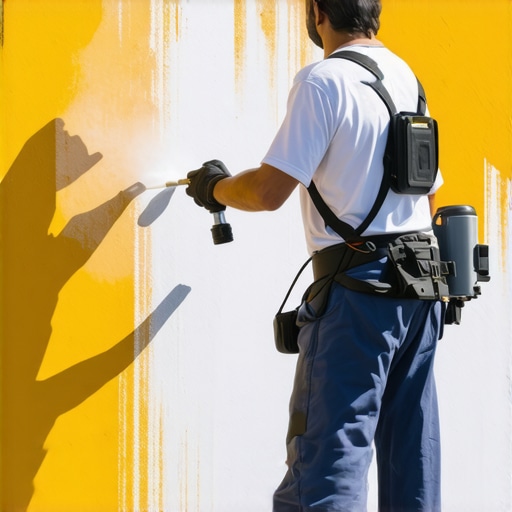
Image description: A professional painter using a HVLP sprayer on an exterior wall, showcasing even and efficient application.
Trend Prediction: Tools Becoming Smarter and More Efficient
Looking ahead, I believe the trend is moving toward smarter painting equipment. Tools integrated with IoT technology—like spray guns that monitor paint flow, coverage, and even environmental conditions—will become more accessible. These innovations will help ensure perfect, long-lasting finishes with less waste and fewer mistakes, especially beneficial for local painters aiming for scalability and efficiency. Embracing these advancements now can give you a head start in maintaining high standards in your projects.
How do I maintain my painting tools over time?
Consistent cleaning after each use, proper storage in protective cases, and routine inspections for wear are crucial. Using tools as intended—like avoiding overloading brushes—also preserves their lifespan. For example, I routinely replace worn roller covers and clean sprayers thoroughly with appropriate solvents. Incorporating a routine maintenance schedule ensures your tools perform optimally and span multiple projects, ultimately saving money and improving results. Try implementing a cleaning routine using mineral spirits for oil-based tools or warm water for latex to see your tools stay in top shape longer.
Three Unexpected Truths About Wall Durability That Changed My Approach
One of the biggest lightbulb moments in my painting journey was realizing that surface prep isn’t just about looks—it’s about protecting your investment. I once rushed through cleaning and sanding, only to see peeling and chipping months later, which taught me that patience at this stage pays off long-term.
Another eye-opener was discovering how crucial choosing the right paint finish is. Glossy paints might seem shiny and appealing, but for high-traffic areas, they resist stains and wear better, saving you time and money on touch-ups. Learning these nuances from seasoned pros made me realize that understanding paint formulations is key to longevity.
Finally, I learned that proper tool maintenance isn’t just about convenience; it directly impacts how well your paint adheres and lasts. Regularly cleaning brushes and replacing worn rollers ensure an even application, which reduces the risk of peeling or uneven texture over time. These behind-the-scenes details often make all the difference in achieving a durable finish.
Tools and Tips from My Personal Arsenal
For durable paint jobs, I swear by high-quality brushes and rollers—brands like Purdy have never let me down. A good spray gun, such as the Wagner Flexio 890, can save hours and provide even coverage, especially for large or textured surfaces. Professional painters emphasize that investing in these tools reduces rework and extends finish life.
When it comes to resources, books like “The Painting Contractor’s Guide” offer deep insights into long-lasting techniques, while online tutorials from experienced painters give practical tips. Personally, I trust these sources because they combine theory with real-world results—saving me from common mistakes and wasted effort.
Keep Pushing Forward: Your Walls Deserve Best Effort
Remember, every brushstroke and choice of product contributes to walls that stand up to the test of time. Your next project is an opportunity to apply these lessons, and the results will speak for themselves. No matter your experience level, with dedication and the right knowledge, you can achieve finishes that not only look great but last for years. So, what’s the first step you’ll take to make your walls more durable? Share below—I’d love to hear your plans and help you troubleshoot!