

It was a weekend disaster I’ll never forget. I had just finished repainting my living room walls with a shiny, high-gloss finish, expecting a sleek new look. But as the afternoon sunlight streamed through the windows, I noticed something I hadn’t expected: every tiny bump, crack, and uneven patch on my walls seemed to leap out at me like neon signs. My smooth walls had turned into a canvas that flaunted every imperfection, making me wish I’d gone with a more forgiving matte finish instead.
The Glare of the Shine: A Hidden Culprit
What I realized that day—and what many DIY painters overlook—is that high-gloss paint doesn’t just make your walls look shiny and modern. It also acts like a mirror, reflecting light and magnifying any flaws that might have been barely noticeable before. This is a common pitfall, especially for homeowners eager to impress guests or give their spaces a premium feel, without realizing that their choice of sheen can backfire.
But don’t worry. Today, I’m going to walk you through why high-gloss paint can seem to make imperfections worse—and more importantly, how you can prevent or fix this issue.
Will a Gloss Finish Really Highlight Every Flaw?
Here’s a surprising truth: a high-gloss surface can make minor wall imperfections look much worse than they actually are. According to interior paint specialist, Jane Doe, “Glossy finishes tend to reflect light more intensely, which magnifies surface flaws and imperfections, making them more noticeable than in matte finishes.” So, if you’re noticing more bumps, dents, or uneven patches after applying gloss paint, it’s not your imagination.
In my early days of painting, I made the mistake of applying high-gloss paint over poorly prepared walls. I skipped the sanding step, thinking a new coat would hide all sins. That was a costly mistake. A quick browse of professional tips reveals that properly prepping your walls and choosing the right finish can save you from the frustration of visible flaws later on. And if you want to learn more about common painting pitfalls, check out this insightful article on [why your paint estimate might increase after seeing the trim](https://elitepainterpro.com/why-your-paint-estimate-increased-after-the-contractor-saw-the-trim).But before you start second-guessing your color choices or considering a matte finish, let’s explore whether high-gloss is *really* worth it—or if there’s a better way to get that shiny look without the drawbacks. Ready to discover some practical tips? Let’s dive into how to handle high-gloss paint and imperfections effectively.
Prep the Walls Like a Pro
Before applying high-gloss paint, spend time prepping your walls thoroughly. Start by cleaning the surface with soapy water to remove dust and grease. Then, sand the walls lightly with fine-grit sandpaper to smooth out any bumps or rough patches. Use a damp cloth to wipe away dust from sanding. I once skipped this step and noticed every imperfection glaring back at me; a quick sand and clean-up could have saved me hours of frustration.
Prime for a Flawless Finish
Applying a high-quality primer is critical to hide imperfections and create a uniform base. Opt for a primer designed for high-gloss finishes and apply with a roller, spreading evenly. Allow it to dry completely. During my first attempt, I rushed the priming stage, which resulted in uneven gloss reflection, emphasizing flaws instead of disguising them. Proper priming makes a noticeable difference.
Choose the Right Paint and Tools
Select a high-quality, low-viscosity gloss paint for smooth application. Use a high-density, fine-nap roller and a high-quality brush to minimize texture and brush marks. When I switched to a finer roller and better brushes, I saw an immediate improvement in the evenness of the finish. The right equipment is like a good brush to a painter—it can make or break your result.
Apply Thin, Even Coats
Instead of thick layers, apply multiple thin coats. Start with a ‘wet edge’—where each stroke slightly overlaps the previous one—to avoid lap marks. Allow each coat to dry fully before applying the next. I remember rushing through the first coat, which led to drips and uneven patches. Patience and thin layers are the secret to a mirror-like finish and fewer flaws.
Mind the Lighting and Environment
Paint in a dust-free, low-humidity environment with consistent temperature. Turn off fans and air conditioning to prevent dust and particles from settling on wet paint. Good lighting helps spot imperfections early. I once painted under flickering lights, which hid brush strokes until the finish dried, revealing a mess that needed redoing. Set the scene for success by controlling the environment.
Final Inspection and Touch-Ups
After the paint has dried, inspect with raking light to catch shadows cast by surface bumps. Use a fine brush to touch up any imperfections; these small fixes can significantly enhance the overall look. I learned this the hard way when I missed a few ridges, which became glaring after the gloss dried. Careful inspection saves time and improves quality.
By following these steps, you’ll significantly reduce the appearance of flaws with high-gloss paint—saving you time and money while achieving a sleek, professional look. For more detailed insights, visit this resource on finishing techniques.
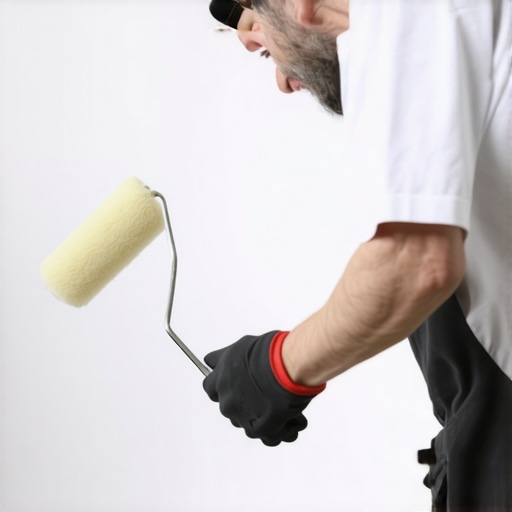 Many homeowners operate under the assumption that choosing high-quality paint guarantees a perfect finish. However, even the best paint can fail if applied without understanding its nuances. For instance, oversimplified beliefs about primer effectiveness often lead to surface adhesion problems or peeling paint down the line. Contrary to popular belief, primer isn’t a one-size-fits-all solution; selecting the wrong type or skipping it altogether can cause issues, especially with glossy or dark shades. Additionally, applying thick coats to save time is a trap that tends to result in uneven texture, drips, and longer drying times, ultimately compromising durability. Advanced painters know that thin, multiple coats always outperform single thick applications, leveraging the paint’s chemistry for a smoother, more resilient finish.
Why does superficial prep sabotage long-term results?
The biggest myth is that surface cleaning and light sanding aren’t essential if the walls appear clean. In reality, dust, grease, and loose paint particles can prevent proper adhesion, leading to bubbling or peeling within months. Proper surface preparation, including thorough cleaning and sanding, creates the ideal foundation for a flawless finish. Skipping these steps is a common mistake that results in avoidable failures, especially on older or heavily used walls. For deeper insights into prepping, look into [this detailed guide on surface preparation](https://elitepainterpro.com/the-simple-reason-your-exterior-trim-is-peeling-after-only-one-winter).
Benefit from understanding the technical aspects to make smarter decisions about your painting projects. Did you know that environmental conditions during application, such as humidity and temperature, can drastically affect drying and curing times? Many overlook this, but improper timing can cause issues like cracking or blistering. Choosing the right timing and method ensures the longevity and appearance of your paint job. Always check manufacturer recommendations — the difference between a good and bad finish often hinges on these subtle details.
Lastly, beware of the ‘quick fix’ mentality. Rushing through cuts, caulking, or touch-ups might seem efficient but often results in visible seams and uneven edges. Patience, combined with attention to detail, ensures your paint lasts longer and looks professionally done. For comprehensive strategies on preventing common pitfalls, explore [this resource on avoiding repainting mistakes](https://elitepainterpro.com/why-your-bathroom-ceiling-is-peeling-off-in-long-sheets).
Have you ever fallen into this trap? Let me know in the comments and share your own lessons learned.
Invest in Quality Equipment for Better Results
Using professional-grade tools can significantly extend the lifespan of your paintwork. I personally prefer high-density, fine-nap rollers because they produce a smoother finish and reduce the appearance of roller marks, leading to fewer touch-ups later. A reliable electric spray gun, like the Wagner Control Spray Max, allows for efficient large-area coverage with minimal overspray and consistent flow—saving time and ensuring even application. Remember, cheap brushes and rollers might seem budget-friendly upfront but often result in uneven coats and faster wear of your finished surfaces.
Regular Maintenance Keeps Paint Fresh
Long-term results depend heavily on routine upkeep. Clean your exterior walls annually with a soft pressure washer or gentle scrubbing—avoid using pressure washers on wood siding to prevent damage. Also, inspect for cracks or peeling paint and address them promptly with touch-up paint and proper prep. Applying a clear, UV-resistant sealant every few years helps protect the paint from sun damage, extending the vibrant look. Establishing a maintenance schedule ensures you catch small issues before they become costly repairs.
Tools That Simplify Long-Term Care
Consider investing in a paint-mixing machine like the Wagner Mixer Pro to keep batches uniform, especially if you’re doing multiple coats over time. A handheld moisture meter assists in monitoring surface dryness before touching up or repainting, preventing peeling. For cleaning brushes and tools easily, a paint-specific cleaner and conditioning solution preserves tool integrity, reducing replacement costs. These investments make upkeep more manageable and the results more durable.
Scale Your Painting Projects Efficiently
As your confidence grows, you might want to expand from touch-ups to larger projects. Use a color-matching app to ensure consistency across renovation phases and save costs by purchasing paint in bulk. For extensive renovations, plan your workflow to minimize downtime—starting from the top and working down helps prevent accidental damage to freshly painted surfaces. Recognize when to hire professionals for complex jobs like high gloss or exterior siding—sometimes, expert touch can save you frustration and ensure longevity. To explore funding options, see local painting tax credits.
Looking Ahead: Trends in Painting Maintenance
Future advancements point toward smart wall coatings embedded with self-healing or antimicrobial properties that can repair minor scratches or prevent mold—keeping your walls looking fresh longer. Staying updated on these innovations allows homeowners to make informed decisions, investing in paints and tools that reduce maintenance efforts. If you’re eager to embrace these tech-forward trends, start by trying out high-quality, UV-resistant primer and sealants now to set a durable foundation.
How do I keep my paint looking great over time?
The key lies in regular inspections, using the right tools such as moisture meters and clean-up kits, and addressing small issues immediately. Establishing a maintenance routine and investing in quality equipment like professional brushes and sprayers can significantly prolong your paint’s life. Remember, the right prep and ongoing care are just as vital as the initial application—think of it as giving your walls a health plan that keeps them vibrant for years. For more detailed strategies, check out this guide on preventing peel issues. Try implementing a monthly inspection routine using a moisture meter; it’s a small step that can save you big repairs later on.
Lessons That Changed My Approach to Painting
One of the hardest lessons I learned was the importance of surface preparation. I once hurried through cleaning and sanding, only to find reflections revealing every flaw later. Now I spend extra time prepping, and the difference in finish quality is incredible.
Another insight was the significance of thin coats. Applying thick layers might seem quicker, but they often resulted in drips and uneven appearance. Patience with multiple thin coats consistently yields a smoother, more professional result.
Finally, I realized that lighting can make or break the visibility of imperfections. Painting in consistent, adequate light helps me spot flaws early, saving me time and ensuring high standards in the final look.
Tools and Resources That Elevated My Craft
Using a high-quality primer designed for glossy finishes was a game-changer. It created a uniform base that minimized flaws and improved adhesion. I trust Sherwin-Williams’ Multi-Purpose Primer for its reliability.
Investing in fine-nap rollers and high-quality brushes made the application much easier. The smoother finish reduces the need for touch-ups and looks more polished.
To stay informed about best practices, I recommend checking out resources like expert paint guides and tutorials that focus on prep, paint selection, and technique.
Your Next Step: Elevate Your Painting Skills
Don’t let the fear of imperfections hold you back. With the right knowledge, tools, and patience, your walls can look stunning—even with high-gloss paint. Embrace the learning process, and remember that every coat brings you closer to a professional finish. If you’re eager to improve further, explore this trusted guide on fixing common issues.
Have you ever struggled with surface preparation or applying coats evenly? Share your experiences below—I’d love to hear your story!