

It was Monday morning, and I had just finished repainting our living room’s baseboards. Naturally, I grabbed painter’s tape to get those crisp, clean lines—only to find that within days, the paint was bubbling and peeling right along where I had applied the tape. Frustrated, I realized I’d been falling into a common trap: trusting painter’s tape on freshly painted surfaces. This simple mistake cost me extra time, effort, and countless hours of touch-up work. Today, I want to share my experience and show you why skipping the painter’s tape immediately after painting can actually preserve your work and save you headaches.
The Hidden Damage of Tape on Wet Paint
Have you ever thought about what that tape might be doing to your fresh paint? While it seems like a quick way to get sharp lines, the evidence suggests otherwise. When painters apply tape too soon, the adhesive can pull at the still-soft paint, causing cracks, lifting, or sticky edges that ooze and discolor over time. Trust me, I learned this lesson the hard way early in my DIY journey, and I almost gave up on perfecting my home’s finish. Properly timing your removal not only guarantees a cleaner look but also prolongs the paint’s life. Want to avoid the pitfalls I encountered? Stay tuned, as I guide you through the best practices based on real-world experience and expert tips.
Is Your Tape Actually Worth the Risk?
Early in my projects, I made the mistake of thinking any painter’s tape would do—until I realized that certain brands and application timings made a huge difference. Some tapes, especially those with stronger adhesives, stick too aggressively and damage the surface underneath. It’s a classic rookie mistake I often see in local home improvement projects. For more insight into common painting mistakes and how to avoid them, check out this article on how to spot bad painting practices. Knowing the right tape and timing can save you a lot of stress and rework. As we proceed, I’ll walk you through the exact steps I now follow—steps that keep my baseboards pristine and ready for a perfect finish. Ready to take control of your painting projects? Let’s dive deeper into the science of proper tape removal and best practices to make your next project a true success.
Timing is Everything
Recall the time I painted my living room trim during a rainy weekend. Instead of rushing, I waited at least two hours after applying the fresh coat—this allowed the paint to develop a surface rigidity, reducing the risk of peeling or smudging. To test if your paint is ready, gently run your finger along the edge; if the surface feels firm and does not transfer paint, it’s safe to peel. This simple check prevents unnecessary damage and ensures sharp, clean lines.
Prepare Your Tape for Flawless Removal
Use the Right Tape and Application Technique
Select painter’s tape designed for delicate surfaces, which uses a gentler adhesive. When applying, press firmly along the edges with a bone folder or the edge of a putty knife—think of it like sealing a plastic bag to prevent leaks; a secure seal ensures the tape sticks only where intended.
Align Tape Correctly for Best Results
Place tape just outside the line, slightly over the edge of the painted area. Use a level or measuring tape for straight lines. If it’s a curved surface, gently press and conform the tape to the contour, akin to molding a rubber band around a jar—this prevents paint bleeding underneath.
Strategic Removal to Preserve Your Work
Schedule tape removal during the optimal window—usually 1-2 hours after painting or once the paint feels firm. To remove, pull the tape back on itself slowly at a 45-degree angle, like peeling off a sticker carefully, which minimizes stress on the fresh paint. For particularly stubborn areas, a craft knife can gently score edges, preventing tearing or lifting.
I remember a time I rushed the removal after only 30 minutes, resulting in ragged lines and the need for touch-up work. Applying this method consistently transformed my finishing quality—sharp, clean lines, and no peeling paint. Remember, patience and proper timing turn a good paint job into a professional-looking finish.
Addressing Common Mistakes
One frequent error is removing tape before the paint has fully cured, especially on high-gloss or enamel finishes. This can lead to smudges and bleeding. Similarly, using overly aggressive tape or pressing too hard during application increases the chance of surface damage. For more insights on avoiding common painting pitfalls, visit this guide on painting practice errors.
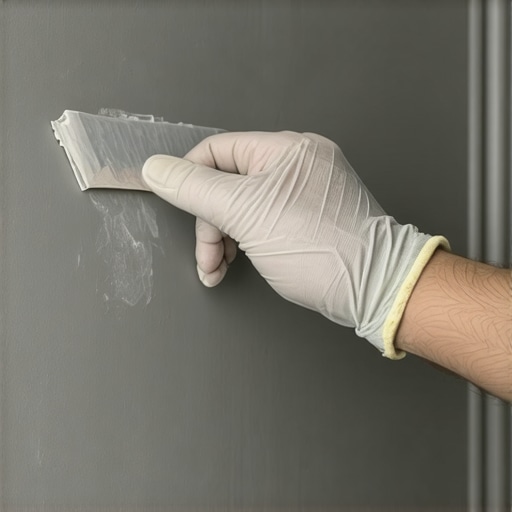 Many homeowners believe that starting with the cheapest paint or rushing the preparation will save time and money, but experience suggests otherwise. A prevalent misconception is that all paints behave similarly, leading many to overlook the importance of understanding the nuances of different formulations and finishes. For instance, using low-quality paint on high-traffic areas often results in premature chipping and fading, which ultimately costs more in touch-ups and repainting. Instead, investing in quality materials tailored to specific surfaces can significantly enhance durability and finish, as discussed in our guide on paint primer versus sealer for drywall. Additionally, many assume that surface preparation is merely a step before painting, but neglecting detailed prep work—like sanding, cleaning, and priming—can cause long-term issues such as bubbling or peeling, as explained in our article about bubbling paint after storms. An advanced mistake often made is improper edge sealing, which leads to bleeding and uneven lines, especially on complex trim or curved surfaces. Experts recommend using high-quality painter’s tape and testing adhesion beforehand, as well as removing tape at the right time—typically when the paint has developed surface rigidity, not immediately after application. Do not underestimate the value of precise timing; rushing tape removal or neglecting edge adhesion can ruin otherwise flawless work. Scientific studies support the significance of proper surface preparation and timing, like the research showing that inadequate priming leads to adhesion failure (source: Paint Adhesion Studies). Remember, mastering these nuances is what separates a DIY experiment from professional-quality results. Have you ever fallen into this trap? Let me know in the comments.
Keep Your Painting Projects Working for Years
Investing in quality tools and adopting proven methods can dramatically extend the lifespan of your painted surfaces. A key aspect is choosing the right brushes and rollers; I personally favor high-density foam rollers for smooth walls because they produce even coats with minimal stippling, reducing the need for touch-ups later. For edging and fine detail work, I rely on angled sash brushes made from synthetic filaments, which provide better precision and durability in active use. When selecting equipment, consider the surface texture and the type of paint you’re applying to ensure optimal results.
Top Tools for Long-Lasting Results
One essential tool I recommend is a high-quality airless sprayer. Unlike traditional brushes or rollers, sprayers can quickly cover large areas with uniform paint, which helps avoid inconsistencies that can crack over time. I prefer models with adjustable pressure controls, such as the Graco Magnum X7, because they allow for fine-tuning based on the surface and paint viscosity, ensuring a smooth, durable finish. Additionally, using a professional-grade paint strainers prevents debris from entering the sprayer, safeguarding the integrity of your finish.
Mastering Surface Preparation with Modern Tech
Preparing your surface properly is crucial for long-term longevity. I utilize a digital moisture meter to detect hidden dampness before painting, which can cause bubbling or peeling down the line. Proper cleaning with a power washer equipped with a variable pressure nozzle ensures dirt and grime are eliminated without damaging the surface — a step I often overlook but which makes a significant difference. Opting for quality primers compatible with your paint type creates a stronger bond and prevents issues such as efflorescence or staining. For those tackling large projects, coordinating your prep and application schedule with project management software guarantees consistent timing, helping to maintain coat integrity.
Predicting Future Trends in Painting Tools
Looking ahead, the integration of smart technology into painting equipment is promising. Imagine sprayers with built-in sensors that monitor paint thickness or ensure even coverage automatically. As automation advances, expect tools to become more intuitive, reducing human error and improving longevity outcomes. Staying updated with innovations like nano-enhanced paints that incorporate self-healing properties can further extend your efforts’ results, making maintenance ever easier.
How do I maintain my tools over time
Proper maintenance of your painting tools is fundamental. After each use, thoroughly clean brushes, rollers, and sprayers with appropriate solvents—water for latex paints, mineral spirits for oil-based. Store brushes hanging to prevent deformation, and keep sprayers lubricated according to manufacturer instructions. Regularly inspect brushes for loose or frayed bristles, replacing them when necessary. Additionally, I recommend applying a light coat of oil to metal parts of sprayers to prevent rust. By dedicating a few minutes after each project to maintenance, you ensure your tools stay in top condition, which translates into better results and longer-lasting equipment. For more insights on surface prep to prevent issues like bubbling or peeling, visit this article. Don’t forget to experiment with a high-quality spray nozzle adjustable for your specific paint, as it can make a noticeable difference in finishing quality. Starting with this advanced tool setup will boost your confidence and the durability of your work—try it on your next project and see the results firsthand.Through my journey, I’ve discovered that patience and attention to detail are the true secrets behind professional-quality paintwork. One lightbulb moment was realizing that the true power lies not just in choosing the right materials but in understanding the nuanced timing of each step—like proper tape removal and surface prep—an insight that can transform your results from amateurish to impeccable. I also learned that investing in quality tools and regularly maintaining them doesn’t just save money in the long run; it ensures every brushstroke and spray yields maximum durability and beauty. These lessons have empowered me to troubleshoot issues proactively, such as avoiding bubbling or peeling, by applying science-backed techniques like the wet rag test or checking surface rigidity. Remember, mastering these small but significant details elevates your entire project and makes the process more rewarding. If you’re willing to embrace patience, educate yourself, and refine your technique, incredible results are within your grasp.