

I remember standing on my driveway one summer afternoon, eyes fixed on a peeling patch of paint that seemed to regenerate every time I felt confident I’d finally gotten a handle on it. It wasn’t just annoying—it was a wake-up call. Why was I wasting money and time repainting only to see the same flaking disaster months later? That’s when I had my lightbulb moment: peeling paint isn’t just about bad aesthetics; it’s a sign that the wood underneath might be compromised, hidden from plain sight but ready to cause serious trouble.
The Real Reason Your Exterior Paint Isn’t Holding Up
Many homeowners fall into the trap of blaming cheap paint or poor prep—trust me, I’ve been there. But after a few failed projects and some research, I discovered a common mistake that’s so simple, yet so overlooked: failing to properly prepare the wood surface before painting. That surface is more than just a canvas; it’s the foundation of your entire paint job, and if it’s compromised, no amount of high-end paint will keep it looking fresh. Early on, I made the mistake of assuming a quick scrub was enough. Turns out, that’s just scratching the surface—literally. For a long-lasting paint job, you need to dig deeper, treat the wood, and ensure it’s in prime condition.
Will Fixing My Wood Save My Paint?
This is a question I hear often, and honestly, it’s well-founded. Without proper wood prep and addressing underlying issues like rot, moisture, or bio-based damage, peeling paint is likely to return—sometimes faster than you expect. This realization pushed me to learn about better prep techniques and modern solutions like micro-priming and advanced sealants. It’s like giving your wood a protective suit—it might sound dramatic, but it makes all the difference. Want a peek at what proper prep looks like? Check out this comprehensive guide.
But before we dive into the fixes, let me share a little secret: many DIYers and even professionals overlook one key step—misdiagnosing the cause of peeling can lead to repeating the same mistakes over and over. As I learned early on, it’s not just about slapping on fresh paint but understanding your home’s unique needs. Ready to discover how to keep your paint intact and your wood healthy? Let’s get into the details!
Start with Thorough Cleaning to Remove Contaminants
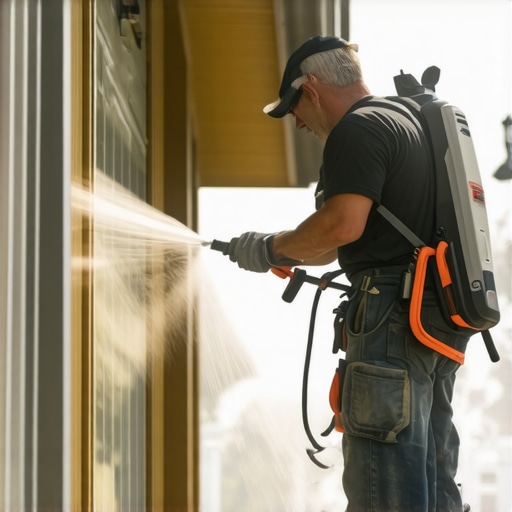
During my first real attempt at prepping my house, I used a garden hose and a scrub brush, thinking surface cleaning was just about removing dust. I quickly learned that pressure washing is far more effective, especially to strip away dirt, mold, and chalking that can prevent proper adhesion. Use a pressure washer set to appropriate PSI—around 1500-2000—to avoid damaging the wood. This step is vital; think of it as giving your house a fresh canvas. For detailed techniques, check out this scrub-safe cleaning method. Don’t underestimate the importance of removing biofilm and residue, as they can cause paint failure down the line.
Sanding and Scraping to Smooth the Surface
Next, I used a combination of hand sanding and scraping to eliminate flaking paint. Analogous to sanding a wooden table before refinishing, this process creates a smooth, absorbent surface. Focus on edges and corners where paint tends to peel; I used an oscillating tool with a blade attachment for tight spots. Be meticulous: any remaining loose paint can compromise the next layer, leading to early peeling. Once scraped and sanded, vacuum or blow off dust, then wipe with a damp cloth. Proper surface sanding creates a key for primer adherence and ensures longevity of your topcoat. A tip for beginners: consider utilizing micro-prep techniques to optimize this step efficiently.
Address Wood Damage Before Painting
One summer, I discovered rot damage behind a peeling board I thought was just cosmetic. I used a screwdriver to check for softness, revealing compromised wood. For real results, use a moisture meter to assess moisture levels; anything over 15% indicates potential problems. Remove decayed wood using a chisel, then replace with treated wood or epoxy consolidants. Applying a wood preservative or bio-based sealant—like soy-based options—creates a barrier against future moisture intrusion. This step is critical; skipping it is like painting over a leaky roof—illusionary beauty that quickly deteriorates. Learn more about wood repair with this sealant guide. Properly repaired wood not only prevents peeling but also extends the lifespan of your paint job.
Prime Strategically for Maximum Bonding
I once applied a generic primer without prep, only to see peeling within months. I now use high-quality, bonding primers designed for exterior surfaces—these are akin to applying a primer that acts as a second skin. I brush or roll primer on all bare or repaired wood, ensuring complete coverage, especially around edges and joints. For complex surfaces or deep grains, a sprayer can save time and ensure even coats. Modern primers might include micro-priming agents—check out this micro-prep—which improve durability and adhesion. Patience matters; let the primer dry thoroughly, usually 24 hours, before applying your finish coats to prevent peeling caused by trapped moisture or improper curing.When homeowners consider local house painting, many focus solely on choosing the right color or the cheapest bid. However, there’s a complex web of nuances that often get overlooked, leading to costly mistakes and subpar results. Let’s turn the usual assumptions on their head and explore what really matters beyond the surface.
**Overestimating Primer Durability**: A common myth is that any primer will do if it’s labeled ‘exterior.’ In reality, not all primers are created equal. High-quality bonding primers with micro-priming agents significantly outperform standard options, ensuring better adhesion, especially on previously painted or problematic surfaces. Skipping this step or choosing the cheapest primer can lead to peeling and early failure, regardless of your topcoat. For a deeper dive into effective primers, see this micro-prep guide.
**Ignoring the Influence of Local Climate Nuances**: Many think that a good quality paint alone can combat environmental challenges. However, understanding your local climate is crucial. For instance, in humid areas, applying bio-based sealants like soy-based options forms an essential barrier against moisture, preventing mildew and peeling. Conversely, in sunny regions, reflective paints reduce heat absorption and prolong paint life. These subtle choices make a world of difference, as outlined in this self-cooling pigment review.
**Misjudging Surface Preparation Time**: It’s tempting to rush through prep, especially when schedules are tight. Yet, neglecting meticulous cleaning, sanding, and repairing can cause issues down the line. For example, I once skipped thorough moisture assessments and paid the price with early peeling. Advanced professionals now use thermal imaging and lidar measurements to accurately assess the substrate’s condition—technologies that are increasingly accessible. Don’t fall into the trap of shortcuts; ensure every surface is prepared like a pro. More on this at thermal imaging insights.
How do you guarantee your paint lasts beyond the initial coat?
The key lies not just in what paint or primer you use, but in understanding and mitigating the unseen factors—be it moisture, surface integrity, or climate influences—that compromise outcomes. For instance, ensuring your local bids include a detailed surface assessment and proper priming can make the difference between a durable finish and recurring problems. It’s also wise to stay aware of hidden costs, like bio-clean surcharges or thermal mapping fees, which can impact your project’s final value—something many overlook until it’s too late. To avoid such pitfalls, consider consulting comprehensive guides like this audit checklist.
If you’ve ever fallen into these traps or want to share your experiences, leave a comment below. Remember, the devil is in the details when it comes to successful house painting—every nuance counts.
Keep Your Painting Projects Seamless with the Right Tools
Achieving durable, professional-quality paint jobs hinges on using the correct tools. I personally rely on a high-quality Wagner Control Pro 130 Pressure Washer, set to around 1800 PSI, which offers consistent power without risking damage to siding or wood surfaces. This tool allows me to remove stubborn mold, chalking, and old paint thoroughly, preparing the surface for optimal adhesion. For detailed surface prep, I also recommend a synthetic bristle brush combined with a long-extension roller—these provide precision and reach, especially in tricky corners or high spots. Investing in a ultrasonic moisture meter grants me the ability to assess wood moisture levels accurately, ensuring I don’t paint over damp surfaces that can cause peeling down the line. These tools collectively streamline my workflow and extend the lifespan of my paint jobs.
Maintaining Your Investment Over Time
Long-term results depend on regular inspection and maintenance. Schedule biannual checkups—spring and fall—to catch early signs of deterioration, such as new peeling, discoloration, or wood rot. Using a micro-priming technique with products like Zinsser Bulls Eye 1-2-3 helps re-bond areas that have experienced minor peeling or damage, sealing in issues before repainting. I also recommend applying a soy-based sealant periodically; these bio-based coatings repel moisture and biofilm growth, which are often enemies of a lasting finish. Keeping gutters clean and directing water away from the foundation reduces moisture intrusion—one of the leading causes of paint failure. With the aid of thermal imaging technology, I can detect hidden moisture pockets behind siding or stucco, enabling targeted interventions rather than unnecessary repainting.
Scaling Up: Bigger Projects, Better Results
If you’re planning to repaint multiple homes or larger commercial properties, investing in equipment like an air-less sprayer with variable pressure control saves countless hours. Modern sprayers, such as the Graco Magnum X7, provide consistent spray patterns and minimize over-application—which can lead to premature peeling. Combining this with project management software helps coordinate team workflows, track materials, and schedule inspections effectively, ensuring your work remains precise and durable throughout. As technology advances, integrating IoT sensors to monitor surface conditions in real-time could revolutionize how we maintain exterior finishes, offering predictive maintenance before problems surface.
How do I maintain my paint’s integrity over the years?
Consistent inspection, proper cleaning, timely repairs, and the right sealants are your best allies, but staying ahead with advanced tools makes a real difference. For instance, using thermal imaging to detect hidden moisture can prevent costly rework and preserve your finished surfaces. Don’t hesitate to try upgrading your toolkit with a moisture meter or investing in a quality pressure washer—small enhancements today lead to significant savings and longevity down the line. Remember, proactive maintenance is far more efficient and cost-effective than reactive repairs, especially when working on multiple properties or long-term projects. Want to boost your maintenance routine? Explore this comprehensive audit checklist for actionable insights.
How I Learned to Listen to My Walls
One of the most profound insights I gained was realizing that peeling paint signals deeper issues, like moisture intrusion or wood decay. Ignoring these signs can lead to repeated failures, regardless of how fancy your paint is. The lesson? Always treat your walls like a conversation—they tell you what needs attention. Ensuring your wood is healthy before painting isn’t just a step; it’s the foundation of a lasting finish. Trust me, catching problems early can save you time and money in the long run.
Tools That Changed My Approach to Exterior Prep
Investing in quality tools like an ultrasonic moisture meter and a professional-grade pressure washer revolutionized my process. These tools aren’t just gadgets—they’re your eyes and hands, revealing hidden moisture pockets and ensuring the surface is pristine. Proper cleaning, sanding, and repairing with the right equipment make all the difference. If you’re serious about durable results, I highly recommend exploring tools that professional painters swear by. They’re the secret weapons behind a flawless finish.
Breaking Free from Common Painting Myths
Early on, I believed that a quick scrub and cheap primer would suffice. Turns out, these assumptions can sabotage your project. High-quality, micro-priming agents, understanding climate nuances, and detailed surface assessments are game-changers. Don’t be tempted to cut corners; your house will thank you with a finish that endures. Remember, good preparation isn’t just a chore—it’s an investment in your home’s protection and beauty.
Curated Recommendations for Long-lasting Paintwork
My toolkit includes a Wagner Control Pro pressure washer for efficient cleaning, a high-quality bonding primer with micro-priming capabilities, and a moisture meter to monitor wood conditions—tools I trust because they’ve saved me from costly re-dos. I also recommend reading detailed guides like the 7 ways to audit your local painting bid for quality, which help ensure every dollar spent translates into a durable finish. Investing in the right resources upfront pays dividends in longevity and satisfaction.
Feel Inspired to Tackle Your Next Project
Remember, the path to a perfect exterior isn’t about shortcuts—it’s about understanding your home’s unique needs and equipping yourself with knowledge and proper tools. Every house has a story, and with the right approach, your paint job can write a new chapter of durability and beauty. Don’t let peeling paint be the story of your home’s neglect. Embrace these lessons, and you’ll see the difference in your results. Ready to give your home the care it deserves? Your next successful paint project starts now.
What’s been your biggest challenge when preparing your house for painting? Share your experiences below—I’d love to hear your story!
,