

I remember the exact moment I realized I was stuck in a decorating rut. I was arms-deep in repainting my kitchen cabinets, battling with sticky brushes, uneven coats, and that persistent chemical smell. Frustration was mounting when suddenly, I stumbled upon a small Pinterest post showing a beautifully restored farmhouse kitchen with a matte, velvety finish that looked both rustic and sophisticated. That was my lightbulb moment. I had discovered the magic of milk paint—a centuries-old technique suddenly trendy again.
Why Milk Paint Is Reshaping Modern Kitchen Designs
For years, I believed that sleek, glossy finishes were the gold standard for kitchen updates. But then I learned about milk paint, an all-natural, eco-friendly paint made from casein (milk protein), chalk, and natural pigments. What sets milk paint apart? Its unique matte appearance, its ability to age beautifully, and the fact that it adheres to almost any surface without complicated prep work. Since experimenting with it, I’ve found that it not only transforms furniture and cabinetry but also offers a sustainable alternative that’s gaining recognition among homeowners and designers alike. According to recent industry insights, the resurgence of milk paint is more than a trend; it’s a response to growing eco-consciousness and a desire for authenticity in home décor. If you’ve faced issues with traditional paints—like peeling, chipping, or that overly glossy finish—you might find this centuries-old method to be a game-changer. Ready to refresh your kitchen with a touch of rustic charm and environmentally friendly materials? Let’s dive into how you can harness the power of milk paint for your next project.
Will Milk Paint Live Up to the Hype? The Biggest Skepticisms
Early in my journey, I made the mistake of believing all paints are created equal. I was skeptical about milk paint’s durability and questioned whether it could handle the hustle and bustle of a busy kitchen. My biggest concern? That it wouldn’t stand the test of time or be as versatile as modern latex or oil-based paints. But I quickly learned that proper preparation and application are crucial. I also discovered that milk paint can be sealed with natural waxes or oils to boost durability, making it suitable even for high-traffic spaces. Trust me, I’ve been there—thinking I would need a professional to use this antiquated method. But with a little knowledge, I found that DIY projects could benefit greatly from this authentic finish. Curious about how to avoid common pitfalls? I’ll walk you through the practical steps, tips, and tricks to achieve a stunning, long-lasting result with milk paint. Whether you’re a seasoned DIYer or a first-timer, mastering this technique will give your kitchen a truly unique personality. Want to learn more about local painting solutions that turn houses into homes? Feel free to check out our comprehensive guides on [transforming spaces](https://elitepainterpro.com/transforming-spaces-local-painting-solutions-for-every-budget) or [expert house painting tips for 2025](https://elitepainterpro.com/transform-your-home-with-expert-house-painting-tips-for-2025). Now, let’s explore how you can get started with milk paint and why it might be just what your kitchen needs to stand out and stay sustainable.
Prep Your Surfaces Carefully
Before diving into painting, ensure your furniture or cabinets are clean, dry, and free of grease or wax. I once skipped cleaning my old wooden table, which led to uneven absorption and visible streaks. Using a gentle cleaner and light sanding with fine-grit sandpaper creates a smooth surface for the milk paint to adhere properly. Think of it as preparing a canvas before painting—skipping this step risks a blotchy finish.
Choosing the Right Milk Paint Mix
Milk paint typically comes as a powder that needs to be mixed with water. I recommend following the manufacturer’s instructions precisely, as proportions significantly impact the final look. For a more rustic, antique feel, reduce the water slightly to increase paint thickness; for a smoother, modern matte, use the standard mix. When I first experimented, I found that thickening the mixture helped cover previous stains better, preventing bleed-through.
Applying the Paint With Confidence
Dip your brush generously, but avoid loading it to the point of dripping. Use long, even strokes, working with the grain of the wood. I once tried a quick dabbing motion, which resulted in an uneven texture. Maintaining a wet edge as you work prevents visible seams. Imagine spreading butter evenly on toast—steadiness ensures a smooth, consistent coat.
Dealing With Streaks and Bubbles
If you notice bubbles forming, gently pop them with the brush or a pin before they cure. Streaks often occur when the brush is overloaded; in such cases, lightly go over the area with a dry brush to smooth out imperfections. I learned that patience and light, controlled strokes yield the best result, much like gently caressing a delicate surface to avoid marks.
Adding a Second Coat for Depth
Once the first layer dries, evaluate the coverage. Milk paint has a charming, aged look when slightly transparent, but for a solid color, apply a second coat. I used a soft cloth to lightly buff the surface between coats, which enhanced adhesion and smoothed out brush strokes. Think of painting like layering flavors—building depth step by step creates a richer finish.
Sealing the Finish for Durability
Milk paint is porous; sealing it is crucial for long-lasting results. Natural beeswax or a food-grade varnish works well. I applied a thin, even layer of wax with a clean cloth, buffing to a soft sheen. This step is like putting a protective coat over a delicate painting—preserving its beauty and resisting chips. Remember, sealing not only enhances durability but also accentuates the matte appearance.
Final Touches and Maintenance
For extra protection, consider applying a second sealing layer after a few days. Regular cleaning with a damp cloth will maintain the finish; avoid harsh chemicals that can erode the paint or sealant. A quick buffing with a soft cloth keeps the surface looking fresh. It’s akin to giving your furniture a gentle spa treatment—keeping it beautiful for years to come.
Applying milk paint might seem intricate at first, but with these steps, you’ll find it a manageable and rewarding process. For specific techniques tailored to your project, exploring dedicated tutorials or consulting local experts can offer additional insights—like those found in [local painting solutions](https://elitepainterpro.com/transforming-spaces-local-painting-solutions-for-every-budget).
Many homeowners approach painting with assumptions that, while seemingly harmless, can significantly hinder their results. Let’s dig deeper into some of the most prevalent misconceptions and reveal the hidden nuances that can make or break your project. First, the myth that all paint types are created equal.
In reality, different paints serve different purposes. For instance, many assume that cheap, readily available paints suffice for all surfaces. However, this neglects the importance of specific formulations; a low-quality paint may require more coats, chip faster, and diminish the overall appearance and durability of your walls. According to industry expert local painting professionals, investing in high-quality materials pays off in longevity and finish. 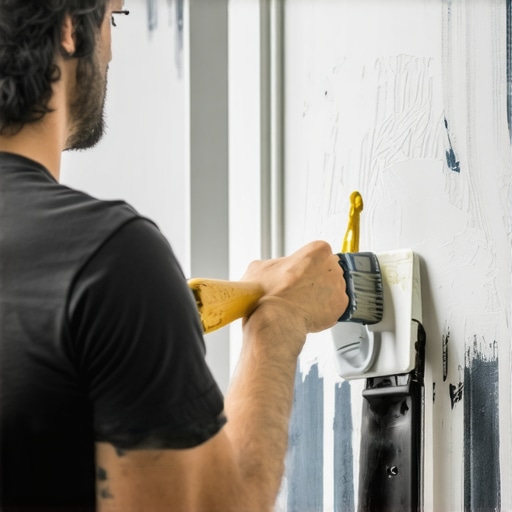
Next, a common mistake is ignoring proper surface preparation. Many skip sanding, cleaning, or priming, assuming it’s unnecessary. This oversight causes adhesion problems, leading to peeling or uneven color. Remember, painting over dirty, greasy, or glossy surfaces without suitable prep is a surefire way to ruin your hard work. For advanced techniques on surface prep, check out professional tips.
Another misconception is that a single coat of paint is enough. While some high-quality paints are more pigmented, most projects still require at least two coats for consistency and vibrancy. Applying too few coats often results in visible streaks and patchiness, costing time and money in the long run. This is especially true in covering dark colors or stains, where alternating layers ensures a uniform finish. Have you ever fallen into this trap? Let me know in the comments.
How does lighting influence your paint’s appearance?
One often overlooked nuance is the way different lighting conditions impact how your paint looks once dry. Natural sunlight can make a color appear brighter and more vibrant, while dim artificial lighting may cast dull tones or highlight flaws. Understanding this, seasoned painters test their colors in various lighting setups before committing. If you’re striving for perfection, consider multiple lighting conditions to see how your chosen palette truly appears—it’s a step many miss. For in-depth guidance, explore expert house painting advice that covers color selection in different settings.
Remember, mastering these nuances elevates your project from DIY to professional-grade. Ready to debunk more myths? Visit our local painting solutions page for tailored strategies that fit any budget.
Keeping Your Investment in Shape: Tools I Swear By
When it comes to house painting, quality tools are the backbone of a professional-looking finish and long-term durability. I personally rely on a high-grade, angle-sash brush from Purdy for cutting in edges. Its stiff bristles give me control and prevent streaks, especially on tricky corners. For larger surface areas, I switch to a 12-inch roller with a woven sleeve from Wooster; it holds more paint and spreads it evenly, reducing lap marks and drip risks—saving time and effort. Don’t underestimate the value of a trustworthy paint sprayer either; I prefer the Wagner Control Pro 150 for its adjustable pressure and minimal overspray, which makes detailed painting over textured surfaces much easier. Using tools suited for the job not only improves the finished look but also extends the life of your paint job by ensuring proper application and adhesion.
Embracing the Right Maintenance Routine
Proper upkeep after painting is crucial to keep your home’s exterior or interior looking fresh. Regular inspections every 2-3 years reveal signs of wear like peeling or fading. Addressing these early prevents more extensive repairs later. For instance, lightly washing your painted surfaces with a soft brush and mild detergent helps remove dirt and prevent mildew growth—much like a car wash extends the life of your paint. When repainting or touch-ups are needed, proper surface prep is non-negotiable. Sanding rough patches and cleaning thoroughly ensure that new coats adhere properly, minimizing future peeling. Additionally, I recommend sealing trim and edges with a high-quality, scuff-resistant exterior lacquer; it fortifies vulnerable spots that face constant weather exposure, essentially acting as a shield against moisture ingress and UV damage. An investment in good maintenance tools, like a quality scraper and a garden sprayer for sealants, streamlines these routines and makes upkeep manageable.
Scaling Your Painting Projects Safely and Effectively
As your enthusiasm for house painting grows, considering scalability is essential. Larger projects—say, repainting your entire home—demand a more systematic approach. I recommend investing in extendable rollers and extension poles from reputable brands like Sherwin-Williams, which allow you to reach high or awkward spots without needing scaffolding or ladders—reducing safety risks. For precise color consultation and to ensure consistency across extensive surfaces, I use digital color-matching tools like the Nix Mini Color Sensor. This device quickly captures the exact color from any surface and matches it in your preferred paint brand. To keep your workflow smooth,logistical planning becomes vital—set up staging zones, and have your tools organized for quick access. Remember, scaling up isn’t just about getting the work done faster; it’s about maintaining quality and safety through the right tools and habits. Future trends suggest automation and smart technology integration in home painting; for now, mastering these foundational practices ensures your projects stand the test of time.
What Painting Mistakes Taught Me the Hard Way
One of the most valuable lessons I learned about house painting is the importance of patience and preparation. Rushing through surface prep without proper cleaning or sanding can lead to uneven coverage and premature chipping. I also realized that trusting quality tools over cheap alternatives makes a significant difference in the final appearance. These setbacks taught me that investing time upfront saves frustration later, especially when working with eco-friendly milk paint or any specialty finishes. Authentic results come from attention to detail and embracing the learning curve.
Tools and Resources That Elevate My Work
I rely heavily on professional-grade brushes from Purdy and rollers from Wooster; they help me achieve smooth, streak-free finishes. For color accuracy, I’ve found the Nix Mini Color Sensor invaluable—it’s like having a color lab in your pocket, ensuring consistency across large projects. To deepen my knowledge, books like The Ultimate Guide to House Painting have been game-changers by providing step-by-step techniques and troubleshooting tips. Additionally, a subscription to industry blogs keeps me updated on trend shifts, such as the eco-conscious resurgence of milk paint and modern sealing methods.
Your Turn to Bring Personal Flair Into Home Painting
Every home has a story, and your choice of paint finishes reflects that personality. By understanding the nuances—like lighting effects on colors or sealing for durability—you can create spaces that truly resonate with your style. Remember, a well-executed paint job isn’t just about appearance; it’s an expression of your care and craftsmanship. If you’re ready to elevate your home’s aesthetic, start small—maybe a single cabinet or an accent wall—and gradually build your skills. Share your plans or challenges in the comments; I’d love to hear how you’re planning to transform your space with these insights. Curious about more tailored tips? Check out local painting solutions for every budget or expert house painting tips for 2025 to keep your projects on track.