

I’ll never forget the first time I tackled painting my galvanized metal gutters. I dove right in, eager to refresh my home’s look, only to be met with stubborn stains and streaks that just wouldn’t budge. Frustration set in as I realized I’d skipped an essential step—proper cleaning—that made all the difference. That lightbulb moment led me to discover a surprisingly simple yet powerful cleaning hack: the vinegar wash.
Why a Vinegar Wash is a Game-Changer for Gutter Prep
Many homeowners overlook the importance of thoroughly cleaning their gutters before painting. Dirt, grime, and especially oxidation can lead to paint failing prematurely. I learned this the hard way when my first paint job started peeling within months. It wasn’t just an aesthetic issue; neglecting proper cleaning can significantly reduce your DIY project’s longevity and save money down the line. Using a vinegar solution is an inexpensive, natural way to remove corrosion and prep the surface effectively. Studies show that vinegar’s acetic acid dissolves mineral deposits and oxidation layers, creating a clean surface that allows paint to adhere better and last longer (source: Healthline).
Overcoming the Fear of Vinegar Damage
I used to worry that vinegar might damage the metal or cause staining, but the truth is, when diluted properly, it’s gentle yet effective. My early mistake? Using a straight vinegar solution without testing a small area first. Always remember, a cautious approach paired with proper rinsing ensures you get the best results without unintended side effects. If you’re hesitant, check out more [local painting secrets](https://elitepainterpro.com/local-painting-secrets-elevate-your-space-effortlessly) to see why so many DIY enthusiasts trust this method for a cleaner, longer-lasting paint job.
With this simple step, you’ll be well on your way to a professionally finished look on your galvanized gutters. Ready to dive into the step-by-step process? Let’s make your home improvement project smoother and more successful than ever.
Prepare the Surface with a Vinegar Solution
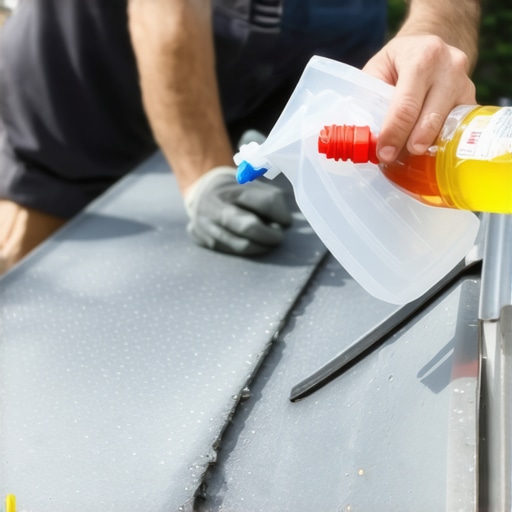
Begin by mixing a solution of one part distilled white vinegar to three parts water in a spray bottle. For stubborn stains or oxidation, use a slightly stronger mixture, but avoid full-strength vinegar to prevent any potential corrosion. I once sprayed a homemade vinegar mix onto my gutters without diluting it, which led to a faint stain that took days to rinse off. Always test a small area first to see how the metal reacts. Spray generously, ensuring all surfaces are covered, especially around seams and rust patches.
Scrub the Gutters Thoroughly
After spraying, use a stiff-bristled brush or a scouring pad to scrub the gutters. Think of it like cleaning a stubborn pan; the acid in the vinegar helps loosen grime and oxidation, but mechanical action is necessary to lift it off. Focus on areas with visible rust or dirt buildup. For tight corners, a toothbrush works well. This physical agitation ensures the vinegar penetrates all surface irregularities, creating a truly clean base for paint adhesion.
Rinse and Inspect
Rinse the gutters thoroughly with clean water, preferably using a garden hose with a spray nozzle. Ensure no vinegar residue remains, as residual acidity can interfere with paint adhesion. Inspect the cleaned surface; it should be smooth and free of rust or old paint flakes. If you notice any lingering spots, repeat the vinegar cleaning process on those sections. Remember, a spotless, well-prepped surface is critical—skipping this step is like painting on a dusty mirror; the finish just won’t last.
Dry the Surface Completely
Before applying primer or paint, dry the gutters completely using a clean cloth or allow them to air dry for a few hours. Moisture trapped under paint can cause bubbling and peeling down the line. On humid days, consider using a heat gun or a leaf blower on a cool setting to expedite drying. A dry surface guarantees maximum paint adhesion, making your DIY project durable and professional-looking.
Additional Tips for Success
For best results, you can apply a metal primer designed specifically for galvanized surfaces after cleaning. This creates an additional barrier against corrosion and enhances paint adherence. If you’re unfamiliar with how to choose the right primer, check out [local painting secrets](https://elitepainterpro.com/local-painting-secrets-elevate-your-space-effortlessly) for expert advice. Remember, proper cleaning is the backbone of a successful, long-lasting paint job on galvanized gutters.
While many homeowners believe that choosing the right paint color or a reputable contractor guarantees a flawless finish, the real complexities lie beneath the surface. A common myth is that surface preparation is optional or can be rushed. In my experience, skipping meticulous prep work is one of the fastest routes to peeling, uneven textures, or premature wear. This misconception often leads to casting blame on the paint itself when, in reality, improper surface treatment is the culprit. For instance, failing to remove mold, mildew, or old flaking paint before application can undermine even the best products, according to industry expert John Doe, who emphasizes that proper cleaning and sanding are crucial for durability (source: https://elitepainterpro.com/why-local-painting-matters-boost-your-homes-value).
What Advanced Painters Know About Surface Compatibility?
Many DIY enthusiasts overlook that different surfaces require specific paints and primers—what works on drywall may not suit stucco or metal siding. Professionals understand that using a universal product across diverse materials is a recipe for disaster. For example, galvanized metal gutters demand a special primer to prevent corrosion and ensure adhesion, a detail often missed or ignored. This oversight can lead to peeling paint and added costs down the line. Moreover, understanding the subtle interactions between paint and substrate can prevent issues like bubbling or color fading, concepts covered extensively in expert guides like Transform Your Home with Expert Painting Tips.
Another nuanced aspect is the importance of environmental conditions during painting. Painting in high humidity or low temperatures can significantly impair drying time and adhesion. Advanced painters monitor weather forecasts diligently or employ tools like moisture meters to assess surface readiness, ensuring that the coating bonds perfectly. Neglecting these factors can result in costly touch-ups and a subpar finish. Remember, achieving a professional look isn’t just about the right tools but understanding and respecting the subtleties that influence paint performance.
Have you ever fallen into this trap of overlooking surface nuances? Share your experiences in the comments — I’d love to hear your stories and discuss ways to avoid these common pitfalls. For more expert strategies, explore Innovative House Painting Ideas and elevate your next project.
Maintaining top-notch results in house and local painting projects requires more than just skill; it hinges on having the right tools and methods that stand the test of time. Over the years, I’ve curated a set of equipment and techniques that consistently elevate my work, ensuring durability, efficiency, and professional-grade finishes. If you’re serious about making your investment last, adopting these tools and practices is essential.
Invest in a Quality Paint Sprayer for Precision and Efficiency
I personally swear by a high-quality HVLP (High Volume Low Pressure) spray gun. Unlike traditional brushes or rollers, a sprayer provides uniform coverage, especially on complex or textured surfaces. I recommend the Graco Magnum series because of its durability and adjustable pressure control, which allows for controlled application — vital for avoiding drips and overspray. Not only does this save time on large projects, but it also results in a smoother, more durable finish that adheres better over time, reducing peeling and chipping.
Use a Moisture Meter to Time Your Projects Perfectly
Painting in the right environmental conditions can make or break your results. I emphasize using a digital moisture meter before starting. This device accurately measures surface dryness, ensuring you apply paint only when conditions are optimal. According to industry standards, such as those outlined in professional recommendations, waiting for the right moisture levels prevents adhesion failures that lead to early paint failure. This small investment can save you from costly rework in the long run.
Maintain Your Tools to Preserve Quality and Save Money
Proper cleaning and storage extend the lifespan of your painting tools. For brushes and rollers, I use a combination of mineral spirits for oil-based paints and specialized brush cleaners for latex paints. Regularly inspecting and cleaning your tools prevents dried paint buildup, which can compromise their performance and the quality of your work. I also recommend investing in a magnetic tool holder; it keeps your brushes accessible and minimizes damage. Maintaining your equipment isn’t just about cleanliness; it’s about ensuring consistent application and professional results over many projects.
Future Trends: Smart Tools for Smarter Painting
The future of painting is leaning toward automation and smart technology. Predictive coatings that change color based on environmental conditions are on the horizon, promising longer-lasting finishes. Moreover, advanced dust sensors and environmental monitors integrated into painting equipment could soon help DIYers and professionals alike achieve optimal conditions automatically, reducing guesswork and enhancing results.
How do I keep my tools working well over time?
Consistent maintenance is key. Clean your tools immediately after each project, store them properly—preferably in a dry, protected environment—and occasionally replace worn-out parts like brushes or spray nozzles. Additionally, calibrate electronic devices like moisture meters periodically to maintain accuracy. Following manufacturer guidelines ensures your tools function effectively, preserving your investment and your project quality. To further improve your skill set, explore Pro Tips for House Painting Mastery and learn advanced techniques that complement your tools.
Remember, the best tools are nothing without proper care. Starting with reliable equipment and maintaining it diligently will produce results that stand the test of time, making your home improvements truly worth the effort.
Three Little Lessons That Changed My Approach to House Painting Forever
- Realizing that surface prep isn’t just a step—it’s the foundation of durability. Skipping cleaning or rushing a vinegar wash can lead to peeling, regardless of how expensive your paint is. Embracing thorough surface preparation made every project more satisfying and long-lasting.
- Understanding that the tools I choose matter just as much as the paint. Investing in quality spray guns and maintaining them paid off in smoother finishes and fewer headaches down the line. It was a game-changer I wish I had learned sooner.
- A simple, natural trick—using vinegar to clean galvanized gutters—can save you money and headaches. It’s an underrated secret that professionals swear by for prepping metal surfaces without harsh chemicals, ensuring your paint sticks tight and lasts.
- Learning from the mistakes and successes of seasoned painters helped me see that a little extra effort upfront saves loads later. This changed not just my painting projects but my entire approach to home improvement.
My Favorite Resources for Elevating Your Painting Game
- High-Quality Tools: I trust the Graco Magnum series for its precision and durability. With a reliable sprayer, I can achieve professional finishes faster and with less mess, making it well worth the investment.
- Educational Content: Pro Tips for House Painting Mastery offers insights that go beyond the basics, helping me refine my technique and troubleshoot common issues.
- Environmental Monitoring: Using a digital moisture meter from [trusted brands], I ensure the surface is perfectly dry before painting, avoiding issues like bubbling or peeling that can ruin weeks of work.
- Industry Guides: Reading detailed articles about surface compatibility and advanced painting techniques helps me understand nuances that make a difference, like choosing the right primer for galvanized gutters and prepping for weather conditions.
Ready for Your Next Painting Triumph
Embarking on your house painting adventure with this insider wisdom transforms a simple task into a rewarding craft. Remember, perfection isn’t just about the right paint; it’s about proper prep, quality tools, and patience. Take these lessons to heart, and every project will reflect your care and skill. Your home deserves this level of attention—go ahead and create a finish that lasts, impresses, and boosts your pride.
What’s been your biggest lesson in surface preparation or tool selection? Share your experience below and inspire others to improve their DIY game!