

Imagine this: I’m halfway through painting a ceiling, eager to tackle the job efficiently, when suddenly, paint drips down my face, my shirt, and even splatters onto the freshly carpeted floor. It was a frustrating, messy mess that made me realize I was missing a crucial secret to painting ceilings without turning my living room into a battlefield of splatters and stains. That kind of disaster is all too familiar, isn’t it? We’ve all been there—ready to boost our home’s look, but ending up with paint splashes in places we didn’t intend.
Today, I want to share with you a simple, practical trick I’ve perfected over years of painting projects—something that transformed my approach and kept my ceilings spotless. You see, painting ceilings might seem straightforward, but getting clean, splatter-free results requires more than just a steady hand and a good brush. It’s about working smarter, not harder, and having a few little techniques up your sleeve.
Many DIY enthusiasts and even seasoned painters overlook the importance of preparation and the right tools, leading to splattered paint and incomplete work. Early in my painting adventures, I underestimated how much a small adjustment could save me hours of cleanup and frustration. Like many, I used old rags, cheap tape, and generic rollers—mistakes that cost me dearly. Did you know that improper masking or using the wrong roller covers can increase paint splatter significantly? According to industry standards, selecting the right equipment and technique can reduce cleanup time and improve results considerably.
So, if you’re tired of cleaning paint off your floors, furniture, and face, stick around. I’ll guide you through proven tips to keep your ceiling painting clean, neat, and stress-free. Whether you’re sprucing up a single room or tackling an entire house, these tricks work across the board. Ready to make your next ceiling project a splatter-free success? Let’s dive into the secrets that even professional painters swear by.
Prepare Your Workspace Thoroughly
Start by clearing the area and covering furniture with drop cloths. Use painter’s tape to mask edges of walls, trim, and fixtures to prevent accidental splatters. I once masked a ceiling fan with plastic wrap instead of tape, which kept my fan spotless and saved hours of cleaning later. Proper preparation reduces mess and makes cleanup easier.
Choose the Right Tools and Materials
Select high-quality roller covers with thick nap for ceilings; these hold more paint and reduce splatters. Use a long-handled roller to reach the ceiling without overextending, minimizing drips and fatigue. I learned this the hard way when I tried a cheap roller—paint splattered everywhere. Investing in proper tools results in cleaner work and better coverage.
Use a Quality Extension Pole
A sturdy extension pole allows you to paint the ceiling without climbing ladders or overreaching, which often causes drips. Just last weekend, I attached my roller to a pole, which allowed me to stay on the ground and keep the ceiling perfect—no mess, no fuss. This simple upgrade greatly improves control and safety.
Master the Technique to Minimize Splatter
Load your roller properly; dip it about one-third into the paint and roll out excess on the tray’s ridges. Don’t overload the roller; too much paint increases splatters and drips. During my first big ceiling project, I learned that less paint on the roller means less mess. Apply the paint in smooth, overlapping strokes, working in sections to keep lines even.
Control Your Speed and Pressure
Use steady, moderate pressure to prevent excess paint from flicking off the roller. Moving too fast causes splatters, especially near edges. I found that slow, deliberate strokes produce a cleaner finish. Practicing this technique avoids finishing with paint splatters on the floor, furniture, or nearby walls.
Keep Things Clean During Painting
Wipe the roller’s edges frequently to remove excess paint. Use a damp cloth to quickly clean any splatters on surfaces or tools. I keep a box of paper towels nearby, which helps me catch drips before they settle. Regular cleaning prevents small splashes from spreading and makes the entire process neater.
Check the Wall Before You Paint
Ensure the ceiling surface is clean and free from dust or grease. Use the soap and water test (learn more here) to verify cleanliness. A clean surface allows the paint to adhere smoothly, reducing the chances of peeling or uneven coverage. Last time, a quick clean saved me from future touch-ups.
Finish with Proper Cleanup
After painting, remove painter’s tape carefully before the paint fully cures to avoid peeling. Clean your tools immediately by rinsing rollers and brushes in warm, soapy water for latex paints or appropriate solvents for oil-based paints. Proper cleanup not only prolongs tool life but also keeps your work area tidy, preventing residual paint from causing stains later.
When we think about painting our homes, many assume that choosing the right color and applying it evenly is all that matters. However, beneath this surface-level focus lies a series of nuanced missteps that can sabotage your project’s long-term success. Let’s dig deeper into some common myths and advanced mistakes that even experienced DIYers often overlook.
One prevalent misconception is that a professionally prepared surface guarantees a flawless finish. Many homeowners neglect the importance of thorough surface testing, such as the soap and water test. Without it, residual dust, grease, or mold can prevent paint adhesion, leading to peeling or uneven coloring over time. Skipping this step is a subtle mistake that can cost you months of frustration.
Another critical nuance involves the misconception surrounding paint types. While many default to standard options, advanced projects may benefit from specialized formulas like solar-reflective or bio-resin paints. For example, solar-reflective paints are not just trendy—they can significantly reduce cooling costs, especially in warmer climates. Neglecting to choose the appropriate paint for your environment can result in wasted money and subpar results.
A trap that often ensnares even seasoned painters is improper storage of paint cans, which affects longevity and quality. Many overlook the importance of airtight seals post-project or the benefits of cool, dark storage environments. Visit this guide to learn how proper storage preserves your investment and extends the life of your paints.
Ever wondered why some painted surfaces develop unexpected problems? For instance, in humid environments, improper humidity control can cause blistering or bubbling. Professional painters emphasize monitoring air and surface moisture levels, especially before applying high-gloss or oil-based paints. This attention to detail prevents long-term issues and saves you from costly rework.
Varying your approach by understanding these hidden factors elevates your painting game from amateur to expert. The difference often lies in these subtle details—like properly priming surfaces with bucket tests for paint dilution—that determine the durability and beauty of your work. So next time you plan a project, remember: master the nuance, and your home will thank you for years to come.When it comes to achieving professional-quality results that stand the test of time, having the right tools and maintaining them properly is essential. I’ve learned from years of experience that investing in high-quality equipment not only improves the final appearance but also makes your projects more enjoyable and less frustrating.
Invest in a Premium Extendable Pole
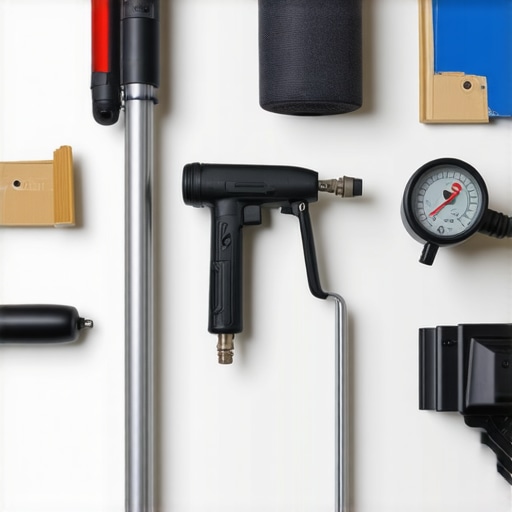
One of my most valued tools is a durable, lightweight extension pole. I personally prefer ones with adjustable locking mechanisms and ergonomic grips. These allow me to reach ceilings effortlessly, maintain control, and reduce fatigue, leading to cleaner lines and fewer drips. Proper maintenance involves cleaning the pole after each use to prevent paint build-up and storing it in a dry place to avoid warping, which ensures consistent performance over years.
Use Advanced Paint Sprayers Carefully
For large surfaces or exterior jobs, I rely on high-quality, airless paint sprayers like the Graco Magnum series. They significantly cut down application time and provide a uniform coat. To keep them working flawlessly, I regularly flush the system with cleaning solutions after each project, accompanied by thorough inspections of seals and nozzles. Training yourself to adjust spray pressure and pattern settings optimizes outcomes and reduces overspray, boosting efficiency.
Apply Smart Surface Preparation Techniques
Prepping surfaces correctly is as important as the painting itself. I emphasize using a soap and water test before priming or painting. Proper cleaning removes dust, grease, and mold, ensuring adhesion and durability of your paint. Regularly inspecting and maintaining your brushes and rollers—rinsing them thoroughly and storing them properly—extends their lifespan and keeps them performing like new.
Leverage Technology for Precision and Cost Savings
Today, digital tools like laser levels and moisture meters help me achieve precise lines and assess surface readiness, respectively. I’ve found that incorporating these devices saves me from costly mistakes, such as uneven lines or paint peeling due to residual moisture. As technology continues advancing, I predict that incorporating smart sensors for environmental monitoring could soon become standard in home painting, further increasing efficiency and result quality.
Maintain Your Equipment for Long-Term Results
To keep tools in top shape, regular maintenance is non-negotiable. This includes cleaning sprayer nozzles, lubricating moving parts, and storing items dry to prevent corrosion. For paint cans, proper storage—sealed tightly and stored in a temperature-controlled environment—preserves paint quality and extends usability, as detailed in this guide. Consistent upkeep ensures your tools will deliver reliable results project after project.
Future of Painting Tools and Techniques
As local painting evolves, I believe we’ll see an increased focus on eco-friendly, low-VOC tools and materials, alongside smarter application devices that communicate with users via apps, guiding optimal usage. Staying updated on emerging innovations will give you a competitive edge and confidence in your work.
How do I keep my tools performing at their best over time?
Regular cleaning, proper storage, and timely repairs are key. For example, replacing worn nozzle seals and cleaning spray filters after every use prevents clogs and maintains consistency. Remember, investing a little time in tool maintenance pays off with superior results and longer equipment lifespan. I highly recommend trying out a quality extension pole with adjustable features combined with careful cleaning routines—these simple steps have made a world of difference in my projects.
Lessons I Wish I Learned the Hard Way
One of my biggest surprises was realizing how much proper preparation can save hours of cleanup. Masking edges thoroughly and covering furniture before starting kept my workspace tidy and my nerves intact. It’s a small investment of time that pays off big later.
Another lightbulb moment was about choosing the right tools. Upgrading to high-quality roller covers and an extendable pole transformed my painting experience—less splatter, more even coverage, and no back-breaking ladders. Trust me, quality tools make all the difference in creating a professional look.
I also discovered that surface testing and cleaning are often overlooked but crucial steps. Doing a soap and water test before primer helped me identify hidden grease or dust, which could have caused future peeling. It’s these subtle details that establish a solid foundation for a perfect finish.
Finally, I underestimated the importance of quick tool cleaning and proper storage. Cleaning brushes and rollers immediately after use, and keeping my paint cans sealed and stored in a cool place, have kept my supplies fresh and my results consistent. Small habits, big results.
My Go-To Resources for Painting Mastery
For tools, I swear by [premium extension poles](https://elitepainterpro.com/3-red-flag-markups-hiding-in-2026-local-painting-quotes) that are adjustable and ergonomic—trust me, controlling your roller is key to neat lines and minimal splatter. When selecting paint, my preferred options are eco-friendly and UV-resistant, like the [solar-reflective paints](https://elitepainterpro.com/5-solar-reflective-house-painting-tactics-for-2026-field-test), which can reduce heat buildup and protect your investment. The [soap and water test](https://elitepainterpro.com/the-soap-and-water-test-for-checking-wall-cleanliness-before-priming) remains my go-to method for ensuring walls are properly cleaned for adhesion, preventing future peeling.
Lastly, I consult guides on [proper paint storage](https://elitepainterpro.com/the-proper-way-to-store-paint-cans-to-keep-them-fresh-for-years) to maximize the lifespan of my supplies, avoiding waste and saving money over time. Combining these resources with hands-on experience has elevated my craft, and I’m excited to see your results too.
Your Next Step Towards Flawless Ceilings
Remember, transforming your home through painting isn’t just about choosing colors—it’s about mastering those subtle skills that turn an average job into a lasting masterpiece. Keep a curious mind, invest in quality tools, and never overlook the power of preparation. Your ceilings—and your walls—will thank you for it. Ready to put these tips to the test and achieve stress-free, professional-quality results? I believe in your ability to make a difference in your home’s appearance.
What has been your biggest challenge when painting ceilings? Share your story below and let’s learn from each other!