

I remember the first time I noticed it—standing on my porch, squinting against the blazing sun, I saw the paint on my exterior trim flaking and peeling only on the side that faced the sun. It was frustrating! Despite my efforts to repaint, the problem persisted, and I couldn’t understand why just one side of my trim was giving up. That lightbulb moment made me realize that the sun isn’t just blazing down for show; it’s actively working against my paint, accelerating its wear in ways I hadn’t comprehended before.
The Real Culprit Behind Sun-Soaked Paint Peeling
Now, here’s what I wish I knew early on: exterior paint is a delicate balance. It’s designed to protect and beautify your home, but exposure to elements like UV rays, heat, and moisture can cause deterioration—especially when unanticipated conditions come into play. The sunny side of your house takes a relentless beating, and without proper preparation and materials, the paint on that side can peel faster than on shaded areas.
According to a study published by the Science Daily, UV radiation significantly degrades paint films over time, especially in sunny conditions. This is why understanding the science behind paint durability is crucial for a lasting finish. But before jumping into solutions, I want to share a mistake I made that almost made the problem worse: I ignored the importance of surface prep, assuming that a fresh coat of paint would fix the peeling. Spoiler: it didn’t. Proper surface prep is the foundation for long-lasting results.
So, if you’ve faced the same issue—peeling paint only where the sun hits—know that you’re not alone. This article will walk you through why this happens and, more importantly, how to combat it with proven strategies. Let’s restore that beautiful, even finish your home deserves!
Is Your Peeling a Sign of Bigger Problems?
Many homeowners worry that sun-damaged paint indicates deeper issues like rot or structural damage. While extreme cases exist, often it’s just a matter of choosing the right materials and techniques. If you’re tired of repainting every few years, it’s time to understand the real causes and how to fix them once and for all. Ready to turn things around? Let’s dive into effective solutions that work—no gimmicks, just good old-fashioned know-how.
Prep the Surface for Lasting Results
My first attempt at fixing peeling paint was to slap on a fresh coat without proper prep—big mistake. The paint blistered again within a year. Now, I make sure to clean and sand the surface thoroughly. First, wash the area with a mixture of dish soap and water to remove dirt, grease, and chalky residue. After it drys, sand any loose or peeling paint with medium-grit sandpaper, like 150-grit, to create a smooth, toothy surface that help the new paint adhere properly.
Choose the Right Primer
Next, I apply a high-quality exterior primer designed for UV resistance. Think of primer as the foundation of a house; it seals the surface and enhances paint longevity. For sun-exposed areas, opt for primers with stain-blocking and UV-blocking properties. When I painted my south-facing trim, I used a bonding primer with sun protection, which significantly improved durability.
Pick Superior Exterior Paint
Now, the key to resisting peeling is choosing paint formulated for harsh sunlight. I prefer 100% acrylic latex paints with added UV inhibitors. It’s like adding sunscreen to your home; it shields the paint from sun rays. Remember, thinner or cheaper paints tend to degrade faster, so investing in quality pays off in the long run. When I painted my front door, I used a paint containing polymer resin and UV stabilizers, which kept the color vibrant despite years of sun exposure.
Apply Properly for Even Coverage
Proper application is vital. I use a high-quality brush for edges and a roller for large surfaces, working in smooth, overlapping strokes. Don’t rush; applying multiple thin coats is better than one thick coat, as it dries evenly and adheres better. I learned this the hard way when I tried to coat my eaves in one go—burn marks and unevenness happened, and I had to sand and reapply. Patience here saves time and money.
Implement Sun Protection Strategies
Install Shade or Overhangs
By adding awnings or plantings, you can shield paint from direct sunlight. I installed a small overhang above my porch, which not only looks good but also prolongs the life of the paint. This idea is akin to wearing a hat on a sunny day—simple but effective.
Use Reflective Paint and Coatings
Reflective or light-colored paints bounce sunlight away, reducing surface heat and UV damage. I experimented with a light cream color on my siding, which kept the surface cooler and slowed the deterioration process—similar to how a reflective car paint keeps the interior cooler.
Perform Regular Maintenance
Lastly, routine inspections and touch-ups prevent small issues from becoming big problems. After a year, I spotted minor cracking and quickly sanded and retouched those spots. This proactive approach keeps my paint looking fresh and resists peeling longer, especially on the sun-facing sides.
Implementing these precise steps and using quality materials has transformed how my home withstands the sun. Remember, good surface prep and the right products are your best defense against peeling paint—saving you money and headaches over time. For more expert insights on transforming your home with proper painting techniques, visit this comprehensive guide or reach out to local professionals for tailored advice.
Many homeowners and even some DIY enthusiasts carry misconceptions about house painting that can lead to costly mistakes. One of the most pervasive myths is that applying multiple thick coats of paint will speed up the process and improve durability. However, in my experience, this approach often results in uneven finishes and premature peeling, especially if the underlying surface isn’t properly prepared. It’s more effective to apply thin, even coats, allowing each layer to dry thoroughly before adding the next.
Another common misconception centers around the idea that all paints are essentially the same. In reality, the type and quality of paint play a crucial role in the longevity and appearance of your painted surfaces. High-quality paints with UV inhibitors and advanced resins tend to resist fading, cracking, and peeling much better—particularly on sun-exposed areas. Choosing the right product from the start can save you from frequent reapplications and touch-ups, which often become pitfalls for DIYers unaware of these nuances. For deeper insights into selecting the best paints, check out this expert guide.
Why do many think painting in the cold or rainy weather is fine?
This is a trap that even experienced painters can fall into. Many believe that painting aspects like walls or exteriors during less-than-ideal weather doesn’t affect the outcome. The truth, however, is that humidity and low temperatures hinder the paint’s curing process, leading to issues like bubbling, cracking, and reduced adhesion. A study published in the Science Daily highlights how environmental conditions significantly impact coating performance. Always check the manufacturer’s guidelines for ideal painting conditions—ignoring these can set your project back months.
One more mistake that many overlook is neglecting surface prep. Some think that a quick wash and sanding session are enough, but neglecting proper cleaning of grease, chalk, or previous peeling paint can undermine adhesion. Proper surface preparation, including de-greasing and rinsing, forms the foundation for a flawless finish and longer-lasting results. If you want to master the art of surface prep, visit this resource.
Remember, effective painting isn’t just about color choices; it requires understanding the nuance behind products, conditions, and techniques. Have you ever fallen into this trap? Let me know in the comments. For personalized advice on avoiding these pitfalls, consider reaching out to local professionals who know what works in your climate and home environment.
,
Achieving durable, beautiful paintwork isn’t just about selecting the right paint—it’s equally about having the proper tools and maintaining them effectively over time. As a seasoned painter, I’ve come to rely on specific equipment that ensures efficiency and longevity in my projects. One such tool I swear by is the high-quality Wagner Flexio 590 paint sprayer. It offers superior control, even spray patterns, and reduces overspray, which is crucial when working on large surfaces or intricate trim. Investing in a reliable sprayer saves me time and results in a smoother finish, especially on sunny sides where the sun’s rays can make uneven application more noticeable.
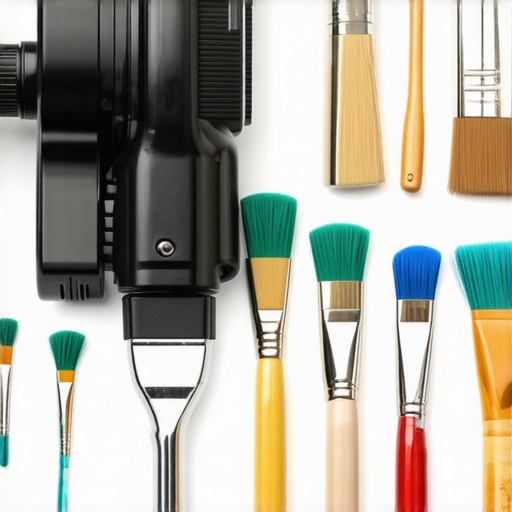
Beyond spraying tools, I emphasize the importance of precision brushes, particularly angled sash brushes for cutting-in. My personal favorite is the Purdy Radius series because it maintains its bristle integrity even after numerous cleanings, which is essential for detailed work around windows and soffits. These brushes help prevent uneven application and streaks, making the painting process more manageable and professional-looking.
For surface preparation, I recommend a dual-action orbital sander, like the DEWALT DWE6421K. Its vibration control and variable speed setting give me control when sanding down peeling paint or smoothing new primer coats. Regular maintenance of my tools, such as cleaning brushes promptly with linseed oil soap, ensures their longevity. Using specialized cleaning tools, like the Purdy Cleanser for brushes, prevents bristle breakage and helps preserve their shape for future projects.
Tools also extend to software solutions that help plan and track my painting projects. I use advanced project management software like Jobber, which streamlines scheduling, invoicing, and client communication. This organized approach means I can scale my house painting business sustainably, handling multiple homes without sacrificing quality or attention to detail. As the industry moves toward integrating digital solutions, I predict more house painters will adopt such tools to ensure consistency and efficiency over the long term.
How do I sustain my painting tools and methods over the years?
Proper maintenance is key. Regularly inspecting equipment for wear and tear, cleaning tools immediately after use, and storing everything in a dry, dust-free environment prolongs their life. For example, sharpening and honing cutters on edging tools can prevent uneven lines and keep your work sharp. Incorporating routine checkups into your workflow—like replacing worn-out spray tips or updating software—helps maintain high standards and prevents costly setbacks. Want to elevate your home’s exterior or interior with top-notch finishing? Check out this resource on expert house painting tips for the upcoming season.
As we look to the future, technology like automated color-matching apps and AI-driven project planning will become standard, making it easier to execute flawless results consistently. Incorporating these advancements now will give you a significant edge in maintaining your home’s beauty and value over the years.
Start by trying out a high-end sprayer like the Wagner Flexio 590 or upgrading your brush collection with Purdy tools. Small investments today can lead to big wins in durability and appearance over time. For tailored advice on maintaining your tools or scaling your painting efforts, don’t hesitate to reach out to local professionals.
The Hardest Lesson I Learned About painting,house painting,local painting
Patience is key — rushing your paint job or skipping surface prep can lead to peeling and frustration. I once tried to speed up the process with thick coats, only to end up repainting sooner than expected. Taking the time to sand, clean, and apply thin coats saved me time and money in the long run.
How I Discovered the Power of UV-Resistant Paints
Experimenting with different paint formulas taught me that not all paints are created equal. Using high-quality, UV-inhibited acrylic latex paint made a noticeable difference in resisting sun damage, especially on south-facing surfaces. Investing in better materials pays dividends in durability and appearance.
What DIY Mistakes Nearly Cost Me My Finish
Neglecting proper surface preparation almost doubled my repainting frequency. Scrubbing away grease, sanding loose paint, and priming before applying the final coat turned a DIY project into a lasting solution. Proper prep is the secret weapon against peeling paint.
My Top 3 Tools for a Flawless Exterior
A reliable paint sprayer like the Wagner Flexio 590, quality brushes such as the Purdy Radius series, and a dual-action orbital sander are game changers. These tools help achieve even coverage and a professional look, especially on tricky sun-exposed areas.
Key Lessons from the Field: Protecting Your Paint Investment
Adding overhangs, choosing reflective or light-colored paints, and performing regular touch-ups extend your paint’s life. Proactive measures like installing shade or using reflective coatings shield your home from harsh sun rays, preserving your work for years to come.
Where to Go from Here
Armed with these insights, you’re better equipped to tackle sun-related paint peeling. Remember, understanding the science, selecting quality products, and applying proper techniques make all the difference. For detailed guidance on elevating your home’s curb appeal or handling specific painting challenges, check out this comprehensive guide or reach out to local experts. Your home can look fantastic—and last—longer than you ever imagined.
Why DIY Painting Does Not Mean Cutting Corners
One lesson I learned the hard way is that shortcuts often lead to more work later. Skipping surface prep or choosing cheap paints might seem tempting, but it compromises durability and appearance. Investing in quality materials and taking the time for proper preparation ensures your paint job stands up to the sun and weather over time. Think of it as giving your home the care it deserves—quality work today makes for fewer headaches tomorrow. Curious about professional tips and tricks? Visit this expert resource to elevate your home painting project.