

I’ll never forget that summer when I watched my house’s paint turn from vibrant to faded in what felt like overnight. One weekend, I was so proud of my brand-new exterior paint job, only to see it lose its luster by the time my lawnmower roared to life again. It was a painful, almost heart-wrenching realization that I had fallen for some common pitfalls without even knowing it. Have you ever experienced that frustrating fade, feeling like you threw money out the window after just a single season? You’re not alone.
Why Exterior Paint Fades Faster Than You Think
Many factors contribute to paint fading, but the biggest culprit is often exposure to intense sunlight and weather elements without proper preparation or quality supplies. I learned this the hard way early on, making the mistake of choosing cheap paint that claimed to be ‘UV resistant,’ only to discover it was a false promise. In fact, according to the Paint Center, UV damage is responsible for nearly 80% of exterior paint degradation in sunny climates, causing pigments to break down and fade over time.
Understanding the core reasons behind fading can save you hundreds—or even thousands—of dollars down the line. When I finally figured this out, I also discovered that some overlooked mistakes, like poor surface prep or using incompatible paint types, can accelerate paint failure. For instance, if your paint isn’t compatible with your siding material, it might peel or chalk prematurely. So, if your paint is fading faster than your neighbor’s, chances are you’ve missed a crucial step or used the wrong products.
Wondering whether your current approach is sabotaging your home’s appearance? Before you invest in another round of paint, it’s a good idea to evaluate your current technique and materials. A key mistake I made early on was neglecting proper surface cleaning, which led to poor adhesion and uneven fading. For more on preventing common pitfalls, check out this helpful guide.
Stay tuned—I’ll walk you through the proven steps to ensure your next paint job lasts longer, looks better, and ultimately saves you money. Ready to learn how to keep that fresh, vibrant look for years to come?
,
Prep Like a Pro
Start by removing all loose or peeling paint using a sturdy putty knife or scraper, which prevented me from feathering uneven edges on my first attempt and resulted in a smooth surface. Next, wash the surface thoroughly with a garden hose and a mixture of mild detergent to eliminate dirt, mold, and chalky residue. For stubborn stains, a power washer set to low pressure can help but avoid high-pressure cleaning on delicate siding, as it risks damaging the material—imagine trying to wash a fragile glass with a hammer; it won’t work. Once cleaned, rinse well and let the surface dry completely, preferably 24-48 hours, to prevent trapping moisture beneath the new paint, which can cause peeling later.
Choose the Right Materials
Using high-quality, exterior-grade paint is essential. Opt for paints with proven UV resistance, as UV damage accelerates fading. I once tried a cheap brand thinking I’d save money, but just two seasons later, the color faded significantly, illustrating the importance of investing in good supplies. Consult color charts and consider weather conditions to select a finish that resists cracking and peeling. Don’t forget to get enough paint—calculate the coverage based on your surface area and buy a little extra, as mixing batches prevents color inconsistencies, which are especially noticeable on large surfaces. For tips on selecting suitable paint, check out this guide.
Prep and Protect Properly
Mask windows, doors, and trim with painter’s tape, pressing firmly to prevent bleed-under. For large areas, use drop cloths or plastic sheeting to catch drips and protect floors and gardens. I learned this the hard way when my sprayer’s overspray coated my flower beds, turning them into a muddy mess. To prevent such mishaps, use high-quality masking tape for sharp lines, especially around trim, and secure protective coverings with painter’s tape along edges. Additionally, shield surrounding vegetation with foam boards or cardboard shields to avoid accidental paint splashes—professional painters often use cardboard to shield garden beds, a trick I adopted after my first messy repaint. Proper masking ensures crisp edges and saves cleanup time, making your work look more professional.
Apply the Paint Like a Master
Use the right tools: a high-quality brush for edges and trims, and a roller with adequate nap length for textured surfaces. I previously experimented with a cheap roller cover, which left lint in the wet paint, resulting in a rough finish. Upgrading to a high-quality roller made my walls look smooth and uniform. For large flat areas, a paint sprayer can offer a faster finish but requires proper technique—test spray on scrap material first and keep a consistent distance from the surface. When painting, follow the “W” or “M” motion to avoid streaks and reduce lap marks. Begin from the top and work your way down, staying wet edge to prevent overlaps from drying patches. For details on achieving flawless lines, visit this technique.
Finish with Care
Apply a second coat for durability, especially over darker colors or when painting over a lighter existing color. Wait for the first coat to dry thoroughly according to manufacturer instructions; rushing can cause peeling or uneven coverage. I once tried to speed things up by applying a second coat too early and ended up with drips and uneven patches, which took extra time to fix. Use a brush to touch up corners and tight spaces, avoiding missed spots. Finally, remove protective masking tape carefully once the paint has set—pulling at a 45-degree angle to prevent peeling the fresh paint. For the best results, avoid painting in direct sunlight or on windy days, which can cause premature drying and collapse of the finish, much like trying to paint a wet wall in a thunderstorm.
Many homeowners and even seasoned painters hold onto misconceptions that can sabotage their projects. For example, a common myth is that all paints are essentially the same, but in reality, choosing the wrong type or finish can lead to premature failure or unwanted appearance issues. If you’ve ever wondered why your freshly painted walls look uneven or why the paint chips within months, you might be falling prey to these misconceptions. Let’s dig deeper into some nuances most people overlook.
The Myth of One-Coat Perfection
Everyone says that a good quality, high-coverage paint should only need one coat. But according to expert studies, especially on dark colors over lighter shades, applying a second coat actually enhances durability and color richness. Skipping this step often results in uneven color, visible brush strokes, or a finish that doesn’t last. Don’t be fooled into thinking one coat will suffice; it’s an advanced mistake that can cost you in the long run. If you’re curious about the impact of proper layering, check out this detailed guide.
Beware the Weather Window
Many people believe they can paint whenever the weather looks clear, but painting in high humidity or when temperatures are too low or high can dramatically affect the finish. Humidity especially traps moisture, leading to issues like bubbling or peeling. Professional painters know the importance of selecting optimal days—usually when the temperature is between 50-85°F and humidity is low—to ensure the paint bonds properly. Neglecting this can result in a problem known as ‘blocking,’ where paint sticks to itself, ruining a perfect look. So, instead of rushing, plan your project around these conditions to avoid costly redo’s.
Can Quality Materials Really Offset Poor Technique?
Some think that buying the most expensive paint will make their project foolproof, but the truth is that even the best paint needs proper prep and application to truly excel. Quality materials cannot mask poor surface preparation or incorrect application techniques. For example, paint cannot adhere properly if the surface isn’t cleaned, sanded, and primed correctly—these steps are often overlooked and lead to issues that appear as if the paint itself was defective. To get insights on how to maximize your investment, see this insider look.
Inconsistent Surface Preparation Leads to Flaws
One of the most advanced mistakes that many overlook is improper surface prep, especially when dealing with older or previously painted surfaces. Failing to identify and treat underlying issues like wood rot, mold, or peeling paint can cause your new paint to bubble, peel, or discolor. A thorough inspection, combined with proper cleaning, sanding, and priming, is essential for a lasting finish. Remember, even a small missed detail, like not priming a bare wood patch, can turn into a visible flaw within months. If your paint job isn’t holding up, it might be time to revisit these foundational steps.
Have you ever fallen into this trap? Let me know in the comments. Staying aware of these nuances will help you avoid costly mistakes and achieve professional-looking results that stand the test of time.
Keep It Working: Tools I Trust for Long-Lasting Paint Looks
Achieving a durable, beautiful paint job isn’t just about choosing the right color or finish; it heavily depends on the tools you use and regular maintenance routines. From preparation to finish, my go-to equipment has evolved into a finely tuned arsenal that guarantees consistent results. For surface preparation, I swear by a high-quality oscillating multi-tool fitted with a sanding attachment. This device ensures meticulous sanding in corners and tight spots, saving hours and delivering a smooth, primer-adherent surface. When applying primer or paint, I rely on a professional-grade sprayer, such as the Wagner Control Pro 250, which offers adjustable pressure and fine mist settings for uniform coverage. <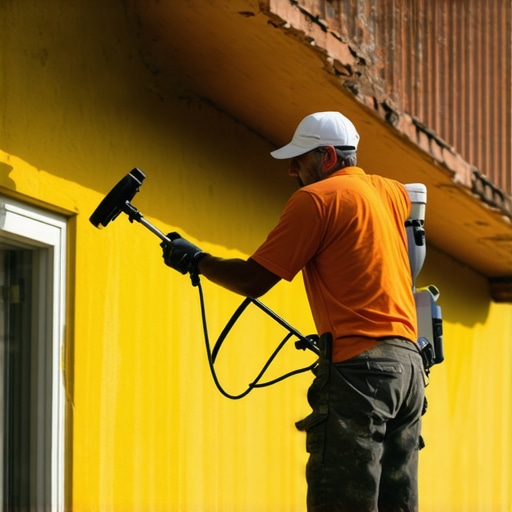 > Its enhanced atomization reduces overspray and increases efficiency, especially on large exterior surfaces.
For detail work, I prefer angled brushes with synthetic bristles, which maintain shape and bristle stiffness over time, ensuring crisp edges around windows and trim. I also keep a selection of high-quality rollers with varying nap lengths—short nap for smooth surfaces and longer nap for textured siding. Clean-up is just as critical; I use eco-friendly, biodegradable cleaning solutions to rinse and maintain my tools, extending their lifespan. Regular maintenance, like inspecting spray nozzles for clogs and replacing worn brushes, helps prevent issues mid-project and ensures optimal performance.
Storing Paint and Equipment for Longevity
One mistake many make is neglecting proper storage, which can cause paint to spoil or tools to degrade. To keep paint fresh for years, I transfer leftover paint into airtight, specially designed paint cans and store them in a cool, dry place, protected from temperature fluctuations. For delicate tools, like sprayer nozzles and brushes, I clean them thoroughly immediately after use and store them upright to prevent damage. Learn more about proper paint storage techniques in this resource.
Regular Maintenance Extends Your Results
House painting isn’t a one-and-done task; it requires ongoing upkeep. I recommend inspecting painted surfaces twice annually for chips, peeling, or discoloration. Prompt touch-ups prevent minor issues from escalating into expensive repairs. Applying a clear, UV-resistant sealant over high-exposure areas can further preserve your paint job against sunlight and weather damage. Additionally, cleaning exterior walls with a gentle detergent and soft brush removes dirt and mold, which, if left unchecked, accelerates deterioration. Implementing a preventive maintenance routine not only prolongs your paint’s lifespan but also keeps your home’s curb appeal intact.
How do I maintain my painted surfaces over time?
Developing a routine of regular inspections, gentle cleaning, and timely touch-ups is essential. Also, consider investing in high-quality brushes and sprayers that withstand repeated use without losing performance, which in turn keeps your work looking professional and prevents unnecessary repainting. As technology advances, I predict that eco-friendly, low-VOC paints combined with smart cleaning gadgets will dominate the industry, leading to longer-lasting results with less environmental impact. Don’t hesitate to try upgrading your tools, like switching to a precision sprayer for detail areas, to see immediate improvements in finish quality and durability.
Lessons That Changed How I Approach Painting
I used to think that a good brush and the right color were enough, but my most valuable lesson came from understanding the importance of patience and proper drying times, which prevented my paint from peeling prematurely. I realized that rushing the process leads to costly mistakes, and taking the time to wait between coats truly makes a difference. Also, I discovered that investing in quality tools, like high-grade brushes and sprayers, results in a much smoother finish—saving me time and frustration in the long run. Finally, I learned that regular maintenance and inspections after painting can dramatically extend the life of my work, avoiding those dreaded early fade or peel issues.
Tools and Resources That Transformed My Results
My go-to tools for lasting paint include a Wagner Control Pro 250 sprayer, which offers even coverage and efficiency on large surfaces. I trust this guide for proper project estimates that prevent surprises, ensure fair pricing, and help me get quality work without overpaying. For storage and long-term preservation of my paint cans, I rely on proper storage techniques. Finally, I keep essential tools like angled brushes, high-quality rollers, and masking tape from trusted sources to achieve those crisp, professional lines and minimize cleanup time.
Embrace the Future as a Household Painting Pro
If you’re ready to elevate your interior or exterior painting game, remember that lasting results come from patience, quality materials, and proper preparation. Don’t be afraid to ask questions, experiment with tools, and develop a routine that ensures your paint job will stand the test of time. Every brushstroke is an investment in your home’s beauty and durability—so take pride in each step and enjoy the transformation process. How will you change your approach to house painting today to get that flawless, long-lasting finish? Let me know in the comments below!