

I remember the first time I thought, “One coat should do it,” and confidently stepped back to admire my work. Weeks later, I was faced with peeling paint and uneven color—disaster in disguise. That lightbulb moment hit me hard: skipping that second coat on my house’s exterior wasn’t just a mistake; it was a costly oversight that I had to learn the hard way.
Why Skipping the Second Coat Can Cost You Big
Embarking on a house painting project might seem straightforward, especially when the weather’s perfect and the excitement is high. But honestly, I’ve found that rushing through with a single coat often leads to more than just aesthetic flaws; it affects the durability and overall lifespan of your paint job. When you skip the second coat, you essentially compromise the protective barrier over your home, leaving it vulnerable to moisture, UV rays, and fluctuating temperatures. This can lead to peeling, bubbling, and even rot in severe cases—issues that cost significantly more to fix than simply applying the recommended two coats initially.
Is a Second Coat Really Necessary or Just Sales Tactics?
Many homeowners wonder if that extra step is worth it, especially when paint looks decent after the first layer. Early in my painting career, I fell prey to this skepticism, thinking, “One coat should be enough, right?” However, I learned that initial coats often provide a monochromatic base, hiding the true richness of the color and the imperfections beneath. A second coat ensures uniform coverage, better color depth, and long-term protection. If you’re unsure, check out how professionals approach this—the difference is unmistakably clear. Honestly, neglecting the second coat is a temptation that can lead to costly regrets down the line. For more insights on prepping your exterior properly, visit [how to remove 30-year-old wallpaper without damaging drywall](https://elitepainterpro.com/how-to-remove-30-year-old-wallpaper-without-ruining-the-drywall) to get your surface ready for that perfect finish. Now, before you pick up your brush, let’s explore some common fears and doubts that might be holding you back from committing to that second coat.
Prepping the Surface with Precision
Start by inspecting your wall for imperfections. Remove wallpaper (if present) using the vinegar trick for stubborn areas, ensuring a smooth base before painting. Clean your surface thoroughly with a dish soap solution or a degreaser test to eliminate grease and dirt, which can cause peeling. Sand any rough patches or peeling paint to create an even surface. For metal surfaces like garage doors, proper priming is crucial—check out the guide on prepping metal for paint. Tighten loose screws and repair cracks with appropriate filler, then sand smooth, ready for the base coat.
Choosing Quality Paint and Tools
Select a high-quality, durable paint suitable for your surface—consider oil-based or latex based on your material. Use high-quality brushes for edges and roller covers with the right nap length for your wall texture. Fill your paint tray and avoid overloading brushes or rollers to prevent drips and uneven application. For a clean edge, apply painter’s tape carefully along adjacent surfaces, making sure it’s pressed tightly to prevent bleeding. For textured walls, consider the blue tape trick for razor-sharp lines, ensuring professional-looking results.
Applying the First Thin Layer
Mix your paint thoroughly. Apply the first coat evenly using a roller or brush, going with the grain or texture of your surface. Don’t rush—thinner coats dry faster and adhere better, reducing the risk of sagging or bubbling. Leave the first coat to dry completely according to manufacturer instructions—typically a few hours. During this process, watch out for drips or uneven patches; smooth them out immediately. If you’re painting over areas like radiators or moldy surfaces, refer to specific guides such as radiator repaint tips for best results.
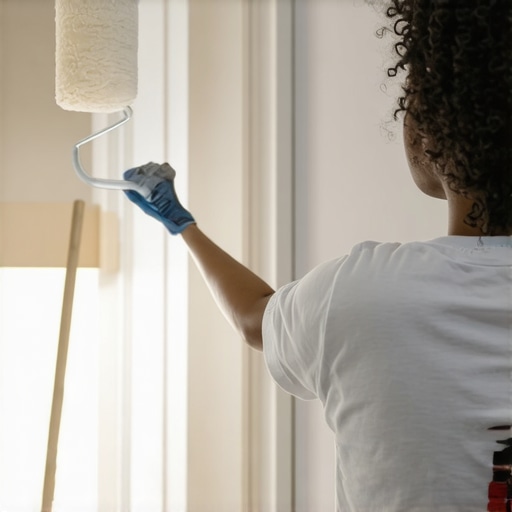
Making the Second Coat Count
Once the first layer has dried, inspect it under bright light to spot any missed spots or thin areas. Lightly sand rough patches to improve adhesion for the second coat. The second layer provides depth, covers imperfections, and seals your base. Use a clean roller or brush to apply the second coat with even pressure, overlapping previous strokes to ensure uniform coverage. Be vigilant about drips—use a putty knife for any excess paint that begins to run. Pay attention to corners and edges—using a corner brush can simplify this process. If working on metallic or glossy surfaces, lightly scuff them first to improve paint bonding, as outlined in painting over gloss.
Finishing Touches for a Lasting Finish
Let the second coat dry thoroughly—drying times may extend in humid conditions. Remove painter’s tape carefully to avoid peeling fresh paint. To prevent smudges or fingerprints, avoid touching the surface until it’s completely cured, typically 24-48 hours. For areas prone to moisture or temperature fluctuations, consider applying a clear protective sealer or topcoat. Regular inspection after drying ensures no issues develop, saving you potential future touch-ups. Remember, patience in this stage solidifies the quality of your work, translating into a finish that looks professional and lasts for years.Many homeowners believe that choosing a high-quality paint is all it takes to ensure a lasting, professional-looking finish. However, even the best paint can fail prematurely if applied without understanding critical nuances. One common misconception is that a single, thick coat can replace the recommended two-coat process, but in reality, this approach often leads to poor adhesion, uneven color, and early peeling. In my experience, an advanced mistake many make is neglecting surface preparation, especially on older surfaces with layers of paint or residual contaminants. Skipping thorough cleaning and priming can trap underlying issues, causing eventual failure of the new coat. A crucial advantage of proper surface prep is that it ensures uniform adhesion and longevity, saving time and money in the long run. Additionally, some believe that the color they see initially will stay true over time, but exposure to sunlight and weather can cause fading or discoloration, especially if inadequate UV protection isn’t part of your paint choice. Interestingly, recent studies, such as those summarized in the Journal of Coatings Technology, highlight how subtle differences in application techniques or environmental conditions can significantly affect durability. For example, inadequate drying times or painting in high humidity can trap moisture beneath the layers, leading to bubbling and mold growth. As a pro, I always emphasize that understanding these nuanced factors—from the type of surface to environmental conditions—is vital for a top-tier finish. If you’re tackling exterior painting, consider the risk of painting under unsuitable weather; a sudden rainstorm after application can undo hours of work. For an in-depth look at surface preparation, revisit my guide on removing stubborn wallpaper—a step often overlooked but essential for a perfect paint job. Don’t let common myths drive your process; instead, focus on these critical details to achieve professional results. Have you ever fallen into this trap? Let me know in the comments.
Investing in Quality Tools for Durable Results
As a seasoned painter, I can attest that having the right tools isn’t just about making the job easier—it’s about ensuring the longevity of your paintwork. I personally swear by high-quality brushes, such as Purdy or Wooster, because they deliver smooth, even strokes and reduce brush marks. For rolling large surfaces efficiently, a Premium Lambswool or synthetic roller with the appropriate nap length—usually ¾ inch for walls—ensures even coverage and minimizes the need for touch-ups. Using a professional-grade paint sprayer, like the Graco Magnum series, allows for rapid application on exterior surfaces and hard-to-reach areas, providing a uniform finish when used correctly.While mastering the technical steps of house painting is essential, some of the most valuable insights come from the lessons learned along the way. One key realization was that patience truly pays off—allowing each coat to dry thoroughly prevents problems like bubbling and peeling, which can be costly to fix later. I also discovered that surface prep is the foundation of a durable finish; skipping thorough cleaning or priming may save time initially but leads to uneven coverage and premature wear. Interestingly, investing in high-quality tools transformed my results, proving that the right brushes and rollers make a noticeable difference in the longevity of your work. Lastly, understanding how environmental factors like humidity or temperature affect drying times has been a game-changer—timing projects during optimal weather conditions ensures your hard work stands the test of time.