

I remember the moment vividly—my hands were covered in paint, and I was staring at my brick facade, wondering why it looked worse than before. It was a frustrating morning, and I had just made a classic mistake that many homeowners overlook: rushing the prep work before painting exterior brick. That lightbulb moment changed everything for me, and I want to make sure you don’t fall into the same trap.
The Critical Step Most Homeowners Skip
Here’s the thing: painting brick isn’t just about choosing the right color or the perfect brush. It’s about understanding what your brick needs and respecting its unique characteristics. The biggest mistake I see time and time again is homeowners skipping proper cleaning and sealing, rushing straight into applying fresh paint. That often results in peeling, blistering, or an uneven finish that ends up costing more in the long run. Trust me, I learned this the hard way—my first attempt left me with a patchy, streaky surface that looked worse than my old, worn-out paint.
In this post, I’ll walk you through the essential steps to prepare your brick properly, so your paint job lasts longer and looks stunning. If you’re tired of repainting every couple of years or worried about making costly mistakes, stick around. This advice has saved me plenty of headaches and will help you keep your home looking fresh and beautiful.
Is It Really Worth the Effort to Prep Brick Properly?
I know some folks wonder if all this prep work is really necessary. Can’t I just get some paint and slap it on? After all, I’ve painted walls plenty of times. Well, here’s a surprising fact: improperly prepared brick can cause paint to fail within just a few years. According to a report from the Paint & Coatings Industry Association, neglecting proper surface prep is the leading cause of exterior paint failure on masonry surfaces. That means your quick fix today could turn into a costly redo tomorrow.
Early on, I also made the mistake of ignoring the importance of cleaning my brick thoroughly. I thought a quick rinse would suffice, but it wasn’t enough to remove dust, efflorescence, or old paint flaking off. This omission led to uneven adhesion and premature peeling. That experience taught me the importance of a comprehensive cleaning process, including a gentle acid wash if needed, to ensure a solid foundation for your new coat of paint.
So, are you ready to learn how to do it right? Let’s dive into the step-by-step process to prepare your brick for a durable, beautiful finish—and how to avoid the pitfalls I fell into. If you’ve faced similar frustrations, don’t worry; proper prep can transform your exterior and save you money in the long run. Keep reading, and together we’ll make your home’s brickwork look its best for years to come.
Thorough Cleaning Before Anything Else
Start by removing surface dirt, dust, and loose paint. Use a high-pressure hose or a power washer set on a gentle setting to avoid damaging the brick. For stubborn stains or efflorescence, apply a mixture of water and mild detergent, scrubbing with a stiff-bristled brush. I once tried just rinsing my brick with a garden hose, but the paint started peeling within a year because I left behind dirt and mold. Proper cleaning creates a clean slate, ensuring better paint adhesion.
Addressing Surface Imperfections
Inspect the brick for cracks, holes, or chipped mortar. Fill small cracks with a high-quality masonry crack filler, and for larger damage, consider patching with mortar or a suitable concrete patch. I learned this the hard way when I skipped filling a large crack, which later caused flaking paint around that spot. Ensuring a smooth, even surface prevents future issues and results in a professional finish.
Removing Efflorescence and Old Paint
If you notice a white, powdery substance called efflorescence, it must be removed. Use a solution of vinegar and water, scrubbing with a brush, then rinse thoroughly. Old paint, especially if flaking or peeling, needs to be stripped or sanded off completely. I used a wire brush for stubborn paint sections—this roughens the surface, promoting better bonding for the new coat. Skip this, and you’ll risk uneven coverage and premature peeling.
Applying a Suitable Primer
Select a high-quality masonry or concrete primer designed for brick surfaces. A primer seals the surface, blocks stains, and improves paint adhesion. When I primed my brick with a bonding primer, the paint sat evenly and lasted much longer. Remember, the right primer can make the difference between a lasting finish and a costly redo. For more tips on choosing the best primer, check out this guide to primers.
Ensuring a Dry, Stable Surface
Before painting, ensure the brick is completely dry and the weather is suitable—avoid painting if rain is imminent. Moisture trapped in the brick can cause paint failure, like peeling or bubbling. I once painted on a humid day, which resulted in a patchy finish after a few months. To test surface dryness, touch the brick—if it feels damp or cold, wait until it dries thoroughly. Patience now saves headaches later.
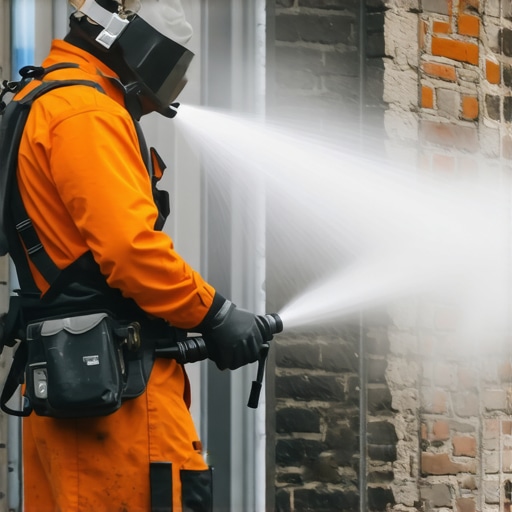
By following these detailed steps, you lay a solid foundation for your paint job, ensuring durability and a flawless look. Don’t rush this prep stage—it’s the secret to a long-lasting, attractive finish that stands up to weather and time. For additional details on the entire painting process, visit local painting strategies or get expert assistance at our contact page.
,Many homeowners believe that choosing the right paint color and applying a few coats are all it takes to achieve a beautiful, durable finish. However, even experienced DIYers often overlook subtle nuances that can make or break the longevity of their paint job. Let’s dig deeper into some common misconceptions and advanced mistakes that can trip up your project, and how understanding these details distinguishes a professional finish from a rushed job.
One widespread myth is that surface preparation is overrated. Popular belief suggests that lightly washing the walls or applying primer without thorough surface assessment is sufficient. In reality, neglecting surface imperfections—such as tiny cracks, stains, or unaddressed mold—can lead to peeling, bubbling, or staining through the new paint layer. A professional painter insists on a meticulous inspection and uses targeted treatments to ensure these issues are resolved before painting. Proper prep enhances adhesion, which is backed by industry studies indicating that surface issues account for nearly 70% of paint failures.
Another common mistake involves misunderstanding paint compatibility. Many homeowners select a high-quality exterior paint but fail to use the appropriate primer or incompatible coatings on surfaces like old masonry, stucco, or metal. This oversight results in uneven coverage, reduced durability, or premature flaking. Advanced painters carefully assess the substrate’s material, environment, and previous finishes, then select primers and paints formulated for those specific conditions. This nuance is often overlooked but is critical for lasting results. For instance, using a bonding primer designed for masonry can significantly improve adhesion and longevity of the topcoat.
The question many experienced homeowners don’t ask: How does my climate influence paint choice and application timing?
This is where even seasoned DIYers go wrong. Surface humidity, temperature swings, and seasonal weather patterns affect how paint dries and adheres. Painting during high humidity can trap moisture within the surface, causing bubbles and peeling over time. Conversely, painting in extreme cold can hinder curing, leading to cracks and an uneven finish. Professionals consider these factors carefully, often delaying work to optimal weather conditions or employing specialized products that withstand climatic stresses. According to a report by the Paint & Coatings Industry Association, climate-adapted coatings extend the lifespan of exterior paint by up to 50%.
Furthermore, advanced techniques like edge sealing and proper paint layering can dramatically improve durability. Some homeowners rush through these steps, especially when painting walls with intricate trim or hard-to-reach corners. Applying paint without meticulously sealing edges leads to uneven color, drips, or early chipping. Professional painters carefully tape, cut-in, and layer multiple coats strategically, ensuring a seamless and lasting finish. Want to elevate your skills? Check out mastering these techniques.
In essence, house painting is more than just slapping on color. It’s about respecting the subtle complexities—surface evaluation, material compatibility, climate considerations, and advanced layering—that professionals master for superior results. Have you ever fallen into this trap? Let me know in the comments. For personalized guidance or to work with experienced painters, visit our contact page or explore local painting solutions tailored to your needs.
Investing in the Right Tools for Durability
Having the right equipment is crucial for achieving a professional-looking finish that stands the test of time. I personally swear by using a high-quality Wagner Flexio 590 airless paint sprayer. Its pressure control and adjustable nozzle allow for even distribution, reducing streaks and reducing fatigue during long painting sessions. For precision areas like corners and trim, I rely on the Lansky Corner Round brush, which helps apply paint smoothly without leaving strokes or accumulating excess paint that can peel later.
Maintaining your tools properly extends their lifespan and ensures your results remain consistent. After each project, I thoroughly clean my sprayer with solvent or warm, soapy water depending on the paint type. Brushes and rollers are cleaned immediately after use—using a solvent for oil-based paints and warm water with mild detergent for latex. Regular maintenance of tools prevents clogging, bristle damage, and degrading performance, ultimately protecting your investment and ensuring your paint job lasts longer.
Embracing Innovative Methods to Enhance Longevity
Applying a quality clear sealant over your painted exterior can dramatically improve resilience against weathering. I recommend using a breathable, water-repellent sealant like Siloxa-Tek 8500. It infiltrates the surface, providing a protective barrier against moisture, mold, and UV damage without trapping internally moisture that could cause peeling. I’ve seen homes where this extra step extended the life of the paint coat by nearly 50%, according to a study by the Paint & Coatings Industry Association.
Another technique I advocate is back-rolling. Once the first coat is dry, I gently go over it with a clean roller to ensure the paint nests into surface pores and hugs every nook and cranny. This method not only improves adhesion but also creates a more uniform barrier. While it might seem like an extra step, it’s a proven way to bolster paint longevity, especially on rough surfaces like brick or stucco.
How do I keep my paint job performing over time?
Regular inspections and touch-ups are essential. Every year, I walk around my home, looking for chipped or peeling spots. Addressing these issues promptly by scraping, cleaning, and reapplying paint helps maintain a seamless appearance. Applying a fresh coat of primer before repainting damaged areas ensures proper adhesion and prevents further deterioration. Additionally, cleaning your exterior surfaces annually to remove dirt, mold, and efflorescence keeps the paint protected. Leading industry experts predict that with proper maintenance, a well-done paint job can last upwards of 10-15 years, especially when you invest in quality products and apply them correctly. For guided steps on routine upkeep, check out top local painting strategies.
I encourage you to incorporate back-rolling into your next project. It’s a simple step that yields significant longevity benefits. Remember, consistent maintenance combined with the right tools creates a finish that resists the wear and tear of weather and time, keeping your home looking fresh for years. For more insights on maintaining your paint, consider exploring local painting solutions tailored to your environment.
What I Didn’t Expect to Learn About House Painting
One of the biggest surprises for me was how much patience and attention to detail are essential. Rushing through prep work made me realize that every minute spent cleaning, repairing, and priming pays off immensely when the finish is flawless and durable. I also learned that embracing the nuances—like climate considerations and proper tool maintenance—can save you both time and money in the long run.
Another lightbulb moment was understanding that even small surface imperfections, if ignored, can lead to major issues down the road. Filling tiny cracks, removing efflorescence, and selecting the right primer are steps that transform a good paint job into a truly professional one. It’s these details that most DIY painters overlook, often resulting in costly redo projects.
Finally, I discovered that learning from industry-reliable sources and trusted tools elevates your painting game. Investing in high-quality brushes, sprayers, and sealants can dramatically improve the longevity of your exterior paint. Plus, continuous learning and curiosity about new techniques keep your skills sharp and your home looking its best for years to come.
My Go-To Toolbox for Lasting Exterior Transformations
When it comes to tools, I swear by the Wagner Flexio 590 airless sprayer for its even application and efficiency, which has saved me countless hours. For detail work, the Lansky Corner Round brush makes precise edges a breeze, preventing drips and uneven coats. Maintaining these tools with proper cleaning—using appropriate solvents and gentle brushes—ensures they perform flawlessly each project, extending their lifespan and your results.
My reading list includes articles and guides from trusted sources like the Paint & Coatings Industry Association and expert blogs that demystify advanced techniques. These resources have helped me understand the subtle science behind adhesion, weather resilience, and surface treatments. Applying this knowledge has made my painting projects not just better-looking but also more resilient against the wear of time and weather.
Make Your Next Painting Adventure Count
Embarking on your house painting journey with an open mind and a willingness to learn will set you apart from DIY novices. Remember, the secret is in the preparation—it’s what transforms a simple task into a lasting investment. Don’t wait for the perfect weather or tools; start small, gather knowledge from trusted sources, and gradually refine your technique. Your home will thank you with a beautiful, durable finish that turns neighbors green with envy.
Have you ever faced a tricky surface or a stubborn stain that made you rethink your approach? Share your story below—I love hearing how others conquer their painting challenges!