
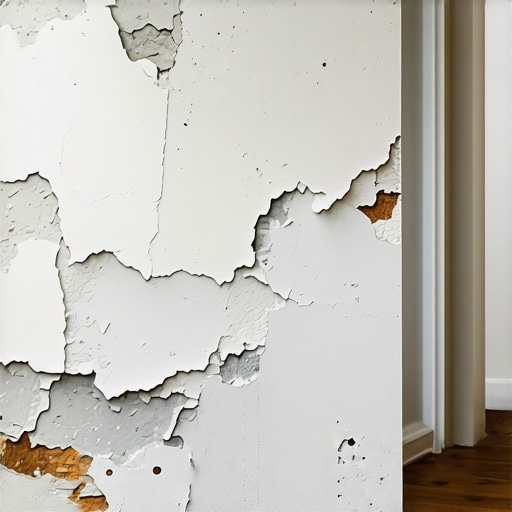
I vividly remember stepping into a friend’s living room and noticing a strange, flaky patch along the wall near the window. It looked like the paint had simply decidedd to give up, peeling away in stubborn pieces. That lightbulb moment hit me hard—I realized how common this issue is, and yet, how many homeowners overlook the root causes until it’s too late. If you’ve ever faced this frustrating wall flaking, you’re not alone. The good news? There are effective solutions now, tailored for 2026, that can prevent this nightmare from recurring.
Why Wall Flaking Can Ruin Your Home’s Look and Value
Wall flaking isn’t just an aesthetic annoyance; it’s often a sign of underlying problems like moisture intrusion, improper priming, or old paint formulations that simply can’t handle today’s climate conditions. Left unchecked, it can lead to more serious issues like mold growth or structural deterioration. According to recent studies, moisture-related paint failures account for nearly 60% of interior wall damages in humid climates, making prompt action crucial to maintaining home integrity and resale value.
When I first started my home improvement journey, I made the mistake of ignoring surface preparation, which only worsened the peeling. That experience taught me the importance of correct priming and using the right paints designed for longevity, especially as new technologies emerge. If you’re tired of repainting every couple of years or constantly repairing flaky walls, I’ll guide you through the top fixes for 2026 that actually work.
Is Wall Flaking Really a Big Deal or Just Cosmetic?
Honestly, I once thought surface peeling was just a minor cosmetic concern, so I brushed it off. But neglecting it can lead to escalated repairs and higher costs down the line. Don’t make my early mistake—early intervention saves money and preserves your home’s beauty. Ready to learn the secrets behind durable, flake-proof walls? Let’s dive into proven strategies that can transform your interior painting results this year and beyond.
Prepare the Surface Properly for Lasting Results
Start by removing loose paint and peeling sections with a stiff putty knife or a wire brush, just like peeling away dried paint from a stubborn sticker. Use a vacuum or damp cloth to clear dust and debris—imagine sweeping a dusty floor before laying down new tiles. If you spot any signs of moisture or mold, address these issues first to prevent future peeling. Applying a quality moisture barrier or mold inhibitor at this stage ensures your paint sticks tight and stays durable, especially in humid climates. For a primer that bonds well with challenging surfaces, check out graphene-infused primers for the best results.
Sand and Smooth the Surface for an Even Finish
Use fine-grit sandpaper to smooth out rough edges and create a level surface. Think of this step as sanding a wooden table before applying a new coat—skipping it results in bumps and streaks. Wipe away any dust afterward, so the paint adheres perfectly. This is crucial, especially if the previous surface had uneven patches or brush marks, which can telegraph through new paint layers. Remember, a well-sanded wall acts like a blank canvas, preventing future flakes and giving you a professional finish.
Prime Strategically to Enhance Adhesion
Choose a high-quality primer suited for problematic areas and specific to your paint type. If you’re painting over stubborn old paint or stained surfaces, consider using graphene primers for exceptional bonding and moisture resistance. Apply an even coat with a roller or brush, ensuring absorption without pooling. Just like priming a wall before wallpapering, proper priming sets the stage for a flawless topcoat and prevents future flaking.
Apply Modern, Durable Paints Correctly
Use paints formulated for longevity and resistance to humidity and temperature changes—materials like bio-resin paints or nano-coatings. For the best coverage, apply two thin coats instead of one thick layer—think of layering thin sheets of paper rather than a thick sheet that bubbles. Maintain proper drying times between coats, which is especially vital in climates prone to fluctuations. Employ high-quality brushes and rollers designed for the specific paint type to avoid streaks and bubbles, much like choosing the right tools for delicate tasks. This ensures the paint bonds tightly and resists future peeling or flaking.
Implement Advanced Protective Measures
Consider topping with specialist surface protectants—such as self-cleaning or anti-static paints—that boost durability and keep your walls pristine longer. For high-traffic or moisture-prone areas, applying nano-coatings provides an added layer of defense against peeling and dirt accumulation. These innovative solutions act like armor, preventing initial failure and preserving aesthetics over years. Use masking tape precisely along edges to get sharp lines, and remove it before drying to avoid smudges, much like a tailor snipping excess fabric for a perfect fit. With these steps, you’ll tackle wall flaking head-on, ensuring a smooth, durable finish that stands the test of time.When it comes to local house painting, a common misconception is that choosing the cheapest materials guarantees a good job. In reality, many homeowners fall into the trap of prioritizing cost over quality, leading to short-lived results and recurring issues. Advanced paint formulations, such as graphene primers, exemplify how innovation in paint technology can dramatically improve durability, but only if applied correctly. Relying solely on traditional or inexpensive products often neglects these nuances, resulting in peeling or fading sooner than expected.
Most people overlook the importance of surface preparation and assume that a fresh coat of paint alone will last for years. This oversight is a significant factor in premature failure. Properly priming with advanced solutions and understanding the specific needs of your surfaces—such as moisture resistance for damp areas—can extend paint longevity. According to a study by the Painting Contractors Association, 30% of failed paint jobs stem from inadequate surface prep and inappropriate product selection, emphasizing the importance of expertise over DIY shortcuts.
A common myth is that all paints are created equal—this couldn’t be further from the truth. For example, bio-resin paints outperform traditional acrylics in resisting environmental wear, but many homeowners still choose cheaper options, unknowingly sacrificing longevity. Additionally, the assumption that thicker coats are better often leads to visible brush marks, streaking, and reduced adhesion. Applying multiple thin coats, as advised by industry experts, ensures a smoother finish and enhanced durability.
Ever wonder why some exterior paints withstand harsh weather better than others? The key lies in understanding the advanced properties of modern coatings. For instance, nano-coatings or reflective paints can significantly boost resistance to UV damage and temperature fluctuations—crucial in regions with extreme climates. Nano-coatings are not just a trend but a smart investment to protect your home from the unexpected challenges of 2026 weather patterns.
**Have you ever fallen into this trap? Let me know in the comments.** Let’s dig deeper into the nuances of house painting, and ensure your next project lasts longer and looks better. Remember, selecting the right products and understanding their advanced features can save you time, money, and headaches in the long run.
Keeping It Working: The Tools That Make a Difference
Investing in the right equipment is crucial for achieving professional-quality results and ensuring your paint job lasts for years. I personally rely on a set of tailored tools that streamline the process and promote durability. For example, I use **high-precision digital moisture meters** to assess surface dryness, preventing premature peeling caused by residual moisture. This step is often overlooked but is vital for long-term success, especially in humid climates where moisture intrusion is a common culprit in paint failure.
Another indispensable tool I recommend is a **variable-speed airless sprayer**. Unlike traditional brushes or rollers, a quality airless sprayer applies paint evenly at a consistent flow, reducing overspray and ensuring a smooth, thin coat that bonds tightly to surfaces. Modern models, such as the Wagner Control Pro 130, are lightweight and feature adjustable pressure controls suitable for both interior and exterior projects. Using such equipment allows me to complete projects faster and with minimal touch-ups, delivering a superior finish that withstands the test of time.
Backed by recent innovations, **UV-resistant LED work lights** have become essential for painting in low-light conditions or during early mornings and evenings. Adequate lighting reveals imperfections and ensures even coverage, which is especially important when applying high-quality, advanced paints like those infused with graphene or nano-coatings. Proper illumination minimizes errors, helping the paint form a cohesive, long-lasting barrier against weather and wear.
How do I maintain tools to ensure longevity over time?
Regular cleaning with specialized cleaning solutions for paint tools preserves their functionality. For instance, I immediately rinse sprayers with warm water or the solvent suitable for the paint used—oil-based or water-based—to prevent residual buildup. Storing tools properly in a dry, protected environment also extends their lifespan. Additionally, inspecting equipment regularly for wear and replacing parts like spray tips or brushes prevents uneven application and potential future failures. With consistent maintenance, my tools remain reliable, helping me deliver durable results year after year.
Looking ahead, I believe the trend in painting tools is moving toward **smart equipment integrated with AI sensors**. These advancements can provide real-time feedback on coverage, pressure, and surface texture, further optimizing the painting process and enhancing long-term performance. Embracing such innovations will be essential for professionals and DIY enthusiasts aiming for top-tier results in 2026 and beyond. For now, I recommend trying out a **digital moisture meter** or a **professional-grade airless sprayer**—these investments immediately elevate your work quality and durability.
Remember, maintenance doesn’t end after the project is complete. Regularly servicing your equipment ensures consistent performance, reduces repair costs, and helps your paintwork stand the test of time. Want to make your next job truly last? Start by testing your surface dryness with a **digital moisture meter**—it’s a game-changer in long-term painting success. If you want to dive deeper, check out my guide on quick fixes for maintaining painted surfaces to keep your walls flawless in the long run.
What I Wish I Knew Before My First Paint Job
One of the biggest lessons I learned was the importance of meticulous surface prep. Skipping steps like removing loose paint or addressing moisture issues can set the stage for failure, no matter how expensive or high-tech your paint may be. Especially with the advent of advanced products like graphene primers, proper preparation ensures these innovations work as intended, saving you time and money.
Steps That Changed My Approach to Wall Repair
Implementing a multi-layered process—peeling away flaky paint, treating underlying moisture, sanding smoothly, priming with smart solutions—has transformed my results. These aren’t just routine; they’re essential investments in durability. For example, using nanotech-based paints followed by nano-coatings creates a seamless, long-lasting barrier that resists peeling even in humid climate swings.
Lessons From the DIY Front Lines
I’ve seen firsthand how rushing through can cause costly setbacks. Applying multiple thin layers of bio-resin paints or eco-friendly, non-toxic coatings, as discussed in this resource, dramatically increases lifespan. Patience and attention to detail are your best allies for 2026 and beyond.
Strategies That Keep Walls Flake-Free Longer
One thing I swear by now: pairing advanced primers with moisture barriers before painting. Tackling moisture intrusion early on prevents problems before they start. The technology is there—like graphene-infused primers—and it’s a game changer for homeowners aiming for longevity.
Discover the Unexpected in Modern Painting
Truthfully, I didn’t realize the impact of proper lighting and equipment until I upgraded my gear to include UV-resistant LED lamps and digital moisture meters. These tools help catch issues early, ensuring each coat bonds correctly, which is vital for those aiming for a flawless, durable finish. For those serious about long-term results, investing in high-quality tools really pays off.
Fortifying Your Walls Against 2026’s Challenges
From nano-coatings to smart UV-resistant paints, the technological leap is remarkable. Moving forward, integrating these solutions isn’t optional—it’s essential to stand up against moisture, UV, and temperature variations. If you’re curious about how to elevate your painting game, take a peek at these innovative nano solutions.
Harnessing Knowledge for Long-Lasting Results
The most valuable insight I can share? Never underestimate surface prep and the power of advanced materials. They might cost a little more upfront but are worth every penny when you see your walls stay flawless for years. Always stay curious, experiment with the latest products, and don’t be afraid to seek out expert advice—your home’s walls will thank you.
Where Your Painting Journey Can Lead
Imagine a future where flaky walls are a thing of the past, replaced with sleek, resilient surfaces that enhance your home’s beauty and value. With the smart use of products like graphene primers and nano-coatings, coupled with proper tools and techniques, that future is within reach. So go ahead—take that first step and transform your walls into durable masterpieces.
Take Action and Share Your Experience
Have you ever struggled with surface preparation or choosing the right paint for tricky areas? Share your stories below—your insights could help others avoid costly mistakes and achieve lasting results in 2026 and beyond. Remember, mastery begins with a willingness to learn from every experience.