

I remember the moment vividly—my walls looked fresh, but there was this nagging doubt in my mind. Was I actually protected if something went wrong? It’s a common story among homeowners who want a beautiful paint job but hesitate because they aren’t sure if their painter is legit. I used to think that a shiny website and a good review were enough, but I quickly learned that’s not always the case. Turns out, verifying licensure and insurance isn’t just for insurance agents—it’s essential for your peace of mind and wallet.
Why Verifying Your Painter’s Credentials Matters More Than You Think
Many homeowners overlook this critical step, assuming all local painters are equally qualified. But this is a risky game. Hiring an unlicensed or uninsured painter can leave you exposed to liabilities, subpar work, or worse, accidents that could cost thousands. It’s like hiring a surgeon without a license—sure, it might save money upfront, but the risks are huge.
Early in my painting adventures, I made the mistake of trusting a contractor who claimed to be licensed. A few weeks into the project, I found out he wasn’t. The resulting mess was a headache I didn’t need. Since then, I’ve learned that being proactive about verifying credentials isn’t just smart—it’s necessary. According to the Home Improvement Research Institute, nearly 30% of home improvement projects experience issues stemming from unlicensed work, including safety hazards and financial losses. You can find more on why local painting matters to your home’s value here.
Is YouTube the Truth or Just a Trap?
Many folks ask, “Can I really tell if a painter is licensed by just a quick glance?” Honestly, that’s where most go wrong. I once watched a video online claiming you could tell just by how the guy presented himself. But that’s not enough. Early on, I learned that assuming based on appearance or reviews alone can be a costly mistake. Always ask to see their license and proof of insurance. If they resist or can’t produce it, that’s a signal to step back. Trust me, this simple check prevents bigger problems down the road.
So, are you anxious because you’ve spot-checked but still aren’t sure? Don’t worry; I’m here to help. Over the next sections, I’ll walk you through exactly how to verify these credentials with confidence, ensuring your home improvement project is in honest, qualified hands.
Check Licensing Directly from State or Local Agencies
Begin by identifying your painter’s license number and then visit your state or local licensing board’s website. Enter the license number to confirm its validity, status, and expiration date. During my project, I called my state’s licensing board, and the representative verified that the contractor’s license was active and issued to their business. This step prevents surprises and ensures you’re dealing with a legitimate professional.
Request Proof of Insurance and Confirm Coverage
Ask your painter to provide a certification of insurance, including liability and worker’s compensation. Call the insurance provider if necessary to verify coverage details. I once received a copy that looked genuine, but a quick call uncovered that the policy had lapsed a month prior. Verifying insurance protects you from potential liability in case of accidents or property damage.
Cross-Verify Business Information and Online Presence
Check the contractor’s business registration with your local county or city. Search for the company online to review reviews, portfolio, and any complaints. I learned that an unverified online review was fake; confirming their license and insurance saved my project from failure. Accurate online presence reinforces credibility, especially when cross-referenced with licensing info.
Use an Official Licensing Verification Tool
Many states offer online tools for license verification—use these to double-check credentials. For example, the California Contractors State License Board provides real-time license status checks. Engaging with verified professionals using trusted tools reduces the risk of scams or unqualified work.
Look for Local Certifications and Compliance
Local associations or boards may award additional credentials. Confirm that your painter adheres to local building codes and industry standards. During my last project, I asked if they followed environmental regulations and used approved materials—values that aligned with local standards. These small details demonstrate professionalism and adherence to regulations.
Document and Save All Correspondence
Keep copies of license, insurance, certification documents, and communication records. If disputes arise, having organized evidence simplifies resolution. I scanned every document and stored them digitally; it proved invaluable when clarifying project scope and credentials with the contractor.
Protect Yourself with Formal Agreements
Finally, include verified credentials as part of your contract and ensure all details are clear. This formalizes your agreement and reiterates the importance of credential verification. Remember, thorough verification may take extra time but pays off in peace of mind and quality work—getting it right is just like applying a proper primer before painting your walls.
While many believe that choosing the right color or finishing is enough to transform a home, the reality is far more nuanced. A common misstep is assuming that all paints and techniques are created equal, but in my experience, subtle details like paint film thickness and application methods significantly influence durability and appearance. For instance, using thick layers of cheap paint can lead to bubbling and cracking over time, which is a mistake novices often make. Understanding that proper surface prep and selecting high-quality materials tailored to your environment is essential; otherwise, you’ll face premature wear and costly repairs.
Does the Myth of One-Coat Miracle Hold Water for Professional Results?
Many homeowners think that premium one-coat paints can replace proper priming and multiple thin coats, but this is a false economy. Experts agree that achieving a flawless finish requires patience and technique. Skipping steps, like not applying a suitable primer or overloading the brush, leads to uneven coverage, visible streaks, and reduced lifespan of the paint job. According to industry research, incorrect application is the leading cause of paint failure within the first two years. Moreover, using the wrong type of paint for exterior versus interior surfaces can cause peeling and fading. To truly elevate your home’s curb appeal and protect your investment, it’s crucial to understand these nuances. Dive into our comprehensive guide on what most people get wrong about house painting for a deeper dive into these hidden pitfalls. Remember, rushing through preparation or choosing inferior products might save money in the short term but will cost you dearly in the long run. Think of it like skipping primer—initially tempting, but ultimately damaging to your walls’ integrity. Have you ever fallen into this trap? Let me know in the comments.
Keeping It Working: Tools and Maintenance for Lasting Results
To ensure your home’s paint job maintains its beauty and durability over time, investing in quality tools and adopting proper maintenance routines is crucial. Personally, I rely on a few specific equipment pieces that have proven their worth in my projects. For instance, I swear by using a high-quality Wagner Power Painter for large exterior surfaces—its even coverage and adjustable settings save me days of labor and ensure a smooth finish. Additionally, I keep my brushes and rollers in top shape with a paint cleaning machine that quickly removes dried paint, extending their lifespan and ensuring consistent application. Regularly inspecting caulking and sealants around windows and doors also prevents moisture infiltration, which can cause paint to peel prematurely.
As technology advances, new tools are simplifying maintenance and boosting results. For example, innovative painting gadgets like online color-matching apps enable precise selection, preventing color mismatches that often lead to repainting prematurely. Predictive moisture meters help monitor humidity levels during painting, ensuring optimal curing and adhesion—key factors in long-term durability. Using such advanced tools can dramatically reduce the need for maintenance and retreatments down the line.
How do I maintain my paint job over time?
Consistent upkeep is the secret to preserving your painted surfaces. First, schedule regular cleaning—dirt and grime can degrade paint and hide damages. I typically use a gentle pressure washer on exteriors annually; just be cautious with settings to avoid stripping paint. Next, inspect for signs of cracking, chipping, or fading, and touch up affected areas promptly to prevent deterioration. Applying a fresh coat of sealant on high-traffic or exposed parts of your home every few years can also extend the life of your paint. Remember, preventative maintenance costs less than frequent full repaintings and keeps your home looking pristine longer.
Looking ahead, I believe the trend toward smart maintenance systems will grow, integrating sensors that monitor paint integrity and alert homeowners when touch-ups are needed. This data-driven approach can revolutionize how we care for our homes, making upkeep more efficient and less intrusive. To stay ahead, I recommend adopting innovative tools like moisture meters and utilizing advanced cleaning equipment to keep your paint job in excellent shape for years to come.
For a comprehensive overview of professional techniques to maintain your house paint, visit our master guide. Try implementing a routine with a high-quality pressure washer and regular inspections—these simple steps can significantly lengthen your paint’s lifespan and save you money over time.
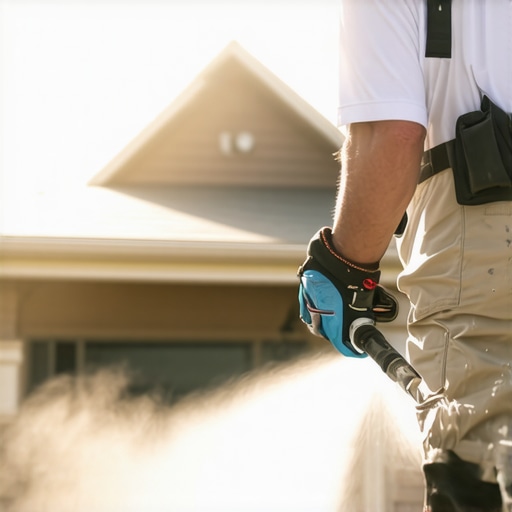 Throughout my journey in home painting, I’ve realized that every project holds a lesson—often unnoticed at first glance. One of the most impactful lessons was understanding the true value of verifying credentials before trusting any contractor. It saved me from headaches and costly mistakes, and I want you to avoid the pitfalls I stumbled into. Another eye-opener: the nuances of proper application techniques that differentiate a mediocre paint job from a stunning, long-lasting finish. These insights aren’t just for professionals—they’re for every homeowner who values their investment.
Breaking My Own Rules: The Lessons I Hardly Expected
– Trusting reviews blindly can lead to surprises. I learned to verify licenses and insurance firsthand, which gave me peace of mind. It’s a step I now always take before hiring a painter.
– Skipping surface preparation might seem time-saving but ultimately causes headaches. Investing time in proper prep results in a flawless finish that lasts.
– Believing that all paints are equal is a myth. Knowing the right type of paint and application method saves money and extends the life of your paint job.
Tools and Resources That Changed My Game
– The California Contractors State License Board’s online verification tool is invaluable for quickly confirming licensing status.
– Reading “Master the Art of House Painting with These Pro Tips” deepened my understanding of application techniques and material choices.
– Implementing moisture meters and high-quality sprayers elevated my quality of work, making projects smoother and outcomes more impressive.
– I also rely on trusted brands like Wagner for tools that deliver consistent, professional results every time.
Your Next Step: Elevate Your Painting Experience
Embarking on your house painting journey with the right knowledge and resources can genuinely transform your results. Whether you’re tackling a minor refresh or a full makeover, understanding key principles like credential verification, surface preparation, and the best application techniques will ensure your investment stands the test of time. Remember, every brushstroke reflects your care for your home, so give it the attention it deserves.
What’s the most surprising thing you’ve learned about house painting so far? Share your experiences below—I’d love to hear your stories and insights.