

I’ll never forget the weekend I decided to tackle my curb appeal disaster. My garage door was this clinical, sterile white metal that seemed to suck the soul right out of my driveway every time I pulled in. I’d seen those gorgeous carriage-style wood doors in the fancy parts of town, but my bank account laughed at the quote I got for a real cedar replacement. So, I grabbed a can of brown paint and started slapping it on. Big mistake. It looked like a muddy mess, and I quickly realized that the reason you should never paint over peeling exterior paint applies here too—prep is everything even if the surface looks flat. Today, I’m going to share how I finally cracked the code on that faux wood finish so you can skip my early failures and get the high-end look your home deserves.
Stop Living with That Boring White Metal Slab
Let’s be honest: your garage door is likely the biggest architectural feature of your home’s facade. If it looks cheap, the whole house looks cheap. Most people think they have to choose between boring steel or rot-prone expensive wood. But you can actually have the best of both worlds. By using specific layering techniques, you can turn a dented metal surface into something that looks like it was harvested from an old-growth forest. It’s not just about aesthetics, either. According to a study by Zillow, homes with high curb appeal sell for an average of 7% more than similar homes with uninviting exteriors. That’s a lot of extra cash for a few cans of paint and a Saturday afternoon.
Is the faux wood look actually worth the hype?
You might be skeptical. I was too. I thought it would look fake or like a cheap 70s basement up close. The secret is in the graining tool and the transparency of the glaze. If you follow the ultimate guide to house painting boost curb appeal, you’ll see that layering is the key. My first attempt failed because I used a flat, opaque brown. It looked like plastic. To get it right, you need a warm base coat that peeks through a darker gel stain. Have you ever tried a DIY project that looked great from the sidewalk but terrible once you got within five feet? [image placeholder]
Avoid My Expensive Quick Fix Disaster
One of the biggest blunders I made early on was ignoring the weather. I tried to apply my finish in the direct heat of a July afternoon. Bad move. Why professional painters refuse to work in direct sunlight is a lesson I learned the hard way; my glaze dried so fast it left harsh streaks that I couldn’t blend out. I had to sand the whole thing down and start over. Trust me, you want to pick a cool, overcast day or work in the shade. It makes the world of difference in how much open time you have to manipulate the paint to look like grain. Before you even touch a brush, you need to make sure your surface is ready, much like why your new siding needs to dry before you paint it. A clean, bone-dry surface is the only way that wood grain look is going to stick for the long haul.First, you have to get that metal surface ready. If you skip the scuff-sanding, your new masterpiece will literally slide off the first time there’s a significant temperature swing. Use a medium-grit sanding sponge just to take the sheen off the factory finish. Once you’re done, wash it with TSP or a high-quality degreaser to remove every speck of road salt and oil. While you’re waiting for it to dry, it is a great time to check your hardware. It’s a smart move to learn how to tell if your garage door installer is cutting corners on the springs before you invest hours into the aesthetics, because you don’t want to finish a beautiful paint job only to have the door fail mechanically a week later. Then comes the masking. I used to be terrible at this until I learned the blue tape trick for getting clean lines on texture. Run your tape along the trim and the rubber seals, then press the edge down with a damp rag to seal the adhesive.
The Secret Sauce of the Two-Step Process
To get a believable wood look, you can’t just use one color. You need a bright, almost alarming base coat that acts as the ‘meat’ of the wood. I usually go with a warm ochre or a deep golden yellow. It looks terrifying when it’s the only thing on the door—like your house is sponsored by a fast-food chain—but this is what gives the faux wood its inner glow. Without this yellow-orange undertone, your finished door will look muddy and flat instead of like vibrant cedar or oak.
Control your open time with gel stain
The next layer is where the ‘grain’ actually happens. You want a high-quality gel stain or a tinted glaze. This stuff is thicker than regular paint and stays wet longer, which is crucial for manipulation. If you’ve ever wondered how to prevent your deck stain from looking splotchy and uneven, the answer usually lies in consistent application and working in manageable sections. For a garage door, apply the stain with a brush in the direction of the grain you want to create, usually working panel by panel so the edges don’t dry before you’re done. 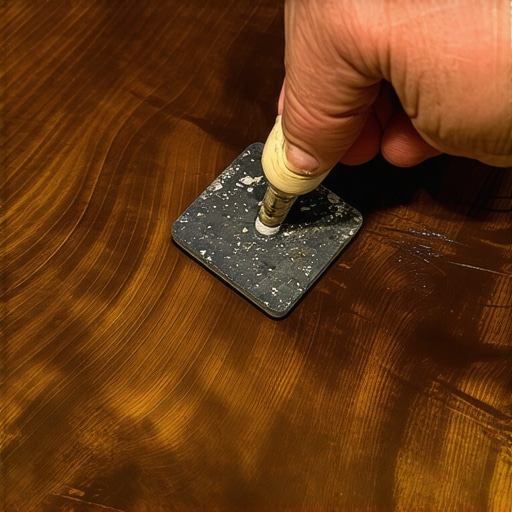
Master the rocking motion of the graining tool
This was the part that intimidated me most. You take a rubber graining tool and drag it through the wet stain. You have to rock it slowly as you pull. If you rock too fast, you get too many knots; too slow, and it looks like unnatural zebra stripes. I practiced on a piece of scrap cardboard for twenty minutes before touching the door. On my first panel, I slipped and created a giant smudge that looked like a wood borer had gone wild. I just wiped it off with a rag, reapplied the glaze, and tried again. That’s the beauty of glaze; it’s incredibly forgiving as long as it’s wet. To truly master the art of house painting with these pro tips, remember that wood isn’t perfect. Real wood has knots, whorls, and slight color variations. Don’t try to make every panel identical. Nature isn’t symmetrical, and your door shouldn’t be either. If you want to elevate your space effortlessly, focus on the stiles and rails—the vertical and horizontal parts of the door frame. Paint them in the direction the wood would actually run if it were a real timber construction. It’s these small directional details that fool the eye from the curb.Most people assume that the more knots and swirls you add with your graining tool, the more ‘authentic’ the wood will look. I used to think the same until I stood back from my neighbor’s real mahogany door and realized: it’s surprisingly smooth. High-end timber isn’t a chaotic mess of circles; it’s a rhythmic flow of lines. Over-graining is a dead giveaway of a DIY job. If you want to master the art of house painting with these pro tips, you have to learn the power of restraint. Less texture allows the base coat to do the heavy lifting of mimicking ‘depth’ rather than just showing off a rubber tool’s pattern. When you overwork the glaze, you lose the luminosity of that base coat, resulting in a flat, muddy finish that screams ‘painted metal’ from twenty feet away.
The Wet-on-Wet Nightmare You Need to Avoid
One of the biggest traps I see is impatience with drying times. If you don’t let your base coat cure for a full 24 hours, the solvents in your gel stain can actually re-liquefy the base. You’ll end up with a muddy soup that never dries properly. This leads to the reason your front door stays tacky for days after painting—a total disaster if a windstorm kicks up dust or those pesky summer gnats. I’ve seen homeowners try to ‘fix’ a tacky door by adding more stain, but that just compounds the problem by trapping moisture under a thick skin of pigment. You have to let each layer breathe. If it feels even slightly cool or ‘soft’ to the touch, it is not ready for the next phase.
Can your garage door color shift actually ruin your curb appeal?
Let’s dig deeper into the science of how we see color. Metamerism is a phenomenon where colors look different under different light sources. Your door might look like perfect oak at noon, but turn a sickly purple-brown under your LED driveway lights at night. To combat this, you should always test your stain samples at multiple times of day. Furthermore, many people ignore the Light Reflective Value (LRV) of their chosen finish. According to research from the Paint Quality Institute, darker colors absorb significantly more solar energy, which can be a death sentence for metal doors. 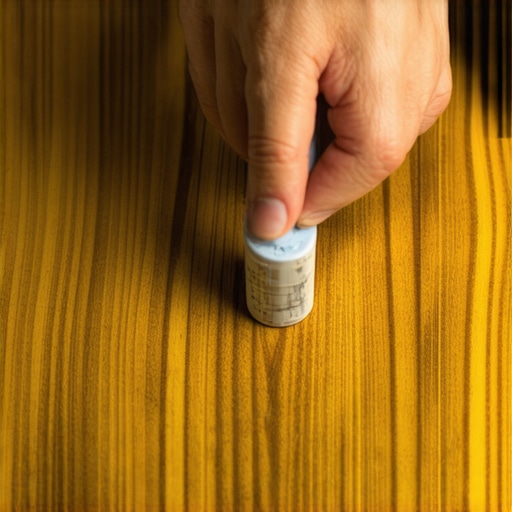
The High-Heat Trap Most Homeowners Ignore
Because steel doors are massive thermal conductors, painting them a dark ‘espresso’ or ‘walnut’ faux finish turns them into giant radiators. This heat doesn’t just make your garage a sauna; it can cause the metal to expand and contract so violently that the paint bond breaks. This is often the reason your exterior paint is bubbling just weeks after application. To prevent this, you must use a top-tier UV-rated clear coat and consider why your commercial office needs light reflective value assessments as a lesson in how heat affects coating longevity. A high-quality clear coat acts as a sacrificial layer against the sun, ensuring you won’t have to stop your exterior paint from fading in direct sunlight every two years. Have you ever fallen into this trap where your beautiful finish started peeling because of the heat? Let me know in the comments. To truly transform your home with expert house painting tips for 2025, you have to think like a scientist, not just a decorator. Focus on the chemical bond and the physics of the surface before you worry about the ‘perfect’ shade of oak.I’ve spent hundreds of dollars on tools that promised to make painting easier, but only a few have earned a permanent spot in my kit. For faux finishing, I exclusively use the Wooster Alpha brush. Why? Because the synthetic blend is stiff enough to move thick gel stains but soft enough to leave zero ‘dragging’ marks. When you combine this with a high-quality graining tool, you aren’t just slapping paint on; you’re sculpting a finish. If you’re looking to elevate your space effortlessly, invest in a dedicated graining comb instead of trying to ‘fudge it’ with a dry brush. A common mistake is using a cheap chip brush. Those shed bristles faster than a golden retriever in June. Nothing ruins a faux finish faster than having to pick a stray bristle out of your wet glaze, leaving a divot in your ‘wood grain.’ If you want to master the art of house painting with these pro tips, you’ll learn that your finish is only as good as your applicator. I also recommend keeping a ‘clean’ brush nearby—one that stays dry—to soften the edges of your knots as you work. This simple addition to your toolkit is one of those top local painting strategies revealed by pros that DIYers often overlook.
Tools That Actually Save Your Sanity
How do I maintain my faux finish over the years?
The sun is your biggest enemy here. To keep that walnut or oak looking fresh, you should apply a water-based, UV-resistant clear coat every two to three years. Think of it like sunscreen for your house. If you want to know how to maintain your newly painted exterior for ten years or more, the secret is never letting the clear coat fail. Once the sun eats through the protection, it will start bleaching your hand-painted wood grain, and there is no easy fix for that. I always recommend a soft-wash approach—never use a pressure washer on a faux finish. The intensity can strip the glaze right off the base coat, much like the secret to keeping paint from peeling on old porch floors often comes down to gentle cleaning with pH-neutral soaps rather than aggressive chemicals. 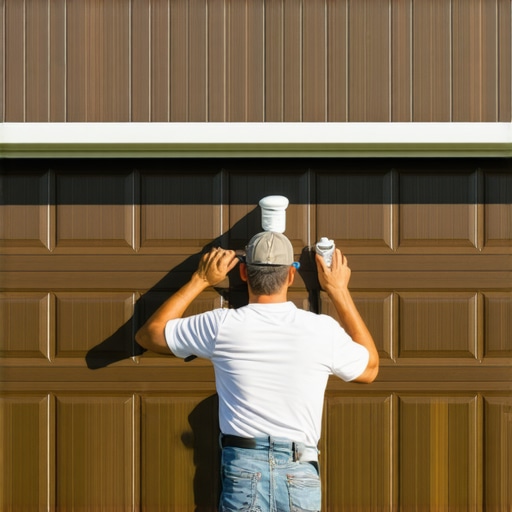
The Cool-Touch Future of Exterior Painting
We are entering an era where paint does more than just look pretty. According to the Sherwin-Williams technical bulletin on Heat-Reflective Technology (Ref: 2023.01), using pigments designed to reflect infrared light can reduce surface temperature by as much as 35% on dark-colored metal surfaces. This is a game-changer for homeowners who want a dark ‘espresso’ wood look without the warping issues typically associated with heat absorption. As you look for expert house painting advice for 2025, you’ll see more products focusing on this thermal management. This technology ensures that your aesthetic choice doesn’t compromise the structural integrity of your garage door or the mechanics inside your garage. If you ever feel overwhelmed by these technical specs, don’t hesitate to contact us for a deep dive into which products suit your specific climate best. Try the ‘stipple-and-pull’ technique on a small hidden corner of your door frame today—it’s the best way to see if your glaze consistency is right before you commit to the whole panel.
How to Survive the Ugly Phase of Faux Finishing
One of the most important things I’ve learned is that every project goes through a moment where it looks terrible. When you first apply that yellow-gold base coat, it feels like a disaster. Don’t panic. The magic happens when the dark glaze hits the surface and creates that contrast. I also realized that “less is more” with the graining tool. Over-texturing is the fastest way to make your metal door look like a movie prop rather than high-end cedar. To truly master the art of house painting with these pro tips, you have to trust the process and step back frequently to check your work from the sidewalk. Perspective is your best friend when you’re trying to mimic nature.
The Exact Tools I Use for a Flawless Result
You don’t need a massive workshop to pull this off, but you do need a few specific items. I always reach for a specialized rubber graining tool with a rocking handle—it gives you much better control over the “knots.” For the application, a high-quality synthetic brush is vital to avoid shedding hairs in your wet glaze. If you want to know how to maintain your newly painted exterior for ten years or more, you must invest in a UV-rated topcoat that won’t yellow or peel. If you’re ever unsure about which products work best on your specific door material, don’t hesitate to contact us for expert advice tailored to your climate.
Start Your Transformation This Saturday
There is nothing quite like the feeling of pulling into your driveway and seeing a high-end carriage door instead of a dented metal slab. It changes how you feel about your entire property. By using these local painting secrets to elevate your space effortlessly, you can boost your home’s value and be the envy of the block. This type of creative house painting project is exactly how you turn a house into a custom home. Are you planning to try a light oak or a dark walnut look for your first attempt? Let me know in the comments below!