

I vividly remember the moment I walked into my living room and noticed that the pristine white trim I had just painted last summer was now showing a bizarre pinkish hue. It was a cold, frustrative shock—these were my freshly painted baseboards, not some accident of time or weather. If you’ve ever experienced a similar revelation, you’re not alone. That sudden color shift on your once-perfect white trim can feel like a mystery, even a betrayal of your hard work. But the good news? You’re about to learn exactly why this happens and how to fix it yourself, saving both your sanity and your paint budget.
Understanding the Why Behind Your Pink or Brown Trim
Ever wonder why your once-crisp white trim is morphing into shades of pink or brown? This isn’t merely an aesthetic quirk, but often a sign of underlying issues ranging from paint composition to environmental factors. One common culprit is contamination—tiny particles or residues that interact with the paint. For example, tannins from wood can bleed through lighter paints, causing discoloration. Additionally, moisture can trigger mold or algae growth, which often manifests as brown or pinkish spots on the surface. Interestingly, according to a study by the EPA, moisture intrusion is among the leading causes of interior paint failure, emphasizing the importance of proper prep and sealing.
Early in my painting journey, I made the mistake of skipping the primer, thinking a good quality paint would suffice. That oversight led to both bleed-through and uneven color. Trust me, priming isn’t just a formality—it’s your first line of defense against discoloration and adhesion problems. If you’re wondering whether your walls were ever properly primed, you might want to check out this simple technique to verify your wall prep status before proceeding with any corrective action.
But before you dive into scrubbing and repainting, let’s explore what specific steps you can take to transform those pink or brown hues back into the brilliant white you desire—and keep it that way for years to come.
Is Fixing Discolored Trim Really Worth It?
Many homeowners feel overwhelmed by the seemingly permanent nature of these discolorations. My early mistake was believing I had to strip everything down and start from scratch. Turns out, with proper diagnosis and targeted remedies, you can often solve the problem without a complete redo. Still, I understand the skepticism—will these methods work for you, too? Let’s just say, I’ve been there, and I’m confident that with the right knowledge and tools, you can restore and even upgrade your paint job effectively. If you want to avoid common pitfalls that waste time and money, be sure to look at this list of proof points to ensure you’re hiring qualified professionals who really know their stuff.
Prepare Your Workspace for a Fresh Start
Before you jump into fixing your pinked or browned trim, clear the area and protect nearby surfaces with painter’s tape and drop cloths. I learned this the hard way when paint splattered onto my new carpet, turning an easy fix into a cleaning nightmare. Proper preparation ensures a smoother repair process and a cleaner outcome.
Assess and Clean the Affected Areas
Identify the extent of discoloration—are there small spots or widespread patches? Use a damp sponge with mild soap to gently clean the area, removing dust, grease, or residue that can interfere with primer adhesion. When I did this on my own trim, I discovered hidden mold spores that needed extra attention. Using the soap and water test for checking wall cleanliness can confirm your surface is primed for the next step.
Sand and Repair Any Damage
Lightly sand the discolored surface with fine-grit sandpaper to smooth out imperfections and open pores for better paint adherence. If you notice chips or cracks, fill them with appropriate filler and sand smooth once dry. Think of sanding as sanding a rough road to make your trip (or paint) smoother—skipping this step can cause uneven finishes and early peeling.
Apply a Quality Primer to Seal In Blemishes
This is the most critical step; primer acts like a barrier, preventing stains, tannins, or mold from bleeding through the new paint. Use a high-quality, stain-blocking primer suitable for your wall type. I recommend checking if your walls were ever properly primed by doing the simple way: apply a coat of primer and see if discoloration appears again after drying. If it does, you might need a specialized primer like an oil-based stain blocker. For your interior trim, choosing the right primer can save a lot of headaches down the line.
Choose the Right Paint for Longevity
Pick a durable, washable paint designed for trim and mold resistance. Satin or semi-gloss finishes are ideal—they’re easy to clean and resist moisture, which helps prevent future discoloration. When I painted my trim, I opted for a VOC-compliant, low-odor formula that dried quickly and didn’t leave a sticky residue, aligning with the quick-dry trim tricks. High-quality paint provides a smoother finish and lasts longer, protecting your walls against future staining.
Apply the Paint in Thin, Even Coats
Use a high-quality brush or roller to apply the paint in thin, even layers. Avoid thick coats that can drip or unevenly cover imperfections. When I repainted my baseboards, I started with a brush in the corners and a foam roller for flat surfaces, which minimized streaks. Let each coat dry thoroughly before applying the next, typically 2-3 hours, to prevent smearing or bubbling. This patience pays off with a flawless finish that mimics professional work.
Inspect and Finish for Lasting Results
After drying, inspect the trim for missed spots or uneven coverage. Touch up as necessary with a clean brush. Remove painter’s tape carefully to avoid peeling the fresh paint. For added protection, consider sealing the trim with a clear topcoat designed for interior use, especially if your household includes pets or children, to keep your repair looking pristine for years. Remember, maintenance is key—clean your trim regularly with gentle products to prevent buildup that could lead to discoloration again.
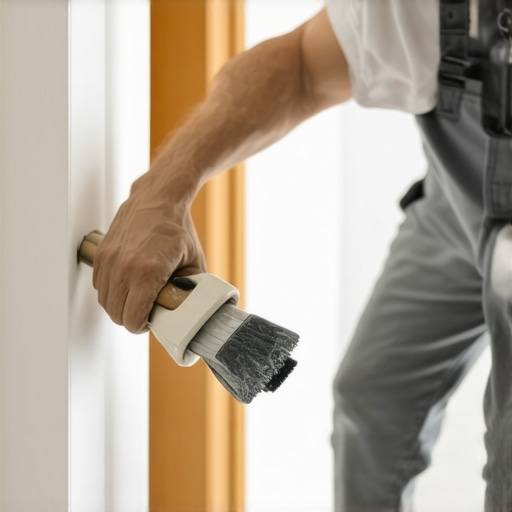
Don’t Fall for the Paint Myths That Could Sabotage Your Project
Many homeowners operate under misconceptions that can lead to costly mistakes. For instance, it’s a widespread belief that applying a single thick coat will suffice for a flawless finish, but in reality, multiple thin layers yield much better adhesion and durability. Overloading paint often causes drips, uneven textures, and early peeling—issues that undermine your investment. This misconception persists despite studies highlighting that proper layering is essential, as emphasized by industry experts. Understanding and challenging these myths can significantly elevate your results, ensuring your house looks professional and lasts longer.
Why Worst-Case Scenarios Are Often Self-Inflicted
One common oversight is neglecting surface preparation, especially priming. Skipping this step might seem like a time-saver, but it opens the door to problems like bleed-through, mold hiding beneath paint, or poor adhesion. For example, tannins from wood can seep through paint if not properly sealed, leading to stubborn discoloration. An advanced mistake many overlook is assuming that every surface reacts the same way to paint; porous drywall and slick tile require different primers and techniques. Recognizing these nuances prevents troubleshooting headaches later. For guidance, check out this method to verify wall priming and avoid unnecessary rework.
Advanced Question: How Can Smarter Materials Transform House Painting?
Using modern, innovative coatings can significantly improve longevity and resistance. For instance, conductive wall coatings are revolutionizing smart house integrations, offering features like temperature regulation and shielding against electrical interference. These advanced materials are not just a gimmick—they’re backed by research demonstrating improved thermal insulation and static resistance, as discussed in this detailed review. Incorporating such technologies requires understanding their specific application nuances, preparation, and compatibility with existing structures, emphasizing the importance of expert advice and proper application techniques.
By challenging common beliefs and embracing these advanced practices, you can ensure your painting project doesn’t just look good but also performs reliably over time. Have you ever fallen into this trap? Let me know in the comments.
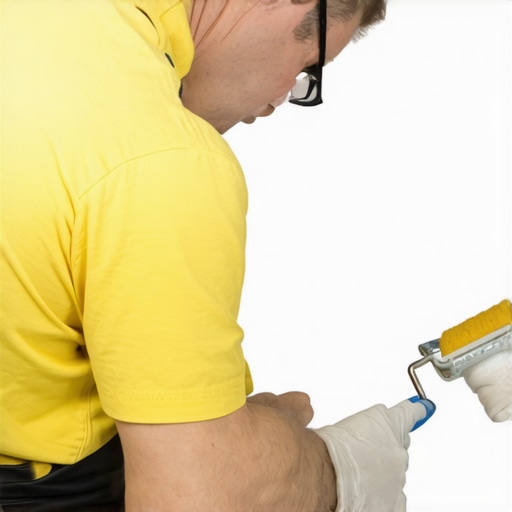
Equip Yourself with the Right Tools to Keep Your Paints In Top Shape
Maintaining a vibrant, durable paint finish over the years requires more than just quality materials; it hinges on using the right tools and practices. I personally swear by a high-precision paint sprayer like the Graco Magnum Series. Its adjustable pressure control allows me to achieve uniform coats on complex surfaces, reducing overspray and saving time—especially important when I’m working on large projects or touch-ups in tricky corners. Unlike traditional brushes, these sprayers enable me to apply thin, even layers quickly, which is key to long-lasting results.
For detail work or delicate trims, I turn to angled brushes with synthetic bristles. They give me the control needed for crisp lines and prevent uneven strokes that can compromise the finishing quality. Investing in high-quality roller covers with tightly woven pile ensures minimal lint transfer and smoother application, combating issues like orange peel textures that can develop from poor equipment. Remember, using the appropriate tools not only ensures a professional look but also extends the lifespan of your paintwork.
Keep Your Tools in Prime Condition to Prevent Premature Wear
Regular maintenance of your painting gear is crucial. After each session, I clean my sprayers thoroughly with appropriate solvents—water for latex paints and mineral spirits for oil-based ones—to prevent clogging and ensure optimal performance during the next use. Rinsing brushes and rollers immediately after use with warm soapy water and allowing them to dry properly extends their lifespan and maintains their flexibility. Dried paint buildup can cause rough strokes and uneven coverage in future applications, diminishing your work’s durability.
Additionally, storing tools properly—keeping brushes in upright holders and sealing roller covers in plastic bags—prevents dust accumulation and preserves their effectiveness. Remember, neglecting this basic maintenance can lead to equipment failure, which sometimes results in compromised paint adhesion or uneven finishes that don’t hold up over time. For more detailed maintenance routines, check out industry insights at this resource.
Embrace Modern Technologies for Superior Results
Advances in paint technology also come with tools that help monitor long-term performance. I recommend using moisture meters when preparing surfaces—these devices accurately assess moisture levels, preventing future issues like peeling or mold growth. These tools are especially useful in humid climates or for interior walls that may have hidden dampness, which can undermine your paint’s longevity. For high-stakes projects, I also utilize thermal imaging cameras to detect insulation gaps or hidden leaks behind walls, ensuring these issues are addressed before painting begins—ultimately saving time and money by preventing future repairs.
Looking ahead, I believe integrating IoT sensors into home walls could revolutionize maintenance. Imagine sensors that monitor paint integrity and alert you before signs of wear are visible, enabling proactive repairs. This not only preserves your property’s aesthetic but also protects your investment effectively. To explore such innovations, check out this emerging trend.
How do I maintain my home’s paintwork over time?
Regular inspections and touch-ups are essential to keep your paint surfaces pristine. Clean your walls periodically with gentle, non-abrasive cleaners to remove dust and dirt that can degrade paint over time. Address minor chips or scratches immediately to prevent them from expanding, which could expose the underlying material to moisture or damage. Applying a fresh coat of high-quality, durable paint every few years—especially on exterior surfaces—can significantly extend the overall lifespan of your paintwork, saving you money and effort in the long run. Remember, the key to lasting house paint is consistent upkeep combined with the latest tools and techniques, ensuring your home remains beautiful and protected for decades.
Over the years, I’ve learned that achieving a perfect, durable paint job isn’t just about buying the right paint—it’s about mastering subtle techniques and knowing the hidden pitfalls. One of the most valuable lessons I discovered is that patience and preparation often trump expensive materials. For instance, proper surface prep, including thorough priming and sanding, can mean the difference between a finish that lasts a decade and one that peels in months. This insight transformed my approach, turning what used to be a rushed, hit-or-miss task into a mindful craft. Embracing this mindset can help you avoid common mistakes, such as skipping the priming step or applying thick coats, which tend to trap moisture and cause discoloration or peeling. Remember, tiny details and quality tools—like precision brushes and proper cleaning—are your allies in creating a professional look that endures, saving you money and frustration long-term. Real mastery in house painting combines these small but impactful practices, ensuring your walls not only look stunning but remain resilient against time and environment.