

It was a bright Saturday morning when I decided to refresh my living room walls. Eager and a bit overconfident, I grabbed the cheapest roller cover I could find at the local hardware store. Within an hour, I stood back to admire my work—and my heart sank. Instead of smooth, flawless walls, I was greeted with a surface riddled with tiny bumps and uneven textures, resembling an orange peel rather than a sleek finish. That moment was my lightbulb moment: I realized that not all roller covers are created equal, and cheap ones can sabotage your best painting intentions.
The Hidden Cause of Wall Texture Woes
Ever wondered why your paint job ends up looking patchy or bumpy despite following all the right steps? More often than not, it boils down to the tools you use, especially the roller covers. Cheap roller covers are made with inferior materials that don’t distribute paint smoothly. As I learned the hard way, these low-cost tools tend to shed fibers, causing textured finishes that look more like an orange peel than a sleek coat. The truth is, investing in quality roller covers pays off—your walls will look professional, and you’ll avoid the frustration of having to redo the entire project.
Is Spending More Really Worth It?
At first, I was skeptical. Those budget roller covers seemed like a smart way to save money. But early in my painting career, I made a common mistake: I neglected to check the fiber quality and nap length of the rollers. This oversight resulted in uneven paint coverage and an imperfect finish. Over time, I discovered that higher-quality roller covers, with finer nap and durable fibers, create a much smoother surface. For more insights into making smart choices on your painting supplies, check out self-healing paints that complement quality tools to achieve stunning results.
Curious if your current roller covers could be contributing to wall imperfections? If you’ve faced this problem, you’ll want to read on. I’ll guide you through how to select the right tools and supplies that turn your paint project into a success—not a patchy disaster. Let’s dive into the secrets of choosing roller covers that deliver true professional finishes.
Select the Appropriate Nap Length for Your Walls
My first attempt involved using a standard roller with a 3/8-inch nap, which seemed suitable. However, on the wall, I noticed uneven coverage and tiny bubbles. After research and a quick test for drywall imperfections, I switched to a roller with a 1/4-inch nap. This finer nap allowed the paint to settle smoothly, reducing the orange peel texture. Always match the nap length: shorter for smooth surfaces, longer for textured or rough walls. This ensures the paint transitions seamlessly without lumps—think of it as choosing the right brush size for detailed work versus broad coverage.
Invest in Quality Materials and Proper Fibers
Initially, I bought the cheapest roller, thinking all covers were the same. But fibers shed, sticking to the wall and creating rough patches. I then opted for a high-quality cover with nylon or polyester fibers, which resist shedding and blend better. Quality fibers are like fine hairbrush bristles—they distribute paint evenly and prevent streaks. When selecting your roller, check reviews and ensure it’s designed for the type of paint you’re using. It’s a simple step that makes a huge difference in the finish, eliminating splatters and ensuring a smooth coat—like laying down a well-rolled carpet rather than a crumpled mat.
Prep and Load Your Roller Properly
Before I started applying paint, I dipped the roller into the tray and rolled it against the ridges to remove excess. Overloading causes drips and uneven patches, while underloading leaves streaks. During my second project, I kept the roller damp but not soaked, enabling a steady flow of paint. Remember, a well-prepared roller acts like a steady hand—keeping the surface consistent. Test your loaded roller on a scrap piece or a corner to gauge the paint flow. Proper loading prevents runs, drips, and uneven textures, giving your walls that professional satin smoothness.
Maintain Consistent Technique During Application
Pausing midway left streaks and color variations. I learned to work in systematically overlapping strokes—first vertical, then horizontal—without pressing too hard. This method distributes paint uniformly, avoiding thin spots. Think of painting like quilting: consistent, overlapping stitches create a tight, even pattern. Keep your roller wet but not soaked, and move with steady pressure. After each section, reload the roller to maintain an even coat across all surfaces. This disciplined approach results in a seamless finish that resembles a cast from a mold, not a patchwork quilt.
Finish with Proper Drying and Light Sanding
Once the paint dried, I noticed some tiny bumps. To refine the surface, I lightly sanded with fine-grit paper, being careful not to remove the paint. This step smooths out minor imperfections left by roller fibers or drying irregularities. Think of it as polishing a gemstone—only a gentle touch to reveal a flawless surface. After sanding, I used a damp cloth to wipe away dust before applying the second coat if necessary. This extra effort ensures walls are perfectly smooth, mimicking the quality of a professional job—making your DIY project indistinguishable from the pros.
Many homeowners and even seasoned painters fall prey to misconceptions about painting, often overlooking crucial nuances that can make or break a project. While a fresh coat of paint might seem straightforward, the intricacies beneath the surface are what distinguish amateur results from professional finishes. Let’s explore some of these hidden nuances and dispel prevalent myths that can sabotage your efforts.
Myths That Lead to Costly Errors
One of the most widespread misconceptions is that all paints and tools are created equal. Many believe opting for the cheapest supplies will suffice, but in reality, inferior materials often cause uneven coverage, bubbling, or peeling—issues that could have been avoided with higher-quality products. For instance, skimping on roller covers might save money initially, but it substantially increases the likelihood of texture problems, highlighting the importance of investing in durable fibers and appropriate nap lengths. Superior tools distribute paint evenly and resist shedding fibers that mar your finish. To enhance your understanding, review self-healing paints, which work best when paired with quality supplies for longevity and aesthetic appeal.
Are You Using the Right Primer and Surface Preparation Techniques?
Many overlook the critical role of proper surface prep, assuming a clean and dry wall is enough. Advanced techniques like molecular washing or nano-bonding are often underutilized but can dramatically increase adhesion and durability. Experts emphasize that skipping these steps can lead to adhesion failures, even with premium paint. According to a report in the Journal of Coatings Technology, surface preparation accounts for up to 70% of a successful paint job. Don’t fall into the trap of neglecting surface nuances; instead, invest time in prep to ensure a smooth, long-lasting finish.
Advanced Mistakes That Catch the Informed Off Guard
Even experienced painters can make subtle yet impactful errors. For example, applying paint under suboptimal humidity or temperature conditions can cause drying irregularities, leading to uneven textures or premature failures. An expert tip is to always check local weather conditions and consider advanced prep techniques such as humidity-proofing or thermal imaging to assess moisture levels before starting. Moreover, novice painters often underestimate the importance of correct brush technique, leading to visible brush strokes or lap marks. Mastering consistent overlapping strokes and proper tool loading is vital. For deeper insights, exploring dampening techniques can help achieve a flawless finish even in challenging environments.
How Do Modern Paint Technologies Impact Your Results?
Innovations like micro-prep coatings, scuff-proof molecular solutions, or nano-bonding agents are game changers for high-quality results. However, many overlook their benefits, sticking to traditional methods that often fail in durability and appearance. For example, recent studies reveal that nano-bonded paints offer up to 50% longer lifespan and superior resistance to environmental stressors. Staying informed about these advancements allows you to select the right products and techniques, ultimately reducing redo costs and enhancing aesthetic appeal. If you’re considering upgrading your toolkit, learn more about molecular wash techniques for superior surface prep and adhesion.
Have you ever fallen into this trap of misconceptions or overlooked advanced surface treatments? Share your experiences below, and let’s discuss how to elevate your future painting projects. Remember, understanding these nuances is what separates a good painter from a true expert in the field.
Achieving a beautiful, durable paint job isn’t just about the paint color or the initial application technique—it’s equally about the tools you select and how you maintain them over time. As a seasoned painter, I can attest that investing in quality equipment and proper maintenance routines ensures your results last for years. Today, I’ll share my personal recommendations on tools that make a difference, along with tips on keeping them in top shape for ongoing projects.
Why Quality Brushes Matter More Than You Think
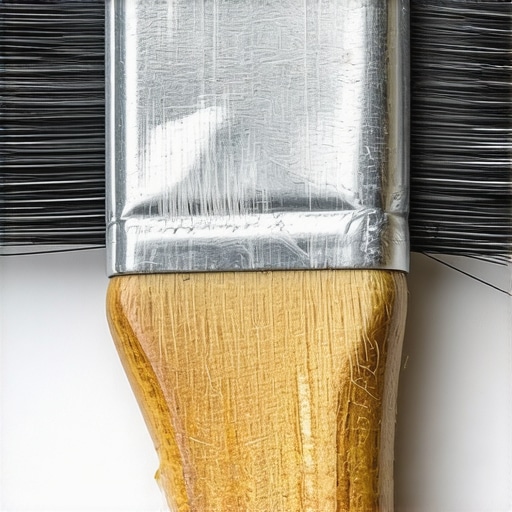
In my experience, using a high-quality, synthetic brush designed for your specific paint type is essential. I prefer self-healing paints because they resist scuffs and maintain their appearance longer, especially when paired with a durable brush. I personally favor brushes with nylon fibers—they resist wear and shed less, which prevents rough patches and streaks. After finishing a project, I immediately clean my brushes with warm water and mild soap, avoiding harsh solvents that can deteriorate the fibers. Proper cleaning not only prolongs brush life but also maintains their shape, ensuring smooth strokes in your next project.
Rolling With Precision and Care
For roller covers, I recommend choosing nap lengths based on the surface. For smooth walls, I opt for 1/4-inch nap rollers that provide a sleek finish, while textured surfaces demand longer naps. I only use high-quality covers with polyester or nylon fibers because they resist shedding fibers that can mar your walls. After each use, I wash the rollers thoroughly and store them in airtight containers to prevent dust buildup. Regular maintenance of your rollers reduces splatter and ensures consistent coverage, which is vital for long-term durability.
< >
>
In my next project, I plan to experiment with microfiber rollers for even better paint distribution. These innovative tools, combined with proper upkeep, significantly improve finish quality and longevity. Additionally, I always use high-grade paint trays with textured ridges that help remove excess paint—minimizing drips and uneven coats—and clean them immediately after use to prevent dried paint from clogging the textured surfaces.
Electric Tools That Save Time and Improve Results
If you’re tackling larger projects or multiple rooms, I highly recommend an electric paint sprayer like the Wagner Control Spray. It offers even application and faster coverage, especially when combined with proper preparation. Remember, even the best sprayer needs regular cleaning to prevent clogs; I flush the system with solvent after each use. This simple routine keeps the tool functioning flawlessly and preserves its long-term performance. Moreover, investing in a good retractable extension pole can help reach high ceilings comfortably, reducing fatigue and ensuring consistent application at all heights.
Maintaining Your Painting Tools Long-Term
To keep your tools working effectively over the years, I follow a strict maintenance routine: clean brushes and rollers immediately after use, store them properly in breathable covers, and replace worn-out components promptly. For electrical tools, I inspect cords regularly for cuts or frays—safety and performance depend on it. Keep solvents and cleaning supplies handy, and never leave equipment exposed to weather if stored outside. As the industry heads toward smart tools with digital feedback, I predict that future innovations will include sensors that monitor brushwear or paint flow, further optimizing the painting process. Staying updated on these advancements will give you a competitive edge in local house painting projects.
Want to elevate your craftsmanship? Try adopting a rigorous brush maintenance routine or upgrading to microfiber rollers. These small investments yield significant long-term benefits, ensuring your walls remain flawless—especially when combined with advanced surface prep techniques like molecular wash.
Lessons Only Pros Discover About Perfect Wall Finishes
One revelation I had was the critical role surface prep plays—skipping that step can undo all your painting efforts, regardless of tool quality. I once believed that buying the best paint was enough, only to find uneven coverage and peeling within months; the magic was in meticulous preparation. Another lesson was understanding how lighting affects wall appearance—what looks flawless in daylight may reveal flaws under artificial light, so always inspect your work under different lighting conditions. Finally, I learned that patience during drying and curing times ensures the paint bonds properly, preventing future imperfections. Rushing through these steps costs less upfront but leads to costly fixes later, a true lesson in quality craftsmanship.