
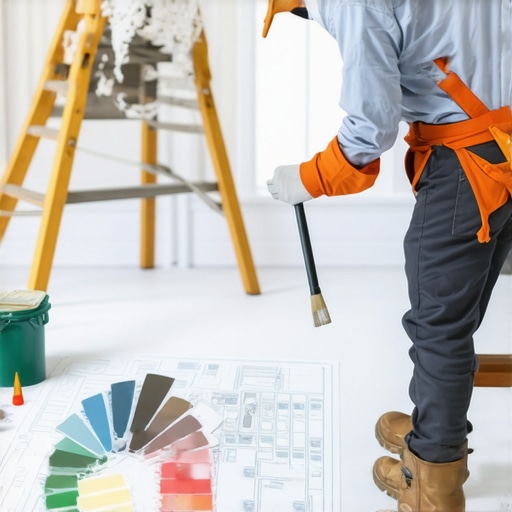
I vividly remember a time when I walked into a client’s house, paint smudged on the floor, brushes abandoned in the sink, and a look of frustration on their face. They had attempted to tackle interior painting themselves, only to realize mid-project that they’d missed crucial prep steps. It was a lightbulb moment for me—preparation isn’t just about cracking open a can of paint. It’s the secret to a flawless finish and lasting results.
Today, I want to share with you four proven strategies that transformed my approach and can do the same for your 2026 painting projects. Whether you’re a seasoned DIYer or planning to hire professionals, knowing these prep methods ensures your investment pays off. A proper prep routine doesn’t just improve appearance; it can influence energy efficiency and even extend the lifespan of your walls. Curious? Keep reading.
The Power of Proper Preparation for Lasting Interior Paints
Prepare Your Space Like a Pro
Start by removing all furniture and fixtures. Use painter’s tape to cover trim, outlets, and fixtures to prevent accidental paint splatters. I once skipped this step, rushing through my kitchen project—resulting in hours of clean-up later. A simple drop cloth under the area will catch drips and protect flooring, saving you from costly repairs. Think of it as laying down a barrier, much like a garage coat protects your car from dirt.
Clean Surfaces Thoroughly
Dust, grease, and grime are paint killers. Wipe walls with a damp cloth and mild detergent. I remember tackling a bathroom wall that looked clean but was coated in residual soap scum—resulting in uneven paint adhesion. Proper cleaning ensures the paint bonds tightly, providing a smooth finish. For stubborn stains, a mix of vinegar and water works wonders. Don’t skip this step; it’s like prepping a canvas before painting.
Sand and Repair for Smoothness
Uneven surfaces or old paint can cause streaks and peeling. Sand rough patches with fine-grit sandpaper until flat. I once tried to skip sanding over an old textured wall—ended up with visible streaks that took extra coats to hide. Fill holes and cracks with high-quality spackle, then sand smooth. Think of it as ironing out wrinkles—a flat surface results in professional-looking paint.
Prime for Perfect Coverage
Primers are the secret weapon against bleed-through and uneven color. Choose a primer suited for your wall type; for example, oil-based primers work well on stains. I vividly remember using a shellac-based primer on water stains—no more bleeding through! Applying a primer creates a uniform surface, much like laying a base coat before applying a vibrant color. This step is especially crucial if you’re switching from dark to light colors or painting over patches.
Handling Special Cases
Address Humidity and Temperature
In 2026, climate considerations are vital. High humidity can cause paint to bubble or peel. Use a dehumidifier and schedule painting when conditions are optimal. I once painted a basement wall during a humid day—resulting in a blistered surface that had to be redone. Check out humidity-proof prep tactics for tips.
Choose the Right Primer
Today’s primers do more than just prepare; some actively resist UV damage, mold, or stains. For exterior projects or problem areas, opt for primers infused with bio-resins or nanotechnology. I used a nanotech primer on a sun-exposed wall; it resisted fading better than standard primers. See thermal primer options for guidance.
Test Your Prep Work
After completing prep, lightly sand to create a seamless surface and wipe away dust. Then, do a small patch test with your chosen paint on an inconspicuous area. When I tested a new bio-cement paint, I noticed how it self-healed minor scratches—saving me time and money. Proper prep is the foundation of a durable, high-quality finish, much like constructing a solid base for a building.
When it comes to house painting, many assume that choosing the right color or selecting a skilled painter is enough for a perfect finish. However, as an experienced professional, I can tell you there are subtleties that most people overlook, which can make or break your project’s longevity and appearance.
One common myth is that all paints are created equal. The truth is, the nuanced differences in formulations can dramatically impact durability and energy efficiency. For instance, in 2026, bio-polymer house paints are gaining traction because they create a self-healing surface, significantly reducing wall scuffs and extending repaint intervals. Yet, many still stick to traditional acrylics, unaware that they might be sacrificing longevity and environmental benefits. According to a study published in the Journal of Coatings Technology, innovative formulations like nanotech and bio-resins can increase paint lifespan by up to 30%, especially in challenging climates.
Another overlooked aspect is the importance of climate-adaptive priming. While many skip primer altogether, this step is crucial, especially in areas prone to high humidity or temperature fluctuations. For example, applying advanced thermal primers infused with nanotechnology not only prevents UV damage and mold growth but also helps in energy conservation, reducing interior heating or cooling costs. Some homeowners neglect this, leading to faster paint failure and higher energy bills. For comprehensive insights, check out how house painting impacts energy efficiency.
What’s the impact of improper preparation on paint adhesion and longevity?
Many are unaware that improper surface prep is the leading cause of early paint failure. Skipping thorough cleaning, sanding, or priming can result in peeling, blistering, or mold issues down the line. I’ve seen homeowners rush the prep stage, only to face costly reworks later. To avoid this, advanced prep practices like molecular washing with bio-cleaners and humidity-proof priming are now essential in 2026 standards. These steps create a seamless foundation, ensuring the paint bonds correctly and lasts longer. Want to learn more about sophisticated prep techniques? Visit luxury painting trends for 2026.
To sum up, understanding the nuanced differences in paint formulations, proper priming tailored to climate, and meticulous surface preparation can dramatically improve your painting outcomes. Do you think you’ve been neglecting these details? Have you ever fallen into this trap? Let me know in the comments.
Achieving lasting beauty in your home’s paintwork isn’t just about picking the right color or hiring skilled painters; it also depends heavily on the tools you use and how you maintain them over time. High-quality equipment can drastically improve your results, ensuring that each project stands the test of time and weather. Let’s dive into specific tools I recommend and maintenance techniques that keep your painting setup in top shape, especially as we head into the evolving landscape of 2026.
Investing in Precision Spray Systems to Save Time and Enhance Quality
One game-changer I’ve adopted personally is the use of electrostatic spray machines. Unlike traditional brushes and rollers, these devices deliver an even coating and minimize overspray. The newer models, such as the Graco FlexLiner, allow for quick color changes and easy cleaning, which is vital for long-term projects. By maintaining these sprayers with proper filters, cleaning residues promptly, and replacing worn nozzles periodically, I ensure consistent application quality. In the future, I predict that smart spray systems integrated with IoT sensors will detect paint flow issues automatically, further elevating efficiency and precision.
Essential Cleaning Methods to Extend Equipment Lifespan
Maintaining your tools begins with thorough cleaning after each use. For brushes and rollers, rinsing with bio-friendly solvents helps prevent dried paint buildup, which can ruin the next application. I always dismantle spray tips and soak them in ultrasonic cleaners designed for small parts—this removes stubborn dried paint and restores flow accuracy. Investing in quality solvents like the EcoThane Bio-Resin Cleaner not only protects the environment but prolongs your tools’ lifespan. Proper maintenance reduces the need for frequent replacements, saving money in the long run. As we move toward 2026, innovations like enzyme-based cleaners are becoming more effective at dissolving recent paint residues, according to industry reports.
Software and Tech Tools for Project Management and Longevity
Digital tools aren’t just for scheduling; they help monitor and predict maintenance needs. I recommend using project management platforms like Buildertrend, which now incorporate AI-driven alerts for tool servicing schedules based on usage data. This proactive approach prevents equipment failures mid-project and preserves tool integrity. Additionally, tracking paint batches and application data digitally allows for better future touch-ups—matching moisture levels and surface conditions with ideal products. I foresee that in 2026, augmented reality apps will assist homeowners and contractors in visualizing maintenance workflows and identifying potential issues before they escalate.
How do I keep my tools performing over time?
To ensure longevity, establish a routine of regular inspection, cleaning, and proper storage. Store brushes upright in clean containers, and keep spray equipment in climate-controlled environments to prevent corrosion. Applying protective oils to spray nozzles after cleaning prevents rust. Also, set calendar reminders for replacing parts like o-rings and filters, which are less obvious but critical for performance. Embracing these habits means your tools will continue delivering professional finishes well into the future. Curious about more advanced maintenance practices? Check out why pros are ditching rollers for better results and durability. Don’t forget—testing one advanced spray tip or cleaning method can revolutionize your next project, so give it a try today!
Lessons I Wish I Learned in My First Paint Job
One of the biggest surprises I encountered was realizing that even the best paint can’t fix a poorly prepped surface. Skipping steps like cleaning, sanding, and priming often leads to peeling or uneven walls down the line. My lightbulb moment was understanding that preparation not only saves time but guarantees a durable, flawless finish—something no paint formulation can compensate for once it’s applied.
Another insight came when I underestimated climate impacts. Knowing how humidity and temperature affect drying times and adhesion transformed my approach. Applying climate-adaptive priming and scheduling painting during optimal weather prevented costly reworks and prolonged the paint’s lifespan. This realization pushed me toward integrating advanced solutions like nano-enhanced primers that resist UV and mold, ensuring longevity even in challenging environments.
Finally, I’ve learned that the tools and their maintenance are just as crucial as the paint itself. High-quality sprayers, brushes, and proper cleaning routines dramatically influence the final appearance and resilience. Moving forward, investing in precision equipment and understanding tech-driven maintenance practices have become my secret weapons for consistently delivering professional results in every project.
Top Picks to Elevate Your Painting Game
To implement these lessons effectively, I rely on a curated toolkit and trusted resources. The latest tech gadgets in spray systems help me achieve even coats with less effort. Books like Mastering Interior Painting have deep insights into prep and finishes, shaping my approach. For understanding climate-specific solutions, the climate-ready primers guides are invaluable. These tools and knowledge sources are my backbone for consistent success and high customer satisfaction.
Step Up Your Confidence and Paint Bold
Now it’s your turn—embrace the importance of thorough prep, climate awareness, and tool maintenance. Your next project can surpass expectations when built on these foundational practices. Remember, the difference between a good paint job and a great one often lies in the unseen details. Ready to transform your space with lasting beauty and resilience? Share your biggest painting challenge below, and let’s tackle it together—your home deserves nothing less!
,