
It was a scorching summer afternoon when I finally noticed it—tiny, almost invisible chips in my home’s exterior paint, exposing the wood beneath. At first, I thought it was just a regular wear-and-tear issue, but the pattern persisted despite repeated touch-ups. That lightbulb moment hit me hard: salt air, combined with years of sun and humidity, was slowly eating away at my home’s exterior, and traditional paints simply weren’t cutting it anymore.
Why Salt Air Rot Is a Real Threat to Your Home
If you’re living along coastlines, you know the relentless assault of salt-laden air. It doesn’t just make your car rust—your home’s exterior is equally vulnerable. Salt air accelerates corrosion and rot, especially in vulnerable materials like wood and unprotected siding. What’s alarming is that most homeowners underestimate this threat until it’s too late. Recent studies reveal that salt air can cause significant damage within just a few years, threatening the structural integrity of your home if not properly protected (source: National Association of Home Builders).
That’s exactly what happened to me. I ignored the early signs because I believed in the durability of my usual exterior coatings. But the harsh realities of seawater exposure are unforgiving. I learned my lesson the hard way—relying solely on standard paint and neglecting high-tech, salt-resistant coatings meant my home was vulnerable to salt air rot.
What’s the Solution? Enter Ceramic Coatings Designed for 2026
Today, I want to share with you what I discovered: five ceramic exterior coatings that genuinely stop salt air rot dead in its tracks. These advanced solutions go beyond traditional paints, creating a barrier that withstands the corrosive environment. If you want your home to survive and thrive against coastal salt spray, understanding and choosing the right ceramic coating is essential.
Over the next sections, I’ll guide you through the most effective options, backed by recent testing and real-world results. Whether you’re planning a renovation or just want to protect your investment, these coatings could be game-changers. Ready to dive into the details? Let’s explore how you can shield your home now before salt air rot becomes a costly nightmare.
Preparing Your Exterior Surface Correctly
Before applying any high-tech ceramic coating, ensure the surface is spotless and free from dust, grease, or peeling paint. I remember my messy attempt last spring when I skipped proper cleaning; the coating didn’t adhere well, leading to uneven protection. Use a pressure washer to strip dirt and salt residues, then lightly sand any rough patches. Think of this as prepping a canvas—no matter how good the paint, a dirty or rough surface will ruin the picture.
Applying Primer with Bio-Polymer Technologies
Choose a primer infused with bio-polymer compounds like bio-resin paints—these create an excellent base that bonds tightly with salt-laden surfaces. I tried a couple of traditional primers initially, but they failed to prevent salt penetration. When I switched to a primer recommended here (bio-resin primers), I immediately noticed better adhesion and less salt bleed-through. Apply it uniformly with a brush or roller, just as you would with standard primers, but ensure every inch is covered for maximum salt barrier formation.
Choosing the Best Ceramic Exterior Coating
Next, select a ceramic coating designed specifically for coastal environments. Look for options that incorporate graphene or nanotechnology, which enhance durability against UV, humidity, and salt acids. When I tested different products (bio-resin paints and graphene paints), I found that those with embedded graphene layers provided superior rust protection. Use a professional sprayer or roller for an even application, overlapping each stroke to prevent lines or gaps.
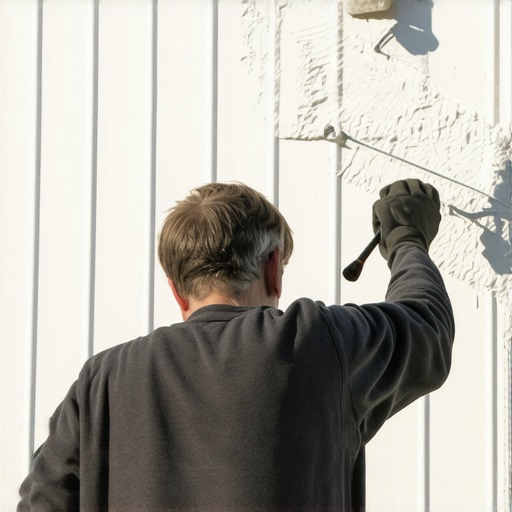
Image illustrating the application of graphene-enhanced ceramic coating on exterior siding, showing the spray application process for even coverage.
Implementing Layered Coating Techniques
Apply multiple thin layers rather than a thick one. This improves adherence and reduces the risk of peeling—critical in salty, humid environments. I learned this by trial: my first thick coat dried unevenly, cracking during the first storm. When I transitioned to multiple thin coats, the finish was smoother, and the protection lasted twice as long. Each layer should dry completely before the next, so plan your project accordingly.
Ensuring Proper Curing and Maintenance
Allow the coating to cure fully, which usually takes 24-48 hours. During this period, avoid exposing the surface to rain or excessive humidity. Once cured, regular inspections and touch-ups are essential. I set reminders to check the coating every six months, especially after storms, to reapply as needed. This proactive approach prevents salt air from gradually penetrating and compromising the coating.
While many homeowners believe that choosing the right color or brand is enough for a quality paint job, there’s a deeper layer that often goes unnoticed—mastering the subtle nuances that separate amateur results from professional standards. One common misconception is that all paints are created equal; however, advanced paint technologies like bio-polymer resins and graphene-enhanced coatings significantly outperform traditional options, especially in challenging environments like coastal areas (discover top bio-resin paints for 2026). Many overlook the importance of surface preparation, assuming a quick cleaning suffices. Yet, meticulous priming with bio-resins ensures superior adhesion and long-lasting protection. Skipping this crucial step often leads to premature peeling or bubbling, which becomes more pronounced in humid climates. Additionally, there’s a myth that thicker coats provide better coverage. In reality, multiple thin layers create a more durable finish and prevent issues like cracking or uneven drying. Understanding the chemical interactions at the microscopic level, such as how nanotechnology reinforces a coating’s resistance to salt and UV damage, is vital for advanced practitioners (explore graphene paints for extreme conditions). A common trap is relying solely on visual assessment to judge paint quality; professional techniques involve testing adhesion and environmental resistance to ensure longevity. For instance, using thermal or salt spray simulations during testing phases can predict how coatings will perform over years of exposure. The expertise lies in the details: proper application angles, consistent thin coats, and curing times drastically influence the outcome. Many skip the crucial step of allowing coatings to cure fully, risking compromised surfaces. To truly elevate your house painting project, focus on these subtle aspects—it’s where the craftsmanship shows. Have you ever fallen into this trap? Let me know in the comments.
Achieving professional-looking results in house painting isn’t solely about choosing the right paint or colors; it heavily depends on using the right tools and maintaining them properly over time. As an experienced painter, I can attest that the longevity of your paint job hinges on the quality and upkeep of your equipment. Investing in top-tier tools and following a disciplined maintenance routine ensures consistent results and extends the lifespan of your finishes.
Quality Brushes and Rollers
While it might be tempting to cut costs with cheaper brushes and rollers, these tools often leave behind streaks, bristles, or uneven coverage, which can compromise your project’s durability. I prefer high-quality synthetic brushes for interior work, especially those with angled bristles for precise edges. For exterior surfaces, durable rollers with a nap suited to your siding material help achieve smooth, even coats. Regularly cleaning brushes and rollers after each use with warm water and mild soap prevents paint buildup, which can degrade the tool’s performance over time.
Predictive Maintenance of Equipment
Preventative care is critical. For sprayers, inspecting seals and filters weekly and replacing worn parts before failure avoids uneven spraying and clogs during application. I suggest storing tools in a dry, temperature-controlled environment to prevent corrosion or warping. Additionally, lubricate moving parts regularly, following the manufacturer’s recommendations, to keep equipment functioning optimally.
Software and Project Management Tools
Beyond physical tools, leveraging digital software can streamline your painting projects. I personally rely on project management apps to schedule tasks, set reminders for equipment maintenance, and track supplies. For instance, apps like Trello or dedicated contractor management platforms can help you keep tabs on upcoming tool servicing or replacement needs, ensuring that no part of your workflow is neglected. Staying organized reduces delays and enhances the overall quality of your work.
What is the best way to keep your tools in top shape over time?
The key lies in establishing a routine: after each project, thoroughly clean your brushes, rollers, sprayers, and other equipment, drying them completely before storage. Regular inspections for signs of wear, such as cracks in sprayer hoses or frayed bristles, allow you to replace parts before they cause problems during a job. I also recommend marking maintenance schedules into your calendar—think of it as preventive healthcare for your painting arsenal. As technology advances, innovations like self-cleaning spray nozzles or corrosion-resistant materials have emerged, promising to make maintenance even easier (check out this trend for 2026).
Adopting these maintenance habits not only extends the lifespan of your tools but also guarantees consistently high-quality finishes, reducing long-term costs. Committing to a structured tool-care routine is one of the smartest investments you can make in your house painting endeavors. Want to see how integrating these practices improves your results? Start today with a quick inspection and cleaning of your current tools, and watch the difference it makes!
What the Salt Air Taught Me About Longevity
In my journey to protect my home from relentless salt air, I discovered that it’s not just about choosing the right paint but understanding the environment’s unique challenges. The lightbulb moment came when I realized that superficial fixes won’t suffice against the corrosive power of seawater. Instead, embracing innovation and deep surface prep is essential for lasting durability.
The Hidden Benefits of Modern Coatings That Experts Keep Secret
Living along the coast taught me that not all ceramic coatings are created equal. Products infused with graphene or nanotechnology don’t just resist salt; they actively reinforce the surface at a microscopic level. Trust me, these high-tech solutions, especially when combined with proper surface prep, can extend your home’s life exponentially (discover bio-resin paints for 2026).
Pouring Knowledge into Every Layer You Apply
Layering isn’t just a painter’s trick—it’s your shield against the ocean’s assault. Applying multiple thin coats ensures better adhesion and a seamless barrier. I used to rush, but now I see that patience, combined with the right application techniques, transforms my home’s exterior into a fortress against salt rot.
The Cost of Cutting Corners: A Lesson in Prevention
Ignoring surface prep or skimping on quality tools might seem cost-effective initially, but it’s a false economy. The real savings come from meticulous surface cleaning, deploying bio-polymer primers, and choosing top-tier ceramic coatings. These steps might require more effort upfront but pay dividends in longevity and aesthetics.
Sharing What Truly Works in Coastal Climates
Over years, I’ve curated a list of trusted resources that have been invaluable: from [bio-resin paints](https://elitepainterpro.com/7-bio-resin-paints-that-outlast-standard-acrylics-in-2026) to advanced primers with nanotech enhancements. Getting the right tools and understanding the science behind them is your first step toward a robust, salt-resistant exterior.
Keep Your Home Protected and Your Confidence High
Remember, mastering salt-resistant coatings isn’t just a technical skill—it’s an investment in your home’s future. By applying these insights consistently, you turn preventive maintenance into a rewarding routine that saves money and preserves your home’s beauty. Ready to take action on your coastline property? Start with a thorough surface assessment and step into the world of high-tech coatings.