

It’s a chilly Saturday morning when I finally realize I’ve been duped. I had an upcoming house painting project, and after gathering a few bids, I chose what seemed to be the most promising quote. But when the work started, everything was off—the delays, the unexpected costs, and the less-than-stellar finish. That lightbulb moment hit me hard: I didn’t ask the right questions.
If you’re like me, you might feel confident in the typical questions—cost, timeline, materials. But in 2026, local painting projects demand more. The industry has shifted, new technologies are in play, and hidden pitfalls can cost you dearly if you’re unprepared. That’s why it’s crucial to understand the five key questions your bid must answer today.
Why This Year Is a Game-Changer for Painting Bids
Every homeowner wants a beautiful, durable finish that lasts, right? But with the industry’s rapid evolution, especially with innovations like bio-resins and nanocoatings, what worked five years ago might be obsolete now. Skipping the right questions can lead to subpar results or blown budgets. According to a recent report, overlooked details in contractor bids can cause property owners to overpay by up to 30% due to hidden charges or low-quality materials.
This means that simply accepting the lowest bid or asking about price alone isn’t enough. We need to dig deeper, ask smarter questions, and match those answers with trustworthy local experts who employ the latest techniques. I’ve made my share of mistakes, like trusting a contractor who promised a quick job but used outdated primers, which led to peeling paint within a year. It’s a costly lesson.
If you’ve ever wondered whether your bid reflects the true costs or if you’re missing out on the latest innovations, you’re not alone. The good news? There’s a way to arm yourself with the knowledge that ensures your project is successful and stress-free.
In the next sections, I’ll share the five questions that will make your 2026 painting bid stand out—questions rooted in experience, industry updates, and real-world wins. Ready to become a smart homeowner who never gets shortchanged? Let’s dive into the specifics that will transform how you approach your next local painting project.
Define Your Project Scope Clearly
Begin by precisely outlining what areas need painting, including surfaces and finishes. Use detailed descriptions to prevent misunderstandings. I recall a time I listed only “exterior walls” without specifying primer types or finish coats, which led to an unexpected upgrade cost. To avoid this, document exactly which walls, trims, and accent areas you want painted, considering modern finishes like nanocoatings that boost durability. For better clarity, compare your scope with top strategies for fast results at this guide.
Many homeowners operate under assumptions about house painting that could be costing them time, money, or subpar results. Let’s challenge some of the most prevalent myths and uncover the nuanced truths that experts understand. For instance, a widespread belief is that selecting the cheapest bid guarantees savings, but in reality, düşük quality materials and rushed labor often lead to costly mistakes. According to industry specialists, focusing solely on price ignores critical factors like primer compatibility and paint curing times, which significantly impact longevity and appearance.
One common mistake I see is oversimplifying the choice of paint finish. Many assume matte finishes hide imperfections, but advanced textures and modern coatings—like nanotechnologies—can provide better durability with a sleek look. If you overlook these options, you might end up with a finish that stains easily or peels prematurely, especially in high-humidity areas.
A crucial nuance often missed involves surface preparation. Some believe that a quick cleaning suffices, yet the latest research emphasizes thorough prep—such as using bio-resins that bond better with existing surfaces—can dramatically improve adhesion and resistance to weathering. Skipping these steps is an advanced mistake that can make your paint job fail within a few years.
Have you ever fallen into the trap of believing that all paints are equal, or that the cheapest contractor will do the best job? These misconceptions can lead to disappointment and extra expenses. To avoid this, ask questions that reveal whether your contractor is leveraging the latest innovations, like bio-resins or eco-friendly paints, which are now proven to outperform traditional options. For more insights, check out how experts are swapping out traditional primers for bio-resins in 2026.
In summary, understanding these nuances and debunking common myths empower you to make better decisions, ensuring your house painting project lasts longer and looks spectacular. Don’t settle for superficial answers—dig deeper and challenge industry norms to get the results you truly want. Have you ever fallen into this trap? Let me know in the comments.
Maintaining Your Paint Job with Precision Tools
One of the most effective ways to ensure your house painting endures is by investing in the right tools. Personally, I swear by a high-quality, adjustable paint sprayer like the Wagner Control Pro 130. It offers an even application that reduces brush streaks, especially on textured surfaces, saving time and ensuring a professional finish. Additionally, these sprayers can accommodate advanced coatings such as bio-resins, which, according to experts, significantly enhance durability, as discussed here. To keep the equipment in tip-top shape, I regularly clean the nozzles with a solvent recommended by the manufacturer, preventing clogs that can compromise spray quality over time.
Leveraging Software for Long-Term Care
Staying organized is essential. I rely on apps like HouseHappy, which allows me to track maintenance schedules, including upcoming repaint dates. Setting reminders for when the paint surface requires inspection—perhaps after heavy weather events—helps catch issues early. Moreover, photogrammetry apps can log the condition of your exterior walls over time, providing visual documentation to identify rising cracks or peeling before they become costly repairs. Utilizing such tech not only streamlines upkeep but also provides data to inform future projects, making your maintenance smarter rather than reactive.
Predicting Future Trends in Painting Maintenance
Looking ahead, trends suggest that integrated sensors embedded in exterior surfaces may alert homeowners to moisture infiltration or paint degradation in real-time. For instance, companies are developing nano-sensor paint that communicates with your smartphone—imagine knowing when your bio-resin coating needs touch-up before visible deterioration occurs. Staying abreast of these innovations will empower homeowners to extend the lifespan of their investment significantly, aligning with the industry’s move towards smarter, connected home maintenance. For now, regularly inspecting your surfaces and cleaning tools diligently remains your best bet to keep your house painting looking fresh and protected.
How do I maintain my paint job over time?
To keep your paint in optimal condition, schedule annual inspections of painted surfaces, focusing on high-traffic or weather-exposed areas. Use a combination of a soft-bristled brush and eco-friendly cleaning solutions to remove dirt and prevent mold buildup. Additionally, consider applying a modern clear coat—like a nano-enhanced sealant—every few years to enhance UV resistance and moisture protection. Adopting these practices, along with proper tool maintenance, will ensure your investment lasts longer and looks better year after year.
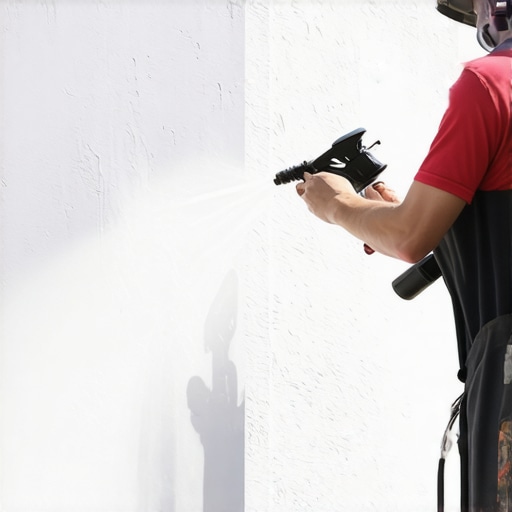
Lessons That Changed How I Approach House Painting
One of the most eye-opening lessons I learned was that paying attention to surface preparation today involves more than just cleaning—using bio-resins for better adhesion was a game-changer, preventing peeling in humid climates. I also discovered that choosing eco-friendly, nanocoating paints extends the lifespan of the finish and reduces environmental impact, a must in 2026. Realizing that industry myths, like low bid equals high quality, often led me to costly mistakes, taught me to ask targeted questions about materials and techniques. Embracing these insights has transformed my projects from routine to extraordinary.
Tools and Resources That Keep My Projects on Point
I trust the Wagner Control Pro 130 for its smooth, even spray and its compatibility with advanced coatings, ensuring professional results. The HouseHappy app has become my secret weapon for scheduling maintenance and tracking painting health over seasons. Reading “Effective House Painting Tips to Accelerate Results” provided insights into modern prepping methods, while exploring bio-resin swap guides helped me implement the latest industry standards. Having access to these tools and sources simplifies decision-making and elevates the quality of my work.
Let Your House Shine and Look Forward
With each project, remember that breakthrough results often come from embracing new knowledge and tools. Now’s the time to evaluate your current approach, ask smarter questions when engaging with contractors, and consider how emerging paints and techniques can serve your home’s longevity. Your desire for a beautiful, durable finish is within reach—by staying informed and proactive, you can ensure your house always looks its best well into the future. Ready to take charge of your next paint project?
What’s the most valuable lesson you’ve learned from your house painting experiences? Share your story below—I’d love to hear it!