
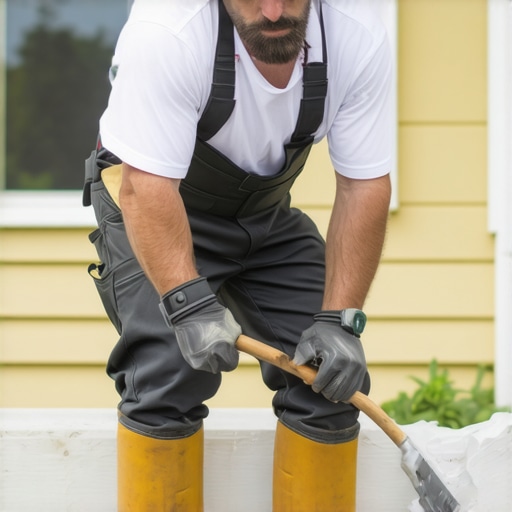
I remember the first time I tried painting my own house’s exterior. I was eager, bursting with enthusiasm, only to be stopped dead in my tracks by one glaring mistake—unfinished prep work that left my walls looking uneven and shabby. That lightbulb moment taught me a tough lesson: good results start long before the brush touches the wall. If you’re like me, frustrated with patchy paint or peeling surfaces, you’re probably asking yourself, “How can I avoid making costly mistakes before I even begin?” Well, here’s what I wish I’d known earlier: skipping or rushing the right prep work can sabotage your entire project—and it’s a trap many homeowners fall into without realizing. Today, I’m going to share the biggest prep pitfalls to avoid and how to set yourself up for a flawless finish in 2026 and beyond. Ready to transform your house without wasting time or money?
The Hidden Cost of Skipping Proper Surface Prep
When I first painted my house, I thought cleaning the surface was enough. Turns out, ignoring issues like cracked siding, peeling paint, or moisture damage was a recipe for disaster. The truth is, surface prep is the foundation of a durable, attractive paint job. Skipping this step can lead to peeling, bubbling, or even mold growth, which means you’ll be repainting sooner than expected—wasting resources and risking your home’s value. Experts have found that improperly prepared surfaces significantly reduce paint adhesion, leading to premature failure of the finish according to industry leaders. That’s why investing time in proper prep is not just recommended—it’s essential. So, how do you ensure your surface is ready for that perfect coat? That’s exactly what we’ll explore next.
Start with a Clean Slate
Before applying any paint, thoroughly clean your surfaces using a high-pressure hose or power washer to remove dirt, mildew, and debris. I remember my first attempt; I skipped this step, and the dirt caused the paint to peel prematurely. Using a stiff brush or scrubber can aid in removing stubborn grime and loose paint. This initial cleaning ensures better adhesion and a smoother finish, preventing issues later on.
Identify and Repair Surface Flaws
Next, inspect your walls for cracks, holes, peeling paint, or moisture damage. Think of your house’s surface as a road; potholes and cracks must be filled before paving. Use a quality putty or filler for small imperfections, and consider patching larger damages with exterior-grade materials. Allow repairs to dry completely to achieve an even surface. This step prevents peeling and bubbling, saving you from repainting sooner than expected.
Address Moisture and Mold
Moisture issues can undermine your paint’s longevity. Use a moisture meter or simply check for damp patches, especially in shaded areas. If mold or mildew is present, treat it with a mixture of water and bleach or a commercial cleaner designed for exterior surfaces. Ensure everything is thoroughly dry before proceeding. Ignoring moisture can lead to mold growth and paint failure down the line.
Sanding and Smoothing Surfaces
Sanding creates a rougher surface for the paint to grip, much like scuffing a surface makes tape stick better. Use medium-grit sandpaper to smooth out rough patches or glossed areas. Be sure to wear a mask to avoid inhaling dust. For my project, lightly sanding the siding made a noticeable difference in how uniformly the paint adhered. After sanding, wipe down surfaces with a damp cloth to remove dust particles, which can cause tiny bumps under the paint.
Prime with Purpose
Applying a primer bridges the gap between the surface and your new paint. It helps seal stains, prevents bleed-through, and ensures color fidelity. Choose a primer compatible with your surface material—wood, metal, or masonry—and your paint type. I once used an unsuitable primer, resulting in uneven color and adhesion issues. Allow the primer to dry fully according to manufacturer instructions, as it sets the stage for a flawless finish.
Test Before the Big Rollout
Before committing to the entire surface, test your primer and paint on a small inconspicuous area. This step helps you verify color, adhesion, and compatibility. During my own project, this quick test saved me from unexpected color mismatches and helped me fine-tune my approach.
Many homeowners believe that preparing a wall simply means washing it and applying paint, but in my experience, this oversimplification can lead to costly mistakes. One pervasive myth is that primer is optional if you’re using high-quality paint; however, skipping primer—especially on problematic surfaces—can compromise adhesion and durability. Another misconception is that thicker coats of paint will hide imperfections and save time, but this often results in uneven texture, drips, and a longer drying time, ultimately affecting the final finish. These common beliefs overlook subtle nuances that can make or break your painting project.
A critical trap to avoid is rushing the surface prep to save time, which in reality can double your work later. For instance, neglecting to sand rough patches after cleaning can cause bumps and uneven color application, creating a surface that’s difficult to achieve with even coats. Additionally, many overlook the importance of moisture control—painting over damp or mold-infested areas can foster future problems, including peeling and mold growth. Experts emphasize that addressing underlying moisture issues before painting ensures longevity, yet this step is often underestimated.
For seasoned DIYers or professionals seeking top-tier results, understanding these nuanced pitfalls is essential. Consider the less obvious aspects like the surface’s porosity or the existing paint’s condition; for example, porous surfaces like new drywall can absorb paint unevenly if not properly primed, leading to inconsistent color and texture. Recognizing when to use specialized primers or sealers tailored to specific surfaces can dramatically improve the durability of your finish.
Moreover, advanced mistakes often stem from neglecting environmental conditions. Painting in direct sunlight or when temperatures are too low can cause premature drying and cracking. Similarly, ignoring the manufacturer’s recommended drying and curing times between coats can compromise adhesion and lead to peeling down the line. It’s worth noting that many homeowners are unaware of how small details, like the humidity level, can affect the process. External studies suggest that environmental factors significantly influence paint performance, making vigilant preparation and timing crucial according to industry research.
Understanding these advanced nuances and myths allows you to elevate your painting projects from basic to professional-quality results. Skip unnecessary steps, like proper surface preparation or environmental assessment, and you’ll likely encounter frustration and additional costs. Remember, a flawless finish isn’t achieved by rushing; it’s built on meticulous preparation and attention to detail. If you want actionable tips to avoid common pitfalls and ensure your house painting effort lasts for years, explore my comprehensive guides linked throughout this post.
Have you ever fallen into this trap? Let me know in the comments and share your experiences with surface preparation or environmental challenges in your projects!
To ensure your house painting projects stand the test of time, investing in the right tools and applying proper maintenance routines is essential. One of my top recommendations is using a high-quality extendable roller pole, which allows for seamless access to high or hard-to-reach areas without the need for ladders, minimizing safety risks and ensuring consistent coverage. Personally, I favor the Wooster Extend-a-Brush because of its durability and ergonomic design, making prolonged use comfortable and efficient. Additionally, a reliable power washer, like the Kärcher K7, has become indispensable in my routine for annual surface cleaning, removing dirt and algae that can degrade paint adhesion over time.
In terms of software tools, I rely on Sherwin-Williams ColorSnap app to preview color schemes virtually, saving time and avoiding costly mismatches. Using digital visualization helps me plan ahead and prevents paint rework due to unforeseen color conflicts. As technology advances, I predict that augmented reality (AR) apps will play a bigger role in estimation and color matching in the near future, making planning even more precise.
Regular maintenance is crucial. For example, inspecting and repairing caulking around windows annually prevents water intrusion and damage beneath the paint, significantly extending your finish’s lifespan. Also, applying a clear, protective sealant every 3-5 years on exposed surfaces can help resist UV damage and wear, keeping your home’s exterior looking fresh longer.
And a pro tip: always keep your tools clean during and after projects. Rinsing brushes and rollers immediately after use prevents paint buildup and preserves tool integrity. Proper storage of your equipment, like wrapping brushes in plastic and storing rollers in airtight containers, avoids unnecessary wear and tear.
Want to streamline your maintenance routine? Consider scheduling bi-annual inspections and cleanings, and use specialized cleaning agents recommended by professional paint manufacturers. This proactive approach can dramatically improve the longevity of your paint job and reduce long-term costs.
Thinking about scaling your efforts? Upgrading your tools with ergonomic designs and incorporating smart technology for surface assessment can boost productivity and accuracy. For example, laser levels ensure straight lines and even coverage over large surfaces, saving both time and effort in the long run.
¿How do I maintain my exterior paint over time? Regular cleaning, inspecting for damage, updating seals, and investing in quality tools form the cornerstone of enduring results. Don’t overlook the value of routine upkeep; it saves money and keeps your home looking its best for years to come.
For a more comprehensive look at effective exterior house maintenance routines, check out the in-depth strategies offered at this resource. Start by trying my favorite tip—use a power washer to keep surfaces pristine—and see how it prolongs your paint’s lifespan. Remember, the key to long-lasting results isn’t just in the initial application but in consistent, proactive care.
Lessons That Changed My Painting Game
One of the toughest lessons I learned was prioritizing surface preparation over rushing through the process. Forgetting to sand or repair cracks before painting led me to peel and rework in just a few months. The idea that thick coats can hide imperfections is a myth I used to believe; now I know that smooth surfaces and proper priming are the secret sauce.
Another revelation was the importance of environmental checks. Painting during high humidity or on a windy day resulted in ruined finishes. Patience and timing are just as vital as the tools you choose. And finally, I discovered that a small investment in quality brushes and tools pays off in flawless, lasting results—saving time and reducing frustration.
Tools and Wisdom I Swear By
My toolkit includes a reliable power washer like the Kärcher K7 for pre-paint cleaning, which truly makes a difference. For color visualization, I lean on apps like Sherwin-Williams ColorSnap—they help prevent costly mistakes. An extendable roller pole such as the Wooster Extend-a-Brush has saved my back and improved coverage on high areas. Investing in durable primers suited for my surface types, and scheduling regular inspections, keeps my results consistent and long-lasting.
For reading material, I highly recommend books like Painting Contractor’s Guide and industry blogs—I’ve found that understanding the science behind paint adherence and weather impacts drastically improves outcomes. All these resources have helped me elevate from DIYer to confident painter, and I believe you’ll find them equally invaluable in your house painting journey.
This is Your Moment to Elevate
Mastering exterior house painting isn’t about shortcuts; it’s about respect for the process and attention to detail. With the right preparation, tools, and mindset, you can achieve professional results that stand the test of time. Now’s the perfect time to start implementing these insider lessons—your home deserves nothing less. Remember, every brushstroke is a step toward transforming your living space into something truly remarkable. Don’t hesitate—your best paint job awaits!
What surface prep step has surprised you the most in your painting adventures? Share your experiences below—I’d love to hear your stories!