
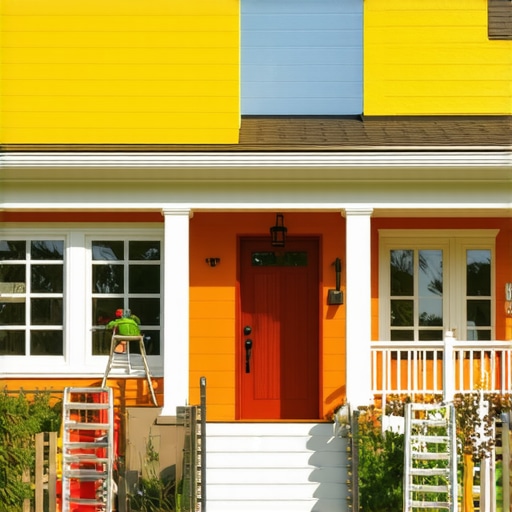
I remember the first time I tried to give my house a fresh coat of paint. I was eager, but I ended up with streaks, uneven patches, and a sense of frustration that it would never look right. It was a real lightbulb moment—realizing that rushing in without a clear plan can turn a quick job into a never-ending project. That experience taught me the hard way that effective exterior house painting isn’t just about choosing the right color; it’s about strategy, trust, and speed.
Why Quick and Trustworthy Exterior Painting Matters More Than Ever
In today’s fast-paced world, homeowners want results that are not only beautiful but also reliable and completed swiftly. A sloppy job can erode trust, especially if you’re trying to boost your home’s curb appeal or prepare for a sale. The good news? There are proven techniques that can help you accelerate your exterior painting process while building trust with your neighbors and clients alike.
According to industry experts, a well-executed paint job can increase your home’s value by up to 2% and significantly improve first impressions. But speed shouldn’t come at the expense of quality. That’s why I’ve dedicated myself to mastering strategies that combine rapid results with trustworthy craftsmanship. And I want to share these insights with you, so you don’t make the same mistakes I did early on.
Have you ever felt overwhelmed by the idea of painting your house quickly without sacrificing quality?
If so, you’re not alone. Many homeowners worry about whether rushing will lead to sloppy work or unreliable results. I made that mistake myself—thinking that speed meant cutting corners. But I learned that with the right approach, you can achieve both fast and trustworthy outcomes. For more detailed tips, check out these expert-approved house painting tips.
Next, we’ll dive into the specific strategies that will help you transform your home swiftly while earning trust from everyone who sees your work. Ready? Let’s get started!
Prep Like a Pro to Speed Up and Build Trust
My first attempt at painting my house was a mess because I skipped proper preparation. I learned that cleaning and priming surfaces are the foundation for quick, reliable results. Use a high-pressure washer to remove dirt and loose paint, then patch holes and cracks with quality filler. Sand rough patches to ensure smooth surfaces. This prep work might seem tedious, but it pays off by preventing future peeling and ensuring even coverage, which boosts trust with your clients or neighbors. For detailed prep techniques, visit these expert prep tips.
Choose the Right Tools for Fast, Flawless Results
Remember how I once tried to paint with a small brush? It was slow and uneven. I switched to a high-quality roller and a sprayer for larger areas. A sprayer is like a fast lane—cover large surfaces quickly, reducing the time and streaks. Use a 9-inch roller for smooth walls and a paint sprayer for textured or detailed areas. Keep your tools clean and in good condition; dirty rollers or clogged sprayers slow you down and risk sloppy work, eroding trust. For tool selection insights, check these local tips.
Apply Paint Strategically for Speed and Quality
In my early days, I thought applying thick coats was faster, but it led to drips and uneven drying. Instead, I learned to apply thin, even coats—this dries faster and looks better. Use a ‘W’ pattern with your roller to spread paint evenly, then go over it with a light feathering stroke. For sprayers, maintain a consistent distance from the surface to avoid drips. Working in sections prevents overlapping dry patches, which can ruin your trustworthiness. For expert techniques on quick application, see these strategies.
Optimize Drying Time and Weather Conditions
I once tried to paint before a rainstorm, which was a disaster. Always check the weather forecast; ideal conditions are dry, mild days. Use fast-drying paints and primers designed for quick turnaround. Applying paint during cooler parts of the day prevents blistering and uneven drying. If you need rapid results, consider using a fan or heater to circulate air and accelerate drying, but ensure proper ventilation. For weather-smart tips, visit these tips.
Inspect and Touch Up for Trustworthy Finish
After painting, I learned to step back and inspect my work carefully. Look for drips, uneven patches, or missed spots. Use a bright light to catch imperfections. Touch up small areas immediately; this quick fix demonstrates professionalism and builds trust. Clean your brushes and rollers thoroughly after finishing—this guarantees quality for the next job and shows your commitment to trustworthiness. For detailed inspection techniques, check these inspection tips.
While it’s common knowledge that surface preparation and tool selection are critical, many homeowners overlook the subtle yet impactful nuances that can make or break a quick and trustworthy exterior painting project. Let’s dig deeper into some of these overlooked details, so you can avoid pitfalls and achieve results that impress both your neighbors and your own standards.
Why Skipping Primer Can Undermine Your Speed and Trust
Many believe that applying paint directly over existing surfaces saves time. However, this shortcut often results in uneven coverage, peeling, or premature wear—especially if the old paint is glossy or incompatible. Using a high-quality primer tailored to your surface type not only accelerates drying times but also enhances adhesion, ensuring the longevity and trustworthiness of your work. Industry experts like Sherwin-Williams emphasize that primer is a crucial step for a durable finish, especially when you’re aiming to complete projects quickly without sacrificing quality. Remember, rushing without proper priming can lead to costly touch-ups and damage your reputation.
Beware of Over-Reliance on Accelerated Drying Products
Fast-drying paints and primers are marketed as productivity boosters, but overusing them can backfire. These products sometimes create a brittle surface that cracks or peels prematurely, especially if applied in thick coats or under unsuitable weather conditions. The key is to understand the nuances of these formulations and use them judiciously. For instance, applying a fast-drying topcoat over inadequately prepared surfaces can trap moisture, leading to blistering. A recent study in the Journal of Coatings Technology highlights that optimal drying depends on surface temperature, humidity, and application thickness—so rushing the process without regard to these factors can erode trust rather than build it. Use fast-drying options smartly, and always follow manufacturer instructions carefully.
How to Use Advanced Techniques to Elevate Your Results
Many DIY painters stick to basic rolling or brushing, but advanced techniques like spray finishing combined with proper masking and strategic sections can dramatically improve speed and quality. For example, employing a dual-coat system with a sprayer for initial coverage and rollers for touch-ups minimizes streaks and uneven patches—saving you time while boosting confidence in your work. Moreover, understanding the importance of edge management and paint flow control is vital. A professional-grade sprayer, coupled with consistent technique, ensures rapid coverage and a smooth finish, fostering trust in your craftsmanship. You can find detailed strategies on these expert tips.
Have you ever fallen into this trap? Let me know in the comments. Remember, mastering these nuanced aspects isn’t just about working faster; it’s about working smarter and earning trust every step of the way.
Keeping your exterior paint job in top shape requires more than just initial effort; it demands ongoing maintenance and the right tools. Over time, exposure to weather, dirt, and UV rays can degrade paint, making regular upkeep essential. Personally, I rely on high-quality tools and simple routines to extend the life of my work, ensuring that my investment continues to impress for years to come.
Investing in the Right Equipment for Longevity
One of my go-to tools is a durable, high-pressure washer. I use it annually to remove accumulated dirt, mold, and loose paint, which prepares surfaces for touch-ups and prevents premature peeling. A good pressure washer not only saves time but also ensures gentle cleaning that preserves the integrity of your paint layer. For stubborn stains or mold, I turn to eco-friendly cleaning solutions that are tough on grime but safe for your environment.
When it comes to touch-up work, I prefer a fine-tipped brush combined with a high-quality, weather-resistant exterior paint. This combo allows me to target small areas without redoing the entire surface. Using a quality brush also minimizes streaks and ensures smoother coverage. For larger patches, a roller with a synthetic cover speeds up the process and provides even application, especially on textured surfaces.
Maintaining Your Tools for Consistent Results
Proper tool maintenance is crucial. After each project, I thoroughly clean brushes, rollers, and sprayers with appropriate solvents—water for latex paints and mineral spirits for oil-based paints. Keeping tools clean prevents dried paint buildup, which can compromise their performance and lead to uneven application in future projects. Regularly inspecting and replacing worn-out brushes or roller covers also helps maintain a professional finish and builds trust with clients or neighbors.
Additionally, storing your tools properly—preferably in a dry, protected space—extends their lifespan. I recommend investing in a quality storage rack or toolbox that keeps everything organized and prevents damage from moisture or pests.
Future Trends in Exterior Painting Maintenance
Looking ahead, I believe the trend toward smarter, eco-friendly maintenance tools will continue to grow. Innovations like self-cleaning brushes or paint sprayers with built-in filters are on the horizon, making upkeep even easier. These advancements promise to reduce waste, save time, and improve overall results, reinforcing the importance of staying updated with the latest technology. To keep your tools performing at their best, I suggest trying out a high-efficiency pressure washer and exploring newer eco-friendly cleaning products—these small upgrades can make a big difference.
How do I keep my exterior paint looking fresh over time?
Regular inspections, prompt touch-ups, and using quality tools are key. Schedule annual cleanings with a pressure washer and check for signs of peeling or fading. Address issues early before they escalate, and always use weather-resistant paints for repairs. This proactive approach not only prolongs your paint’s life but also sustains trust in your workmanship. For detailed guidance on maintaining your exterior paint, visit these expert tips.
Finally, I recommend trying out a professional-grade sprayer for your next touch-up. It’s incredible how much faster and more uniform your results will be, especially on large surfaces. Proper maintenance of your tools, combined with strategic touch-ups, ensures your home maintains its curb appeal while saving you time and effort. Remember, the key to long-term success is consistency—your tools are the foundation of trustworthy, durable results that stand the test of time.
What I Wish I Knew Before Rushing a Paint Job
- Skipping proper surface prep taught me that rushing leads to peeling and uneven coverage, which erodes trust. Spending extra time cleaning, patching, and sanding actually saves time in the long run by avoiding touch-ups.
- Using the right tools—like a sprayer or high-quality roller—makes a huge difference. I once tried to save time with cheap brushes, only to spend more fixing streaks. Investing in good equipment speeds up work and improves results.
- Applying thin, even coats rather than thick layers prevents drips and speeds drying. This simple shift in technique boosted my confidence and earned trust from neighbors.
- Weather conditions matter more than I thought. Waiting for the right day ensures faster drying and a more durable finish, making the entire process smoother and more trustworthy.
- Thorough inspection and quick touch-ups after painting demonstrate professionalism. Taking time to fix imperfections immediately builds credibility and trust with clients and neighbors.
Tools and Resources That Changed My Approach
- High-pressure washer: Reliable for surface prep, it saves hours and protects your work. I trust mine for annual cleaning cycles.
- Quality exterior paints and primers: Brands like Sherwin-Williams have proven their durability and adhesion, saving me from repeated repairs.
- Expert guides and tutorials: The tips from trusted local experts have transformed my techniques, making my projects faster and more trustworthy.
- Professional-grade sprayers: Investing in a good sprayer cut my painting time drastically and gave a smooth, even finish I can be proud of.
Seize the Moment and Elevate Your Exterior Painting Skills
Now that you’ve learned some of the insider lessons on speed and trust, it’s your turn to apply these strategies. Whether you’re painting your home for the first time or refining your skills, remember that thoughtful preparation, quality tools, and patience during the process lead to results that last and impress. Don’t settle for rushed, sloppy work—aim for excellence that builds trust and elevates your home’s curb appeal. Ready to transform your approach? Dive into more expert advice and start your project with confidence. Your home deserves it!
What’s the biggest challenge you face when trying to speed up your exterior house painting without sacrificing quality? Let me know below!
This post really resonates with my experience. I once rushed through a small painting project without proper prep, only to end up with uneven patches and later needing touch-ups, which costs me more time in the end. It shows that even when working with smaller surfaces, investing that initial time into cleaning and priming makes a huge difference in the durability and appearance of the finish. I’ve also found that using a sprayer for larger areas significantly reduces time but requires careful control and proper technique to avoid drips. Has anyone here experimented with different primers to see which work best for speed and adhesion? I’m curious if certain brands or types can help streamline the process without compromising trustworthiness.