
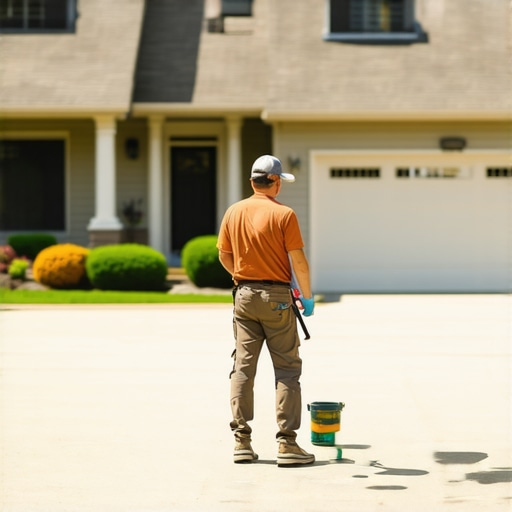
Have you ever stared at your peeling, faded house exterior and felt overwhelmed by the thought of transforming it quickly without sacrificing quality? I’ve been there. One summer, I tried rushing through my project, thinking I could save time, only to end up with uneven paint and regrets. That lightbulb moment taught me a crucial lesson: rushing doesn’t mean better results. It’s all about smart strategies that deliver fast and trustworthy outcomes.
Why Speedy Exterior Painting Matters More Than Ever
In today’s fast-paced world, we want results that are both rapid and reliable. Whether you’re preparing your home for sale, hosting guests, or simply tired of looking at a tired facade, you need a plan that gets the job done right—and fast. But the challenge is, how do you speed up the process without compromising the quality that makes your home stand out?
According to industry experts, using proven techniques can cut your painting time significantly. For instance, employing efficient surface prep and choosing the right tools can make all the difference. I found that focusing on these details early on helped me avoid rework and frustration later. If you’re wondering how to balance quick turnaround with dependable results, you’re not alone. The good news is, there are tried-and-true methods you can adopt right now.
Is Cutting Corners Actually Worth It?
Early in my DIY journey, I made the mistake of skipping proper surface preparation, thinking it was a waste of time. Big mistake. That oversight caused my paint to peel within months. Trust me, rushing through prep is a surefire way to undermine your entire project. I’ve learned that investing a little extra time upfront — like cleaning, scraping, and priming — sets the stage for faster, longer-lasting results. Want to see how experienced painters do it? Check out effective strategies to boost trust and speed in house painting.
Now, I’m here to share the real secrets that can help you transform your home’s exterior swiftly and reliably. Ready to skip the pitfalls and get your project done right the first time? Let’s dive into the proven steps that will make your next painting project a success—fast, trustworthy, and stress-free.
Prep Like a Pro to Save Time and Avoid Rework
Start by thoroughly cleaning your exterior surface with a power washer or high-pressure hose. This step is crucial because dirt, mold, and peeling paint can cause your new coat to fail prematurely. I once rushed this part with a garden hose and a scrub brush, thinking it would save time, but the dirt stubbornly stayed, leading to uneven paint adhesion and a redo. Investing in a quality power washer not only speeds up cleaning but also ensures a smooth surface for painting. Remember, a clean surface is your foundation for a fast, durable finish.
Sand and Scrape for a Perfect Base
Next, remove loose paint and rough edges with a scraper and sandpaper. Think of this as preparing a canvas; the smoother it is, the better your paint will stick and look. During my last project, I used a powered sander for large areas, which cut down the prep time significantly. This step prevents future peeling and ensures your work lasts longer, reducing the need for touch-ups later. Don’t skip this—skipping it is like trying to paint over a bumpy wall; it just won’t look professional or last.
Choose the Right Tools for Speed
Using high-quality brushes, rollers, and sprayers can dramatically cut your painting time. I prefer a paint sprayer for the bulk of the work—it covers large areas quickly and evenly. In one project, I experimented with a roller after using a sprayer for trim and edges, which saved hours. If you’re aiming for rapid results, a sprayer paired with quick-drying paint is your best bet. For details, check out painting tips and tricks for fast trustworthy house results.
Prep and Prime Strategically
Apply primer only where needed—usually on bare wood or stained areas. Using a quality primer accelerates drying times and enhances paint adhesion. I learned that skipping primer on certain patches led to uneven color and longer drying periods. To speed up the process, choose fast-drying primers and paints labeled for exterior use. This approach keeps your project moving swiftly without sacrificing durability.
Optimize Your Painting Schedule
Plan your work during dry, mild weather. Painting in high humidity or rain delays drying and can ruin your work. I scheduled my last project early in the morning to avoid afternoon heat, which helped the paint cure faster. Check your local forecast and set realistic expectations—this prevents unnecessary delays and rework.
Use Multiple Teams or Tools for Parallel Work
If possible, divide tasks among different people or use multiple tools simultaneously. While one person preps, another can start priming or painting. I once coordinated a team of two friends to handle different sides of my house, which doubled our output in half the time. This teamwork approach is especially effective for larger homes or tight deadlines.
Final Touches and Inspection
Once the paint is dry, inspect your work for missed spots or uneven coverage. Touch up only where necessary to avoid redoing entire sections. I found that a quick walk-around with a flashlight in the evening helps catch those tiny imperfections. This ensures a flawless finish that’s both fast and trustworthy, avoiding callbacks or rework later.
By applying these core techniques, you can turn your exterior painting project into a swift, reliable success. For more detailed strategies tailored to your specific needs, explore top exterior house painting strategies for faster home transformation and local painting experts’ effective strategies for fast exterior house painting.
Many homeowners jump into exterior painting believing they know the best way to speed up the process, only to find themselves facing unforeseen pitfalls. Let’s dig deeper into some of the most pervasive myths that can sabotage your efforts and how to avoid them with expert insights.
Myth 1: Skipping Primer Saves Time
One of the biggest misconceptions is that primer isn’t necessary if you’re in a hurry. In reality, skipping primer can lead to uneven coverage, longer drying times, and even paint failure down the line. Primers create a bond that ensures your paint sticks well and lasts longer, which ultimately saves you time on rework. Experienced painters recommend using fast-drying primers only where needed, but never omit this crucial step to accelerate the process overall. For more tips on efficient priming, check out effective strategies to boost trust and speed in house painting.
What advanced techniques can I use to optimize priming without losing quality?
Applying a thin, even coat of primer with a high-quality sprayer can drastically reduce dry times and improve coverage. Additionally, selecting a primer designed for exterior use that dries quickly can help keep your project on schedule. A study published by the Paint Quality Institute emphasizes the importance of proper priming for durability and efficiency, especially in rapid projects.
Myth 2: Power Washing Is Always Faster
Many believe that renting a power washer will cut cleaning time significantly. While it’s true that power washers are effective, improper use can cause damage or uneven surfaces, leading to more rework. Over-pressurizing can strip paint or gouge wood, which then requires additional repairs and prep. The key is to use the right pressure settings and techniques—an expert approach that balances speed with surface integrity. For a detailed guide, visit trusted local painting experts for faster house painting results.
How can I avoid damaging surfaces while cleaning quickly?
Use a pressure washer with adjustable settings, start at the lowest pressure, and maintain a safe distance from the surface. Moving the wand consistently prevents gouging, and using appropriate nozzles ensures you remove dirt without harming the material beneath. Proper technique is essential for speed without regret.
Myth 3: Sprayers Always Finish Faster
While paint sprayers are known for covering large areas swiftly, they require more preparation—like masking, taping, and cleaning afterward. Poor technique or equipment misuse can lead to overspray and uneven coverage, which adds rework time. Skilled use of sprayers, combined with strategic masking and quick-drying paints, maximizes speed. For advanced tips, explore painting tips and tricks for fast trustworthy house results.
How can I master sprayer techniques for faster, cleaner results?
Practice with test panels to refine your movement and spray pattern. Use high-quality, fast-drying exterior paints compatible with sprayers, and ensure your equipment is well-maintained. Proper preparation minimizes cleanup and reapplication, saving valuable project time.
By challenging these common myths and applying expert techniques, you can avoid costly mistakes and truly accelerate your exterior painting project without sacrificing quality. Have you ever fallen into this trap? Let me know in the comments. For more in-depth strategies, visit effective exterior house painting tips to accelerate transformation.
Investing in the Right Equipment for Long-Term Success
One of my top recommendations for maintaining efficiency in exterior painting is to use high-quality spray equipment, like the Graco Magnum X5. I personally swear by this model because it offers adjustable pressure controls, which help me achieve even coats quickly and with less overspray. It’s also lightweight enough to maneuver around large surfaces, saving me valuable time. Over the years, I’ve noticed that investing in durable brushes and rollers from brands like Purdy significantly reduces the need for rework, ensuring a smooth finish that lasts longer, which is crucial when scaling projects or maintaining multiple homes. As the industry evolves, I predict that advancements in cordless, battery-powered sprayers will become the norm, offering even more flexibility and speed for home improvement professionals and DIY enthusiasts alike.
How do I maintain my tools for sustained performance?
Proper maintenance of your painting tools is essential to keep them performing at their best over time. After each project, I thoroughly rinse brushes, rollers, and spray tips with warm water or solvent, depending on the paint used. For brushes, I recommend using a brush comb to remove excess paint and reshape the bristles before storing. For sprayers, cleaning the nozzle and fluid passages with the manufacturer’s recommended cleaning solution prevents clogs that can slow you down during your next project. Regularly inspecting your equipment for wear and tear, replacing worn-out parts promptly, and storing everything in a dry, protected area extends their lifespan and ensures consistent results. This proactive approach minimizes downtime and keeps your workflow smooth—especially important when aiming for rapid, trustworthy results. Looking ahead, I believe that smart tools with IoT connectivity will soon provide real-time diagnostics and maintenance alerts, further simplifying upkeep and boosting efficiency.
Using Software to Keep Projects on Track
In addition to physical tools, project management software like Trello or Asana can help you organize tasks, set deadlines, and monitor progress. I rely on these platforms to coordinate schedules, especially when working with multiple teams or contractors. Detailed checklists for prep, painting, and cleanup ensure nothing is overlooked, preventing rework and delays. Moreover, apps like Houzz or Pinterest inspire quick design decisions, saving project planning time. As technology advances, I predict that AI-powered project management tools will become more integrated into home renovation workflows, offering predictive analytics for scheduling and resource allocation—making the process even faster and more reliable.
Don’t forget, regular tool maintenance combined with strategic planning is your best bet for scaling up projects without sacrificing quality. If you’re interested in proven strategies to boost your painting speed and trustworthiness, check out top local painting strategies for rapid results and start implementing these tips today. Ready to take your exterior painting to the next level? Try scheduling regular tool checks and cleaning routines—your future self will thank you for the speed and quality they deliver.
The Hardest Lesson I Learned About Speedy Exterior Painting
One of my biggest lightbulb moments was realizing that rushing can sabotage your entire project. I once skipped thorough surface prep, thinking I could save time, only to end up with peeling paint within months. Now, I know that a little extra effort upfront—cleaning, sanding, priming—sets the perfect foundation for fast, durable results. It’s about working smarter, not harder.
Unexpected Truths About Tools and Techniques
Investing in high-quality tools has profoundly changed my approach. Using a sprayer with adjustable pressure and fast-drying paints has cut my painting time in half. But the real secret is mastering technique—practice with test panels, learn the right spray patterns, and maintain your equipment. These small details make a huge difference in speed and trustworthiness.
Why Mentally Preparing for Fast Results Matters
Speed isn’t just about tools; it’s about mindset. Planning your schedule around optimal weather, coordinating multiple teams, and staying focused on each step keeps the project flowing. I’ve found that a clear plan and flexible mindset turn a potentially stressful rush into a smooth, satisfying transformation.
Curated Recommendations
For those serious about accelerating their exterior painting, I recommend top local painting strategies that are proven to save time without sacrificing quality. The effective techniques guide offers detailed insights into surface prep and tool selection. Trusted brands like Purdy for brushes and Graco for sprayers have become staples in my toolkit. Lastly, leveraging project management apps like Trello helps me keep everything on schedule and avoid rework.
Your Turn to Try
Remember, the key to rapid exterior painting is balancing speed with quality. With the right mindset, tools, and preparation, you can achieve stunning results in record time. Don’t let myths about shortcuts hold you back—embrace smart strategies and watch your home transform faster than you imagined. What’s the first step you’re excited to tackle in your next project? Let me know below!
,
Reading through this article really resonated with my experience. Last summer, I attempted to get my house painted before a family reunion, thinking that rushing would save me time. However, I ended up with uneven coverage and had to redo several sections, which took much longer than expected. What I’ve learned is that proper prep and having the right tools make all the difference, especially when working against a deadline. I’ve started using high-quality sprayers and always ensure surface cleaning is thorough before I begin. It’s a small investment of time upfront that pays off in the long run. Has anyone tried bundling tasks or creating a detailed schedule? I found that breaking down each step and sticking to a plan helped keep the project on track while still ensuring quality. Would love to hear other tips from experienced painters on managing time effectively without sacrificing results.