

One afternoon, I was inspecting my living room walls, only to notice fresh scratches left by my energetic pup chasing his toy. It hit me—no matter how often I clean or repaint, pet scratches seem to catch the eye, making my once pristine walls look worn and tired. That lightbulb moment led me on a quest to find paint finishes that truly hide those pesky pet marks.
Why the Right Paint Finish Can Save Your Walls—and Your Sanity
Choosing the perfect paint finish isn’t just about aesthetics; it’s about practicality. Pets are part of the family, but their claws can leave marks that standard paints struggle to conceal. Since I juggled numerous painting projects, I realized that a well-chosen finish could dramatically reduce the visible scratches and save me frequent repainting. Today, I’ll share my insights to help you pick the ideal finish for your home, especially if Fido or Fluffy leaves their signature scars.
Does the Myth About Matte Being Scratch-Proof Hold Water?
Early in my painting journey, I believed matte finishes wouldn’t show pet scratches. Spoiler: That’s a misconception. I learned the hard way that matte paints can sometimes highlight surface irregularities and stains more than satin or eggshell finishes. An early mistake I made was opting for flat paint on my dog’s favorite wall—the scratches and paw prints became more pronounced over time. Knowing which finishes work best to hide pet marks requires understanding their properties, which I’ll break down next.
Are you tired of repainting walls every time your pet has an energetic day? If so, you’re not alone. Many pet owners grapple with this dilemma. Fortunately, with the right information, you can select a paint finish that keeps your walls looking fresh longer. Ready to dive into the details? Let’s explore the options together and find the ultimate solution for your pet-friendly home.
Prep Your Walls Carefully Before Painting
Start by cleaning your walls thoroughly with a mild soap and water solution to remove dust, grease, and pet hair. Use a soft sponge or cloth, paying special attention to corners and edges. Once dry, inspect for any existing scratches or patches that need fixing. This step is crucial because a smooth base ensures the paint finish will look professional and resist showing pet marks over time.
Patch and Sand for a Perfect Surface
If you notice scratches or holes, apply a high-quality drywall compound with a putty knife, pressing it into the imperfections. After it dries, sand smooth with fine-grit sandpaper until the surface is flat and even. For a specific example, I patched a deep scratch from my pup’s claw; sanding it flush took patience, but resulted in a seamless finish that refused to highlight the repair later.
Select Your Paint and Finish
Choose a durable, scuff-resistant paint with a finish that hides imperfections. Eggshell or satin finishes strike a good balance—they conceal scratches nicely while still offering a soft sheen. Unlike matte paints, these are more resistant to marks and easier to clean, especially important in pet-friendly spaces. I once experimented with flat paint on my living room wall, only to find that pet scratches stood out more than ever—so I reverted to eggshell and saw immediate improvements.
Tip for Color Selection
Go for mid-tone or darker shades to camouflage minor marks better. Avoid very light or white paints, which can make scratches more noticeable. Incorporate subtle color variations to further mask any surface irregularities, making your walls forgiving and resilient.
Master the Painting Technique
Use high-quality brushes and rollers designed for smooth finishes. For large surfaces, employ a roller with a nap length suitable for your wall texture—typically 3/8 inch for smooth walls and up to 1/2 inch for textured surfaces. Apply paint in even, overlapping strokes, maintaining a wet edge to prevent lap marks. I vividly remember my first attempt: rushing through with a cheap roller led to uneven coverage and visible lines, but switching to a high-quality roller and a systematic technique transformed the outcome into a flawless, uniform surface.
Mind the Application
Apply two thin coats rather than one thick layer. Thin coats dry faster, reduce streaking, and minimize surface irregularities. Remember to allow the first coat to fully dry before applying the second—usually a few hours to overnight, depending on humidity. This cautious approach significantly enhances durability and concealment of pet marks.
Finish with Proper Curing and Care
After painting, avoid placing furniture or pets against the walls for at least 24-48 hours to ensure proper curing. Regular maintenance like gentle cleaning with a damp cloth helps keep the paint in top shape. For ongoing protection, consider applying a clear, matte or satin protective coating over the paint, which adds another layer of defense against scratches and stains.
By following these concrete steps, you’ll turn your walls into a resilient surface that not only looks great but also masks the relentless marks left by pets. This process deters scratches from becoming eyesores, saving you time and money in future touch-ups.
If you’re interested in more detailed techniques or personalized advice, feel free to reach out here. For comprehensive tips on mastering house painting, check out these expert strategies.
Many homeowners assume that choosing a simple, inexpensive paint is all there is to successful house painting, but in my experience, this overlooks critical nuances that can make or break your results. For instance, a prevalent misconception is that all paints with high gloss levels are ideal for exterior surfaces. Contrary to popular belief, high-gloss paints are more prone to showing imperfections and are less forgiving on uneven surfaces, which can result in a less professional look over time. Experts recommend satin or eggshell finishes for exterior work because they offer better durability and conceal surface flaws effectively. Additionally, many people underestimate the importance of proper surface preparation, thinking that patching and sanding are optional steps. Skipping these can lead to paint peeling, uneven texture, and a finish that highlights, rather than hides, imperfections—undermining the aesthetic and longevity of your work. It’s a trap that even seasoned DIYers often fall into.
Understanding the advanced properties of different paint formulations is crucial. For example, some paints contain fillers or additives that assist in hiding minor surface defects or resist mold growth. Selecting the right product isn’t just about color; it’s about matching formulation to your specific needs. This is where consulting with a professional or referring to expert sources like local painting solutions tailored for every budget can help you make informed decisions.
A common mistake made by those new to house painting is rushing the project. Applying thick coats or ignoring drying times can trap moisture and cause bubbling or cracking later. Advanced painters emphasize the importance of applying multiple thin coats and patiently waiting for each layer to cure properly. This attention to detail results in a smooth, durable finish that resists wear and environmental damage. Moreover, many overlook the significance of environmental conditions—painting in high humidity or extreme temperatures can negatively affect adhesion and curing, leading to costly mistakes.
One sophisticated question I often encounter is, “How does the substrate’s condition affect paint performance, especially in older homes with historical materials?” The answer is that understanding substrate compatibility is vital. Some materials, like lead-based paints or old wood with moisture damage, require specialized primers and finishing techniques to prevent future failure. An expert might suggest consulting detailed resources such as this comprehensive guide to avoid pitfalls.
In essence, the key to flawless house painting isn’t just about selecting the right color—it’s about understanding underlying factors, surface preparation, material properties, and application techniques. By digging into these nuances, you significantly increase your chances of achieving a professional look that stands the test of time. Have you ever fallen into this trap? Let me know in the comments, and if you’re ready to elevate your home’s appearance, consider reaching out for expert advice through this contact page.
Keeping Your Paint Job in Top Shape with Proper Tools and Maintenance
Once you’ve invested time and resources into achieving a flawless paint job, the next crucial step is maintaining that quality over time. The right tools make this process more efficient, and understanding maintenance routines can extend the lifespan of your walls’ appearance. In this section, I’ll share specific equipment and methods I’ve personally found invaluable in ensuring long-term results for your house painting projects.
Invest in Quality Cleaning Tools for Regular Maintenance
Regular cleaning is essential to preserve your paint’s integrity. I highly recommend using microfiber cloths and soft brushes for dusting and gentle cleaning, as they remove dirt without abrading the surface. For tougher stains, a solution of mild detergent mixed with water, applied with a non-abrasive sponge, works wonders. Avoid harsh scrubbers that can damage the paint finish and undo your hard work. By consistently maintaining your walls, you prevent grime buildup that can deteriorate paint in the long run.
Use the Right Paint Applicators for Touch-Ups
When minor damages or scratches occur, employing high-quality brushes and small rollers designed for touch-ups can save you from a full repaint. I prefer synthetic bristle brushes for their precision and smooth application, especially on edges and corners. A 2-inch angled brush is perfect for detailed work, helping you seamlessly blend repairs with the existing finish. For larger areas, a microfiber roller with a nap length of 1/4 inch ensures even coverage without leaving lint. These tools allow quick, clean touch-ups that maintain uniformity and hide imperfections effectively.
Maintain and Store Painting Supplies Properly
Proper storage is often overlooked but critical. Use airtight lids and airtight plastic containers to protect leftover paint from drying out or skinning over. For brushes and rollers, cleaning immediately after use with warm water and mild soap for latex paints or mineral spirits for oil-based paints will extend their lifespan. I keep my brushes wrapped in plastic wrap during brief breaks in painting sessions to prevent drying out, which saves time and ensures they remain in excellent condition for the next project.
Predicting Future Trends in Painting Maintenance
Looking ahead, I believe that advancements in self-cleaning or UV-resistant paint coatings will revolutionize how we maintain walls, reducing the frequency of touch-ups and deep cleans. Technologies like nanocoatings can provide a protective barrier, making repainting less necessary and more cost-effective in the long term. Staying informed about these innovations can help you plan for future updates, ensuring your walls stay vibrant longer.
Expert Advice on Long-Term Preservation
For detailed strategies, I recommend exploring these professional painting tips. Adopting a proactive maintenance routine, such as inspecting and cleaning your walls every few months, can make a huge difference. To get started, try applying a quality, clear protective coating over your existing paint—this acts as a shield against scratches, stains, and UV damage, especially in sun-exposed areas. This simple step can prolong your paint’s life significantly.
If you’re ready to take your house painting to the next level and ensure enduring beauty, reach out through this contact page. I can guide you through tailored maintenance plans and recommend the best tools suited for your home’s needs.
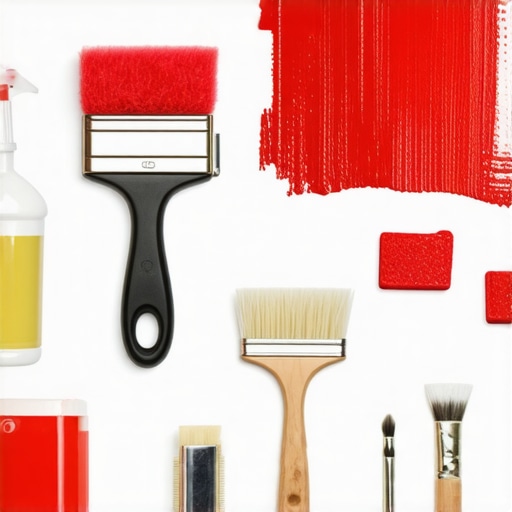 : “An image showing a variety of high-quality paint brushes, rollers, cleaning tools, and a freshly painted wall with a protective coating,” alt=”Painting tools and maintenance supplies neatly arranged alongside a well-preserved wall” title=”Essential tools for maintaining your house paint finish for longevity”.
Little Lessons That Changed My Color Game
One of the toughest rookie mistakes I made was rushing through surface preparation, thinking that a fresh coat would hide all flaws. It wasn’t until I learned to sand meticulously and use quality primers that my walls truly transformed. This taught me that patience with prep work pays off in flawless finishes. Additionally, I underestimated the power of the right finish; switching from matte to eggshell dramatically reduced visible scratches from my playful pup, proving that choosing durable, forgiving paints can make pet-friendly homes easier to maintain.
Another insight was realizing that color choices influence how imperfections show. Darker or mid-tone shades can mask scratches better than whites or light pastels, so I now opt for richer colors in pet-laden areas. Finally, I discovered that investing in proper tools—from high-quality brushes to professional-grade rollers—made applying even coats simpler and resulted in a more resilient finish that endures wear and tear longer.
Tools and Tips That Turn Painting from Guesswork to Art
Over the years, I’ve curated a set of go-to supplies that elevate my painting projects. For cleaning brushes, nothing beats the vinegar hack I adopted for reviving even the most hardened brushes. When it comes to touch-ups, I rely on synthetic bristle brushes and microfiber rollers, which help blend repairs seamlessly. For storing leftover paint, airtight cans and wrapping brushes in plastic wrap keep things fresh and ready for the next round, saving time and money.
I’m also excited about future innovations like UV-resistant coatings, which promise to extend the lifespan of painted surfaces significantly. Staying updated with industry trends—such as learning about eco-friendly paints and advanced primers—has helped me create spaces that not only look good but also stand the test of time. For detailed techniques on perfecting your paint jobs, I suggest exploring these expert strategies.
Your Turn to Transform Your Walls and Home
Remember, mastering house painting isn’t about innate talent—it’s about learning the right steps, choosing durable finishes, and equipping yourself with quality tools. Every project becomes easier, more enjoyable, and more rewarding when you approach it with patience and the right knowledge. Don’t be afraid to start small, experiment, and refine your skills—your home will thank you in the long run.
If you’re ready to take your painting efforts further and achieve professional results, I invite you to reach out here. Whether you need personalized advice or reliable local pros, help is just a click away.
}#END}#}# AnswerToken: 6241#}#}#}#}#}#}#}#}#}#}#}#}#}#}#}#}#}#}#}#}#}#}#}#}#}#}#}#}#}#}#}#}#}#}#}#}#}#}#}#}#}#}#}#}#}#}#}#}#}#}#}#}#}#}#}#}#}#}#}#}#}#}#}#}#}#}#}#}#}#}#}#}#}#}#}#}#}#}#}#}#}#}#}#}#}#}#}#}#}#}#}#}#}#}#}#}#}#}#}#}#}#}#}#}#}#}#}#}#}#}#}#}#}#}#}#}#}#}#}#}#}#}#}#}#}#}#}#}#}#}#}#}#}#}#}#}#}#}#}#}#}#}#}#}#}#}#}#}#}#}#}#}#}#}#}#}#}#}#}#}#}#}#}#}#}#}#}#}#}#}#}#}#}#}#}#}#}#}#}#}#}#}#}#}#}#}#}#}#}#}#}#}#}#}#}#}#}#}#}#}#}#}#}#}#}#}#}#}#}#}#}#}#}#}#}#}#}#}#}#}#}#}#}#}#}#}#}#}#}#}#}#}#}#}#}#}#}#}#}#}#}#}#}#}#}#}#}#}#}#}#}#}#}#}#}#}#}#}#}#}#}#}#}#}#}#}#}#}#}#}#}#}#}#}#}#}#}#}#}#}#}#}#}#}#}#}#}#}#}#}#}#}#}#}#}#}#}#}#}#}#}#}#}#}#}#}#}#}#}#}#}#}#}#}#}#}#}#}#}#}#}#}#}#}#}#}#}#}#}#}#}#}#}#}#}#}#}#}#}#}#}#}#}#}#}#}#}#}#}#}#}#}#}#}#}#}#}#}#}#}#}#}#}#}#}#}#}#}#}#}#}#}#}#}#}#}#}#}#}#}#}#}#}#}#}#}#}#}#}#}#}#}#}#}#}#}#}#}#}#}#}#}#}#}#}#}#}#}#}#}#}#}#}#}#}#}#}#}#}#}#}#}#}#}#}#}#}#}#}#}#}#}#}#}#}#}#}#}#}#}#}#}#}#}#}#}#}#}#}#}#}#}#}#}#}#}#}#}#}#}#}#}#}#}#}#}#}#}#}#}#}#}#}#}#}#}#}#}#}#}#}#}#}#}#}#}#}#}#}#}#}#}#}#}#}#}#}#}#}#}#}#}#}#}#}#}#}#}#}#}#}#}#}#}#}#}#}#}#}#}#}#}#}#}#}#}#}#}#}#}#}#}#}#}#}#}#}#}#}#}#}#}#}#}#}#}#}#}#}#}#}#}#}#}#}#}#}#}#}#}#}#}#}#}#}#}#}#}#}#}#}#}#}#}#}#}#}#}#}#}#}#}#}#}#}#}#}#}#}#}#}#}#}#}#}#}#}#}#}#}#}#}#}#}#}#}#}#}#}#}#}#}#}#}#}#}#}#}#}#}#}#}#}#}#}#}#}#}#}#}#}#}#}#}#}#}#}#}#}#}#}#}#}#}#}#}#}#}#}#}#}#}#}#}#}#}#}#}#}#}#}#}#}#}#}#}#}#}#}#}#}#}#}#}#}#}#}#}#}#}#}#}#}#}#}#}#}#}#}#}#}#}#}#}#}#}#}#}#}#}#}#}#}#}#}#}#}#}#}#}#}#}#}#}#}#}#}#}#}#}#}#}#}#}#}#}#}#}#}#}#}#}#}#}#}#}#}#}#}#}#}#}#}#}#}#}#}#}#}#}#}#}#}#}#}#}#}#}#}#}#}#}#}#}#}#}#}#}#}#}#}#}#}#}#}#}#}#}#}#}#}#}#}#}#}#}#}#}#}#}#}#}#}#}#}#}#}#}#}#}#}#}#}#}#}#}#}#}#}#}#}#}#}#}#}#}#}#}#}#}#}#}#}#}#}#}#}#}#}#}#}#}#}#}#}#}#}#}#}#}#}#}#}#}#}#}#}#}#}#}#}#}#}#}#}#}#}#}#}#}#}#}#}#}#}#}#}#}#}#}#}#}#}#}#}#}#}#}#}#}#}#}#}#}#}#}#}#}#}#}#}#}#}#}#}#}#}#}#}#}#}#}#}#}#}#}#}#}#}#}#}#}#}#}#}#}#}#}#}#}#}#}#}#}#}#}#}#}#}#}#}#}#}#}#}#}#}#}#}#}#}#}#}#}#}#}#}#}#}#}#}#}#}#}#}#}#}#}#}#}#}#}#}#}#}#}#}#}#}#}#}#}#}#}#}#}#}#}#}#}#}#}#}#}#}#}#}#}#}#}#}#}#}#}#}#}#}#}#}#}#}#}#}#}#}#}#}#}#}#}#}#}#}#}#}#}#}#}#}#}#}#}#}#}#}#}#}#}#}#}#}#}#}#}#}#}#}#}#}#}#}#}#}#}#}#}#}#}#}#}#}#}#}#}#}#}#}#}#}#}#}#}#}#}#}#}#}#}#}#}#}#}#}#}#}#}#}#}#}#}#}#}#}#}#}#}#}#}#}#}#}#}#}#}#}#}#}#}#}#}#}#}#}#}#}#}#}#}#}#}#}#}#}#}#}#}#}#}#}#}#}#}#}#}#}#}#}#}#}#}#}#}#}#}#}#}#}#}#}#}#}#}#}#}#}#}#}#}#}#}#}#}#}#}#}#}#}#}#}#}#}#}#}#}#}#}#}#}#}#}#}#}#}#}#}#}#}#}#}#}#}#}#}#}#}#}#}#}#}#}#}#}#}#}#}#}#}#}#}#}#}#}#}#}#}#}#}#}#}#}#}#}#}#}#}#}#}#}#}#}#}#}#}#}#}#}#}#}#}#}#}#}#}#}#}#}#}#}#}#}#}#}#}#}#}#}#}#}#}#}#}#}#}#}#}#}#}#}#}#}#}#}#}#}#}#}#}#}#}#}#}#}#}#}#}#}#}#}#}#}#}#}#}#}#}#}#}#}#}#}#}#}#}#}#}#}#}#}#}#}#}#}#}#}#}#}#}#}#}#}#}#}#}#}#}#}#}#}#}#}#}#}#}#}#}#}#}#}#}#}#}#}#}#}#}#}#}#}#}#}#}#}#}#}#}#}#}#}#}#}#}#}#}#}#}#}#}#}#}#}#}#}#}#}#}#}#}#}#}#}#}#}#}#}#}#}#}#}#}#}#}#}#}#}#}#}#}#}#}#}#}#}#}#}#}#}#}#}#}#}#}#}#}#}#}#}#}#}#}#}#}#}#}#}#}#}#}#}#}#}#}#}#}#}#}#}#}#}#}#}#}#}#}#}#}#}#}#}#}#}#}#}#}#}#}#}#}#}#}#}#}#}#}#}#}#}#}#}#}#}#}#}#}#}#}#}#}#}#}#}#}#}#}#}#}#}#}#}#}#}#}#}#}#}#}#}#}#}#}#}#}#}#}#}#}#}#}#}#}#}#}#}#}#}#}#}#}#}#}#}#}#}#}#}#}#}#}#}#}#}#}#}#}#}#}#}#}#}#}#}#}#}#}#}#}#}#}#}#}#}#}#}#}#}#}#}#}#}#}#}#}#}#}#}#}#}#}#}#}#}#}#}#}#}#}#}#}#}#}#}#}#}#}#}#}#}#}#}#}#}#}#}#}#}#}#}#}#}#}#}#}#}#}#}#}#}#}#}#}#}#}#}#}#}#}#}#}#}#}#}#}#}#}#}#}#}#}#}#}#}#}#}#}#}#}#}#}#}#}#}#}#}#}#}#}#}#}#}#}#}#}#}#}#}#}#}#}#}#}#}#}#}#}#}#}#}#}#}#}#}#}#}#}#}#}#}#}#}#}#}#}#}#}#}#}#}#}#}#}#}#}#}#}#}#}#}#}#}#}#}#}#}#}#}#}#}#}#}#}#}#}#}#}#}#}#}#}#}#}#}#}#}#}#}#}#}#}#}#}#}#}#}#}#}#}#}#}#}#}#}#}#}#}#}#}#}#}#}#}#}#}#}#}#}#}#}#}#}#}#}#}#}#}#}#}#}#}#}#}#}#}#}#}#}#}#}#}#}#}#}#}#}#}#}#}#}#}#}#}#}#}#}#}#}#}#}#}#}#}#}#}#}#}#}#}#}#}#}#}#}#}#}#}#}#}#}#}#}#}#}#}#}#}#}#}#}#}#}#}#}#}#}#}#}#}#}#}#}#}#}#}#}#}#}#}#}#}#}#}#}#}#}#}#}#}#}#}#}#}#}#}#}#}#}#}#}#}#}#}#}#}#}#}#}#}#}#}#}#}#}#}#}#}#}#}#}#}#}#}#}#}#}#}#}#}#}#}#}#}#}#}#}#}#}#}#}#}#}#}#}#}#}#}#}#}#}#}#}#}#}#}#}#}#}#}#}#}#}#}#}#}#}#}#}#}#}#}#}#}#}#}#}#}#}#}#}#}#}#}#}#}#}#}#}#}#}#}#}#}#}#}#}#}#}#}#}#}#}#}#}#}#}#}#}#}#}#}#}#}#}#}#}#}#}#}#}#}#}#}#}#}#}#}#}#}#}#}#}#}#}#}#}#}#}#}#}#}#}#}#}#}#}#}#}#}#}#}#}#}#}#}#}#}#}#}#}#}#}#}#}#}#}#}#}#}#}#}#}#}#}#}#}#}#}#}#}#}#}#}#}#}#}#}#}#}#}#}#}#}#}#}#}#}#}#}#}#}#}#}#}#}#}#}#}#}#}#}#}#}#}#}#}#}#}#}#}#}#}#}#}#}#}#}#}#}#}#}#}#}#}#}#}#}#}#}#}#}#}#}#}#}#}#}#}#}#}#}#}#}#}#}#}#}#}#}#}#}#}#}#}#}#}#}#}#}#}#}#}#}#}#}#}#}#}#}#}#}#}#}#}#}#}#}#}#}#}#}#}#}#}#}#}#}#}#}#}#}#}#}#}#}#}#}#}#}#}#}#}#}#}#}#}#}#}#}#}#}#}#}#}#}#}#}#}#}#}#}#}#}#}#}#}#}#}#}#}#}#}#}#}#}#}#}#}#}#}#}#}#}#}#}#}#}#}#}#}#}#}#}#}#}#}#}#}#}#}#}#}#}#}#}#}#}#}#}#}#}#}#}#}#}#}#}#}#}#}#}#}#}#}#}#}#}#}#}#}#}#}#}#}#}#}#}#}#}#}#}#}#}#}#}#}#}#}#}#}#}#}#}#}#}#}#}#}#}#}#}#}#}#}#}#}#}#}#}#}#}#}#}#}#}#}#}#}#}#}#}#}#}#}#}#}#}#}#}#}#}#}#}#}#}#}#}#}#}#}#}#}#}#}#}#}#}#}#}#}#}#}#}#}#}#}#}#}#}#}#}#}#}#}#}#}#}#}#}#}#}#}#}#}#}#}#}#}#}#}#}#}#}#}#}#}#}#}#}#}#}#}#}#}#}#}#}#}#}#}#}#}#}#}#}#}#}#}#}#}#}#}#}#}#}#}#}#}#}#}#}#}#}#}#}#}#}#}#}#}#}#}#}#}#}#}#}#}#}#}#}#}#}#}#}#}#}#}#}#}#}#}#}#}#}#}#}#}#}#}#}#}#}#}#}#}#}#}#}#}#}#}#}#}#}#}#}#}#}#}#}#}#}#}#}#}#}#}#}#}#}#}#}#}#}#}#}#}#}#}#}#}#}#}#}#}#}#}#}#}#}#}#}#}#}#}#}#}#}#}#}#}#}#}#}#}#}#}#}#}#}#}#}#}#}#}#}#}#}#}#}#}#}#}#}#}#}#}#}#}#}#}#}#}#}#}#}#}#}#}#}#}#}#}#}#}#}#}#}#}#}#}#}#}#}#}#}#}#}#}#}#}#}#}#}#}#}#}#}#}#}#}#}#}#}#}#}#}#}#}#}#}#}#}#}#}#}#}#}#}#}#}#}#}#}#}#}#}#}#}#}#}#}#}#}#}#}#}#}#}#}#}#}#}#}#}#}#}#}#}#}#}#}#}#}#}#}#}#}#}#}#}#}#}#}#}#}#}#}#}#}#}#}#}#}#}#}#}#}#}#}#}#}#}#}#}#}#}#}#}#}#}#}#}#}#}#}#}#}#}#}#}#}#}#}#}#}#}#}#}#}#}#}#}#}#}#}#}#}#}#}#}#}#}#}#}#}#}#}#}#}#}#}#}#}#}#}#}#}#}#}#}#}#}#}#}#}#}#}#}#}#}#}#}#}#}#}#}#}#}#}#}#}#}#}#}#}#}#}#}#}#}#}#}#}#}#}#}#}#}#}#}#}#}#}#}#}#}#}#}#}#}#}#}#}#}#}#}#}#}#}#}#}#}#}#}#}#}#}#}#}#}#}#}#}#}#}#}#}#}#}#}#}#}#}#}#}#}#}#}#}#}#}#}#}#}#}#}#}#}#}#}#}#}#}#}#}#}#}#}#}#}#}#}#}#}#}#}#}#}#}#}#}#}#}#}#}#}#}#}#}#}#}#}#}#}#}#}#}#}#}#}#}#}#}#}#}#}#}#}#}#}#}#}#}#}#}#}#}#}#}#}#}#}#}#}#}#}#}#}#}#}#}#}#}#}#}#}#}#}#}#}#}#}#}#}#}#}#}#}#}#}#}#}#}#}#}#}#}#}#}#}#}#}#}#}#}#}#}#}#}#}#}#}#}#}#}#}#}#}#}#}#}#}#}#}#}#}#}#}#}#}#}#}#}#}#}#}#}#}#}#}#}#}#}#}#}#}#}#}#}#}#}#}#}#}#}#}#}#}#}#}#}#}#}#}#}#}#}#}#}#}#}#}#}#}#}#}#}#}#}#}#}#}#}#}#}#}#}#}#}#}#}#}#}#}#}#}#}#}#}#}#}#}#}#}#}#}#}#}#}#}#}#}#}#}#}#}#}#}#}#}#}#}#}#}#}#}#}#}#}#}#}#}#}#}#}#}#}#}#}#}#}#}#}#}#}#}#}#}#}#}#}#}#}#}#}#}#}#}#}#}#}#}#}#}#}#}#}#}#}#}#}#}#}#}#}#}#}#}#}#}#}#}#}#}#}#}#}#}#}#}#}#}#}#}#}#}#}#}#}#}#}#}#}#}#}#}#}#}#}#}#}#}#}#}#}#}#}#}#}#}#}#}#}#}#}#}#}#}#}#}#}#}#}#}#}#}#}#}#}#}#}#}#}#}#}#}#}#}#}#}#}#}#}#}#}#}#}#}#}#}#}#}#}#}#}#}#}#}#}#}#}#}#}#}#}#}#}#}#}#}#}#}#}#}#}#}#}#}#}#}#}#}#}#}#}#}#}#}#}#}#}#}#}#}#}#}#}#}#}#}#}#}#}#}#}#}#}#}#}#}#}#}#}#}#}#}#}#}#}#}#}#}#}#}#}#}#}#}#}#}#}#}#}#}#}#}#}#}#}#}#}#}#}#}#}#}#}#}#}#}#}#}#}#}#}#}#}#}#}#}#}#}#}#}#}#}#}#}#}#}#}#}#}#}#}#}#}#}#}#}#}#}#}#}#}#}#}#}#}#}#}#}#}#}#}#}#}#}#}#}#}#}#}#}#}#}#}#}#}#}#}#}#}#}#}#}#}#}#}#}#}#}#}#}#}#}#}#}#}#}#}#}#}#}#}#}#}#}#}#}#}#}#}#}#}#}#}#}#}#}#}#}#}#}#}#}#}#}#}#}#}#}#}#}#}#}#}#}#}#}#}#}#}#}#}#}#}#}#}#}#}#}#}#}#}#}#}#}#}#}#}#}#}#}#}#}#}#}#}#}#}#}#}#}#}#}#}#}#}#}#}#}#}#}#}#}#}#}#}#}#}#}#}#}#}#}#}#}#}#}#}#}#}#}#}#}#}#}#}#}#}#}#}#}#}#}#}#}#}#}#}#}#}#}#}#}#}#}#}#}#}#}#}#}#}#}#}#}#}#}#}#}#}#}#}#}#}#}#}#}#}#}#}#}#}#}#}#}#}#}#}#}#}#}#}#}#}#}#}#}#}#}#}#}#}#}#}#}#}#}#}#}#}#}#}#}#}#}#}#}#}#}#}#}#}#}#}#}#}#}#}#}#}#}#}#}#}#}#}#}#}#}#}#}#}#}#}#}#}#}#}#}#}#}#}#}#}#}#}#}#}#}#}#}#}#}#}#}#}#}#}#}#}#}#}#}#}#}#}#}#}#}#}#}#}#}#}#}#}#}#}#}#}#}#}#}#}#}#}#}#}#}#}#}#}#}#}#}#}#}#}#}#}#}#}#}#}#}#}#}#}#}#}#}#}#}#}#}#}#}#}#}#}#}#}#}#}#}#}#}#}#}#}#}#}#}#}#}#}#}#}#}#}#}#}#}#}#}#}#}#}#}#}#}#}#}#}#}#}#}#}#}#}#}#}#}#}#}#}#}#}#}#}#}#}#}#}#}#}#}#}#}#}#}#}#}#}#}#}#}#}#}#}#}#}#}#}#}#}#}#}#}#}#}#}#}#}#}#}#}#}#}#}#}#}#}#}#}#}#}#}#}#}#}#}#}#}#}#}#}#}#}#}#}#}#}#}#}#}#}#}#}#}#}#}#}#}#}#}#}#}#}#}#}#}#}#}#}#}#}#}#}#}#}#}#}#}#}#}#}#}#}#}#}#}#}#}#}#}#}#}#}#}#}#}#}#}#}#}#}#}#}#}#}#}#}#}#}#}#}#}#}#}#}#}#}#}#}#}#}#}#}#}#}#}#}#}#}#}#}#}#}#}#}#}#}#}#}#}#}#}#}#}#}#}#}#}#}#}#}#}#}#}#}#}#}#}#}#}#}#}#}#}#}#}#}#}#}#}#}#}#}#}#}#}#}#}#}#}#}#}#}#}#}#}#}#}#}#}#}#}#}#}#}#}#}#}#}#}#}#}#}#}#}#}#}#}#}#}#}#}#}#}#}#}#}#}#}#}#}#}#}#}#}#}#}#}#}#}#}#}#}#}#}#}#}#}#}#}#}#}#}#}#}#}#}#}#}#}#}#}#}#}#}#}#}#}#}#}#}#}#}#}#}#}#}#}#}#}#}#}#}#}#}#}#}#}#}#}#}#}#}#}#}#}#}#}#}#}#}#}#}#}#}#}#}#}#}#}#}#}#}#}#}#}#}#}#}#}#}#}#}#}#}#}#}#}#}#}#}#}#}#}#}#}#}#}#}#}#}#}#}#}#}#}#}#}#}#}#}#}#}#}#}#}#}#}#}#}#}#}#}#}#}#}#}#}#}#}#}#}#}#}#}#}#}#}#}#}#}#}#}#}#}#}#}#}#}#}#}#}#}#}#}#}#}#}#}#}#}#}#}#}#}#}#}#}#}#}#}#}#}#}#}#}#}#}#}#}#}#}#}#}#}#}#}#}#}#}#}#}#}#}#}#}#}#}#}#}#}#}#}#}#}#}#}#}#}#}#}#}#}#}#}#}#}#}#}#}#}#}#}#}#}#}#}#}#}#}#}#}#}#}#}#}#}#}#}#}#}#}#}#}#}#}#}#}#}#}#}#}#}#}#}#}#}#}#}#}#}#}#}#}#}#}#}#}#}#}#}#}#}#}#}#}#}#}#}#}#}#}#}#}#}#}#}#}#}#}#}#}#}#}#}#}#}#}#}#}#}#}#}#}#}#}#}#}#}#}#}#}#}#}#}#}#}#}#}#}#}#}#}#}#}#}#}#}#}#}#}#}#}#}#}#}#}#}#}#}#}#}#}#}#}#}#}#}#}#}#}#}#}#}#}#}#}#}#}#}#}#}#}#}#}#}#}#}#}#}#}#}#}#}#}#}#}#}#}#}#}#}#}#}#}#}#}#}#}#}#}#}#}#}#}#}#}#}#}#}#}#}#}#}#}#}#}#}#}#}#}#}#}#}#}#}#}#}#}#}#}#}#}#}#}#}#}#}#}#}#}#}#}#}#}#}#}#}#}#}#}#}#}#}#}#}#}#}#}#}#}#}#}#}#}#}#}#}#}#}#}#}#}#}#}#}#}#}#}#}#}#}#}#}#}#}#}#}#}#}#}#}#}#}#}#}#}#}#}#}#}#}#}#}#}#}#}#}#}#}#}#}#}#}#}#}#}#}#}#}#}#}#}#}#}#}#}#}#}#}#}#}#}#}#}#}#}#}#}#}#}#}#}#}#}#}#}#}#}#}#}#}#}#}#}#}#}#}#}#}#}#}#}#}#}#}#}#}#}#}#}#}#}#}#}#}#}#}#}#}#}#}#}#}#}#}#}#}#}#}#}#}#}#}#}#}#}#}#}#}#}#}#}#}#}#}#}#}#}#}#}#}#}#}#}#}#}#}#}#}#}#}#}#}#}#}#}#}#}#}#}#}#}#}#}#}#}#}#}#}#}#}#}#}#}#}#}#}#}#}#}#}#}#}#}#}#}#}#}#}#}#}#}#}#}#}#}#}#}#}#}#}#}#}#}#}#}#}#}#}#}#}#}#}#}#}#}#}#}#}#}#}#}#}#}#}#}#}#}#}#}#}#}#}#}#}#}#}#}#}#}#}#}#}#}#}#}#}#}#}#}#}#}#}#}#}#}#}#}#}#}#}#}#}#}#}#}#}#}#}#}#}#}#}#}#}#}#}#}#}#}#}#}#}#}#}#}#}#}#}#}#}#}#}#}#}#}#}#}#}#}#}#}#}#}#}#}#}#}#}#}#}#}#}#}#}#}#}#}#}#}#}#}#}#}#}#}#}#}#}#}#}#}#}#}#}#}#}#}#}#}#}#}#}#}#}#}#}#}#}#}#}#}#}#}#}#}#}#}#}#}#}#}#}#}#}#}#}#}#}#}#}#}#}#}#}#}#}#}#}#}#}#}#}#}#}#}#}#}#}#}#}#}#}#}#}#}#}#}#}#}#}#}#}#}#}#}#}#}#}#}#}#}#}#}#}#}#}#}#}#}#}#}#}#}#}#}#}#}#}#}#}#}#}#}#}#}#}#}#}#}#}#}#}#}#}#}#}#}#}#}#}#}#}#}#}#}#}#}#}#}#}#}#}#}#}#}#}#}#}#}#}#}#}#}#}#}#}#}#}#}#}#}#}#}#}#}#}#}#}#}#}#}#}#}#}#}#}#}#}#}#}#}#}#}#}#}#}#}#}#}#}#}#}#}#}#}#}#}#}#}#}#}#}#}#}#}#}#}#}#}#}#}#}#}#}#}#}#}#}#}#}#}#}#}#}#}#}#}#}#}#}#}#}#}#}#}#}#}#}#}#}#}#}#}#}#}#}#}#}#}#}#}#}#}#}#}#}#}#}#}#}#}#}#}#}#}#}#}#}#}#}#}#}#}#}#}#}#}#}#}#}#}#}#}#}#}#}#}#}#}#}#}#}#}#}#}#}#}#}#}#}#}#}#}#}#}#}#}#}#}#}#}#}#}#}#}#}#}#}#}#}#}#}#}#}#}#}#}#}#}#}#}#}#}#}#}#}#}#}#}#}#}#}#}#}#}#}#}#}#}#}#}#}#}#}#}#}#}#}#}#}#}#}#}#}#}#}#}#}#}#}#}#}#}#}#}#}#}#}#}#}#}#}#}#}#}#}#}#}#}#}#}#}#}#}#}#}#}#}#}#}#}#}#}#}#}#}#}#}#}#}#}#}#}#}#}#}#}#}#}#}#}#}#}#}#}#}#}#}#}#}#}#}#}#}#}#}#}#}#}#}#}#}#}#}#}#}#}#}#}#}#}#}#}#}#}#}#}#}#}#}#}#}#}#}#}#}#}#}#}#}#}#}#}#}#}#}#}#}#}#}#}#}#}#}#}#}#}#}#}#}#}#}#}#}#}#}#}#}#}#}#}#}#}#}#}#}#}#}#}#}#}#}#}#}#}#}#}#}#}#}#}#}#}#}#}#}#}#}#}#}#}#}#}#}#}#}#}#}#}#}#}#}#}#}#}#}#}#}#}#}#}#}#}#}#}#}#}#}#}#}#}#}#}#}#}#}#}#}#}#}#}#}#}#}#}#}#}#}#}#}#}#}#}#}#}#}#}#}#}#}#}#}#}#}#}#}#}#}#}#}#}#}#}#}#}#}#}#}#}#}#}#}#}#}#}#}#}#}#}#}#}#}#}#}#}#}#}#}#}#}#}#}#}#}#}#}#}#}#}#}#}#}#}#}#}#}#}#}#}#}#}#}#}#}#}#}#}#}#}#}#}#}#}#}#}#}#}#}#}#}#}#}#}#}#}#}#}#}#}#}#}#}#}#}