

Have you ever stared at a peeling, flaking wall and wondered whether you’re dealing with old, stubborn oil paint or something newer and more forgiving? I definitely have. One time, I tackled a renovation project in my own home, only to realize halfway through that I was painting over layers of old oil paint without realizing it. The result? Uneven coverage, chipped edges, and a lot of frustration. That lightbulb moment led me down a rabbit hole of research, and eventually, I discovered the Mineral Spirit Test—a simple, reliable way to identify whether an old layer is oil-based or not. And let me tell you, understanding this can make all the difference in how you approach your next painting job.
Why Knowing What’s Underneath Matters
Is the Mineral Spirit Test Really Worth the Hype?
In my early days of DIY painting, I made a crucial mistake: I ignored the importance of identifying old paint layers before starting. I thought a quick clean and a fresh coat would do the trick. Spoiler alert: it didn’t. Old oil paints can cause adhesion problems if not properly prepared, leading to peeling and long-term deterioration. According to the Paint Quality Institute, improperly identified paint layers are among the main reasons for repainting failures. That’s why I now swear by the mineral spirit test—it’s quick, affordable, and accurate, saving me time, money, and headaches.
But why is this test so effective? It all comes down to the different chemical compositions of oil-based versus water-based paints. Oil paints tend to resist solvents like water but dissolve easily in mineral spirits. Conversely, latex or acrylic paints don’t react the same way, making the test a clearindicator of what you’re dealing with.
If you’ve faced a similar struggle—starting a paint project only to find out later that your surface wasn’t suitable for the new paint—you’re not alone. Many homeowners and even professional painters overlook this step, leading to avoidable problems down the line. By mastering this simple test, you can decide whether to proceed with an oil-based primer, a latex-compatible product, or even consider stripping the old layers altogether.
Next, I’ll walk you through the practical steps of conducting the mineral spirit test in your own space. Trust me, once you get the hang of it, you’ll never paint blindly again. And if you’re curious about other ways to elevate your home’s appearance, check out local painting strategies to make your upgrade both beautiful and budget-friendly.
Prepare a Small Testing Area
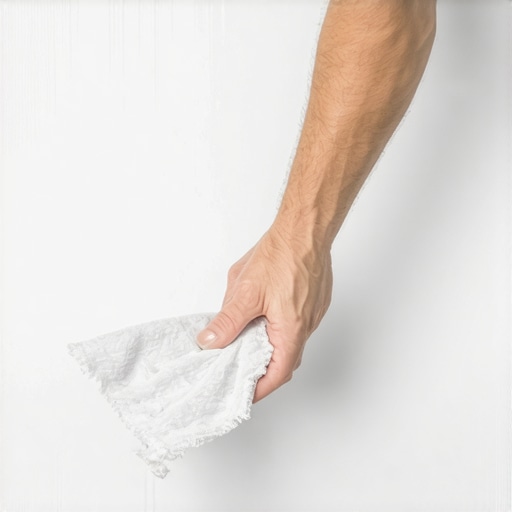
Choose an unobtrusive spot on the painted surface, ideally on the edge or backside of the wall. Clean the area thoroughly with a damp cloth to remove dust, dirt, or grease—these can interfere with the test results. Once dry, get ready to apply the mineral spirit. Remember, accuracy starts with clean surfaces.
Gather Your Supplies
You’ll need a small container of high-quality mineral spirits (available at hardware stores), a clean lint-free cloth or cotton swab, and a pair of gloves to protect your skin. Using a fresh cloth each time prevents contamination, which could skew the results. Keep a paper towel or rag nearby for excess solvent removal.
Apply the Mineral Spirit
Moisten the cloth or cotton swab with mineral spirits—just enough to dampen without dripping. Gently rub the test area with the cloth, applying light pressure in a circular motion for about 15-20 seconds. Think of it like cleaning a spot carefully without scrubbing too hard, which could damage the underlying paint or surface.
Observe the Reaction
If the paint softens, becomes tacky, or begins to lift, it’s likely oil-based. This reaction indicates that the layer contains oil paint, which requires specific preparation before repainting. If there’s no change, and the paint remains intact, it’s probably latex or acrylic, which are water-based. During my DIY project, I once tested a hidden corner of a stubborn wall, and the oil-based paint softened quickly—saving me from costly mistakes later.
Confirm the Results
To double-check, repeat the test on another spot. Consistent reactions across several spots confirm your findings. If inconsistent, consider testing different areas or seeking professional advice, especially for older properties with mixed paint layers.
Take Action Based on Findings
If you discover oil-based paint, you’ll need to use a primer formulated for oil paints before applying latex or water-based finishes. Conversely, if it’s water-based, proceed with your chosen water-based paints without prior treatment. Knowing this prevents adhesion issues, peeling, or long-term deterioration—key to a successful, durable finish.
Remember, the mineral spirit test is simple but mighty—a quick check that can save you from headaches and rework down the line. Practice conducting the test a few times, perhaps on a scrap surface or inconspicuous area, until you feel confident. This hands-on approach is a game-changer for homeowners and DIY enthusiasts alike.
While novice painters often focus on choosing the right color or selecting quality brushes, there’s a less obvious pitfall that many overlook: the assumptions about surface preparation and paint compatibility. One prevalent misconception is that all paints are interchangeable if the color matches, but in reality, mismatched paints and improper prep can cause significant issues that undermine your project’s durability. Many homeowners believe that applying extra coats compensates for poor surface conditions, but this overconfidence in layers often leads to trapping moisture, which causes peeling or mold growth over time. Let’s explore why understanding these nuances can save you headaches and extend your paint job’s lifespan.
Why Skipping Primer Can Backfire Spectacularly
Some believe that primer is optional, especially for small touch-ups, but neglecting primer can result in uneven color, staining, or poor adhesion, particularly on tricky surfaces like raw drywall or glossy finishes. Advanced painters know that selecting the appropriate primer type—anti-mildew, stain-blocking, or bonding—is crucial for a professional finish. A study in the Journal of Paint Research highlights how primer compatibility affects the long-term performance of coatings, emphasizing the need for tailored surface preparation. Always consider surfaces individually; a one-size-fits-all approach often fails.
Is Your Wall’s Texture Masking Poor Preparation?
Textured walls can deceptively hide uneven paint application or surface imperfections. Many underestimate the importance of proper sanding or cleaning before painting textured surfaces, assuming the texture will hide flaws. However, dust, grease, or loose paint trapped beneath textures can lead to bubbling or peeling later. An expert tip is to remove loose particles and apply a primer designed for textured surfaces to ensure adhesion and uniformity. This extra step is often overlooked but can significantly impact the smoothness and durability of your finish.
Have you ever fallen into this trap? Let me know in the comments.
Building a Reliable Toolbox for House Painting
Investing in the right tools is essential to ensure your paint job stands the test of time. I recommend using high-quality, angled sash brushes like the Purdy Crown Series, which offer precision control in tight corners and edges, reducing streaks and uneven coverage. A genuine extension pole transforms a standard roller into a versatile tool that reaches high ceilings and exterior surfaces without the need for ladders, increasing safety and efficiency. For large exterior projects, a Wagner Paint Eater or a power washer with adjustable pressure settings can prep surfaces effectively, removing old paint and dirt without damaging the substrate. These tools help maintain consistency across surfaces, ultimately prolonging the life of your paintwork.
Mastering Long-Term Maintenance of Your Paintwork
Regular upkeep is vital for safeguarding your investment. The key lies in routine inspections—checking for peeling paint, cracks, or discoloration every year. When you notice small issues early, a simple touch-up with proper primers and matching paints can prevent larger, more costly repairs. Applying a clear shield coat such as a UV-resistant exterior sealer every few years can significantly extend your paint’s lifespan, especially in harsh climates. Additionally, cleaning painted surfaces with gentle, mild detergents using soft brushes or microfiber cloths removes dirt and pollutants that can degrade the finish over time. Staying proactive not only preserves aesthetics but also protects your home from moisture intrusion, mold, and structural damage.
The Future of Painting Maintenance and Scaling
Emerging technologies like smart paints embedded with microcapsules for self-healing cracks are on the horizon, promising to revolutionize long-term maintenance by automatically repairing minor imperfections. As these innovations become mainstream, homeowners and professionals will need to adapt by incorporating new application techniques and maintenance routines. Scaling projects will benefit from automated surface scanning tools that detect issues before they become visible, enabling preemptive repairs. Staying informed about these advancements, such as through trusted sources like the Paint Quality Institute, is crucial for maintaining durability and minimizing long-term costs.
How do I keep my paint looking fresh over time?
Consistent maintenance is the secret. Beyond regular inspections, consider scheduling deep cleans and minor touch-ups periodically. Using a high-quality exterior paint sealer can safeguard against UV damage and moisture infiltration, greatly extending your paint’s lifespan. Upgrading to modern paint formulations with advanced durability features is also worth exploring. For comprehensive insights on optimizing your painting projects and maintaining their beauty, visit local painting strategies. Embracing these practices will ensure your home stays vibrant and protected for years to come.
Throughout this journey into the world of house painting, one truth became crystal clear: knowing what lies beneath your fresh coat of paint is the secret weapon for lasting results. The mineral spirit test, an understated hero, empowers homeowners to make informed decisions that save time, money, and frustration. But the real game-changer is embracing this knowledge as part of your regular maintenance routine, turning every painting project into an opportunity for mastery and pride.
Lessons That Changed My Painting Philosophy
- Always dig deeper than the surface: Confirm what type of paint you’re working with—assuming can lead to costly mistakes. The mineral spirit test is simple but reveals layers of history that influence your approach.
- Surface prep is worth the effort: Even textured walls or tricky surfaces demand proper cleaning and priming. Skipping these steps might seem harmless but will compromise your entire project.
- Invest in quality tools and ongoing education: Using the right brushes, rollers, and surface treatments ensures your work stands the test of time. Continuing to learn about innovations, like self-healing paints, keeps you ahead in home maintenance.
Tools and Resources That Elevated My Work
- Pro tips from house painting experts have transformed my techniques and confidence. These insights help me avoid common pitfalls and achieve a professional finish.
- The ultimate toolkit for local painting includes high-quality brushes, power washers, and surface cleaners—each element crucial for durable, beautiful results.
- The routine maintenance routines I adopted now preserve my home’s appearance, saving me from frequent repainting and costly repairs.
Your Next Step Toward Painting Confidence
Remember, every stroke and choice influences the longevity of your home’s finish. With the right knowledge, tools, and maintenance habits, you turn house painting from a daunting task into an enjoyable craft. Don’t wait to practice your mineral spirit test or plan your surface prep—these small steps build the foundation for stunning, enduring results. Ready to elevate your home painting game? Share your experiences or questions below and let’s grow together in this art of transforming spaces.