

I’ll never forget the day I decided to refresh the exterior of my stucco house. I had watched a few tutorials, nodded along, and then dove right in. The problem? I ended up with a painted surface that looked flat and lifeless, completely losing the natural texture I loved. That lightbulb moment made me realize something essential: painting stucco isn’t just about applying a new coat of color—it’s about respecting the material’s character.
Preserving Nature Amidst Fresh Paint
If you’re like me—dreaming of a freshly painted home that still whispers of its original charm—you’ve probably faced this dilemma. Stucco is textured by nature, a beautiful roughness that adds character. But many attempts to paint over it end up sealing that beauty away, replaced by a uniform, flat sheen. Today, I want to share what I’ve learned about painting stucco without sacrificing its unique texture. With some simple techniques and the right products, you can upgrade your home’s look without losing the authentic feel you cherish. For more detailed strategies, check out this local painting guide.
Is It Really Possible to Paint Stucco Well?
I admit, I was skeptical early on, especially after my first few attempts resulted in uneven coverage and a doughy finish. I also made the mistake of using standard exterior paint that didn’t account for the surface’s porosity. According to industry experts, a common mistake novices make is not using breathable paints designed for textured surfaces, which can trap moisture and cause peeling over time. Trust me, it’s worth learning the nuances; it can transform your home’s curb appeal and save you money in the long run. If you’re curious to see how professional painters approach this challenge, visit this expert guide.
So, do you often find your paint job losing the texture or cracking after just a few seasons? If yes, then keep reading. I’ll walk you through the key steps to not only maintain but enhance your stucco’s natural character while giving it a fresh new face. Ready to get started? Let’s dive into the nitty-gritty of surface prep and choosing the right materials to make your project a success.
Preparing the Surface for Painting
Clean Thoroughly to Remove Dirt and Debris
Start by washing the stucco with a garden hose or pressure washer on a low setting to remove dirt, mold, and chalking paint. Use a soft brush if needed to scrub away stubborn grime. I once found a patch where dirt had built up, causing uneven paint adhesion—I soaked it with water, scrubbed gently with a soft-bristled brush, and let it dry completely before proceeding. This step ensures optimal paint absorption and prevents future peeling.
Address Cracks and Surface Damage
Inspect your stucco for cracks or holes, which can trap moisture or cause uneven texture. Use a high-quality exterior patching compound, like a cement-based filler, to fill imperfections. When I fixed a particularly cracked section, I applied the patch with a putty knife, smoothed it out, and feathered the edges. After drying, lightly sand the surface to create a seamless finish. Proper repair history preserves the texture and prevents deterioration over time.
Choosing the Right Paint and Tools
Select Breathable, Textured-Surface Paints
Opt for acrylic latex paints formulated for stucco or masonry, with high elastomeric content for flexibility. These paints allow moisture to escape while resisting cracking. I tested a sample on a hidden area and noticed how well it retained the texture without flattening it. Avoid flat, matte paints; instead, go for low-sheen or satin finishes to keep texture visible and vibrant, similar to how your home’s original surface looks.
Invest in Quality Brushes and Rollers
Use thick-napped rollers (3/4 inch or more) designed for textured surfaces, which can reach into crevices and provide even coverage. Pair this with high-quality, angled brushes for edges and corners. When I painted my porch, I used a roller, working in small sections, and a brush for detail work. This combo helped me preserve the stucco’s natural roughness, creating a professional appearance without sacrificing character.
Mastering Application Techniques
Use Proper Painting Methodology
Start from the top and work your way down to catch drips, with a “W” motion for rollers to distribute paint evenly. Maintain a wet edge by overlapping each stroke before it dries—this prevents lap marks and uneven texture. I experienced a slight inconsistency when I rushed, so I slowed down, ensuring each section remained wet for uniform coverage. This attention to detail keeps surface texture intact and avoids blotches.
Apply Multiple Thin Coats
Rather than one thick coat, apply two or three thin layers, allowing each to dry thoroughly. Thin coats adhere better and prevent pooling, which can flatten or fill in the surface texture. I learned this during my project when I noticed that thicker paint layers hid the stucco’s details. Light, even coats preserve the surface’s distinctive character and produce a smooth, textured finish.
Finishing with Care for Longevity
Allow Proper Drying Time and Cure
After applying the final coat, avoid foot traffic or rain for at least 24 hours. Some projects took longer due to humidity; I waited a full day and checked that the paint was fully cured before exposing the surface to elements. Proper drying ensures the paint adheres well and maintains the texture’s integrity over the years.
Regular Upkeep and Touch-ups
Inspect your painted stucco periodically for chips or blisters. Gentle cleaning with water and mild detergent can keep the surface vibrant. Address minor issues immediately, so the texture remains authentic and the paint lasts longer. When I noticed a small peeling spot shortly after painting, I gently sanded and touched up the area with matching paint, maintaining the overall look and feel.
While many homeowners and even some pros focus on surface-level techniques, the real mastery of house painting lies in understanding subtle nuances that can make or break a project. One common myth is that choosing the brightest, most vibrant color will automatically boost curb appeal without considering lighting conditions or surrounding elements. In reality, color perception varies drastically with sunlight and can look entirely different at dusk versus noon. According to a study published in the Journal of Exterior Paint Science, lighting influences color consistency more than most realize, highlighting the importance of testing samples at different times of day before committing.
Beware the Illusion of Perfect Coverage
Many believe that applying a single thicker coat will save time, but this approach often results in uneven texture, drips, and an unsightly finish. Multiple thin coats, allowed to dry properly, ensure a uniform appearance and better adherence—crucial for textured surfaces like stucco. Skipping this step can lead to premature peeling or cracking, especially in variable weather conditions. For expert tips on applying coatings flawlessly, visit this professional guide.
Advanced Mistake: Overlooking Surface Preparation
A prevalent mistake is underestimating the importance of meticulous surface prep, particularly in older homes. Skimping on cleaning, repairing cracks, or priming can cause the new paint to fail early. For instance, failing to remove chalking paint or mold can trap moisture and cause peeling within a season. Industry experts emphasize that comprehensive prep isn’t just tedious; it’s a sacramental step toward a durable, high-quality finish. Did you know that the rub test can help determine if your existing paint is suitable for repainting?
Can You Trust Yellowish Tint in White Paints?
For advanced home painters, a subtle yet impactful nuance is the tendency of certain white paints to develop a yellowish tint over time, especially in rooms with poor lighting or inadequate ventilation. This is particularly true for cheaper, low-quality paints that contain fewer pigments and binders. Choosing premium paints with neutral undertones helps maintain color fidelity, preventing unsightly discoloration down the line. For a closer look at choosing better-quality paints, check out this detailed article.
So, have you ever fallen into this trap of neglecting the finer details? Recognizing these nuances not only elevates your craftsmanship but also ensures your home maintains its beauty for years to come. Remember, paint is more than just color—it’s an environment-defining element that benefits from careful thought and expert execution. For more insights on mastering painting projects, visit this ultimate guide. Don’t underestimate the power of the small details—your home will thank you.
Keep It Working: Tools and Maintenance Tips for Lasting House Paints
Achieving beautiful, durable paint on your home isn’t just about the right color; it hinges on the tools you use and ongoing maintenance. As a seasoned DIY painter or professional, I’ve found that investing in quality equipment and establishing a regular upkeep routine ensures your work stands the test of time. This approach saves you money and effort down the line, maintaining curb appeal and structural integrity.
High-Quality Brushes and Rollers Are Non-Negotiable
From personal experience, I swear by premium synthetic brushes with angled bristles for trim and edges. They provide better control and cleaner lines, especially when working around intricate details. For larger surface areas, I prefer thick-napped rollers (about ¾ inch) because they get into textured surfaces like stucco or siding efficiently. Cheaper tools tend to shed bristles or produce uneven application, leading to longer-term issues like peeling or flaking. Ensuring your tools are well-maintained—cleaned thoroughly after every use—is vital for longevity and consistent results.
Choose Advanced Equipment for Precision and Efficiency
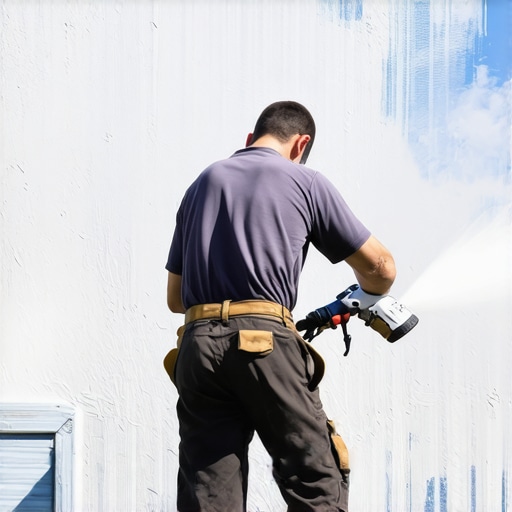
Modern spraying methods have revolutionized house painting. I recommend an airless paint sprayer for large-scale projects; they deliver smooth, even coats and drastically cut down application time. Personally, I use the Wagner Control Pro 170 for its adjustable pressure controls and minimal overspray. Mastering the proper technique prevents paint from pooling or becoming uneven, which can compromise the surface’s texture over time. Check out the latest in professional-grade equipment to decide what suits your project size.
Schedule Routine Inspections and Touch-Ups
Prevention is better than cure. Regularly inspecting your painted surfaces allows you to catch issues early before they escalate. I recommend a quarterly check, especially after harsh weather. Look for signs of cracking, peeling, or mold growth. Promptly repairing small imperfections with matching paint protects the underlying surface and preserves the texture. For example, a quick touch-up on minor cracks prevents moisture intrusion, which could lead to more extensive damage and costly repairs.
Future-Proof Your Investment with Proper Techniques
Advancements in paint technology, such as elastomeric coatings, are making surfaces more resistant to the elements. I predict that in coming years, smart paints with self-healing properties or UV resistance will become mainstream, further extending the lifespan of your work. Staying updated on these innovations can make your projects more sustainable and cost-effective.
How Do I Maintain My Paint Over Time
Maintaining your paint job involves regular cleaning with gentle solutions like soap and water, avoiding abrasive cleaners that can strip the finish. Also, schedule a professional inspection every 3-5 years to evaluate adhesion and surface integrity. Implementing minor touch-ups immediately prevents small flaws from turning into big problems. For more detailed strategies on extending your painting results, explore this comprehensive guide. Try applying a preventive maintenance schedule today—your home’s aesthetic and durability depend on it.
Remember, investing in the right tools and maintaining your surfaces diligently is the secret to long-lasting, stunning results. For tailored advice on your specific project, don’t hesitate to reach out.
What I Wish I Knew Before My First Stucco Paint Job
One of the most valuable lessons I learned is that patience and preparation are the backbone of a lasting finish. Rushing through surface cleaning or ignoring tiny cracks can sabotage your project, leading to peeling or uneven texture. I once skipped a thorough prep step and paid the price months later—it’s a mistake I won’t repeat. Every little imperfection fixed upfront is a safeguard for years of beautiful curb appeal.
Another insight is how critical it is to choose the right paint. Not all textured surfaces breathe the same, and selecting a breathable, elastomeric paint made all the difference in maintaining the stucco’s natural character while resisting moisture damage. This small detail can extend the life of your paint job dramatically, saving you time and money over time.
Finally, I discovered that applying multiple thin coats consistently beats one thick layer every time. It preserves the textured look and ensures even coverage, especially on uneven surfaces. Trust me, this patience pays off when the final result looks professional and stands strong against weather conditions.
My Toolbox of Secrets for Lasting Exterior Surfaces
Starting with a high-quality roller with a thick nap transformed my approach to textured surfaces. A good upgrade from standard gear, it pushed paint into crevices and preserved the stucco’s rugged charm. Pair that with a sturdy angled brush for edges—trust me, cheap tools cause more grief than they save.
For bigger projects, an airless sprayer revolutionized my workflow. It delivers an even coat quickly and minimizes drips—crucial when working on uneven surfaces. Checking out tools like the Wagner Control Pro 170 helped me finish faster and with better results. Don’t overlook investing in reliable equipment; it’s the secret to professional paint jobs.
To keep everything pristine, I schedule regular inspections and small touch-ups. Catching peeling or cracking early preserves the texture and aesthetics longer. A simple routine of visual checks every few months ensures your home always looks its best without major overhauls.
Your Next Step Toward a Beautiful, Durable Home
Remember, achieving a stunning painting result, especially on textured stucco, hinges on embracing the process and respecting the material’s character. With the right techniques, tools, and mindset, your project can become a rewarding journey—one that elevates your home’s curb appeal for years to come.
What has been your biggest challenge when painting textured surfaces? Share your story below—your experience might inspire someone else to get it just right.