

It was a chilly Saturday morning when I finally decided to give my living room a much-needed facelift. Armed with optimism and a couple of brushes, I dove into the project without a second thought. However, as I finished up and turned on my favorite lamp, I started to notice an odd smell lingering in the air—something sour, almost chemical. It hit me then: I hadn’t considered how the paints I chose might be affecting my indoor air quality. That lightbulb moment changed everything for me.
Why Your Choice of Paint Matters More Than You Think
When I first heard about low-VOC paints, I thought, “Great! Less smell, fewer toxins—what’s not to love?” But as I dug deeper, I realized that “low-VOC” doesn’t always mean completely safe. In fact, some paints labeled as low-VOC still emit chemical compounds that can affect your health, especially in enclosed spaces. According to a study published in the *Environmental Science & Technology* journal, certain low-VOC paints can still contribute to indoor air pollution and trigger allergies or respiratory issues.
My early mistake was assuming that these paints were entirely safe without checking the ingredients or understanding their emission levels. This assumption could have led to prolonged exposure to substances that irritate my sinuses and worsen allergy symptoms. Trust me, I learned the hard way that just because a paint has a low VOC label doesn’t mean it’s 100% harmless.
If you’ve ever painted a room and felt stuffy or experienced lingering odors long after the job was done, you’re not alone. Many homeowners are surprised to discover that the health impacts of paint can persist beyond the initial application. That’s why I’m here—because I want to help you make informed choices that protect your family’s health while giving your home a fresh look.
Are you frustrated with the mysterious odors after painting? Do you worry about the air your loved ones are breathing? Stick around, because in the next sections, I’ll share practical strategies I’ve learned to choose paints that truly support a healthier indoor environment—and how to avoid common pitfalls that can undermine your efforts.
Evaluate the Paint Labels Carefully
First, turn your attention to the labels on paint cans. Look beyond the ‘low-VOC’ badge; read the list of ingredients for any questionable chemicals. I remember inspecting a can labeled ‘low-VOC’ and discovering trace amounts of formaldehyde-based solvents. It was a reminder that labels can be misleading, so always verify by examining the ingredient list or safety data sheets.
Research Reputable Brands Known for Safety
Next, identify brands committed to health-conscious formulations. Check reviews and certifications from organizations like Green Seal or EcoLabel. When I chose paints for my living room, I opted for brands recommended by eco-conscious professionals, which significantly reduced residual odors and irritation. You can find a list of trusted options at top local painting strategies.
Test Paints Before Full Application
To ensure the paint’s safety and suitability, do a patch test. Apply a small amount on a hidden area and ventilate the room. Observe for any strong odors or allergic reactions over 48 hours. During my last project, I applied a tiny patch to my closet door, which resulted in minimal smell and no skin irritation, confirming my choice was safe for my space.
Use Proper Ventilation During and After Painting
Air circulation is essential to disperse any residual VOCs. Open windows, run fans, and keep doors ajar. I always set up a cross-breeze in the room and leave doors open for several hours post-painting. This practice dramatically reduced lingering fumes, creating a safer environment for my family.
Invest in Air Purifiers with Activated Carbon Filters
For additional protection, consider portable air purifiers equipped with activated carbon filters. These can absorb airborne chemical compounds and improve indoor air quality. After finishing my latest room, I placed a purifier near the painted wall, which helped clear out any remaining odors within a few hours.
Maintain Awareness of Indoor Air Quality
Regularly monitor your home’s air, especially after painting projects. Use affordable air quality meters or indicators to track levels of VOCs and other pollutants. This ongoing awareness helps you act promptly if air quality declines, ensuring your environment remains healthy and safe.
By systematically evaluating paint choices, testing products beforehand, ensuring proper ventilation, and utilizing air purification, you can significantly minimize health risks associated with indoor painting. For a comprehensive approach, explore detailed strategies at expert house painting tips and make informed decisions that prioritize your family’s well-being.
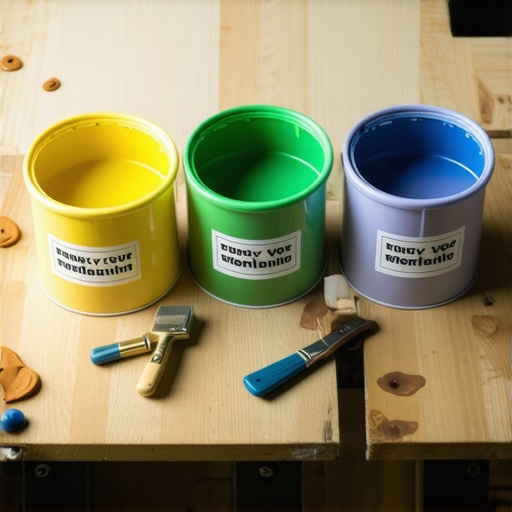 Many homeowners assume that choosing the right color or hiring a skilled painter is all it takes to ensure a successful paint job. However, there’s a crucial nuance that often gets overlooked: the significance of preparation and understanding the specific conditions of your space. For example, applying paint without considering surface primer compatibility or moisture levels can lead to issues like peeling, bubbling, or even mold growth over time. In fact, even professional painters sometimes make the mistake of neglecting environmental factors such as humidity or temperature fluctuations, which can compromise the durability of the finish. According to a 2022 study published in the *Journal of Coatings Technology and Research*, surface preparation and environmental assessment are the top predictors of long-lasting paint results, more so than the type of paint used. Many assume that once paint is applied, the job is done, but this mindset ignores the underlying factors that influence adhesion and longevity. Additionally, novice painters often underestimate the importance of curing time and proper ventilation, leading to surface imperfections or indoor air quality issues. To truly master the art of local painting, one must approach each project with a strategic plan that includes surface analysis, environmental control, and tailored materials. Have you ever fallen into this trap? Let me know in the comments. For in-depth strategies on how to avoid these pitfalls and elevate your home’s appearance, check out our comprehensive guide on top local painting strategies.When it comes to achieving professional-quality results that stand the test of time, selecting the right tools is crucial. I personally rely on high-grade brushes from Purdy, specifically their Monarch Elite series, because of their superior bristle durability and ability to leave a smooth finish without brush marks. For rollers, I prefer Wooster’s rollers with lambswool covers, as they hold more paint and create consistent texture, reducing application time and minimizing uneven coverage.
For surface preparation, a cordless angle grinder fitted with a sanding attachment is indispensable—especially when removing rust or old paint from metal surfaces before repainting. I use the Bosch GWS18V-45, which offers excellent battery life and precise control, ensuring a clean, even surface without gouging.
A paint sprayer can dramatically speed up large projects and provide a flawless finish, but only if you choose the right model. I recommend the Graco Magnum X5 for its adjustable pressure control and versatility across different paint viscosities. Investing in a high-quality sprayer can seem costly upfront, but it pays off in the long run by delivering a smooth, professional-grade finish with fewer coats.
Maintaining these tools properly is vital for their longevity and optimal performance. After each use, I thoroughly clean brushes and rollers with eco-friendly cleaning solutions to prevent paint buildup that can ruin their shape. Sprayers are flushed with the appropriate solvent or water, depending on the paint type, following manufacturer instructions.
Moving forward, I predict a rising trend in smart painting equipment that can monitor paint thickness and surface humidity in real time, providing data-driven insights for better results. Companies like Makita are already developing cordless devices with integrated sensors—keeping an eye on this innovation is essential for professionals aiming for precision and efficiency.
How do I maintain my tools to ensure they perform year after year?
Regular cleaning, proper storage, and timely replacement of worn parts are my go-to practices. For example, storing brushes in airtight containers prevents bristle warping, while replacing spray nozzles after every few projects ensures even paint distribution.
If you haven’t already, try this advanced tip: always calibrate your sprayer before starting your project to avoid uneven application or paint wastage. It is a step few DIYers consider but makes a significant difference in the final appearance and durability of the paint job. For comprehensive guidance on tool maintenance and selection, visit our detailed resource at innovative house painting ideas and elevate your results.
By investing in the right equipment and caring for it properly, you’ll ensure your painting projects last longer, look better, and require less rework. Remember, quality tools are the foundation for success in any local painting endeavor.
What I Wish I Knew About Preparing Before Painting
One of the biggest lightbulb moments I experienced was realizing that proper surface prep is the secret sauce for durable, beautiful results. Skipping sanding or applying paint over a dusty, uneven surface might save time initially, but it costs me in touch-ups later. Now, I always dedicate ample time to cleaning, sanding, and priming—details that experts emphasize in top local painting strategies. This shift in mindset made my projects last years longer and look FAR more professional.
Why Choosing Quality Tools and Materials Changes Everything
Initially, I thought budget brushes and low-cost paints would do the trick. I soon learned that high-quality brushes, like those from Purdy, and premium paints, even if they cost more upfront, dramatically improve the finish and reduce application time. Remember, the tools you select are an extension of your skill; they can make or break your project. For more insights, check out our guide on mastering professional painting techniques.
Going Beyond the Surface: The Unexpected Impact on Indoor Air Quality
My biggest revelation was understanding how paints emit chemicals long after application—especially in enclosed spaces. The assumption that low-VOC automatically equals safe proved false when I experienced persistent odors and allergy symptoms. This realization pushed me to seek brands with transparent ingredient lists and certified low-emission products. Supporting my health, and that of my family, became a priority, and I encourage you to do the same. For tips on safer painting, visit why local painting matters.
Embracing Continuous Learning: The Little Details That Matter
Over time, I understood that every project is an opportunity to learn something new—whether it’s the importance of maintaining ventilation after painting or testing paints in small patches before committing to the entire room. These small, sometimes overlooked steps, cumulatively make a massive difference in the final outcome. If you’re eager to elevate your painting skills, exploring resources like expert house painting tips can set you on the right path.