

I’ll never forget the first time I thought I was finally ready to refresh the exterior of my house. I grabbed my paintbrush, excited, only to be stopped dead in my tracks by peeling, chalky paint. It was like my house was giving me a silent warning: “Not yet.” That lightbulb moment taught me the hard way how crucial it is to assess your masonry before diving into a paint job. Skipping this step can lead to wasted time, money, and an unsightly finish that won’t last.
Why Knowing If Your Masonry is Ready Matters
Getting your bricks or stucco prepared isn’t just about aesthetics. It impacts the longevity of your paint and the overall look of your home. Applying fresh paint over masonry that’s not properly primed or has compromised surface integrity can result in peeling, cracking, or even mold growth. Think of it like trying to paint a wall that’s full of dust—you’re just trapping problems underneath a fresh coat. So, how do you know when your masonry is truly ready for the new paint? That’s where the Chalk Test comes into play.
Could the Chalk Test Really Save Your Paint Job?
Early on, I made the mistake of rushing into painting without properly checking my home’s surface. I assumed a quick visual inspection was enough. Spoiler alert: It wasn’t. What I didn’t realize is that old paint often appears intact but is actually peeling beneath the surface—leading to failure down the line. The Chalk Test is a straightforward method to evaluate whether your masonry’s surface is sound enough for a new layer of paint. It involves gently scraping the wall and examining the debris, which can tell you a lot about the underlying paint’s condition. According to research, surface cleanliness and adhesion are critical for a durable finish, and the Chalk Test helps you assess that readiness without expensive equipment or guesswork. Want to learn more about prepping your house the right way? Check out this helpful guide on boosting your home’s curb appeal through proper painting.
If you’ve ever faced the frustration of repainting after just a few years because the previous coat failed prematurely, chances are you skipped this essential step. Trust me, taking a few minutes now can save you hours of work—and a whole lot of disappointment—later. Ready to find out exactly how to perform the Chalk Test and give your masonry the green light? Let’s dive into the details of this simple yet powerful tool that can make all the difference in your next painting project.
Gather Your Tools and Find a Well-Lit Spot
Start by assembling a sturdy putty knife, a stiff wire brush, and a garden hose or pressure washer if you need to clean large areas. Choose a shaded area of your house to perform the test, avoiding direct sunlight which can dry the surface unevenly and skew your results. I recall doing this on my own brick wall during a cloudy afternoon, which gave me the most accurate reading.
Scrape the Surface with a Putty Knife
Hold the putty knife at a shallow angle and gently scrape a small area of your masonry—about 6 inches wide. Apply light pressure; you’re not trying to gouge the surface, just loosen loose paint and debris. Think of it as teasing apart a tangled knot rather than ripping through it. If the surface resists and the paint comes away easily, it indicates good adhesion. If it’s stubborn, there’s more prep work needed.
Note the Debris
Collect the scrapings and examine them in good light. Look for a powdery, chalk-like consistency or chunks of flaking paint. A dust that crumbles easily indicates that the old coating is chalking, which can cause peeling if not addressed. If the debris feels gritty or gritty residues are present, this points to surface degradation that requires cleaning and priming.
Determine Surface Porosity
Lightly sprinkle water onto the scraped area. Observe how quickly it soaks in. Rapid absorption means high porosity, necessitating a bonding primer. If water beads on top, the surface is less porous but still needs proper cleaning. During my test, the water absorbed quickly, signaling I had to use a high-adhesion primer before painting.
Assess for Mold or Mildew
Inspect the area for dark spots or fuzzy patches. If present, treat these areas with a fungicide and allow sufficient drying time. Neglecting mold can lead to health issues and paint failure, a mistake I learned the hard way on a north-facing wall that had hidden fungal growth beneath old paint.
Replicate the Test in Multiple Areas
Don’t rely on one spot—repeat the scraping in various locations of your masonry. This ensures a comprehensive assessment, as different areas might have varying surface conditions. When I tested multiple sections of my home, I uncovered some spots that needed more prep work than others, saving me from future peeling issues.
Decide on Repairs or Replacement
If you notice deep cracks, crumbling sections, or signs of water damage, consider repairing or replacing those areas before painting. Filling cracks with a suitable masonry filler and allowing it to cure ensures a durable finish. I found that reinforcing weak spots saved me from peeling paint a few years down the line.
Performing this simple but vital step not only extends the lifespan of your new paint job but also saves you time and money in the long run. Want to streamline your entire exterior makeover? Check out this guide to local painting solutions that can help you achieve professional results without breaking the bank.
Many homeowners and even some DIY enthusiasts operate under misconceptions about house painting, often leading to avoidable mistakes that compromise both aesthetics and durability. One widespread myth is that choosing a high-cost, premium paint guarantees a long-lasting finish. While quality paint certainly plays a role, the true longevity depends heavily on surface preparation and application techniques. Skimping on proper surface assessment, like neglecting the chalk test or ignoring underlying issues (such as mold or water damage), often results in peeling, cracking, or mold growth despite using expensive products.
Another nuanced mistake is over-relying on superficial inspections. Many believe that a visual check is sufficient, but advanced painters understand the importance of multiple assessments across different areas, considering factors like porosity, surface adhesion, and hidden damages. For instance, a section that appears sound may have chalking paint underneath, which isn’t apparent without a proper scrape test. This oversight can lead to premature failure of the paint job, wasting both time and money. In fact, per studies in building science, adhesion failure often results from neglecting surface conditions more than the paint quality itself.
What Are the Advanced Mistakes That Even Pros Can Make?
One overlooked aspect involves understanding the intricacies of primer compatibility and surface porosity. Using the wrong primer or skipping primer altogether on porous surfaces can cause paint to fail prematurely. For example, if you skip applying a bonding primer on a porous, chalky surface, the new paint might not adhere properly, leading to peeling in just a few years. Conversely, applying an incompatible primer can trap moisture or interfere with adhesion. The key is knowing the right primer type for each surface—a nuance that separates expert painters from amateurs. An insightful guide on top local painting strategies emphasizes primer selection as critical for durable finishes.
Moreover, many underestimate the significance of temperature and humidity conditions during application. Painting in high humidity or when temperatures are outside recommended ranges can cause blistering, uneven drying, or peeling—issues that even seasoned painters occasionally overlook. Recognizing these subtleties is essential for achieving professional results. According to painting expert Bob Flexner, failing to consider environmental conditions accounts for a significant portion of paint failures, especially in humid or cold climates.
By understanding these hidden nuances and avoiding common myths, homeowners can set realistic expectations and take proactive steps to ensure lasting beauty and performance. Are you aware of all these advanced considerations in house painting? If not, now is the perfect time to learn more. Check out why local painting matters and master the art of long-lasting home improvement. Have you ever fallen into this trap? Let me know in the comments!
Achieving a professional-looking house paint job doesn’t end once the last coat dries. Maintaining your painted surfaces with the right tools and routine checks ensures long-term durability and curb appeal. Over the years, I’ve honed a set of equipment and techniques that make upkeep straightforward and effective.
Invest in Quality Brushes and Rollers
In my experience, premium brushes with natural bristles and high-grade rollers significantly reduce brush strokes and stippling, delivering a smoother finish. I personally swear by high-quality, angled sash brushes for detailed areas, as they allow precise cuts along fascia or trims. Cheaper tools often shed bristles or leave uneven application, which can cause premature aging of the paint. Choosing the right tools not only improves initial results but makes touch-ups easier, saving time and money in the long run.
Use an Extension Pole for Elevated Areas
To inspect or touch up high places without unnecessary ladder climbs, an adjustable extension pole attached to your roller or brush is invaluable. This equipment extends your reach and helps maintain consistent application on hard-to-access sections, preventing missed spots or inconsistent coverage. Personally, I’ve found that a sturdy, lightweight pole with a comfortable grip enhances safety and efficiency during exterior maintenance.
Implement Routine Inspection and Cleaning
Beyond the right tools, regular inspections using a flashlight or a keen eye help catch early signs of peeling, fading, or mold. I recommend scheduling quarterly checks, especially after harsh weather events. Keep your tools clean with eco-friendly solvents or water, depending on your paint type. Well-maintained brushes and rollers last longer and perform better, which is critical for ensuring your home stays protected against the elements.
Preparation and Primer Accessories
Using a high-quality primer suited for your surface type enhances adhesion and extends the life of your paint job. I prefer primers with built-in binders for problematic areas like chalking or water damage. A good brush specifically dedicated to priming can make a difference, as it prevents cross-contamination that might compromise adhesion. Proper preparation tools and materials significantly decrease the frequency of repainting, making maintenance more manageable.
Forecast for Painting Tools Trends
Looking ahead, advancements in smart equipment—such as laser-guided inspection devices or paint analyzers—are poised to revolutionize surface assessment, making routine maintenance more precise. Additionally, the rise of eco-friendly, durable coatings demands tools designed for specialized application techniques. Staying updated with these innovations will help homeowners and professionals alike keep their paintwork in top condition for years to come.
To simplify your maintenance process, I highly recommend trying out a high-quality extension pole combined with routine inspections. These simple upgrades have transformed my approach, allowing me to catch issues early and address them efficiently. Curious to learn more about advanced techniques? Check out transforming your space with professional tools. Maintaining your paint isn’t just about tools—it’s about adopting a proactive mindset that preserves your home’s beauty and integrity over time.
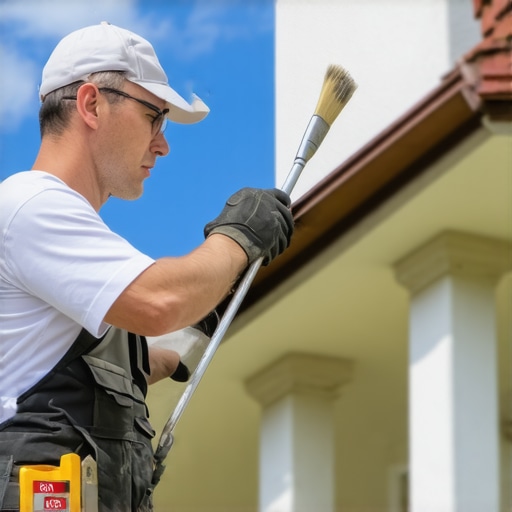
Throughout my years of house painting, the most profound insights often come from unexpected challenges and personal missteps. These lessons have reshaped how I approach each project, emphasizing that there’s always more beneath the surface than meets the eye. If you’re serious about achieving a lasting, professional-looking finish, embracing these hard-earned truths can elevate your craftsmanship beyond basic techniques.
What No One Tells You About Surface Prep That Could Save Your Finish
One revelation I wish I had sooner is the importance of meticulous surface assessment. Simply cleaning or visual inspection isn’t enough; using tools like the chalk test consistently uncovered hidden issues like chalking paint or underlying moisture that could cause peeling months down the line. Recognizing these subtle signs early makes all the difference. For instance, I once ignored a patch that seemed fine until the paint started peeling prematurely—an expensive and frustrating mistake. Mastering thorough surface prep, including the chalk test, can transform your results from average to exceptional.
How Personal Experience Transformed My Painting Approach
Early in my career, I believed that using the best paint alone was sufficient. However, I soon realized that even top-tier paint fails without proper surface preparation. This lesson came after redoing a client’s exterior because the previous job was rushed and skipped essential steps. It became clear that preparation and understanding surface nuances—like porosity and adhesion—are the backbone of durability. Engaging with expert advice, like the resources found on transforming your space with local painting solutions, deepened my knowledge and improved my craft.
One Surprising Fact That Changed My View on Primers
I used to think primers were optional or just a quick step. That changed when I learned about different primer types tailored for specific issues like chalking, porous surfaces, or mold. Using the wrong primer can jeopardize adhesion and longevity. For example, a high-adhesion bonding primer turned a peeling project into a long-lasting transformation. Learning this not only saved me time but also boosted my confidence in tackling complex surfaces. Understanding the right primer for each job is a game-changer that every serious painter should master.
Where Your Focus Should Be After the Last Brushstroke
Post-project maintenance might seem trivial, but it’s a secret weapon for lasting beauty. Regular inspections, gentle cleaning, and quick touch-ups maintain the paint’s integrity. I adopted a routine inspection schedule, which allowed me to catch early signs of wear—saving countless projects from premature failure. Upgrading your tools, like switching to quality brushes and extendable poles, makes this process more effective. Remember, a well-maintained paint job isn’t a one-and-done achievement—it’s an ongoing commitment that pays dividends in curb appeal and home value.
Choosing Your Tools and Techniques for Lasting Results
The tools you select, like high-grade brushes and rollers, significantly influence your finish. I learned that investing in quality equipment reduces stippling and streaks, resulting in a smoother surface that lasts longer. Additionally, environmental factors—such as painting in suitable weather conditions—are just as critical. Overlooking these factors leads to issues like blistering or peeling. Embracing advanced techniques, like proper masking and surface preparation, ensures that your house painting endeavors stand the test of time. For more ideas on modern painting strategies, consider exploring top local painting strategies.