

It was a rough morning in my little painting workshop. My brushes, once pristine and eager to dance across new walls, were now stiff, gummed up with dried paint, and stubbornly resistant. I remember thinking, “There must be a better way,” as I scrubbed and soaked, frustration mounting. That was my lightbulb moment—realizing that proper brush care isn’t just about cleaning; it’s about preserving the soul of your tools.
Why Brush Maintenance Can Make or Break Your Painting Projects
As a seasoned painter, I’ve learned the hard way that neglecting the cleaning process leads to brushes that wear out faster, become unusable, and ultimately cost you more in the long run. It’s frustrating to invest in quality brushes, only to watch them deteriorate after just a few projects. I used to rely on generic cleaning agents, but they often left my brushes stubbornly stiff or damaged the bristles, which affected my finish.
One of the most effective solutions I’ve found is using linseed oil soap—a traditional cleaning agent that professional painters swear by. Unlike harsh chemical cleaners, linseed oil soap gently cleans paint residue while nourishing the bristles, ensuring your brushes stay in top condition longer. Not only does this save money, but it also maintains the quality of paint application, giving your work that professional look.
Are You Skeptical About Classic Cleaning Methods?
Honestly, I was too, at first. I thought, “Will something so simple really make a difference?” It’s a valid concern. I’ve made my share of mistakes early in my career—like using cheap brushes with inadequate cleaning routines, which led to splitting and shedding. Over time, I realized that the right cleaning method isn’t just about saving brushes; it’s about safeguarding your craftsmanship.
Research shows that using natural cleaning agents like linseed oil soap can extend a brush’s lifespan significantly, reducing waste and cost—plus, they’re environmentally friendly. Well-maintained brushes mean smoother strokes, better paint adhesion, and a more polished finish.
If you’ve been battling stiff, mangled brushes or feeling frustrated about unnecessary costs, stay tuned. I’m about to share practical tips and insights that will transform your brush care routine and elevate your entire painting game. Ready to breathe new life into your tools? Let’s dive into the simple yet powerful world of linseed oil soap and how it can revolutionize your approach to house painting.
Set Up Your Cleaning Station Properly
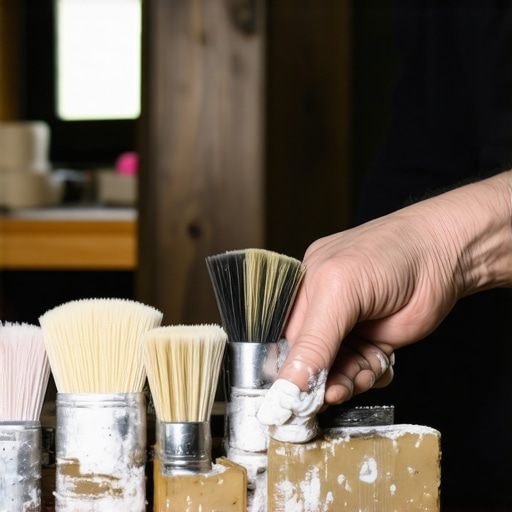
Start by choosing a dedicated workspace with good lighting and ventilation. Keep warm water and linseed oil soap nearby. I remember a time when I neglected this setup, resulting in dirty brushes drying out quickly. Organize your brushes by size and type, placing them in separate containers filled with lukewarm water to keep the bristles moist until cleaning.
Disassemble and Rinse the Brushes Thoroughly
Gently reshape the bristles and rinse immediately after use to remove excess paint. Use your fingers or a brush comb to loosen dried paint near the ferrule. I once hurried this step and ended up with stiff, bristle splaying—restarting the project cost me hours. Clear water rinses ensure no residual paint remains, preventing hardening.
Apply Linseed Oil Soap for Deep Cleaning
Dilute linseed oil soap in warm water according to instructions. Swirl the brushes gently in the solution, working through the bristles to lift stubborn paint. For instance, when I painted a detailed trim, this method removed thick dried paint without damaging the bristles, resulting in a smooth finish on the next coat.
Rinse and Dry Carefully
Rinse all brushes with clean water until soap and paint residue disappear. Shake out excess water and reshape the bristles. Hang brushes with bristles downward in a well-ventilated space. I once left brushes standing upright, which caused water to seep into the ferrule, leading to rust—something to avoid at all costs.
Store Your Brushes Properly
Keep brushes flat or hanging to maintain shape. Store away from direct sunlight and dust. Proper storage prolongs brush life, making every stroke smoother. Remember, well-maintained brushes are like trusted tools—each stroke reflects your craftsmanship. For more detailed strategies, check out this professional guide to house painting mastery.
When it comes to house painting, especially at the local level, many homeowners and even novice painters operate under common misconceptions that can lead to costly mistakes. As an expert in this field, I want to shed light on these overlooked nuances that can make or break your project. One prevalent myth is that preparing the surface is merely a matter of quick cleaning and a single coat of paint. In reality, surface preparation involves meticulous inspection, cleaning, sanding, and priming—steps that significantly impact the durability and appearance of the finish. Skipping these can result in peeling, cracking, or uneven color, which become glaring issues over time.
Why Choosing the ‘Right’ Paint Isn’t Just About Color
Many assume that selecting a popular color or a budget-friendly paint guarantees a good outcome. However, the type of paint—oil-based vs. latex, flat vs. semi-gloss—affects adhesion, flexibility, and resistance to environmental factors. For example, using flat paint on exterior wood can lead to faster deterioration, especially in harsh climates. An advanced mistake I often see is homeowners opting for inexpensive, low-quality paints, believing they save money, only to find themselves repainting prematurely. Studies like those from the Paint & Coatings Association emphasize that investing in high-quality paint with proper application yields a longer-lasting finish and better aesthetic appeal.
Beware of the ‘One-Size-Fits-All’ Approach to Painting Techniques
A common oversight is applying the same method to diverse surfaces without considering their unique characteristics. For instance, drywall, wood, stucco, and metal all demand different preparation, primers, and finishing techniques. Using a universal method can lead to issues like paint failure, uneven coverage, or surface damage. For example, painting over chalky masonry without a suitable primer causes the paint to peel prematurely. The secret lies in understanding the intricacies of each material and tailoring your approach accordingly, which can be explored further in local painting solutions guide.
Another advanced nuance involves temperature and humidity control during application. Painting in conditions that are too hot, cold, or damp can compromise the cure and finish. A failure to consider these factors often results in bubbling, extended drying times, or color inconsistencies. For expert insights into this, check out mastering professional painting techniques.
To avoid these pitfalls, meticulous surface prep, choosing the right materials, and timing your work are critical. Do you recognize any of these errors in your own projects? Have you ever fallen into this trap? Let me know in the comments and share your experiences. Remember, mastering these nuances transforms a good paint job into a professional-quality finish, elevating your home’s appearance and longevity.

Keep Your Tools Working Like New
As a professional painter, I rely heavily on high-quality tools that deliver consistent results. Investing in top-tier brushes, rollers, and sprayers isn’t enough; maintaining them properly ensures longevity and optimal performance over time. For instance, I personally swear by using a split-head roller for large exterior surfaces because it provides a smoother finish and reduces fatigue. Cleaning is equally critical—immediately rinsing brushes and rollers with warm water after use prevents paint from drying and caking, which can ruin the bristles or nap. I also use a specialized cleaning kit designed for spray equipment, ensuring no residual paint clogs the nozzles and extending the sprayer’s lifespan.
Why proper cleaning extends tool life
Neglecting routine cleanings leads to buildup, which causes uneven application and additional expenses. For latex paints, I recommend using a gentle solvent like warm water and mild soap, whereas oil-based paints require a dedicated solvent such as mineral spirits. Consistently maintaining your tools minimizes replacements and keeps your work quality high. Additionally, regular inspections help spot wear and tear early—replacing worn-out brushes before they cause streaks or blobs in your finish. As I often advise in professional painting guides, proactive maintenance results in faster projects and better results that last longer.
Optimize Your Equipment for Long-Term Success
Choosing the right tools is just part of the equation; knowing how to refine and care for them is essential. For example, I prefer using magnetic brush holders that keep my brushes upright in between coats, preserving their shape. Meanwhile, storing brushes with protective covers prevents dust accumulation and bristle deformation. When it comes to sprayers, I routinely disassemble and clean the filters and nozzles, preventing buildup that would compromise spray consistency. Predicting future trends, innovative tools like ultrasonic cleaning devices are making their way into the industry, promising easier and more thorough maintenance routines. I’m excited to see how these advancements will further simplify tool upkeep, enabling us to deliver impeccable results with less effort.
How do I maintain my painting tools over time?
Start by establishing a routine cleaning schedule after each project—don’t let dried paint accumulate. Invest in quality storage options, like airtight containers or dedicated tool racks, to protect brushes and rollers from dust and damage. Regularly inspect handles and ferrules for looseness or corrosion and replace parts as needed. Remember, well-maintained tools don’t just improve your end results—they save money and reduce frustration over the long haul.
If you’re serious about elevating your home projects, try incorporating a professional maintenance routine into your workflow. Proper tools and regular upkeep are the secret ingredients to flawless, durable finishes that stand the test of time.
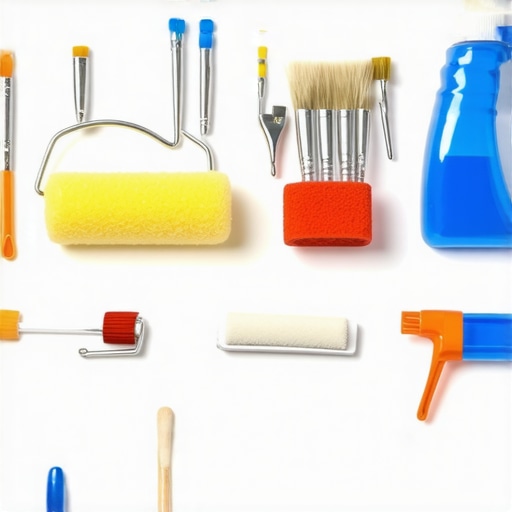
Illustration of organized painting tools with cleaning and maintenance stations, emphasizing proper care.
Lessons That Changed My Approach to Painting
One of the most valuable insights I gained was realizing that *proper brush maintenance can significantly extend the lifespan of your tools*, saving money and improving results over time. I once thought cleaning was just a quick rinse, but I discovered that using natural agents like linseed oil soap not only cleans but nourishes the bristles, maintaining their flexibility and sharpness. Additionally, I learned that dedicating a specific workspace with organized stations prevents accidental damage and keeps your tools ready for the next project. Finally, I was surprised to find that *regular inspections and early replacements of worn brushes prevent streaks and uneven finishes*, which are often the mark of amateur work. These lessons truly transformed my painting quality and efficiency.
Tools and Resources That Make Painting Easier and Better
Over the years, I’ve accumulated a few trusted tools and sources that I recommend wholeheartedly. The first is a quality split-head roller—it provides a smoother finish for large exterior surfaces and is surprisingly affordable. I also swear by a high-quality masking tape that prevents costly bleed-through and clean lines. For learning, I turn to industry experts’ guides like professional house painting tips, which offer step-by-step advice rooted in real experience. Lastly, I keep a dedicated cleaning kit for sprayers—trust me, well-maintained equipment saves you hours of frustration and enhances your finish.
Take Action to Elevate Your House Painting Skills
The journey to professional-looking results begins with the little things—like using linseed oil soap for brush care, setting up an efficient workspace, and investing in reliable tools. Each smart choice adds up, making your projects faster, cleaner, and more durable. Remember, the difference between a good paint job and a truly great one often lies in the details most painters overlook. So, why not give these tips a try on your next project? Your home will thank you with a flawless, lasting finish. Have you experimented with natural brush cleaning methods before? Share your experiences below, and let’s learn together how small habits can lead to big improvements.